
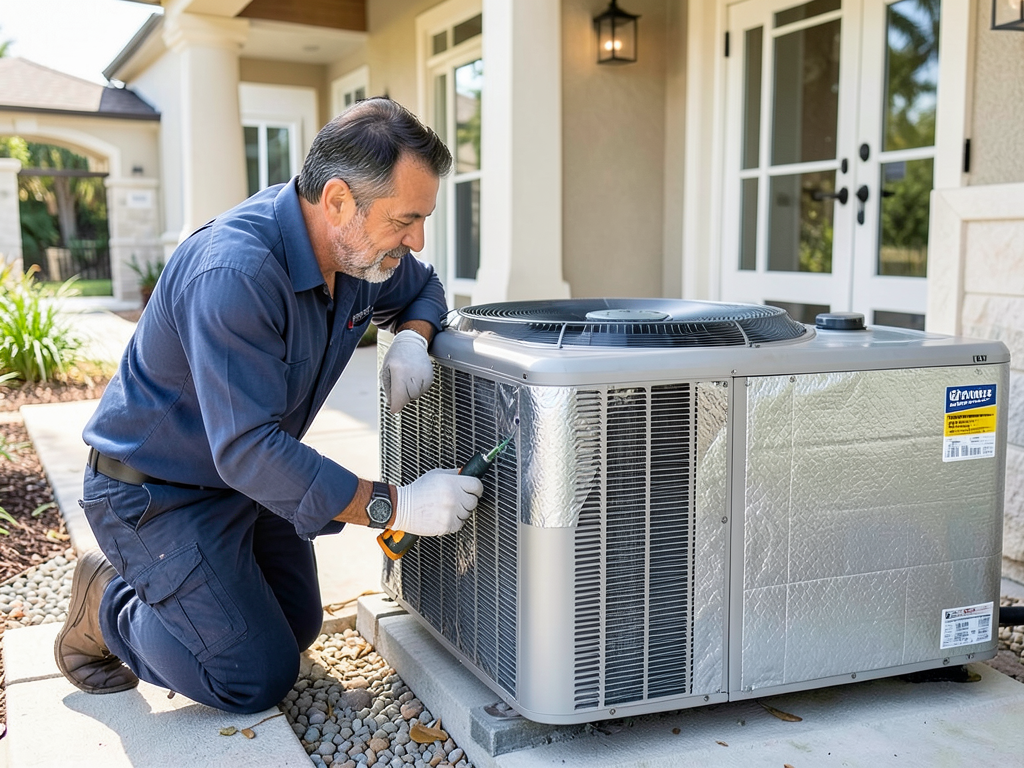
Silent AC Units for High End Homes in The Vineyard and Stone Oak
Living in The Vineyard and Stone Oak means enjoying spacious luxury homes and quiet, tree-lined streets. But when summer heat hits, the constant hum of an aging air conditioner can shatter that peaceful atmosphere. High-end homeowners in these neighborhoods are increasingly turning to ultra-quiet AC systems that deliver powerful cooling without the noise. The good news is that modern technology now offers variable-speed compressors, sound-dampening cabinets, and smart controls that keep your home cool and your evenings quiet. If you want to preserve the serene vibe of your upscale property while staying comfortable, this guide explains exactly what makes an AC unit silent and which systems are best for The Vineyard and Stone Oak. Stone Oak AC Repair Services That Can Actually Handle the Texas Heat.
How Modern AC Technology Achieves Whisper-Quiet Operation
Traditional single-stage air conditioners cycle on and off at full blast, creating loud startup noises and constant vibration. In contrast, variable-speed compressors adjust their output in small increments to match your home’s cooling needs. This means the unit runs longer at lower speeds, dramatically reducing noise levels. Most high-end silent units operate between 50 and 68 decibels, compared to older models that can exceed 80 dB. Manufacturers like Lennox, Carrier, and Trane now offer systems with insulated compressor compartments, composite base pans to absorb vibration, and aerodynamic fan blades that minimize air turbulence. The result is a system so quiet you might not even notice it’s running.
Comparing the Quietest AC Systems Available in 2026
When shopping for a silent AC unit, it helps to compare specific models and their noise ratings. Here’s how the top brands stack up:
| Brand & Model | Decibel Range (dB) | Compressor Type | Sound Reduction Features |
|---|---|---|---|
| Lennox XC25 | 47-60 | Variable-speed | Insulated cabinet, vibration dampeners |
| Carrier Infinity 19VS | 52-66 | Variable-speed | Sound blanket, composite base |
| Trane XV20i | 54-68 | Variable-speed | Sound-insulated panels, swept-wing fan |
| Ductless Mini-Split (Mitsubishi) | 49-63 | Inverter-driven | Multiple fan speeds, ultra-quiet mode |
Notice how the quietest models hover around 50 dB, which is quieter than a normal conversation. These systems also offer superior humidity control, which is critical in San Antonio’s muggy climate. If your home has open-concept living spaces or bedrooms near the outdoor condenser, choosing a low-decibel unit can make a dramatic difference in everyday comfort.
Why San Antonio’s Climate Demands Specialized Quiet Solutions
San Antonio’s combination of extreme heat and high humidity creates unique challenges for air conditioning. Most systems here run nearly continuously during summer, so any noise becomes a constant annoyance. The Vineyard and Stone Oak often feature larger homes with multiple stories, meaning longer duct runs and more powerful equipment. This can amplify vibration and sound transfer if not properly addressed. Homes in these areas also tend to have zero-lot-line setbacks, so a noisy condenser can disturb neighbors. That’s why professional installation with vibration isolation pads, sound barriers, and strategic unit placement is just as important as the equipment itself. A certified HVAC technician will also ensure your system is correctly sized using Manual J calculations to avoid short cycling, which both wastes energy and increases noise. ENERGY STAR certified air conditioners.
Installation Secrets for Maximum Noise Reduction
Even the quietest AC unit can become a nuisance if installed poorly. Here are the key steps a professional takes to ensure silent operation:
- Proper Sizing: Oversized units cool too quickly and shut off, causing temperature swings and excess noise. A correctly sized system runs longer, quieter cycles.
- Vibration Isolation: Rubber or spring isolation pads under the compressor prevent vibration from transferring to the building structure.
- Sound Blankets: Custom-fit acoustic blankets wrap the compressor, absorbing operational noise.
- Strategic Placement: Positioning the condenser away from bedroom windows and using landscaping or fencing as sound barriers can reduce perceived noise by several decibels.
- Sealed Ductwork: Leaky ducts cause the air handler to work harder, increasing noise. Proper sealing and insulation keep airflow smooth and quiet.
These steps align with the 2021 International Energy Conservation Code (IECC) requirements for HVAC efficiency and noise control in residential installations.
Additional Features That Enhance Quiet Comfort
Beyond the compressor, several design elements contribute to a silent AC system:
- Two-stage cooling: Runs on low speed most of the time, reducing noise and improving efficiency.
- Smart thermostats: Optimize run times and can activate ‘quiet mode’ during nighttime hours.
- ECM blower motors: Use electronically commutated motors that operate more quietly than traditional PSC motors.
- Composite fan blades: Designed to move air with less turbulence and noise.
Some luxury systems even include a ‘sleep mode’ that gradually raises the temperature overnight to reduce compressor run time, further minimizing noise while you rest.
Maintaining Your Silent AC System for Long-Term Quiet Performance
Regular maintenance is essential to keep your quiet AC running whisper-quiet. Dirty coils, loose panels, or worn bearings can all introduce new noises over time. A professional tune-up includes cleaning the condenser coils, checking refrigerant levels, tightening electrical connections, and lubricating moving parts. It’s also wise to inspect the vibration pads annually, as they can degrade and allow noise to transfer. In San Antonio’s dusty environment, changing filters every 1-2 months helps maintain both efficiency and quiet operation. If you notice a new rattle, hum, or buzz, don’t ignore it—small issues can quickly escalate into major problems. Commercial Maintenance Agreements.
Frequently Asked Questions
What decibel level is considered quiet for an outdoor AC unit?
A unit operating between 50 and 65 dB is considered very quiet. For reference, normal conversation is about 60 dB, while a vacuum cleaner is around 70 dB.
Are ductless mini-splits quieter than central AC systems?
Yes, many ductless mini-splits have indoor units that operate as low as 19 dB, making them extremely quiet. Outdoor units are also generally quieter than central system condensers.
Can I add soundproofing to my existing AC unit?
Sound blankets and vibration pads can be retrofitted to many existing units, but results vary. A professional assessment is recommended to determine the best solution.
How much more do quiet AC systems cost?
Variable-speed, ultra-quiet systems typically cost 15-30% more upfront than standard units, but they often pay for themselves through energy savings and increased comfort.
Will a quiet AC system qualify for local rebates?
Many high-efficiency systems that include noise-reduction features qualify for CPS Energy rebates in San Antonio. Check with your installer for current incentives.
Take the Next Step Toward Peaceful Comfort
Don’t let a noisy air conditioner disrupt the tranquility of your luxury home in The Vineyard or Stone Oak. Modern silent AC systems offer the perfect blend of powerful cooling, energy efficiency, and whisper-quiet operation. Whether you’re building new or upgrading an existing system, professional installation and maintenance are key to achieving true quiet comfort. Call (726) 259-0059 today to schedule a free in-home consultation and discover how you can enjoy cool, peaceful summers without the constant hum of an old AC unit. Your home deserves the best—experience the difference that silent comfort can make. For more information, visit ASHRAE HVAC standards.