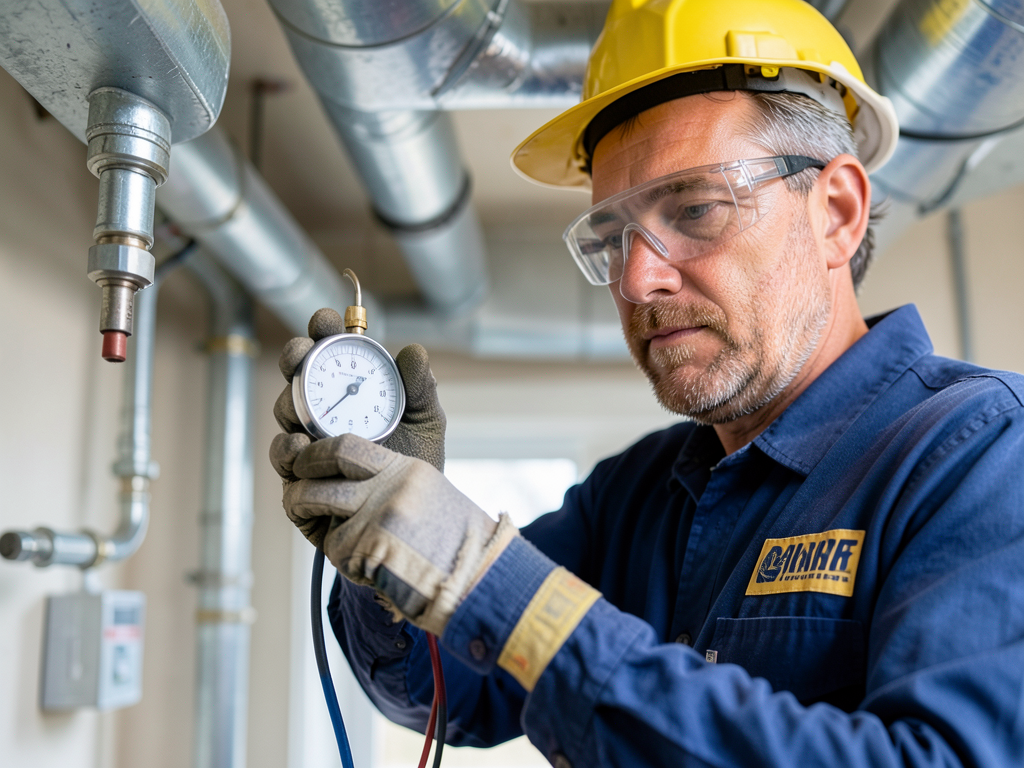







San Antonio requires active cooling from April through October, creating a seven-month operational season where commercial HVAC systems run continuously. This extended duty cycle accelerates wear on compressors, fans, and electrical components compared to moderate climates with shorter cooling seasons. Commercial buildings in high-traffic areas like the River Walk, Medical Center, or airport corridor operate HVAC systems year-round to maintain comfort in occupied spaces. Commercial HVAC maintenance plans must account for this constant operation by increasing inspection frequency and monitoring component wear patterns more aggressively than maintenance protocols designed for seasonal-use climates.
San Antonio commercial property managers understand that HVAC system reliability directly impacts tenant retention and property value. Buildings with documented preventive maintenance histories command higher lease rates and lower vacancy rates because prospective tenants recognize reduced operational risk. Local commercial real estate transactions increasingly require maintenance records as part of due diligence. Facilities with established commercial HVAC service contracts demonstrate professional asset management and reduce buyer risk during property transfers. This documentation becomes particularly valuable for multi-tenant buildings where HVAC performance affects multiple lease agreements and revenue streams across the property portfolio.