





menu

Make-Up Air Unit Services in San Antonio | Minimize Downtime with Industrial-Grade MUA Solutions

Titan HVAC Houston delivers commercial make-up air repair, MUA unit installation, and system maintenance designed to keep your San Antonio facility compliant, your workforce safe, and your operations uninterrupted.

Slider Image 1
Slider Image 2
Slider Image 3
Slider Image 4
Slider Image 5
Slider Image 7
Slider Image 8
Slider Image 9
Slider Image 10
Slider Image 11

Why San Antonio Commercial Kitchens and Industrial Facilities Cannot Afford MUA System Failures

Your make-up air unit is not optional. When exhaust hoods pull grease-laden air out of a commercial kitchen or fume extractors remove contaminants from a manufacturing floor, that air must be replaced. Without proper MUA unit installation, you create negative pressure. Doors become difficult to open. HVAC systems struggle. Carbon monoxide can backdraft into occupied spaces. The Texas Department of State Health Services mandates balanced air pressure in commercial kitchens, and OSHA requires safe indoor air quality in industrial environments.

San Antonio's climate adds complexity. Summer heat exceeds 95 degrees for weeks at a time, and your MUA system must condition incoming air to prevent thermal shock to kitchen staff or production workers. High humidity loads stress compressors and coils. Dust and pollen from the South Texas brush country clog filters faster than in other regions. A failing MUA unit does not just create discomfort. It creates liability.

Commercial MUA services are not reactive. You do not wait for a breakdown during dinner rush or a mid-shift shutdown on the production floor. You schedule MUA system maintenance before small issues become code violations or safety hazards. You replace aging units before they fail during your busiest season. Titan HVAC Houston provides commercial make-up air repair and make-up air unit replacement for facilities across the greater San Antonio metro, from restaurant groups in the Pearl District to food processing plants near Port San Antonio.

Why San Antonio Commercial Kitchens and Industrial Facilities Cannot Afford MUA System Failures
How We Deliver Commercial MUA Services That Meet Code and Maximize Uptime

How We Deliver Commercial MUA Services That Meet Code and Maximize Uptime

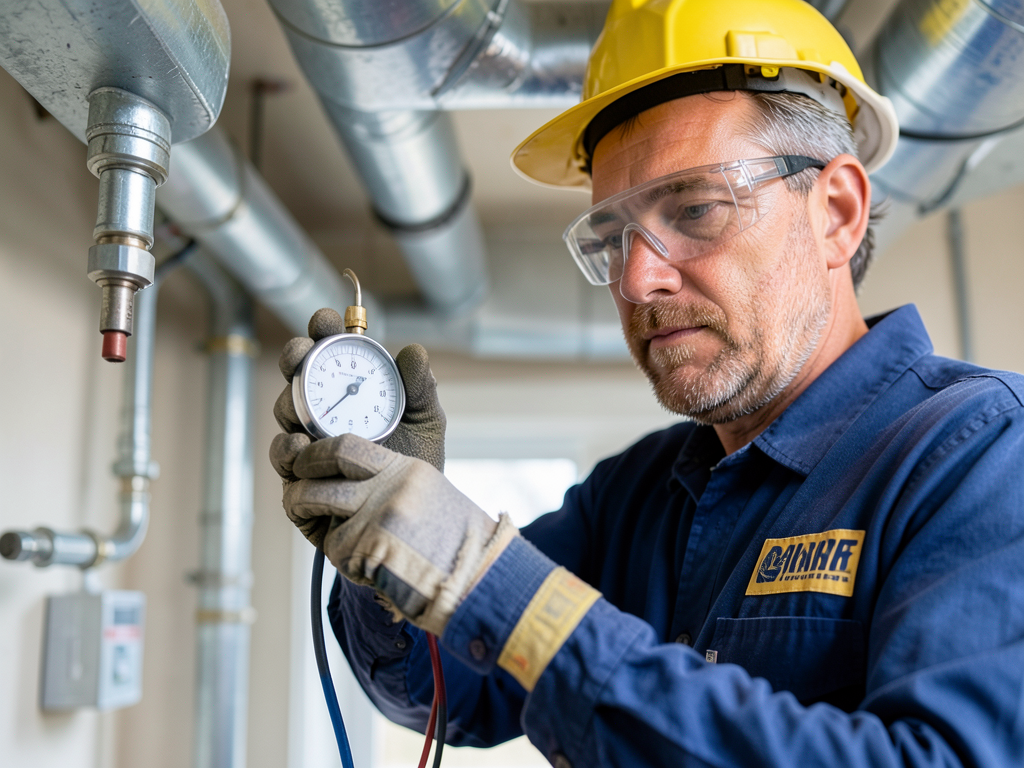
We do not treat make-up air systems like standard rooftop units. MUA equipment operates under different load profiles, handles larger CFM volumes, and integrates with exhaust hoods, dampers, and building automation systems. Our technicians measure static pressure differentials, verify damper actuator calibration, and test economizer sequences to confirm your system delivers the right volume of conditioned air at the right temperature.

During commercial make-up air repair, we inspect gas trains on direct-fired units, check burner igniters, and verify flame rollout sensors. On indirect-fired systems, we inspect heat exchangers for cracks and test refrigerant circuits. We replace worn belts, lubricate bearings, and check motor amp draw against nameplate ratings. We clean or replace filters based on pressure drop readings, not arbitrary schedules.

For MUA unit installation, we calculate the required CFM based on your exhaust hood makeup requirements, then factor in infiltration losses and the building envelope. We coordinate with your kitchen equipment supplier or industrial hygienist to ensure the system meets the specific demands of your operation. We size ductwork to minimize static pressure loss, select appropriate diffusers to prevent drafts in occupied zones, and configure controls to modulate airflow based on exhaust demand.

Titan HVAC Houston works with commercial clients who cannot afford downtime. We schedule service during off-hours or closed days. We stock common MUA components to avoid lead time delays. We provide temporary heating or cooling solutions if a major component requires replacement. Our goal is simple: keep your facility operational and compliant.

What Happens During a Commercial MUA System Service Call

Make-Up Air Unit Services in San Antonio | Minimize Downtime with Industrial-Grade MUA Solutions
01

Comprehensive System Diagnostics

We begin by measuring airflow at supply diffusers and exhaust hoods using calibrated manometers and anemometers. We compare actual CFM to design specifications. We test temperature rise across heat exchangers, check refrigerant pressures, and verify economizer damper operation. This diagnostic phase identifies performance gaps before they escalate into failures. We document findings with timestamped photos and pressure readings for your facility maintenance records.
02

Targeted Repairs and Adjustments

Based on diagnostic results, we perform necessary repairs. This includes replacing failed igniters, recalibrating gas valves, repairing refrigerant leaks, or replacing worn blower motors. We adjust belt tension, balance fan assemblies, and verify proper electrical phasing. For control issues, we reprogram damper actuators, recalibrate temperature sensors, and test interlock sequences with exhaust systems. Every adjustment is tested under load to confirm proper operation before we leave the site.
03

Verification and Documentation

We do not consider the job complete until we verify code compliance and system performance. We retest airflow, confirm temperature setpoints, and document static pressure readings across filters and coils. You receive a detailed service report with before and after measurements, photos of completed work, and recommended intervals for the next maintenance visit. For facilities with multiple MUA units, we provide a fleet-wide status summary to help you budget for future capital expenditures.

Why San Antonio Facilities Trust Titan HVAC Houston for MUA System Reliability

Commercial make-up air systems are not standard HVAC. They require technicians who understand combustion safety, airflow balancing, and the interaction between ventilation and building pressurization. Titan HVAC Houston trains our team on direct-fired and indirect-fired MUA equipment from manufacturers including Greenheck, CaptiveAire, and Accurex. We know how to troubleshoot modulating gas valves, diagnose economizer lockouts, and repair VFD-controlled supply fans.

San Antonio's mix of established restaurants, new food production facilities, and expanding industrial parks creates diverse MUA challenges. A taqueria in Southtown has different requirements than a pharmaceutical cleanroom near the Texas Research Park. We size systems appropriately, recommend energy-efficient upgrades, and ensure compliance with local mechanical codes enforced by the City of San Antonio Development Services Department.

We also understand the operational realities of running a commercial facility. You cannot afford a two-week lead time for a replacement blower motor. You cannot tolerate a technician who shows up unprepared or unfamiliar with your equipment. Titan HVAC Houston maintains an inventory of critical MUA components and dispatches technicians with the diagnostic tools and replacement parts needed to complete repairs in a single visit whenever possible.

Our approach to MUA system maintenance focuses on preventing failures, not just reacting to them. We track service history, monitor equipment age, and recommend proactive replacements before components fail during peak demand. We help you plan capital expenses and avoid emergency service premiums.

What to Expect When You Schedule Commercial MUA Services

Fast Response and Flexible Scheduling

We understand commercial operations run on tight schedules. Titan HVAC Houston offers service appointments during off-peak hours, overnight shifts, and weekends to minimize disruption. For urgent MUA system failures affecting occupant safety or code compliance, we dispatch a technician within hours, not days. Our service vehicles carry diagnostic equipment, common repair parts, and the technical documentation needed to service most commercial MUA brands. We coordinate with your facility manager or operations team to ensure work proceeds smoothly and safely around your staff and production schedules.

Thorough System Assessment and Transparent Recommendations

Every service call begins with a comprehensive evaluation. We test airflow, measure temperature differentials, inspect combustion components, and check electrical connections. We identify immediate safety concerns, performance deficiencies, and components nearing end of life. You receive a written assessment with repair options prioritized by urgency and impact on operations. We explain what each repair accomplishes, the expected timeline, and the cost. No upselling. No vague recommendations. Just clear, actionable information to help you make informed decisions about your MUA system.

Code-Compliant Repairs That Restore Full Performance

We do not patch problems. We fix them correctly. Repairs meet manufacturer specifications and comply with Texas mechanical codes. Gas line work adheres to NFPA 54 standards. Electrical connections follow NEC guidelines. Refrigerant handling complies with EPA Section 608 regulations. After completing repairs, we test the system under operating conditions to confirm proper airflow, temperature control, and safety interlocks. Your MUA unit leaves our hands functioning as designed, delivering the CFM your facility requires, and operating safely under all load conditions. You get a system you can rely on.

Ongoing Maintenance Plans and Equipment Monitoring

Reactive repairs cost more than preventive maintenance. Titan HVAC Houston offers scheduled MUA system maintenance agreements tailored to your equipment and operating hours. We perform quarterly or semi-annual inspections, replace filters on schedule, lubricate moving parts, and test safety controls. We track component wear and recommend replacements before failures occur. For multi-location operators or facilities with critical uptime requirements, we provide detailed maintenance logs and predictive service alerts. You gain budget predictability, extended equipment life, and reduced risk of unplanned downtime during your busiest periods.

Frequently Asked Questions

You Have Questions,
We Have Answers

What maintenance does a makeup air unit need? +

Makeup air units require quarterly filter inspections and replacements to handle San Antonio's high dust and pollen loads. Schedule biannual inspections of dampers, belts, and motor bearings. Check gas burners or heat exchangers annually for commercial kitchens with high exhaust demands. Clean intake louvers monthly to prevent debris buildup from nearby construction or landscaping. Verify damper operation to prevent negative pressure issues that compromise HVAC efficiency. In San Antonio's humid climate, inspect drainage systems for condensation management. Test airflow sensors and controls to maintain code-required air balance. Document all maintenance for health inspections and insurance compliance.

How much does it cost to have your AC unit serviced? +

Commercial AC service costs depend on system size, complexity, and contract terms. Basic preventive maintenance for rooftop units runs lower than comprehensive service plans covering multiple zones. San Antonio's extended cooling season increases wear, making proactive service more cost-effective than reactive repairs. Larger commercial systems require specialized technicians and equipment, affecting pricing. Service agreements often include priority emergency response and discounted parts. Budget separately for makeup air units, which have unique maintenance needs beyond standard HVAC. Most commercial properties benefit from quarterly service contracts that spread costs and minimize downtime during peak summer demand.

What is makeup air in HVAC? +

Makeup air is conditioned outside air introduced to replace air exhausted from commercial kitchens, labs, or manufacturing spaces. When powerful exhaust hoods remove large volumes, the building goes into negative pressure without makeup air. This causes doors to slam, HVAC inefficiency, and potential backdrafting of combustion gases. In San Antonio's climate, makeup air units temper incoming fresh air before introducing it to maintain comfort and meet code. These units can heat or cool to match indoor conditions. Commercial kitchens cannot operate legally without proper makeup air systems sized to match exhaust capacity and maintain required air changes.

What is the $5000 rule for HVAC? +

The 5000 rule addresses commercial HVAC repair decisions. If equipment age multiplied by repair cost exceeds 5000, replacement often makes better financial sense. A 15-year-old unit needing a 400-dollar compressor repair equals 6000, suggesting replacement. This applies to San Antonio commercial properties where aging equipment struggles with long cooling seasons and high humidity. Consider total lifecycle costs, energy efficiency gains, and business interruption risks. Newer units often include better humidity control and programmable features that reduce operating costs. Factor in remaining useful life, warranty coverage, and refrigerant phase-out regulations when applying this guideline to replacement decisions.

How often should you have your air unit serviced? +

Commercial air units need quarterly service minimum, with monthly checks during San Antonio's May through September peak cooling season. High-use environments like restaurants or data centers require monthly maintenance year-round. Schedule comprehensive inspections before summer heat arrives to prevent mid-season failures that halt business operations. Makeup air units serving commercial kitchens need monthly filter changes due to grease and particulate exposure. Rooftop units accumulate debris faster and require more frequent attention. Document all service for warranty compliance and liability protection. Preventive schedules reduce emergency calls, extend equipment life, and maintain energy efficiency that directly impacts operating costs.

What is the 3 minute rule for air conditioners? +

The 3-minute rule prevents compressor damage in commercial HVAC systems. After shutdown, wait three minutes before restarting to allow refrigerant pressures to equalize. Immediate restarts force the compressor to start against high head pressure, causing electrical strain and mechanical wear. Modern commercial units include delay timers, but manual resets or power restoration after outages can bypass this protection. In San Antonio's storm-prone climate, brief power interruptions are common. Train staff to wait before manually restarting units after power loss. This simple practice prevents compressor failure, which causes extended downtime and expensive emergency repairs that disrupt business operations.

Can I service my AC myself? +

Commercial AC systems require licensed technicians due to complexity, refrigerant regulations, and liability concerns. DIY maintenance on commercial equipment voids warranties and violates EPA regulations for refrigerant handling. Filter changes and basic cleaning are acceptable for facility managers, but compressor work, refrigerant service, and electrical repairs demand professional certification. San Antonio's commercial building codes require licensed contractors for HVAC modifications. Insurance policies often exclude coverage for damage from unauthorized service. Improper repairs create safety hazards and business interruption risks that far exceed service costs. Commercial systems involve multiple zones, controls, and safety interlocks that require specialized diagnostic equipment and training.

What is the average lifespan of an AC unit? +

Commercial AC units last 10 to 15 years with proper maintenance. San Antonio's extended cooling season and high humidity accelerate wear compared to milder climates. Rooftop units exposed to UV radiation and weather age faster than indoor equipment. Makeup air units in commercial kitchens face grease exposure that shortens lifespan without aggressive maintenance. Poor installation, deferred maintenance, or undersized systems fail earlier. Quality matters – commercial-grade equipment with proper sizing lasts longer than residential units adapted for light commercial use. Plan capital replacement budgets around 12-year cycles. Energy efficiency improvements often justify earlier replacement despite remaining useful life.

Is AC service cost tax deductible? +

AC service costs are tax deductible as ordinary business expenses for commercial properties in San Antonio. Routine maintenance, repairs, and service contracts qualify as deductible operating expenses in the year incurred. Major system replacements or upgrades may require depreciation over multiple years as capital improvements. Consult your CPA about distinguishing repairs from improvements under current tax code. Energy-efficient equipment upgrades may qualify for additional tax credits or accelerated depreciation under Section 179. Document all HVAC expenses separately for accurate tax reporting. Proper classification maximizes deductions and supports potential audits. Commercial property owners should track these costs to reduce taxable income.

Do I really need make up air? +

Yes, commercial kitchens and facilities with high exhaust volumes legally require makeup air to meet building codes. Without it, negative pressure causes HVAC inefficiency, uncomfortable drafts, and safety hazards from backdrafting. San Antonio's mechanical code requires makeup air when exhaust exceeds 400 CFM. Restaurants with powerful hood systems cannot pass health inspections without proper makeup air. The system pays for itself through reduced HVAC costs and improved comfort. Negative pressure makes doors difficult to open and pulls unconditioned air through every crack, wasting energy. Makeup air also improves indoor air quality by controlling ventilation rates rather than random infiltration.

How San Antonio's Heat and Humidity Impact Commercial MUA System Performance

San Antonio averages over 100 days above 90 degrees each year, with peak temperatures exceeding 100 degrees in July and August. When a commercial make-up air unit draws in outdoor air to replace kitchen or industrial exhaust, that air arrives hot and humid. A 10,000 CFM MUA system pulling in 95-degree air with 60 percent relative humidity must remove significant latent heat to prevent condensation and maintain comfortable indoor conditions. Undersized or poorly maintained systems struggle under this load, leading to high indoor humidity, mold growth, and compressor failures. San Antonio's extended cooling season also accelerates wear on blower motors, contactors, and capacitors compared to milder climates.

The City of San Antonio enforces the International Mechanical Code, which requires commercial kitchens to maintain balanced air pressure and provide tempered make-up air when exhaust volumes exceed 400 CFM. Facilities in Bexar County must pass mechanical inspections during construction and remain compliant during health department reviews. Titan HVAC Houston understands these local requirements and works with San Antonio building officials, health inspectors, and fire marshals to ensure your MUA system meets code. We know what inspectors look for, how to document compliance, and how to resolve deficiencies quickly if they arise during a routine inspection.
HVAC Services in The San Antonio Area

Patriot proudly serves San Antonio and surrounding communities with fast, reliable HVAC services. Use the map below to locate our service area and see if we’re available in your neighborhood. Whether you need a quick repair or full installation, we’re just a call away. Our mobile team is equipped and ready to meet you where you are. Count on Patriot for dependable service with a local touch.

Address:
Patriot HVAC San Antonio, 1100 Northwest Loop, San Antonio, TX, 91335

Additional Services We Offer

Our news updates

Latest Articles & News from The Blogs

Why Your AC Vents Are Whistling and How to Stop the Noise for Good That high-pitched whistle coming from your…

Why Your AC Vents Are Whistling and How to Stop the Noise for Good

Why Your AC Vents Are Whistling and How to Stop the Noise for Good That high-pitched whistle coming from your…

Why 72 Degrees Feels Different in San Antonio Than It Does Anywhere Else

Why 72 Degrees Feels Different in San Antonio Than It Does Anywhere Else When you set your thermostat to 72…

What Jefferson Terrace Homeowners Should Know About Older Ductwork and Modern Air Quality

What Jefferson Terrace Homeowners Should Know About Older Ductwork and Modern Air Quality \n\n Jefferson Terrace homes built in the…

Contact Us

Do not wait for a safety violation or a mid-shift breakdown. Call Titan HVAC Houston at (726) 259-0059 to schedule commercial make-up air repair, MUA unit installation, or system maintenance. We deliver the expertise and responsiveness your San Antonio facility requires.