





menu

Furnace Repair & Heating Service in San Antonio | Expert Diagnosis and Same-Day Solutions

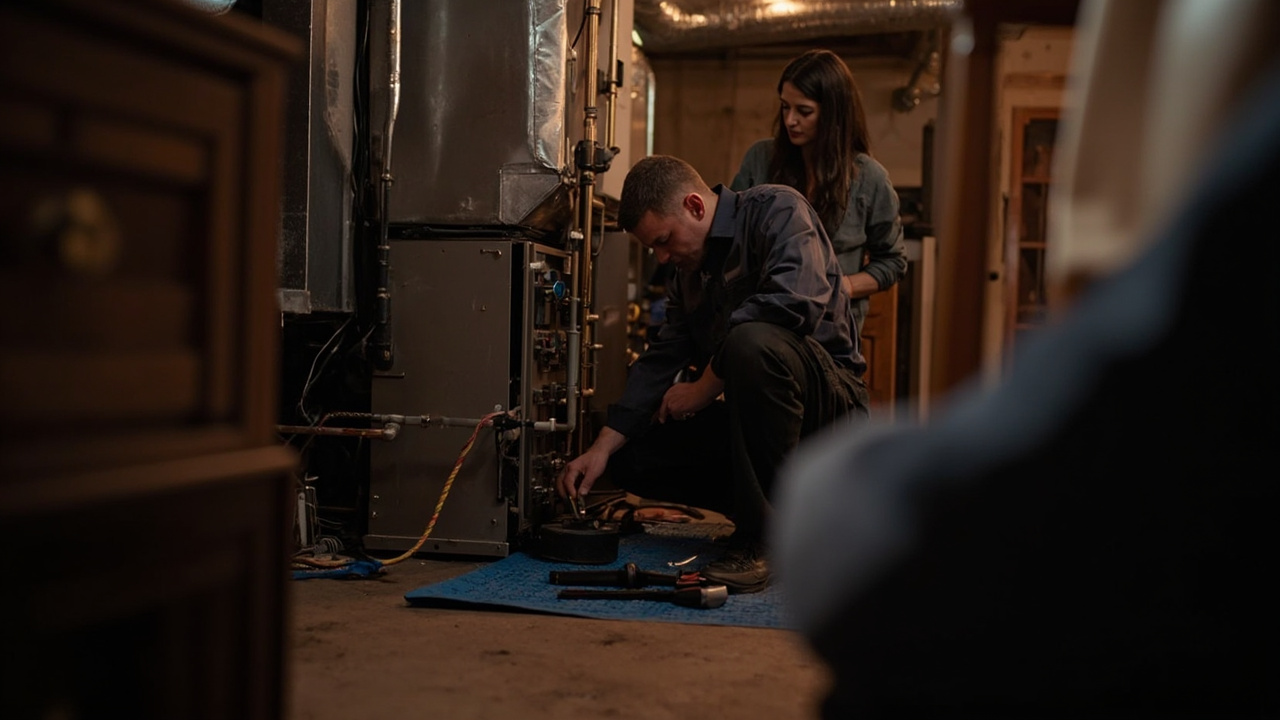
When your heating system fails during a cold snap, you need certified technicians who understand central heating maintenance and residential furnace repair specific to San Antonio's unique climate conditions.

Slider Image 1
Slider Image 2
Slider Image 3
Slider Image 4
Slider Image 5
Slider Image 7
Slider Image 8
Slider Image 9
Slider Image 10
Slider Image 11

Why San Antonio Heating Systems Face Unique Challenges

San Antonio's unpredictable winter weather creates specific problems for home heating systems. Temperatures can swing from 70 degrees to below freezing in 24 hours. Your furnace sits idle for months, then gets hit with sudden demand when a cold front arrives. This on-off cycle stresses ignition systems, heat exchangers, and blower motors.

The limestone-rich soil and high mineral content in local water supplies cause calcium buildup in humidifier pads and secondary heat exchangers. These deposits reduce efficiency and can trigger premature failures in condensing furnaces. Many homes in Alamo Heights and Terrell Hills run older systems with outdated thermostats that struggle to manage these temperature swings efficiently.

Dust from nearby ranch land and construction projects clogs air filters faster here than in other regions. When filters get restricted, your furnace works harder, cycling more frequently and wearing components faster. Blower motors overheat. Limit switches fail. Heat exchangers crack from thermal stress.

Heater repair services in San Antonio must account for these regional factors. A technician who understands local conditions knows to check for specific wear patterns. They inspect for cracked heat exchangers caused by rapid temperature cycling. They look for flame sensor corrosion from humidity. They test for proper airflow despite heavy dust loads.

Your heating system repair needs start with accurate diagnosis. Generic troubleshooting misses the root causes that affect San Antonio furnaces specifically. Proper residential furnace repair addresses both the immediate breakdown and the environmental factors that caused it.

Why San Antonio Heating Systems Face Unique Challenges
Our Systematic Approach to Heating System Repair

Our Systematic Approach to Heating System Repair

We start every service call with combustion analysis. This test measures flue gas temperature, oxygen levels, and carbon monoxide output. The data tells us if your heat exchanger is cracked, if the burners are dirty, or if the venting system has problems. Most companies skip this step. We consider it mandatory for safe operation.

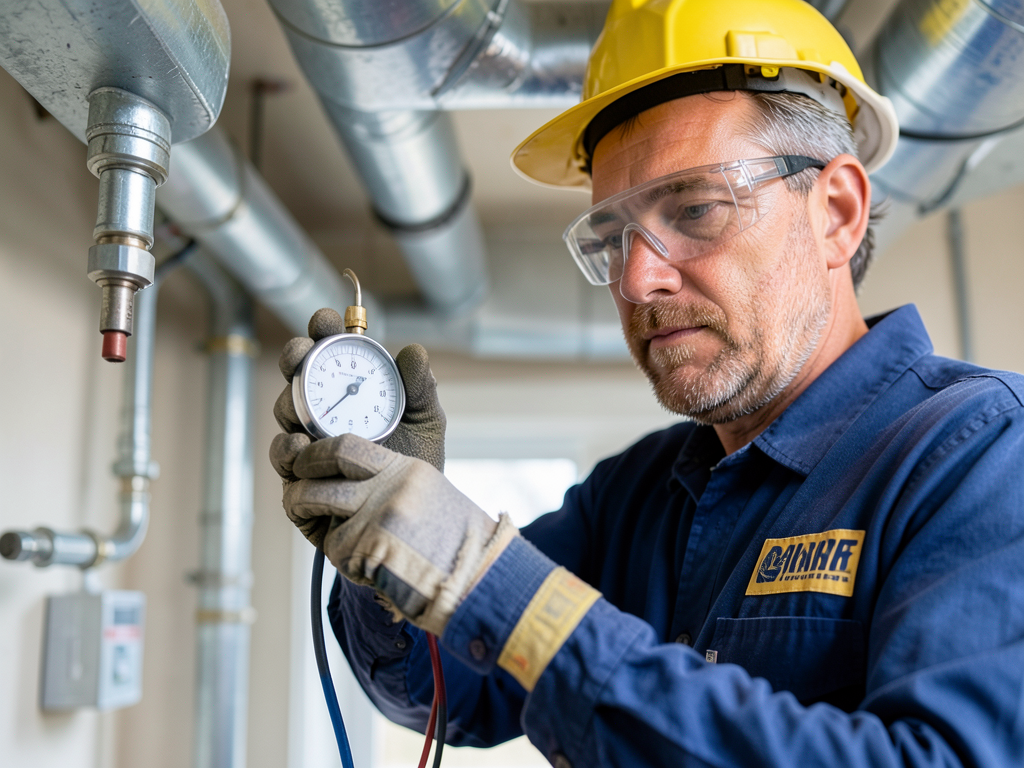
Next, we measure static pressure across the blower. This tells us if ductwork is undersized, if filters are restricting airflow, or if the blower motor is failing. Low airflow causes overheating. High static pressure shortens equipment life. We document these readings before and after service.

For ignition problems, we test flame rectification current. This measurement shows if your flame sensor is failing or if you have a weak ground connection. We check gas pressure at the manifold to verify proper input. If pressure is low, we inspect the gas valve and supply line. If it is high, we adjust the regulator or identify utility supply issues.

Central heating maintenance includes inspecting the condensate drain system. In San Antonio's humid climate, condensate lines get clogged with algae and mineral deposits. A blocked drain triggers a safety switch that shuts down your furnace. We clear the trap, flush the line, and treat it to prevent future growth.

Our technicians carry full diagnostic equipment, not just basic tools. We use manometers for pressure testing, multimeters for electrical diagnosis, and combustion analyzers for safety verification. This equipment separates professional home heating service from parts-changing guesswork. We fix the problem correctly the first time.

How We Handle Your Heating Emergency

Furnace Repair & Heating Service in San Antonio | Expert Diagnosis and Same-Day Solutions
01

Rapid Response Dispatch

When you call with no heat, we gather key details about your system. We ask about the furnace age, recent symptoms, and current thermostat readings. This information helps our technician arrive prepared with the right parts and tools. We dispatch within the hour for emergency calls and provide a specific arrival window so you are not left waiting.
02

Complete System Diagnosis

Our technician tests every safety control and operational component. We check flame sensor microamps, measure gas pressure at the manifold, and verify proper venting. We inspect the heat exchanger with a video scope for cracks. We test the blower motor amperage and capacitor values. This thorough approach identifies the actual problem, not just symptoms.
03

Transparent Repair Options

Before we repair anything, we explain what failed and why. We show you the problem when possible. We present repair options with honest guidance about whether the fix makes sense for your system's age and condition. Once you approve the work, we complete repairs efficiently and test full operation before we leave your home.

Why San Antonio Homeowners Choose Patriot HVAC San Antonio

Local expertise matters for furnace repair. National chains rotate technicians who lack familiarity with regional equipment trends and climate-specific failures. We have worked on thousands of systems across Alamo Heights, Stone Oak, and the Historic Districts. We know which furnace brands hold up best in this climate. We know which parts fail first in local conditions.

Our technicians understand San Antonio building codes and permitting requirements. When repairs involve gas line work or electrical modifications, we pull proper permits and schedule inspections. This protects your homeowner's insurance coverage and prevents problems during home sales. Many competitors skip this step to save time.

We stock parts for systems common to this area. When your 15-year-old Carrier furnace needs a pressure switch or your Trane unit needs an ignitor, we have it on the truck. This eliminates the delays that come with ordering parts. You get heat restored the same day instead of waiting days for shipping.

Our service area covers the entire San Antonio metro without trip charges or zone fees. Whether you live near The Rim or in Southtown, you pay the same rate. We do not penalize customers based on zip code.

Patriot HVAC San Antonio maintains relationships with local suppliers and building inspectors. This network helps us source hard-to-find parts quickly and navigate permitting efficiently. When you need a heating system repair that involves code compliance, our established reputation speeds the process.

We provide written documentation for every service call. You receive a detailed invoice showing exactly what we tested, what we found, and what we repaired. This record helps with warranty claims, insurance documentation, and future service planning.

What You Can Expect From Our Service

Fast Response Times

We prioritize emergency no-heat calls during cold weather. Most service calls receive same-day appointments. Our dispatch system provides real-time technician tracking so you know when to expect arrival. We respect your schedule by showing up within the confirmed time window. If we are running late, we call ahead. Our trucks carry extensive parts inventory, which means we complete most repairs in a single visit without return trips for components.

Thorough System Evaluation

Every service call includes a complete operational check, not just a quick fix of the obvious problem. We test thermostat calibration and wiring. We inspect electrical connections for corrosion or loose terminals. We check gas pressure and flame characteristics. We measure temperature rise across the heat exchanger to verify proper operation. This comprehensive approach catches developing problems before they cause breakdowns. We explain our findings in plain language and show you any failed components.

Quality Repair Work

We use OEM or equivalent-quality replacement parts, not cheap aftermarket components that fail quickly. Our technicians follow manufacturer specifications for installation and adjustment. After completing repairs, we run the system through multiple heating cycles to verify stable operation. We check for proper ignition, smooth flame pattern, and correct temperature output. We test all safety controls to confirm they function correctly. You get a system that operates reliably, not just one that temporarily works.

Ongoing Support Options

Our work comes backed by parts and labor coverage that protects your investment. We offer preventive maintenance plans that include annual inspections, priority service scheduling, and discounted repair rates. These plans catch small problems before they become expensive failures. Regular maintenance extends equipment life and maintains efficiency. We keep service records in our system so we can track your equipment history and anticipate common failure points for your specific furnace model and age.

Frequently Asked Questions

You Have Questions,
We Have Answers

What is the average cost to service a furnace? +

In San Antonio, a standard furnace service runs between $80 and $200, depending on system type and age. This covers inspection, filter replacement, and basic cleaning. If your technician finds worn parts like igniters or flame sensors, expect additional costs for replacement. Gas furnaces often need more frequent attention due to combustion components. Electric systems run slightly less. Schedule maintenance before winter hits to avoid emergency pricing. San Antonio's mild winters mean you can plan ahead without the urgency of northern climates, keeping costs predictable and manageable.

What is the $5000 rule for HVAC? +

The $5000 rule helps you decide between repair and replacement. Add your system's age to the repair cost. If the total exceeds $5000, replacement makes more financial sense. Example: a 12-year-old furnace needing a $500 repair totals $5500, suggesting replacement. A 6-year-old unit needing $800 in repairs totals $6800, still pointing toward replacement. This rule accounts for efficiency losses and future repair likelihood. In San Antonio's climate, where heating systems run fewer hours than cooling, age becomes even more critical than raw repair cost when making this decision.

What is the most common furnace failure? +

Dirty flame sensors cause most furnace failures in San Antonio homes. These safety devices detect whether your burner ignited properly. Dust and carbon buildup block the sensor's ability to read the flame, triggering shutdowns. Your furnace turns on, the burner fires briefly, then everything shuts off. This cycle repeats endlessly. The second most common failure involves cracked heat exchangers, which pose carbon monoxide risks. Limit switches fail frequently in older units. Regular filter changes prevent most sensor issues. San Antonio's dusty conditions accelerate buildup, making seasonal maintenance essential for reliable operation.

Is it cheaper to fix a furnace or replace it? +

Repairs cost less upfront but replacement saves more long-term if your furnace exceeds 15 years. A new heat exchanger runs $1200 to $2000 installed, while a complete system costs $3000 to $6000. If your unit needs multiple repairs within two years, replacement becomes cheaper. Factor in efficiency gains. Modern furnaces achieve 95% efficiency versus 60-70% for older San Antonio units. Your energy savings offset replacement costs over time. Consider repair for minor issues like thermostats or igniters. Choose replacement when major components fail or efficiency drops significantly.

What is the most expensive part to fix on a furnace? +

Heat exchangers represent the most expensive furnace repair, costing $1200 to $2500 installed. This component transfers combustion heat to your air supply. Cracks develop from metal fatigue and thermal stress over years. Since the heat exchanger defines your furnace's core function, replacement often approaches new system costs. Blower motors rank second at $400 to $600. Control boards run $300 to $500. Gas valves cost $200 to $400. In San Antonio, where furnaces run fewer cycles than northern climates, heat exchanger failure often signals end-of-life rather than premature wear.

What does a furnace service include? +

A complete furnace service includes filter inspection and replacement, burner cleaning, flame sensor cleaning, and safety control testing. Your technician checks gas pressure, inspects the heat exchanger for cracks, tests carbon monoxide levels, and verifies airflow. Electrical connections get tightened. The igniter and pilot assembly receive inspection. Flue pipes get checked for blockages. In San Antonio, technicians also inspect for dust infiltration that accelerates wear. The service ends with a combustion analysis to confirm efficiency. Expect a written report detailing findings and recommended repairs. This preventive work extends equipment life and prevents mid-season breakdowns.

Is HVAC system cost tax deductible? +

HVAC costs qualify for tax deductions only if you install qualifying energy-efficient equipment and claim the federal Energy Efficiency Home Improvement Credit. Standard repairs and replacements do not qualify as personal deductions. If you run a business from your San Antonio home, you might deduct a proportionate amount as a business expense. Consult a tax professional for specifics. Energy Star certified systems meeting efficiency thresholds may qualify for credits up to 30% of costs. Keep all receipts and manufacturer certifications. Standard maintenance and non-qualifying equipment offer no tax benefits under current federal guidelines.

What are signs my HVAC needs replacing? +

Your HVAC needs replacement when repairs become frequent, energy bills spike without usage changes, or rooms heat unevenly. Strange noises like grinding or squealing signal worn components. If your system struggles to reach thermostat settings during mild San Antonio winters, efficiency has dropped significantly. Age matters. Systems older than 15 years face increasing failure risk. Watch for rust on your heat exchanger or yellow burner flames instead of blue, indicating combustion problems. Constant cycling or failure to start point to control failures. Multiple repairs within 18 months strongly suggest replacement makes financial sense.

What is the average lifespan of an HVAC? +

Furnaces last 15 to 20 years with proper maintenance. Air conditioning units typically last 12 to 15 years. In San Antonio, where cooling dominates and heating sees lighter use, furnaces often reach the upper end of this range while AC units wear faster from constant summer operation. Heat pumps last 10 to 15 years due to year-round operation. Installation quality affects longevity significantly. Systems in dusty environments or those skipping annual maintenance fail earlier. Oversized or undersized equipment shortens lifespan through excessive cycling. Regular filter changes and professional tune-ups maximize your investment and prevent premature replacement costs.

Which brand of furnace is most reliable? +

Carrier, Trane, and Lennox consistently rank as the most reliable furnace brands for San Antonio installations. Carrier offers solid mid-range reliability with widespread parts availability. Trane builds heavy-duty components that handle Texas temperature swings well. Lennox provides excellent efficiency ratings and quiet operation. Rheem and Goodman offer budget-friendly reliability for cost-conscious homeowners. Brand matters less than proper sizing and professional installation. An oversized premium brand fails faster than a correctly sized mid-tier unit. Focus on AFUE ratings above 90%, warranty coverage, and local service availability when selecting your furnace for San Antonio's specific climate demands.

How San Antonio's Climate Extremes Accelerate Furnace Wear

San Antonio furnaces experience more thermal cycling than systems in consistently cold climates. When outdoor temperatures drop from 65 to 28 degrees overnight, your heating system switches from idle to full demand instantly. This shock loading stresses heat exchangers, causing metal fatigue and eventual cracking. The high humidity during mild periods creates condensation inside inactive flue pipes, leading to rust and deterioration. These combined factors mean residential furnace repair needs occur more frequently here than in regions with stable winter weather. Your heating system needs service from technicians who recognize these patterns.

Local building codes in San Antonio require specific venting standards for gas furnaces, particularly in newer construction. Many older homes still operate with undersized return ducts or improperly sealed ductwork in unconditioned attics. These installation deficiencies compound the stress from climate cycling. Patriot HVAC San Antonio understands the relationship between code compliance, proper installation, and system longevity. Our heater repair services address both the immediate failure and the underlying installation issues that accelerate wear. This comprehensive approach prevents repeat failures and extends equipment life.
HVAC Services in The San Antonio Area

Patriot proudly serves San Antonio and surrounding communities with fast, reliable HVAC services. Use the map below to locate our service area and see if we’re available in your neighborhood. Whether you need a quick repair or full installation, we’re just a call away. Our mobile team is equipped and ready to meet you where you are. Count on Patriot for dependable service with a local touch.

Address:
Patriot HVAC San Antonio, 1100 Northwest Loop, San Antonio, TX, 91335

Additional Services We Offer

Our news updates

Latest Articles & News from The Blogs

Why Your AC Vents Are Whistling and How to Stop the Noise for Good That high-pitched whistle coming from your…

Why Your AC Vents Are Whistling and How to Stop the Noise for Good

Why Your AC Vents Are Whistling and How to Stop the Noise for Good That high-pitched whistle coming from your…

Why 72 Degrees Feels Different in San Antonio Than It Does Anywhere Else

Why 72 Degrees Feels Different in San Antonio Than It Does Anywhere Else When you set your thermostat to 72…

What Jefferson Terrace Homeowners Should Know About Older Ductwork and Modern Air Quality

What Jefferson Terrace Homeowners Should Know About Older Ductwork and Modern Air Quality \n\n Jefferson Terrace homes built in the…

Contact Us

Do not spend another night without reliable heat. Call Patriot HVAC San Antonio at (726) 259-0059 for fast, professional furnace repair. We provide same-day service, transparent pricing, and repairs that last. Our technicians are ready to diagnose and fix your heating system now.