






menu

HVAC Maintenance & Tune-Ups in San Antonio – Protect Your System From Texas Heat and Humidity Damage

Comprehensive heating and cooling tune ups designed for San Antonio's demanding climate, preventing breakdowns during summer peaks and winter cold snaps when you need your system most.

Slider Image 1
Slider Image 2
Slider Image 3
Slider Image 4
Slider Image 5
Slider Image 7
Slider Image 8
Slider Image 9
Slider Image 10
Slider Image 11

Why San Antonio HVAC Systems Fail Without Regular Maintenance

San Antonio's climate punishes HVAC systems harder than most regions in Texas. Your air conditioner runs 8 to 10 months per year, fighting temperatures that regularly hit 100 degrees and humidity that sits between 60 and 80 percent. This constant load creates wear patterns you will not find in milder climates.

The Hill Country limestone dust that blows through the area during dry months clogs your condensate lines and coats your evaporator coils. When the humidity spikes after rain, that dust turns into a paste that restricts airflow and forces your compressor to work harder. Without seasonal HVAC check ups, this cycle degrades efficiency by 15 to 25 percent before you notice a problem.

Most San Antonio homes sit on expansive clay soil that shifts with moisture changes. These foundation movements stress refrigerant lines and ductwork connections, creating slow leaks that gradually reduce cooling capacity. You might not notice the decline until your system fails completely during a July heatwave when repair wait times stretch to days.

HVAC preventative maintenance addresses these specific threats before they become expensive failures. A proper heating and cooling tune up includes condensate line flushing, refrigerant pressure testing, electrical connection inspection, and airflow measurement. These services catch the early warning signs that lead to compressor failure, blower motor burnout, and control board damage.

Regular AC and furnace maintenance also protects your warranty coverage. Most manufacturers require documented annual HVAC system inspections to honor claims, and a $150 tune up saves you from a $6,000 replacement that insurance will not cover because you skipped maintenance.

Why San Antonio HVAC Systems Fail Without Regular Maintenance
The Patriot HVAC San Antonio Maintenance Protocol

The Patriot HVAC San Antonio Maintenance Protocol

Our HVAC system inspection follows a 42-point checklist developed specifically for South Texas operating conditions. We do not use generic national maintenance protocols because San Antonio systems face unique stressors that require specialized attention.

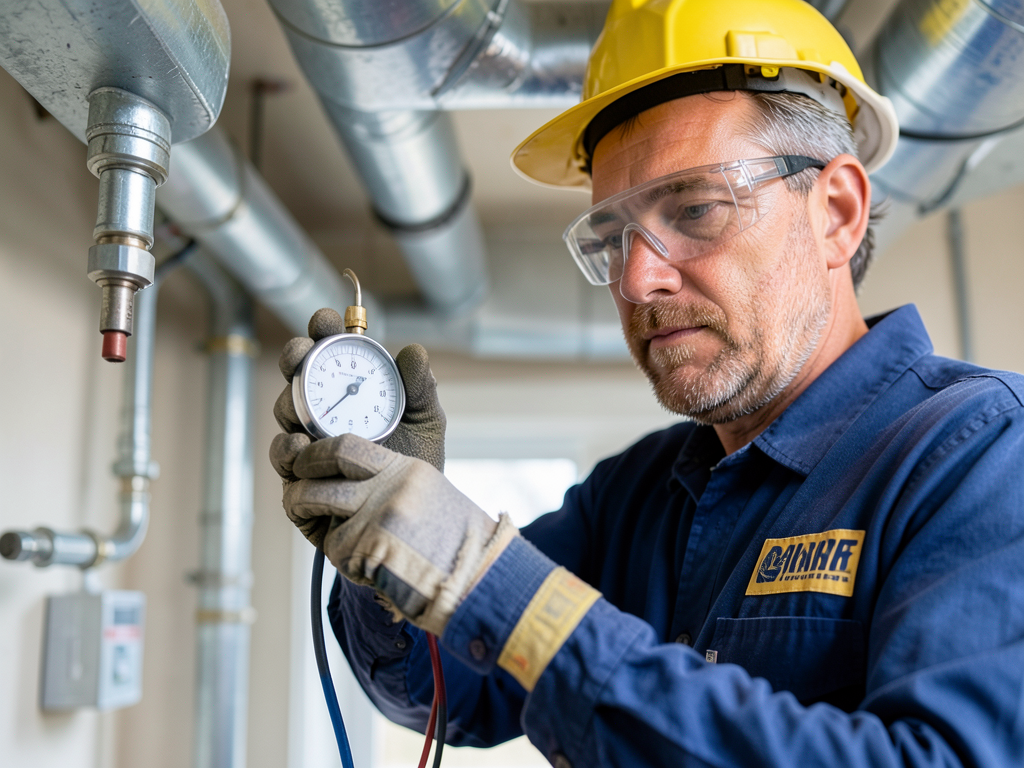
We start with refrigerant charge verification using digital manifold gauges, not the simple pressure checks that miss subcooling and superheat imbalances. San Antonio's temperature swings between morning and afternoon can mask charge issues if you only check static pressure. We measure both liquid line and suction line temperatures to verify your system holds the exact charge your compressor needs for efficient operation.

Next, we perform amperage draws on all motors under load. Your blower motor might start fine but pull excessive current due to bearing wear, which increases your electric bill and shortens motor life. We compare actual amp draw against the nameplate rating to catch motors that are failing but have not quit yet.

Our condensate system service goes beyond pouring bleach in the pan. We use a wet-dry vacuum to clear the entire drain line, then pressure test it to verify proper pitch and flow. San Antonio's humidity produces gallons of condensate daily, and a partially blocked line will overflow into your ceiling or walls before you know there is a problem.

We also inspect all ductwork connections in accessible areas, looking for the separation that occurs when foundations shift. A 15 percent duct leak can cost you $40 per month in wasted cooling, and we find these leaks in about 60 percent of San Antonio homes older than 10 years.

The final step involves capacitor testing under actual operating load. Capacitors degrade in Texas heat, and a weak start capacitor forces your compressor to hard-start every cycle, dramatically shortening its lifespan.

What Happens During Your Tune Up

HVAC Maintenance & Tune-Ups in San Antonio – Protect Your System From Texas Heat and Humidity Damage
01

System Performance Testing

We arrive with diagnostic equipment and run your system through a complete cooling or heating cycle while measuring actual performance data. This includes supply and return air temperature split, static pressure across the blower, and voltage at the condensing unit. We compare these measurements against factory specifications to identify efficiency losses that increase your operating costs without causing obvious symptoms.
02

Component Service and Cleaning

After diagnosing current performance, we clean your evaporator coil, condenser coil, and blower wheel using specialized cleaners that remove the biological growth San Antonio humidity creates. We lubricate all motor bearings that have oil ports, tighten electrical connections that loosen from thermal cycling, and replace your air filter. This service directly addresses the dust and humidity issues that degrade San Antonio systems faster than national averages suggest.
03

Detailed Reporting and Recommendations

You receive a written report showing before and after performance measurements, photos of any problem areas we found, and prioritized recommendations for repairs or improvements. We explain which items need immediate attention and which you can schedule for later. This documentation also satisfies manufacturer warranty requirements and provides a maintenance history that increases your home's value when you sell.

Why San Antonio Homeowners Choose Patriot HVAC for Maintenance

San Antonio has hundreds of HVAC contractors, but most use the same rushed 20-minute maintenance visit that misses the problems that actually matter in our climate. They change your filter, spray your coils with a garden hose, and check refrigerant pressure with a single gauge. That approach does not catch the specific failures that South Texas conditions create.

We built our maintenance protocol by analyzing the actual failure patterns we see in San Antonio systems. Condensate line clogs cause more emergency calls in our service area than any other single issue, so we spend extra time on drain line service. Foundation movement damages more ductwork here than in cities with stable soil, so we inspect accessible duct connections others ignore.

Our technicians also understand local building codes and how they have changed over the decades. Homes built in different eras of San Antonio's growth have different duct designs, insulation standards, and equipment sizing approaches. A 1980s home in Alamo Heights has different maintenance needs than a 2015 build in Stone Oak, and we adjust our service accordingly.

We also coordinate with San Antonio's seasonal weather patterns. Spring maintenance prepares your air conditioner before the brutal summer load begins. Fall maintenance ensures your furnace fires safely after sitting unused for eight months and your heat pump switches modes properly when those surprise December cold fronts arrive.

Most importantly, we explain what we find in terms you can understand and use to make decisions. We do not push unnecessary repairs or use scare tactics about minor issues. If your system needs a $2,000 compressor, we tell you whether repair makes sense given the age and condition of your unit, or if replacement is the smarter investment.

What Your Maintenance Visit Includes

Service Timing and Availability

A complete heating and cooling tune up takes 90 minutes to two hours depending on your system configuration and accessibility. We schedule maintenance appointments in two-hour windows to give our technicians time to perform thorough work without rushing. We offer early morning and evening appointments for homeowners who work during the day, and we schedule spring maintenance visits starting in March before the summer rush begins. Fall maintenance opens in October when temperatures drop and heating becomes necessary.

Comprehensive System Assessment

Your technician inspects every accessible component of your heating and cooling system, including the indoor air handler or furnace, outdoor condensing unit, thermostat, and visible ductwork. We use digital thermometers, amp meters, and refrigerant gauges to measure actual performance, not just visual condition. This assessment identifies problems in their early stages when repair costs remain low and you can schedule the work at your convenience rather than during an emergency failure.

Performance Results You Can Measure

After service, your system runs at peak efficiency with proper airflow, correct refrigerant charge, and clean heat exchange surfaces. Most customers notice lower electric bills within the first month, quieter operation, and more consistent temperatures throughout their home. Your equipment also lasts longer because it does not work as hard to maintain comfort. The average well-maintained San Antonio HVAC system runs 15 to 18 years compared to 10 to 12 years for neglected units.

Ongoing Support and Priority Service

Maintenance customers receive priority scheduling if they need emergency repairs and extended labor warranties on any service work we perform. We also maintain your maintenance history in our system, so future technicians can see what work was done and when, which speeds diagnosis if problems develop. We send automatic reminders when your next seasonal tune up is due, and we offer maintenance agreement plans that reduce your per-visit cost while ensuring you never miss a critical service interval.

Frequently Asked Questions

You Have Questions,
We Have Answers

What does a HVAC tune-up include? +

A HVAC tune-up includes a full system inspection, cleaning of the evaporator and condenser coils, checking refrigerant levels, testing thermostat accuracy, inspecting electrical connections, lubricating moving parts, replacing or cleaning air filters, checking the condensate drain, and testing safety controls. In San Antonio's high humidity climate, technicians pay extra attention to drainage systems and coil cleanliness since moisture buildup can cause mold growth and reduce efficiency. The tune-up ensures your system runs efficiently during brutal summer heat when AC units work overtime. This preventive service catches small issues before they become expensive failures.

How much should a HVAC tune-up cost? +

HVAC tune-up costs vary by system type, but expect to pay between market rates for residential service in San Antonio. Costs depend on your unit's age, accessibility, and whether you need a furnace tune-up, AC tune-up, or both. Many San Antonio companies offer seasonal maintenance agreements that bundle tune-ups with priority service and discounts on repairs. Given our extreme summer temperatures that push AC systems to their limits for six months straight, investing in regular maintenance pays off through lower energy bills and fewer emergency breakdowns during peak season.

What is the $5000 rule for HVAC? +

The $5000 rule helps you decide between repairing or replacing your HVAC unit. Multiply your system's age by the repair cost. If the result exceeds $5000, replacement makes better financial sense than repair. For example, if your 12-year-old unit needs a $500 repair, that equals $6000, suggesting replacement is smarter. In San Antonio's punishing heat, older AC units lose efficiency quickly. This rule prevents throwing money at aging equipment that will fail again soon. Consider that newer high-efficiency units can cut your cooling costs significantly in our climate where AC runs nearly year-round.

Is a HVAC tune-up worth it? +

A HVAC tune-up is absolutely worth it in San Antonio. Our extreme summer heat forces AC systems to run constantly from May through October, creating intense wear. Regular tune-ups reduce energy consumption by up to 15 percent, extend equipment lifespan by years, and prevent emergency breakdowns during 100-degree days when you need cooling most. The cost of one tune-up is far less than a single emergency repair or premature system replacement. San Antonio's humidity also accelerates mold growth and corrosion inside units. Preventive maintenance catches these issues early, protecting your indoor air quality and system longevity.

What is the average cost of a full tune up? +

A full HVAC tune-up typically costs between standard market rates in San Antonio for a comprehensive service covering both heating and cooling components. This includes cleaning, testing, adjusting, and inspecting all major system parts. Prices vary based on your unit size, system complexity, and whether you have a heat pump, gas furnace, or dual-fuel setup. San Antonio providers often charge less if you purchase an annual maintenance plan covering two visits per year. The investment pays back through improved efficiency and reliability, which matters tremendously when your AC runs nearly nonstop through long Texas summers.

How often should I get an HVAC tune up? +

You should get an HVAC tune-up twice per year in San Antonio. Schedule AC maintenance in spring before cooling season begins, and heating system maintenance in fall before winter. Our climate demands this frequency because AC units run intensely for extended periods, accumulating dust, debris, and humidity-related issues faster than in moderate climates. Twice-yearly service ensures your system stays efficient when you need it most. If you have allergies or pets, more frequent filter changes between professional visits help maintain air quality. Regular maintenance prevents the costly breakdowns that always seem to happen during the hottest days.

How long does an HVAC tune up take? +

A thorough HVAC tune-up takes 60 to 90 minutes for a standard residential system. The duration depends on your unit's age, condition, accessibility, and whether you need service on one system or both heating and cooling components. If the technician discovers issues requiring deeper cleaning or minor adjustments, the visit may extend longer. In San Antonio, expect technicians to spend extra time on condensate drains and coils due to our humidity. A rushed tune-up misses problems. Quality technicians take the time needed to inspect everything properly, which protects you from surprise failures during peak season.

What is the 3 minute rule for AC? +

The 3-minute rule for AC prevents compressor damage by requiring at least three minutes between on-off cycles. When your AC shuts off, refrigerant pressure needs time to equalize throughout the system. Restarting too quickly forces the compressor to start under high pressure, causing excessive wear and potential failure. Modern thermostats and AC units have built-in delay timers to enforce this rule automatically. In San Antonio's heat, your system cycles frequently, making this protection critical. If your AC short-cycles, turning on and off rapidly without completing full cooling cycles, call a technician immediately because this indicates a serious problem.

What is the most expensive part in an HVAC unit? +

The compressor is the most expensive HVAC component, often costing thousands to replace on its own. This vital part pressurizes and circulates refrigerant through your system, making cooling possible. In San Antonio's extreme heat, compressors work harder and longer than in moderate climates, increasing failure risk. Other expensive components include the evaporator coil, condenser coil, and air handler. When a major component fails on an older system, the $5000 rule helps determine if replacement makes better sense than repair. Regular tune-ups extend compressor life by keeping refrigerant levels correct and reducing strain on the motor.

What is the average lifespan of an HVAC? +

The average HVAC lifespan is 15 to 20 years with proper maintenance, but San Antonio's climate shortens this timeframe. Our brutal summer heat forces AC systems to run nearly year-round, accelerating wear. Units that receive annual tune-ups, prompt repairs, and regular filter changes reach the upper end of this range. Neglected systems often fail at 10 to 12 years. High humidity also corrodes components faster. If your system exceeds 15 years and needs frequent repairs, replacement becomes more economical. Newer high-efficiency models significantly reduce cooling costs, which matters tremendously when your AC runs constantly for half the year.

How San Antonio's Edwards Aquifer Recharge Zone Affects Your HVAC Condensate Management

San Antonio sits above the Edwards Aquifer recharge zone, which makes proper condensate disposal both an environmental responsibility and a code requirement in many areas. Your air conditioner produces 5 to 20 gallons of water daily during summer operation, and this condensate must drain to an approved location. Many older San Antonio homes have condensate lines that terminate incorrectly or have deteriorated over time. During seasonal HVAC check ups, we verify your condensate system complies with current regulations and drains away from your foundation to prevent the soil expansion issues that damage slab foundations throughout Bexar County.

Our familiarity with San Antonio's specific building codes and inspection requirements means your maintenance service addresses the details local inspectors care about if you sell your home or need permits for renovations. We understand how different neighborhoods from Terrell Hills to Leon Valley have different age-related system characteristics, and we have seen how systems perform in every part of the metro area. This local knowledge helps us predict which components will fail next based on your home's age and location, giving you time to plan for repairs before you face an emergency.

HVAC Services in The San Antonio Area

Patriot proudly serves San Antonio and surrounding communities with fast, reliable HVAC services. Use the map below to locate our service area and see if we’re available in your neighborhood. Whether you need a quick repair or full installation, we’re just a call away. Our mobile team is equipped and ready to meet you where you are. Count on Patriot for dependable service with a local touch.

Address:
Patriot HVAC San Antonio, 1100 Northwest Loop, San Antonio, TX, 91335

Additional Services We Offer

Our news updates

Latest Articles & News from The Blogs

Why Your AC Vents Are Whistling and How to Stop the Noise for Good That high-pitched whistle coming from your…

Why Your AC Vents Are Whistling and How to Stop the Noise for Good

Why Your AC Vents Are Whistling and How to Stop the Noise for Good That high-pitched whistle coming from your…

Why 72 Degrees Feels Different in San Antonio Than It Does Anywhere Else

Why 72 Degrees Feels Different in San Antonio Than It Does Anywhere Else When you set your thermostat to 72…

What Jefferson Terrace Homeowners Should Know About Older Ductwork and Modern Air Quality

What Jefferson Terrace Homeowners Should Know About Older Ductwork and Modern Air Quality \n\n Jefferson Terrace homes built in the…

Contact Us

Do not wait until your system fails during the hottest week of summer. Call Patriot HVAC San Antonio at (726) 259-0059 to schedule your heating and cooling tune up now. We offer same-week appointments and can service any residential HVAC brand or model.