





menu

Signs of Carbon Monoxide in San Antonio – Recognize Warning Signs Before They Become Fatal

Learn to identify carbon monoxide symptoms, carbon monoxide poisoning symptoms, and indicators of carbon monoxide in your home before this silent killer puts your family at risk.

Slider Image 1
Slider Image 2
Slider Image 3
Slider Image 4
Slider Image 5
Slider Image 7
Slider Image 8
Slider Image 9
Slider Image 10
Slider Image 11

Why San Antonio Residents Face Hidden Carbon Monoxide Risks

Carbon monoxide kills because you cannot see it, smell it, or taste it. In San Antonio, the risk increases during winter months when residents seal windows and run heating systems continuously. The combination of older HVAC equipment common in neighborhoods like Alamo Heights and Monte Vista, plus the extended heating season caused by unpredictable cold snaps, creates dangerous conditions.

Carbon monoxide symptoms appear when incomplete combustion occurs in gas furnaces, water heaters, or space heaters. Your body replaces oxygen in your blood with carbon monoxide, starving your organs and brain. Early carbon monoxide warning signs mimic the flu: headaches, dizziness, nausea, and fatigue. You might blame allergies from San Antonio's oak pollen or assume you caught a bug. That mistake can be fatal.

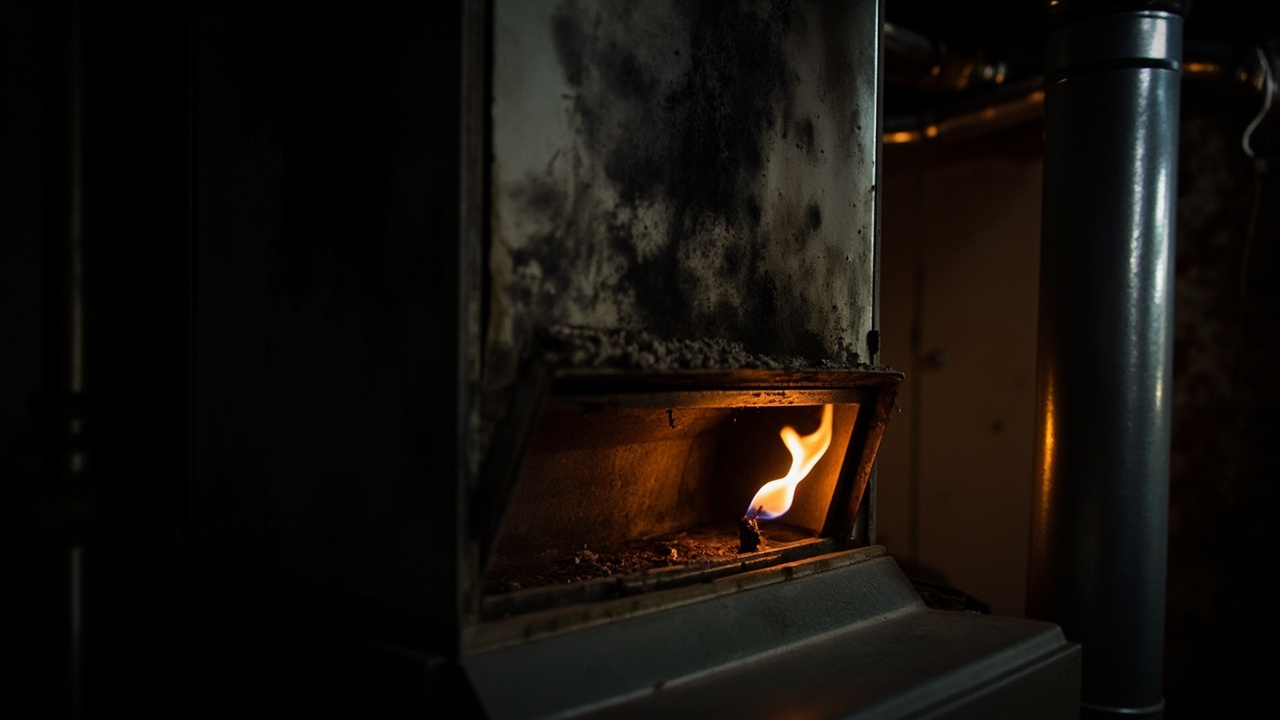
Signs of a carbon monoxide leak often go unnoticed until multiple family members feel sick simultaneously. Pets may show distress first because their smaller bodies absorb the gas faster. You might notice your pilot light burning yellow instead of blue, or excessive moisture on windows and walls. These indicators of carbon monoxide demand immediate action.

San Antonio's housing stock presents specific challenges. Many homes in historic districts use original gas furnaces or have outdated ventilation systems. Homes built before 1980 often lack proper combustion air supply. When you add modern insulation and energy-efficient windows without upgrading ventilation, you trap carbon monoxide inside. The clay soil shifts foundations, which can crack heat exchangers in furnaces and create leak points. Carbon monoxide poisoning symptoms escalate quickly from mild discomfort to unconsciousness, brain damage, or death within hours.

Why San Antonio Residents Face Hidden Carbon Monoxide Risks
How Carbon Monoxide Enters Your Home and What Stops It

How Carbon Monoxide Enters Your Home and What Stops It

Carbon monoxide forms when fuel burns without enough oxygen. Your gas furnace, water heater, dryer, or stove produces this gas during normal operation. Proper ventilation moves it safely outside through flue pipes and exhaust vents. Problems start when equipment malfunctions or venting fails.

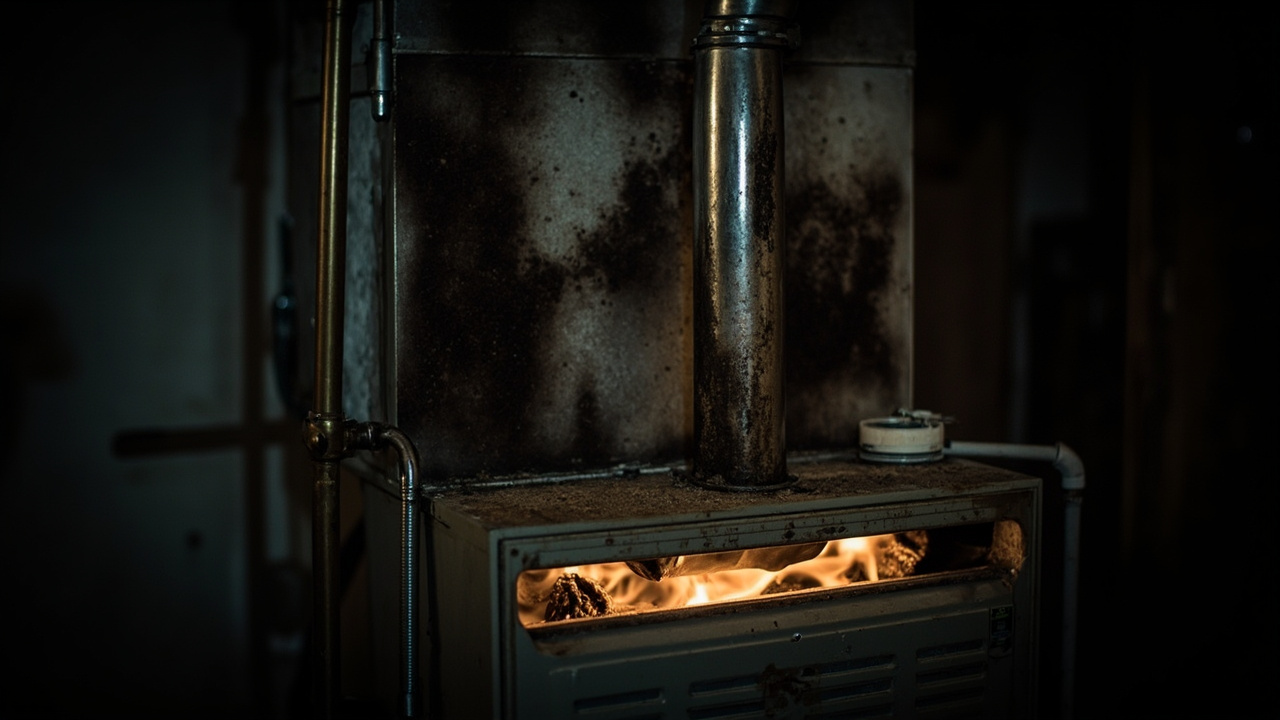
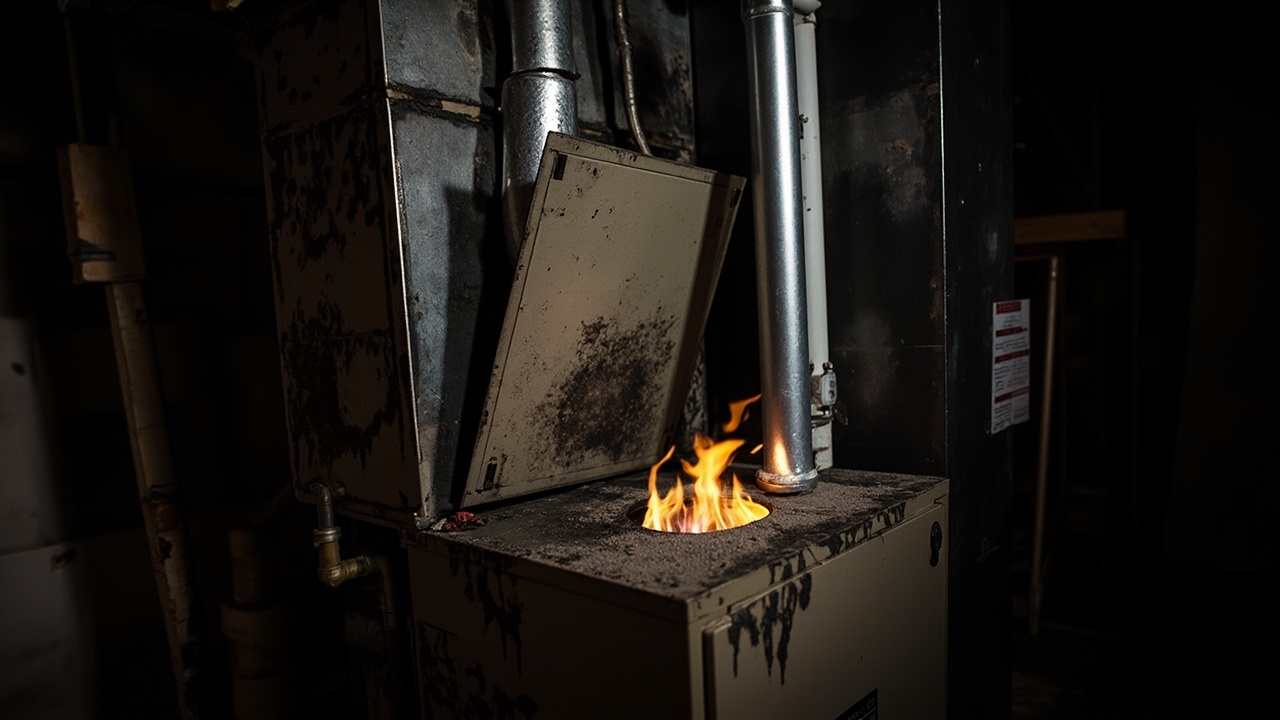
A cracked heat exchanger is the most dangerous failure point in forced-air furnaces. The heat exchanger separates combustion gases from the air that circulates through your home. Cracks allow carbon monoxide to mix directly into your ductwork and spread throughout every room. You cannot see these cracks during a visual inspection because they often appear only when metal expands under heat.

Blocked flue pipes cause carbon monoxide to back-draft into living spaces. Bird nests, debris, or corrosion can obstruct the vertical pipe that vents combustion gases above your roofline. In San Antonio's humid climate, condensation accelerates rust in older metal flues. Type B vent pipes deteriorate faster when subjected to moisture from improperly sized equipment or inadequate slope.

Negative air pressure inside your home pulls carbon monoxide backward through the flue. This happens when bathroom fans, kitchen exhausts, or dryer vents remove more air than your home can replace through natural leaks. Newer homes with tight construction amplify this effect. Your furnace or water heater struggles to draft properly, spilling gases into the mechanical room or utility closet.

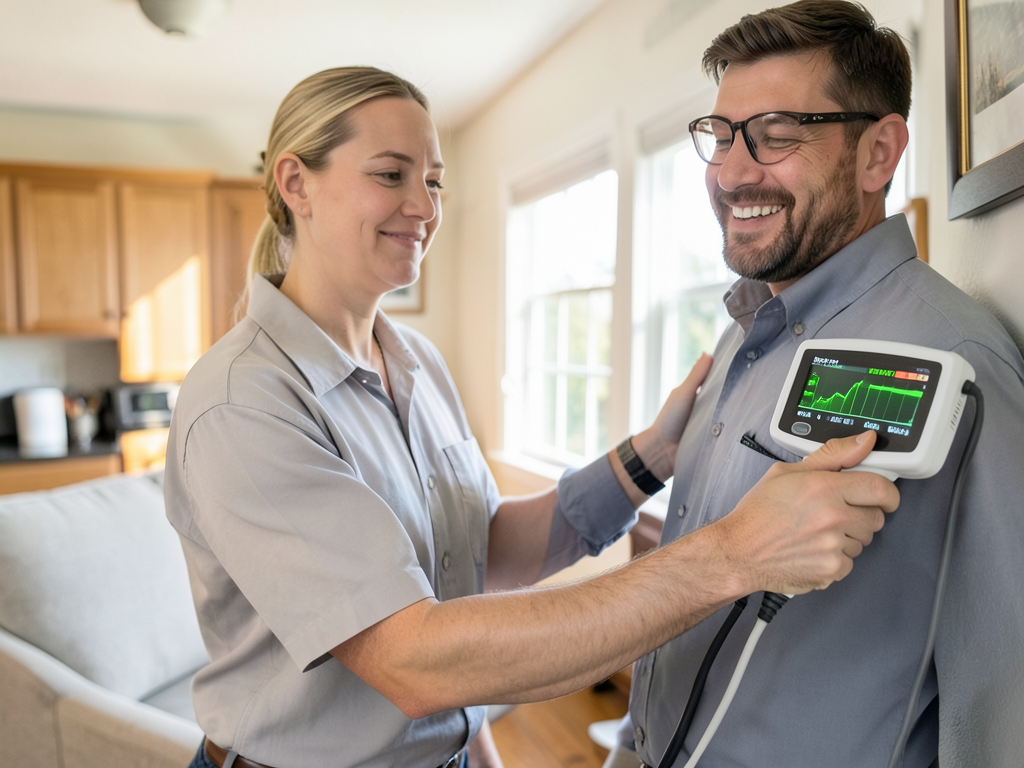
Backdrafting tests using a combustion analyzer measure draft pressure and flue gas spillage. We check carbon monoxide levels in ambient air and verify that dilution air openings meet current code requirements. Digital gas detectors identify concentration levels in parts per million, revealing problems before symptoms appear.

What Happens During a Carbon Monoxide Safety Inspection

Signs of Carbon Monoxide in San Antonio – Recognize Warning Signs Before They Become Fatal
01

Combustion Equipment Assessment

A technician inspects every fuel-burning appliance in your home. We examine gas furnaces, water heaters, ranges, dryers, and fireplaces for proper operation and venting. Visual inspection identifies rust, corrosion, soot buildup, or damaged components. We check burner flames for color and pattern. Yellow or orange flames indicate incomplete combustion and carbon monoxide production. Blue flames confirm proper air-to-fuel mixture and complete burning.
02

Ventilation and Draft Testing

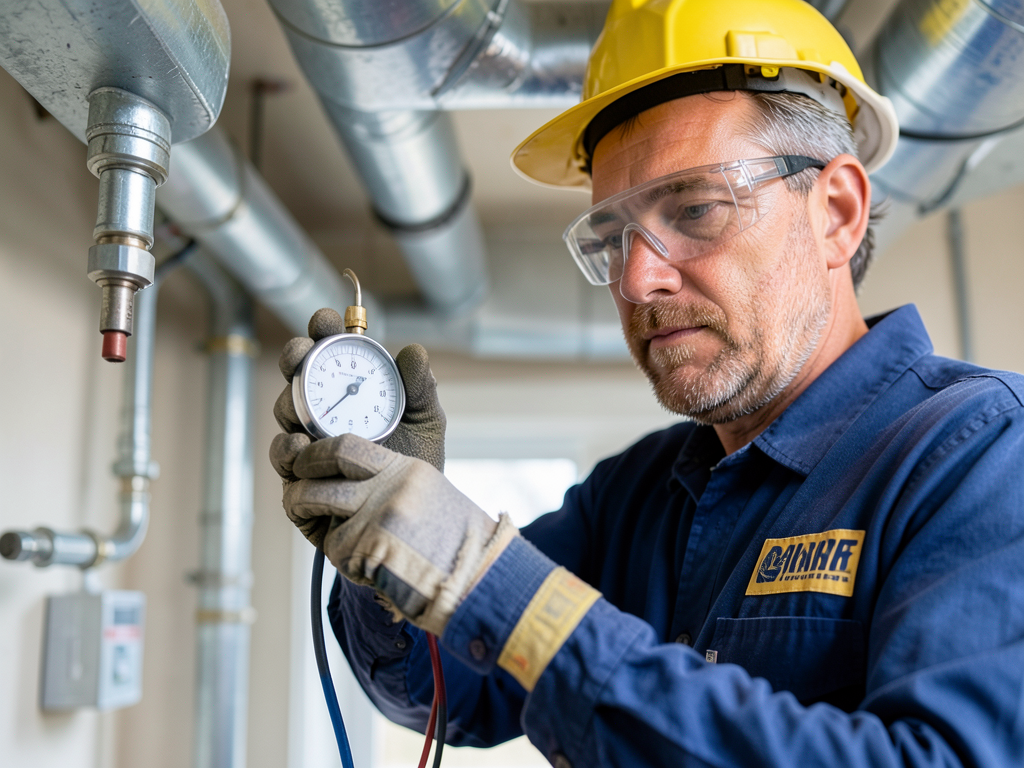
Draft pressure measurements determine whether flue pipes remove combustion gases effectively. A manometer measures the difference between flue pressure and room pressure. Negative readings confirm proper draft. Zero or positive readings indicate spillage and backdrafting. We test while other exhaust fans operate to simulate worst-case conditions. Smoke tests reveal airflow patterns around draft hoods and flue connections. Combustion analyzers measure oxygen, carbon dioxide, and carbon monoxide levels in flue gases.
03

Detection and Documentation

Ambient air testing throughout your home identifies existing carbon monoxide presence. We test near sleeping areas, in mechanical rooms, and around fuel-burning appliances. Readings above 9 parts per million trigger immediate investigation and corrective action. You receive a written report documenting all findings, carbon monoxide levels, and recommended repairs. We verify that carbon monoxide detectors are installed on every level of your home and outside sleeping areas as required by code.

Why Local HVAC Knowledge Protects San Antonio Families

San Antonio's unique housing challenges require specific carbon monoxide expertise that generic HVAC companies miss. Historic homes in King William, Lavaca, and Monte Vista use gravity venting systems designed before modern appliances existed. Converting to high-efficiency equipment without proper venting modifications creates dangerous spillage conditions. We understand how to maintain original aesthetics while upgrading safety systems to current standards.

The city's clay soil causes foundation movement that stresses gas lines and chimney connections. A furnace or water heater installed level in 2015 may sit tilted today, changing draft characteristics and creating gaps in vent connections. We inspect for settlement issues that compromise venting integrity. Our technicians recognize when foundation shifts require flexible gas connectors or vent pipe modifications to maintain safe operation.

San Antonio's extended mild seasons mean many residents ignore annual maintenance. Your furnace may sit unused for eight months, allowing dust, spider webs, and debris to accumulate in burners and heat exchangers. When you fire up the system during the first cold snap in December, incomplete combustion produces excess carbon monoxide. Regular maintenance includes cleaning burners, checking heat exchangers for cracks, and verifying proper combustion before heating season begins.

We stay current with local code amendments and permit requirements specific to Bexar County. Carbon monoxide detector placement, combustion air requirements, and venting standards vary by jurisdiction and construction type. Our familiarity with city inspectors and local enforcement priorities ensures your equipment meets or exceeds safety standards. We know which neighborhoods have gas service from CPS Energy versus propane, affecting equipment selection and installation methods. That local knowledge prevents costly mistakes and dangerous oversights.

What Carbon Monoxide Detection and Prevention Includes

Response Time and Availability

Carbon monoxide emergencies require immediate response. If you suspect carbon monoxide poisoning symptoms, evacuate your home and call 911 first. Once the fire department clears your home, we arrive within hours to identify the source and restore safe operation. Standard safety inspections are scheduled within 24 to 48 hours of your call. During peak winter months, we prioritize homes with vulnerable occupants like infants, elderly residents, or people with respiratory conditions. Our trucks carry combustion analyzers, carbon monoxide detectors, and common repair parts to resolve most issues during the first visit. You do not wait days for answers when carbon monoxide threatens your family.

Comprehensive Safety Assessment

A complete carbon monoxide inspection takes 90 minutes to two hours depending on your home size and number of appliances. We test every fuel-burning device individually and measure ambient carbon monoxide levels throughout your home. Combustion analysis reveals efficiency problems before they become safety hazards. We document carbon monoxide concentrations, draft pressures, and flue gas temperatures. You receive detailed findings explaining any problems in plain language. If we identify dangerous conditions, we explain immediate risks and tag unsafe equipment per Texas regulations. Our assessment includes checking carbon monoxide detector placement and functionality, verifying they meet current code requirements for type and location.

Corrective Actions and Repairs

Repairs range from simple adjustments to complete equipment replacement depending on the problem. A dirty burner assembly might need cleaning and adjustment. A cracked heat exchanger requires furnace replacement because the component cannot be safely repaired. Blocked flues need cleaning or reconstruction. Inadequate combustion air requires adding vents or upgrading to direct-vent or sealed-combustion equipment. We explain options with clear cost factors tied to scope and complexity. Temporary solutions like improved ventilation may reduce risk while you plan for equipment replacement. Every repair includes verification testing to confirm carbon monoxide levels return to safe ranges and equipment operates as designed.

Ongoing Monitoring and Prevention

Annual maintenance prevents most carbon monoxide problems. During routine service, we clean burners, inspect heat exchangers, test safety controls, and verify proper venting. Combustion analysis catches efficiency degradation before cracks form or spillage occurs. We check carbon monoxide detectors and replace batteries or expired units. Many detectors have a seven-year lifespan and fail silently. We maintain service records tracking equipment age, repair history, and test results to identify patterns suggesting impending failure. Scheduled maintenance costs less than emergency repairs and protects your family year-round. We remind you when service is due so critical safety checks never slip through the cracks.

Frequently Asked Questions

You Have Questions,
We Have Answers

What are signs of carbon monoxide in the house? +

Carbon monoxide produces no odor, color, or taste, so you need to watch for physical symptoms and equipment warnings. Common signs include persistent headaches, dizziness, nausea, confusion, and flu-like symptoms that improve when you leave the house. Your carbon monoxide detector alarm is the clearest warning. In San Antonio homes, check for yellow or orange furnace flames instead of blue, excessive soot around appliances, or moisture on windows and walls. During winter months when heating systems run continuously, pay extra attention to these indicators. If you suspect exposure, evacuate immediately and call 911 before returning.

How quickly will you know if you have carbon monoxide poisoning? +

Symptoms appear based on concentration levels and exposure time. At low levels, you may feel mild headache or fatigue within 1-2 hours. Moderate exposure causes severe headaches, drowsiness, and nausea within 45 minutes to an hour. High concentrations trigger confusion, vomiting, and loss of consciousness in under 30 minutes. Children, elderly adults, and people with heart conditions react faster. San Antonio residents running gas heaters or fireplaces during cold snaps face quicker onset if ventilation fails. The danger is that symptoms mimic the flu, so many people ignore early warnings. Trust your detector and take symptoms seriously.

How can I check if I have carbon monoxide? +

Install UL-listed carbon monoxide detectors on every level of your home, especially near sleeping areas and attached garages. Place them on walls about five feet high or on ceilings. Test detectors monthly and replace batteries twice yearly. Have HVAC technicians inspect your furnace, water heater, and gas appliances annually. In San Antonio's older neighborhoods with historic homes, outdated heating systems need extra scrutiny. Look for physical signs like soot buildup, rust on vent pipes, or discolored pilot lights. If your detector sounds or you feel symptoms, evacuate and call emergency services immediately. Do not investigate the source yourself.

Can small amounts of carbon monoxide hurt you? +

Yes, even low-level carbon monoxide exposure causes harm over time. Repeated exposure damages your cardiovascular and nervous systems. You may experience chronic headaches, memory problems, difficulty concentrating, and mood changes. San Antonio residents using gas appliances daily face cumulative risk if ventilation is poor or equipment malfunctions. Pregnant women, infants, and people with anemia or heart disease suffer effects at lower concentrations than healthy adults. Long-term exposure at 50 parts per million can cause symptoms within hours. No safe threshold exists. Any exposure is dangerous, which is why working detectors and annual HVAC inspections are necessary, not optional.

Can a phone app detect carbon monoxide? +

No legitimate phone app can detect carbon monoxide. Some apps claim to use your phone's sensors, but smartphones lack the electrochemical or metal oxide sensors needed to measure carbon monoxide molecules. Apps that change color based on photos or sound analysis are unreliable and dangerous. Do not trust your safety to smartphone technology. San Antonio homeowners need proper UL-listed carbon monoxide detectors with digital displays showing parts per million. These devices cost $20 to $50 and save lives. Apps can remind you to test detectors or schedule HVAC maintenance, but detection requires dedicated hardware. Never substitute an app for real equipment.

How to tell if your house is toxic? +

Check for multiple warning signs beyond carbon monoxide. Test for radon gas, especially in basements and ground floors. Look for visible mold growth, musty odors, or water stains indicating moisture problems. San Antonio's humidity creates mold conditions in poorly ventilated spaces. Check for peeling lead paint in homes built before 1978. Monitor indoor air quality with formaldehyde and volatile organic compound detectors if you have new furniture or renovations. Inspect for asbestos in older insulation or flooring. Install carbon monoxide and smoke detectors on every level. Have your HVAC system inspected annually to ensure proper ventilation and combustion safety.

How San Antonio's Housing Age and Climate Increase Carbon Monoxide Danger

San Antonio's housing stock skews older than state averages, with significant construction from the 1940s through 1970s. These homes use atmospheric venting that relies on natural draft rather than powered exhaust. Older furnaces and water heaters lack the safety features required on modern equipment, including flame rollout switches, blocked vent sensors, and oxygen depletion sensors. The city's mild winters encourage residents to postpone replacement of aging equipment until complete failure occurs. That delay creates risk because heat exchangers deteriorate gradually, developing hairline cracks that leak carbon monoxide long before the furnace stops heating. San Antonio's humidity accelerates corrosion in metal flues and vent pipes, particularly in homes without adequate attic ventilation. The combination of old equipment, deteriorated venting, and deferred maintenance makes carbon monoxide incidents more likely here than in cities with newer housing.

Local HVAC contractors understand San Antonio's specific code requirements and inspection protocols. The city recently updated carbon monoxide detector requirements for rental properties and homes sold after certain dates. We stay current with these changes and verify compliance during service calls. Our technicians recognize construction methods common to different eras and neighborhoods. A 1950s home in Terrell Hills vents differently than a 1980s ranch in Helotes or a 2010 subdivision home in Stone Oak. We know when to apply prescriptive code requirements versus performance-based solutions for older homes. Building relationships with local suppliers means we can source hard-to-find parts for vintage equipment when repair makes sense. That local expertise and commitment to San Antonio families makes us the safer choice when carbon monoxide safety is at stake.
HVAC Services in The San Antonio Area

Patriot proudly serves San Antonio and surrounding communities with fast, reliable HVAC services. Use the map below to locate our service area and see if we’re available in your neighborhood. Whether you need a quick repair or full installation, we’re just a call away. Our mobile team is equipped and ready to meet you where you are. Count on Patriot for dependable service with a local touch.

Address:
Patriot HVAC San Antonio, 1100 Northwest Loop, San Antonio, TX, 91335

Additional Services We Offer

Our news updates

Latest Articles & News from The Blogs

Why Your AC Vents Are Whistling and How to Stop the Noise for Good That high-pitched whistle coming from your…

Why Your AC Vents Are Whistling and How to Stop the Noise for Good

Why Your AC Vents Are Whistling and How to Stop the Noise for Good That high-pitched whistle coming from your…

Why 72 Degrees Feels Different in San Antonio Than It Does Anywhere Else

Why 72 Degrees Feels Different in San Antonio Than It Does Anywhere Else When you set your thermostat to 72…

What Jefferson Terrace Homeowners Should Know About Older Ductwork and Modern Air Quality

What Jefferson Terrace Homeowners Should Know About Older Ductwork and Modern Air Quality \n\n Jefferson Terrace homes built in the…

Contact Us

Do not wait for carbon monoxide symptoms to appear. Call Patriot HVAC San Antonio at (726) 259-0059 now to schedule a comprehensive safety inspection. Protect your family with professional testing and equipment evaluation that identifies problems before they become emergencies.