
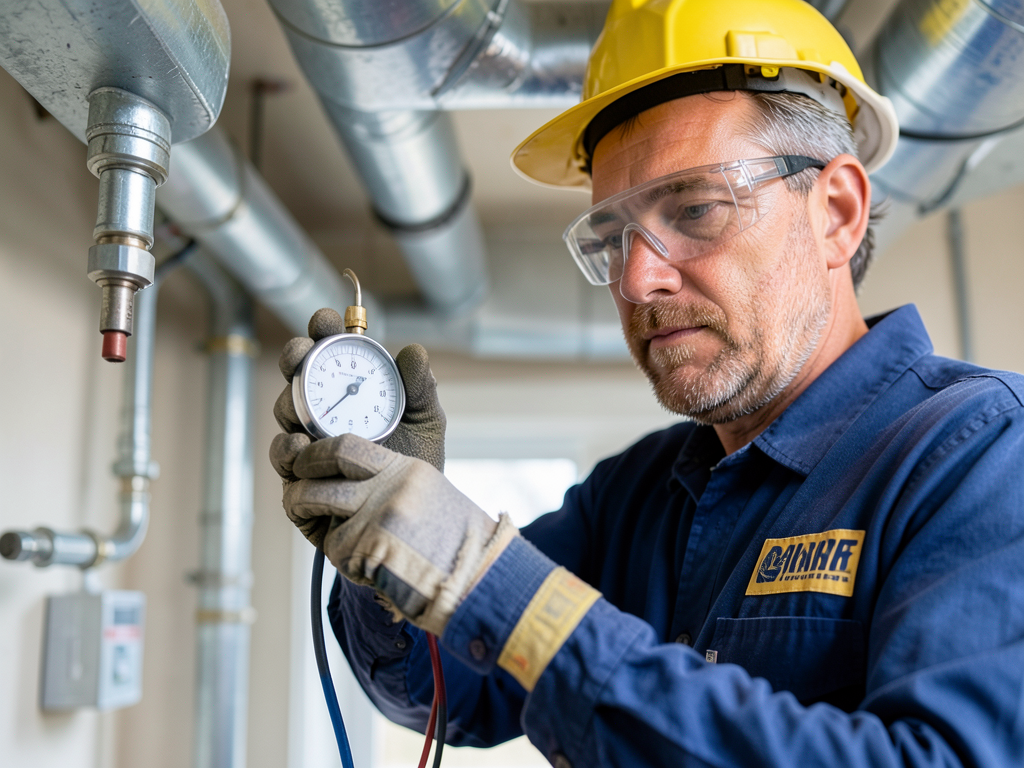
Why Your AC Vents Are Whistling and How to Stop the Noise for Good
That high-pitched whistle coming from your AC vents is more than just annoying. In San Antonio’s brutal heat, that sound means your cooling system is working harder than it should. The whistle happens when air rushes through restricted spaces, creating turbulence that vibrates at a frequency your ears can’t ignore.
Most whistling comes from simple problems you can fix yourself. A dirty filter forces air through a smaller opening. Closed dampers create pressure imbalances. But some causes point to serious issues that could damage your compressor if ignored. The good news is you can stop the noise and protect your system with the right diagnosis.
Common Causes of Whistling AC Vents
Understanding what makes your vents whistle helps you fix the problem fast. Here are the most common culprits in San Antonio homes.
1. Dirty Air Filter
When dust builds up on your filter, air can’t flow freely. The blower motor pulls harder, forcing air through the smallest openings at high speed. This creates the classic whistling sound. San Antonio’s high pollen counts and dust from construction in growing areas like Schertz and Selma mean filters clog faster than in other regions.
2. Closed or Partially Closed Dampers
Supply vents have internal louvers that control airflow. If someone closed these for winter or they accidentally shut, air rushes through the remaining opening. The result is that familiar whistle. This happens often in homes with kids who like to play with vent covers.
3. Obstructed Return Air Grille
Your system needs to pull air back as much as it pushes it out. Furniture blocking return vents or closed doors in rooms with only supply vents creates pressure imbalances. The blower works overtime trying to move air that can’t get back to the unit.
4. Undersized Ductwork
Many San Antonio homes built during the housing boom have ducts that are too small for the air volume needed. When your AC runs on hot days, the velocity through these narrow passages creates turbulence and noise. This is especially common in two-story homes where the upstairs ductwork runs through hot attics.
5. Duct Leaks and Pressure Imbalances
Cracked duct connections or holes in ductwork let conditioned air escape. The system tries to compensate by increasing pressure, which makes existing restrictions whistle louder. Homes in areas with expansive clay soil like Universal City often experience duct separation as foundations shift.
6. Blower Motor Issues
If your blower motor runs at the wrong speed or has failing bearings, it can create unusual airflow patterns. Variable-speed motors that aren’t calibrated properly often cause intermittent whistling that changes with temperature.
The Physics of the Whistle: Understanding Static Pressure
Airflow through your HVAC system follows basic physics. When air encounters resistance, it speeds up to maintain volume. This is called the continuity equation. The faster air moves through a restricted space, the more it vibrates the surrounding material.
Static pressure measures the resistance in your duct system. Normal residential systems operate between 0.1 and 0.5 inches of water column. When pressure exceeds 0.5, you start hearing noise. At 0.8 or higher, your system works inefficiently and components wear out faster.
San Antonio’s high humidity adds another factor. Moist air is denser than dry air, which means it takes more energy to move the same volume. This is why systems in coastal and humid areas often experience more airflow restrictions than those in desert climates.
Step-by-Step Diagnostic Checklist
Follow these steps to identify what’s causing your whistling vents. Work through them in order, starting with the simplest fixes.
- Check Your Air Filter
Remove the filter and hold it up to light. If you can’t see light through it, replace it. San Antonio homes typically need MERV 8-11 filters. Higher MERV ratings (13-16) restrict airflow too much for most residential systems unless specifically designed for them.
- Inspect Supply Vents
Walk through your home and check every supply vent. Make sure louvers are fully open. Feel for airflow consistency. Weak airflow from some vents while others blow strong indicates duct problems.
- Examine Return Air Grilles
Check that return vents aren’t blocked by furniture, rugs, or closed doors. In homes with only supply vents in bedrooms, keep doors open or install return pathways.
- Listen at the Air Handler
The indoor unit contains the blower. If you hear whistling there, the problem is before the air reaches your vents. This suggests a dirty evaporator coil or internal duct issues.
- Check for Hot Spots
Rooms that stay hot while others are cool indicate airflow problems. Use a thermometer to check room temperatures. Differences over 3-4 degrees suggest duct restrictions.
- Inspect Accessible Ductwork
Look in your attic or crawl space for visible duct damage. Listen for whistling near duct connections. Feel for air leaks around joints.
- Monitor System Performance
Note when whistling occurs. Does it happen only on high fan speed? Only during cooling? Only in certain rooms? This timing helps pinpoint the cause.
San Antonio-Specific HVAC Challenges
Living in South Texas creates unique HVAC problems that affect whistling and overall system performance. Understanding these factors helps you maintain your system properly.
San Antonio sits in Climate Zone 2, where cooling dominates the annual energy load. Our 100-degree summer days mean AC systems run almost continuously for months. This constant operation accelerates wear on components and makes small problems grow quickly.
The region’s high humidity, often 60-80% during summer mornings, causes several issues. First, moisture in the air makes it harder to cool, so systems run longer. Second, humid air promotes mold growth in ductwork and on coils, which restricts airflow. Third, the moisture load affects how your system’s expansion valve operates, potentially causing pressure fluctuations that create noise.
Mountain Cedar pollen in January and February creates another challenge. This allergen clogs filters faster than typical dust. Many San Antonio residents change filters twice as often during cedar season to prevent airflow restrictions.
Local building practices also contribute to whistling issues. Many homes in areas like Alamo Heights and Terrell Hills were built before modern duct design standards. These older systems often have undersized returns or long duct runs that create natural pressure drops.
According to the 2021 International Energy Conservation Code (IECC), which San Antonio follows, properly sized ductwork should maintain air velocity below 700 feet per minute in supply ducts to prevent noise. Many existing homes don’t meet this standard.
Professional Fixes for Persistent Whistling
When DIY fixes don’t solve the problem, professional intervention becomes necessary. Here are the solutions HVAC technicians use to eliminate whistling permanently.
Duct Sealing and Aeroseal Technology
Traditional duct sealing involves manually applying mastic to visible leaks. Aeroseal technology takes a different approach. Technicians block all vents, then blow aerosolized sealant particles into the duct system. Particles collect only at leak sites, sealing holes up to 5/8 inch in diameter from the inside.
This process can reduce duct leakage by 90% or more. In San Antonio homes, typical duct leakage before sealing ranges from 20-40%. After Aeroseal, leakage often drops below 5%, improving both noise levels and energy efficiency.
Blower Motor Adjustment and Replacement
Variable-speed blowers offer multiple operation speeds. If set too high for your duct system, they create whistling. Technicians use specialized tools to measure static pressure and adjust motor speeds for optimal performance.
Older single-speed motors with failing bearings can also cause noise. The bearings allow the motor shaft to wobble slightly, creating vibrations that resonate through the duct system. Replacing these motors eliminates both the whistling and the risk of sudden failure.
Duct Modification and Replacement
Sometimes the only solution is resizing or replacing ductwork. This might mean adding return air pathways, increasing duct diameter in supply runs, or replacing entire duct systems in homes with chronic airflow problems.
Modern duct design uses Manual D calculations to properly size each run based on room requirements. This prevents the velocity issues that cause whistling while ensuring even temperature distribution throughout your home.
Plenum and Air Handler Modifications
The plenum is the box that connects your air handler to the ductwork. Poorly designed plenums create turbulence that amplifies through the entire system. Technicians can modify plenum shapes or add turning vanes to smooth airflow.
Sometimes the air handler itself sits in a closet or attic space that creates noise issues. Adding sound attenuators or relocating the unit can solve persistent whistling problems.
Cost of Neglect: What Happens If You Ignore Whistling
That whistle isn’t just annoying. It’s a warning sign that your system operates inefficiently. Here’s what happens when you ignore duct noise.
Energy costs increase immediately. A system with 30% duct leakage works 30% harder to cool your home. In San Antonio’s climate, this means hundreds of dollars in extra cooling costs each summer.
Component wear accelerates dramatically. The blower motor, compressor, and even the indoor coil experience extra stress when airflow is restricted. What might have been a $200 filter replacement can turn into a $3,000 compressor failure if ignored long enough.
Comfort suffers in ways you might not notice. Rooms with restricted airflow stay slightly warmer, causing your thermostat to run the system longer. You might blame the weather when your home never quite feels as cool as you’d like.
Indoor air quality declines. Restricted airflow means less air circulation through your filter. This allows more dust, pollen, and other particles to remain in your home’s air, aggravating allergies and respiratory issues.
Maintenance Schedule to Prevent Whistling
Preventing whistling starts with regular maintenance. Here’s a schedule that keeps your system quiet and efficient. Commercial Maintenance Agreements.
Monthly: Check and replace your air filter. During heavy use months (June through September), check it every 30 days. San Antonio’s dust and pollen mean filters often need changing monthly rather than every three months.
Seasonally: Before summer, have a professional inspect your system. They should check refrigerant levels, clean the outdoor coil, and verify proper airflow. Before winter, check that heating components work correctly.
Annually: Schedule a comprehensive tune-up. This includes checking static pressure, cleaning the evaporator coil, inspecting ductwork, and verifying proper blower motor operation. Many San Antonio HVAC companies offer maintenance agreements that include two visits per year.
As Needed: If you notice any change in system performance, airflow, or noise levels, call for service immediately. Small problems caught early cost much less to fix.
When to Call a Professional
Some whistling issues require expert diagnosis. Call a professional if you experience any of these situations.
The whistling started suddenly after your system was working fine. This often indicates a broken component or major restriction.
You’ve replaced the filter and checked vents, but the noise continues. The problem likely involves internal components or duct design.
The whistling is accompanied by weak airflow from multiple vents. This suggests a systemic issue rather than a simple obstruction.
You hear whistling from the indoor unit itself, not just the vents. This points to blower motor or coil problems that need immediate attention.
Your energy bills have increased significantly without a corresponding increase in usage. This often indicates efficiency problems related to airflow restrictions.
Remember that proper HVAC service in San Antonio requires specific knowledge of local conditions. Technicians familiar with our climate, building practices, and common issues diagnose problems faster and more accurately.
Frequently Asked Questions
Why does my AC only whistle at night?
Nighttime whistling often occurs because outdoor temperatures drop, changing system pressure dynamics. Some systems increase fan speed at night to maintain cooling. If your ducts are already near their noise threshold, this speed increase pushes them over the edge. Also, nighttime humidity tends to be higher, affecting airflow characteristics.
Can a whistling vent damage my AC system?
Yes. Whistling indicates restricted airflow, which forces your system to work harder. This extra strain can overheat the compressor, freeze the evaporator coil, or cause the blower motor to fail prematurely. What starts as a noise issue can become a major repair if ignored. Stone Oak AC Repair Services That Can Actually Handle the Texas Heat.
How much does professional duct sealing cost in San Antonio?
Professional duct sealing costs vary based on home size and duct accessibility. Basic sealing starts around $500 for accessible ducts. Aeroseal treatment, which seals from the inside, typically costs $1,500-$3,000 but can reduce energy costs by 20-30% annually. Many companies offer free estimates to diagnose your specific situation.
Should I use a higher MERV filter to improve air quality?
Higher MERV filters catch more particles but also restrict airflow more. Most residential systems work best with MERV 8-11 filters. MERV 13 or higher may be appropriate if you have severe allergies, but only if your system is designed for them. Using a filter that’s too restrictive causes more problems than it solves.
Take Action Today
Don’t let that whistling vent drive you crazy all summer. The fix might be as simple as changing a filter, or it might require professional diagnosis. Either way, addressing the problem now prevents bigger issues later.
Call (726) 259-0059 today to schedule your AC noise diagnostic. Our San Antonio technicians understand the unique challenges of our climate and can identify the exact cause of your whistling vents. We’ll provide clear options with upfront pricing so you can make the best decision for your home and budget.
Pick up the phone and call (726) 259-0059 before the next heat wave hits. Your comfort and peace of mind are worth it.
Remember, that whistle isn’t just noise. It’s your system asking for help. Give us a call and let’s make your home quiet and comfortable again. For more information, visit U.S. Department of Energy duct sealing guide. For more information, visit ASHRAE filter efficiency standards.