







menu

Benefits of Inverter Technology in San Antonio – Cut Your Cooling Costs by Up to 40% Year-Round

Variable speed compressor benefits deliver unmatched inverter HVAC energy efficiency in San Antonio's punishing heat, slashing monthly bills while keeping your home comfortable through the longest summer stretches.

Slider Image 1
Slider Image 2
Slider Image 3
Slider Image 4
Slider Image 5
Slider Image 7
Slider Image 8
Slider Image 9
Slider Image 10
Slider Image 11

Why San Antonio Homeowners Are Switching to Inverter AC Systems

San Antonio's climate punishes traditional air conditioners. When outdoor temperatures hold steady above 95 degrees from June through September, your standard single-stage compressor runs at full capacity or shuts off completely. There is no middle ground. That constant cycling wastes energy and drives your electric bill through the roof.

The advantages of inverter air conditioners become clear in this environment. Inverter technology power savings come from the system's ability to modulate compressor speed in real time. Instead of slamming on and off like a light switch, the variable speed compressor adjusts output from 20% to 100% capacity based on actual demand. When your home needs minor cooling at 6 AM, the system runs at 30% capacity. When the afternoon sun bakes your west-facing windows at 4 PM, it ramps up to 80%.

This precise control matters in San Antonio's extended cooling season. Traditional systems restart 8 to 12 times per hour during moderate weather. Each startup draws maximum amperage and creates temperature swings. Inverter systems run continuously at lower speeds, maintaining stable indoor temperatures while consuming 30% to 40% less electricity.

The pros of inverter heat pumps extend beyond summer. San Antonio's mild winters mean you need heating maybe 40 days per year. An inverter heat pump delivers efficient heating down to 25 degrees outdoor temperature without electric resistance strips. You get year-round comfort from one system that adapts to both the scorching July afternoons and the occasional January freeze.

Older homes in neighborhoods like Alamo Heights and Terrell Hills often struggle with undersized ductwork. Inverter HVAC energy efficiency helps compensate for these limitations because the system can run longer at lower speeds, moving more total air without overwhelming your existing ducts.

Why San Antonio Homeowners Are Switching to Inverter AC Systems
How Inverter Compressor Technology Actually Works

How Inverter Compressor Technology Actually Works

The variable speed compressor operates on DC power instead of standard AC voltage. A drive controller modulates electrical frequency to the compressor motor, adjusting rotational speed from roughly 1,200 RPM up to 7,200 RPM. This range gives the system precise control over refrigerant flow and cooling capacity.

When you first turn on a conventional air conditioner, the compressor motor draws locked rotor amperage, typically 6 to 8 times the normal running current. That surge stresses electrical components and spikes your demand charges. Inverter systems use soft-start technology. The compressor gradually ramps up speed over 30 to 60 seconds, pulling consistent amperage without the initial surge.

Temperature sensors in your return air and supply plenum feed data to the inverter controller every few seconds. If the controller detects your home is within one degree of setpoint, it reduces compressor speed and fan RPM proportionally. The system continues running but consumes only enough power to offset heat gain from windows, walls, and occupants.

Refrigerant management improves with inverter technology. Traditional systems push refrigerant through the expansion valve at one fixed rate. Inverter systems match refrigerant flow to compressor speed, optimizing superheat and subcooling across the full operating range. This precision increases heat transfer efficiency at the evaporator coil and condenser.

San Antonio's high humidity creates another advantage. Inverter systems run longer cycles at reduced capacity, giving the evaporator coil more contact time with indoor air. More contact time means better moisture removal. You get effective dehumidification even when outdoor temperatures drop to 80 degrees and your home does not need aggressive cooling. Traditional systems short-cycle in these conditions, leaving your home clammy and uncomfortable despite hitting the thermostat setpoint.

What Happens When You Upgrade to Inverter Technology

Benefits of Inverter Technology in San Antonio – Cut Your Cooling Costs by Up to 40% Year-Round
01

Load Calculation and System Sizing

We perform a Manual J load calculation specific to your home. San Antonio's solar heat gain through south and west windows significantly impacts sizing. Inverter systems handle wider capacity ranges than traditional units, but proper sizing ensures the compressor operates in its most efficient zone. We measure your existing ductwork static pressure and calculate required CFM to match the new equipment's capabilities.
02

Electrical and Control Integration

Inverter systems require dedicated 220-volt circuits with proper wire gauge for the drive controller. We verify your electrical panel can support the new equipment and install surge protection to guard the sensitive inverter electronics. The thermostat must communicate with the variable speed components. We configure the control board to optimize ramp rates and setpoint differentials for your specific comfort preferences and home characteristics.
03

Commissioning and Performance Verification

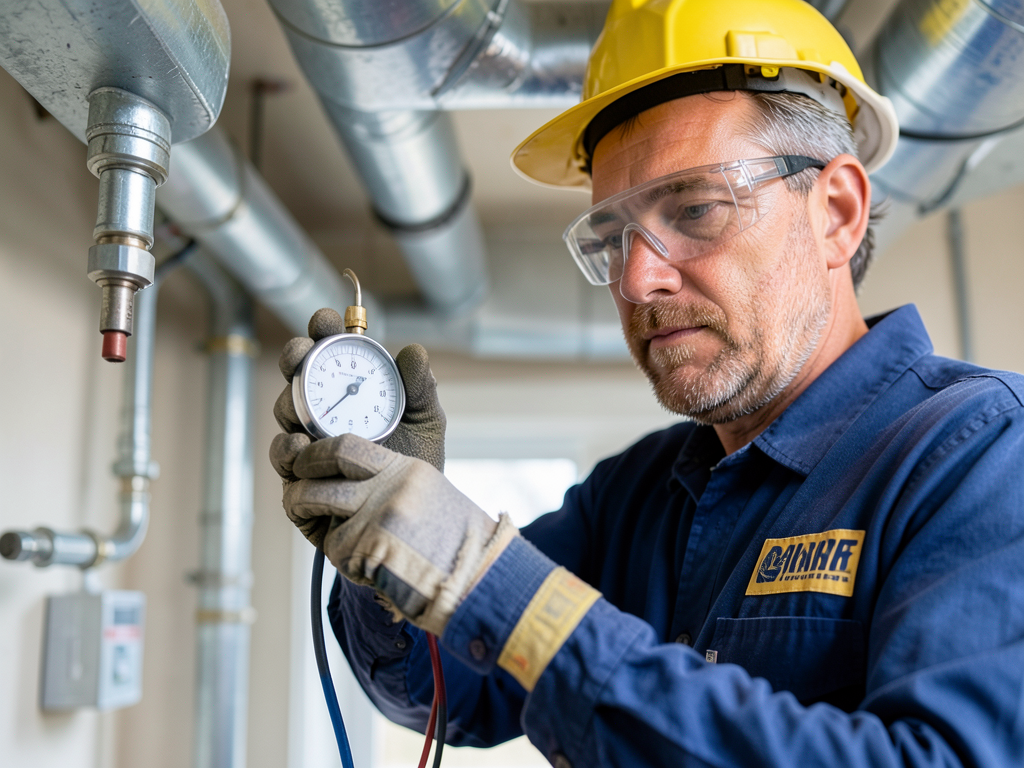
After installation, we run the system through its full capacity range while monitoring amperage draw, refrigerant pressures, and airflow. We verify the compressor modulates smoothly from minimum to maximum speed without hunting or cycling. You receive documentation showing baseline energy consumption and projected savings based on your home's cooling load profile. We schedule a 30-day follow-up to fine-tune settings after you experience a full billing cycle.

Why Local Expertise Matters for Inverter System Installation

San Antonio's building stock spans 150 years, from restored Victorian homes in King William to new construction in Stone Oak. Each property presents unique installation challenges that generic HVAC contractors overlook. Historic homes often have knob-and-tube wiring or undersized electrical service. We work with city inspectors who understand historic preservation requirements and can approve modern HVAC upgrades that meet current electrical code without compromising architectural integrity.

The Edwards Aquifer recharge zone covers much of Bexar County, limiting outdoor equipment placement in certain areas. We know which neighborhoods fall under these restrictions and how to site condensing units to meet environmental regulations while maintaining proper airflow clearance.

Inverter technology requires specialized diagnostic equipment. When a drive controller throws a fault code, you cannot troubleshoot it with standard manifold gauges and a multimeter. Our technicians carry frequency analyzers and oscilloscopes to measure AC ripple voltage and verify proper DC bus operation. We attend factory training on specific inverter platforms from manufacturers like Mitsubishi, Daikin, and Carrier, learning the nuances of each control algorithm.

San Antonio's extreme heat exposes substandard installation practices quickly. If your installer does not properly torque refrigerant fittings or fails to evacuate the system to 500 microns, you will see reduced efficiency within the first cooling season. We follow ACCA Quality Installation standards and photograph critical connection points for your records.

Patriot HVAC San Antonio maintains relationships with local supply houses that stock inverter-specific components. When a control board fails during a July heatwave, we can source the replacement part within hours instead of waiting days for shipping. That speed matters when indoor temperatures climb above 85 degrees.

What You Can Expect from Your Inverter System Upgrade

Installation Timeline and Coordination

Most residential inverter system installations take 8 to 12 hours for a complete changeout. We coordinate electrical work with our licensed electricians to minimize downtime. If your home needs panel upgrades or additional circuits, we schedule that work in advance. You will have cooling the same day we start work. We do not leave jobs partially complete overnight. For complex installations involving ductwork modifications or zoning systems, we provide a detailed timeline during the estimate and communicate any changes immediately.

Initial Assessment and Equipment Selection

During the consultation, we examine your current system's performance data if available through a smart thermostat. We check ductwork for leaks and measure supply register airflow in key rooms. You receive a written assessment explaining whether your home is a good candidate for inverter technology based on your usage patterns and comfort complaints. We present equipment options at different efficiency levels with projected energy savings for each. You see exactly how the upfront investment translates to monthly operating cost reductions over the system's expected 15 to 18-year lifespan.

Comfort and Performance Improvements

You will notice three immediate changes after your inverter system starts running. First, the outdoor unit operates much quieter because the compressor rarely runs at full speed. Second, temperature variations between rooms decrease as the system runs longer cycles at lower capacity, allowing better air mixing. Third, humidity control improves noticeably. Your home feels comfortable at 76 degrees instead of requiring a 72-degree setpoint to combat clamminess. These comfort improvements show up before you see the first electric bill reduction.

Ongoing Maintenance and System Optimization

Inverter systems need maintenance every six months rather than annually because they run more total hours than traditional equipment. We check refrigerant charge, clean the evaporator coil, and verify electrical connections at each visit. The drive controller logs fault codes and runtime data that help us identify developing problems before they cause breakdowns. We download this data during maintenance visits and track performance trends. Most manufacturers provide parts coverage for 5 to 10 years on inverter components. We handle all warranty claims and coordinate with factory technical support if complex diagnostics are needed.

Frequently Asked Questions

You Have Questions,
We Have Answers

What are the benefits of inverter technology? +

Inverter technology adjusts compressor speed based on cooling demand instead of cycling on and off. You get consistent temperatures, lower energy bills, and quieter operation. In San Antonio's brutal summers, inverter systems reduce humidity better because they run longer at lower speeds. This prevents the short-cycling problem common with traditional units during mild mornings or evenings. You will see energy savings of 30 to 50 percent compared to fixed-speed systems. The technology also extends equipment lifespan because it avoids the mechanical stress of constant start-stop cycles. For Texas heat, inverter systems deliver comfort without the energy waste.

What is the disadvantage of an inverter? +

Inverter systems cost more upfront than traditional units. You will pay 20 to 40 percent more for the equipment and installation. The electronic components are also more complex, which can mean higher repair costs if something fails outside warranty. In San Antonio, extreme heat stress can shorten the lifespan of sensitive electronics if the system is not maintained properly. Voltage fluctuations during summer storms can damage inverter boards. If you plan to sell your home soon, you may not recoup the premium cost. The technology makes sense for long-term homeowners who prioritize efficiency and comfort over initial price.

What should you not plug into an inverter? +

Avoid plugging high-surge appliances like laser printers, copiers, or refrigerators with defrost cycles into small inverters. These devices create power spikes that exceed the inverter's capacity and cause shutdown or damage. Sensitive electronics like medical equipment or high-end audio gear can also suffer from the modified sine wave output some inverters produce. In San Antonio, space heaters and window AC units are common culprits that overload inverters during power outages. Check the wattage rating and surge capacity before connecting any device. Always match the inverter size to your actual power needs, not maximum capacity.

What are inverters good for? +

Inverters convert DC power from batteries or solar panels into AC power for household appliances. They provide backup power during outages, which San Antonio residents face during summer storms and grid strain. You can run essential devices like fans, lights, phones, and medical equipment when the power fails. For off-grid or solar installations, inverters make renewable energy usable for standard appliances. They also enable portable power for RVs, work sites, and outdoor events. In commercial settings, inverters support uninterruptible power supplies for servers and sensitive equipment. The technology bridges the gap between stored energy and everyday electrical needs.

Can an inverter run a fridge? +

Yes, but you need the right inverter size. A standard refrigerator uses 600 to 800 watts running but requires 1,200 to 2,000 watts at startup. Choose an inverter with surge capacity that exceeds this peak demand. Pure sine wave inverters work best for refrigerators because they prevent compressor damage and weird humming noises. In San Antonio, summer power outages can spoil food fast, so sizing your inverter correctly matters. A 2,000-watt inverter with 4,000-watt surge handles most residential fridges safely. Battery capacity determines run time, not the inverter itself. Plan for at least 200 amp-hours of battery storage for meaningful backup.

How long will a 12V battery last with an inverter? +

Run time depends on your power draw and battery capacity. A 100 amp-hour 12V battery provides roughly 1,200 watt-hours of usable energy. If you draw 100 watts, you get about 10 hours. Draw 500 watts and you get 2 hours. In San Antonio heat, batteries lose capacity faster, cutting run time by 10 to 20 percent. Inverter efficiency also matters. Cheap models waste 20 percent of power as heat. Deep-cycle batteries tolerate repeated discharge better than car batteries. Never drain below 50 percent capacity or you damage the battery permanently. Calculate your load carefully before expecting all-night power.

What is the 3 minute rule for AC? +

The 3-minute rule prevents compressor damage after shutdown. When your AC stops, refrigerant pressure needs time to equalize between the high and low sides. Restarting too soon forces the compressor to work against high pressure, which can burn out the motor or trip breakers. Wait 3 minutes before manually restarting your system after a shutdown. Modern thermostats and inverter systems have built-in time-delay relays that enforce this automatically. In San Antonio, frequent power flickers during storms make this protection critical. Ignoring the rule shortens compressor life and voids warranties. Let the system rest before restart.

Which one is better, AC or inverter? +

Inverter AC systems outperform traditional fixed-speed units in efficiency, comfort, and longevity. Traditional units run full blast then shut off, wasting energy and creating temperature swings. Inverter technology adjusts speed to match demand, saving 30 to 50 percent on cooling costs. For San Antonio homeowners facing $300-plus summer electric bills, inverter systems pay for themselves in 5 to 7 years. You also get better humidity control and quieter operation. The higher upfront cost makes sense if you plan to stay in your home long-term. For rental properties or short-term ownership, traditional units may fit budgets better.

What is the lifespan of an inverter? +

Quality inverter systems last 15 to 20 years with proper maintenance. The compressor and electronics are the limiting factors. San Antonio heat accelerates wear on electronic components if the system runs constantly without service. Cheap inverters fail in 5 to 8 years. Brand matters. Systems from reputable manufacturers with good warranty coverage outlast budget models. Regular filter changes, coil cleaning, and refrigerant checks extend lifespan. Surge protectors prevent damage from Texas thunderstorms. The technology is mature enough now that longevity matches or exceeds traditional systems. Expect to replace the unit around the same time as your roof or water heater.

What appliances should not be used with an inverter? +

Avoid connecting resistive heating appliances like space heaters, hair dryers, toasters, and electric ovens to small inverters. These devices draw massive current that overloads the system. Motor-driven tools like table saws, air compressors, and vacuum cleaners create surge demands that exceed inverter capacity. In San Antonio, people often overload inverters trying to run portable AC units during outages. Medical equipment like CPAP machines work fine, but oxygen concentrators may trip overload protection. Microwave ovens require pure sine wave inverters or they hum and fail. Match appliance wattage to inverter capacity and always leave 20 percent headroom for safety.

How San Antonio's Extended Cooling Season Maximizes Inverter Technology ROI

San Antonio experiences roughly 4,100 cooling degree days per year, nearly double the national average. Your air conditioner runs from April through October with minimal breaks. Traditional systems waste energy during the shoulder seasons when outdoor temperatures range from 75 to 85 degrees. These mild conditions require only 20% to 40% of your system's total capacity, but single-stage compressors deliver 100% output every time they start. Inverter technology shines in this climate because the variable speed compressor matches output to actual demand during those 150+ days of moderate weather. The energy savings compound quickly when you run your AC 8 to 10 months per year instead of 4 to 6 months in northern climates.

CPS Energy offers rebates for high-efficiency HVAC equipment that meets specific SEER2 thresholds. Many inverter systems qualify for these incentives, reducing your upfront investment. We handle the rebate paperwork and ensure your installation meets utility program requirements. San Antonio's building codes require proper load calculations and duct sealing for any HVAC replacement. Inspectors flag installations that skip these steps. We work with the city's mechanical inspection division regularly and know exactly what documentation they expect. Your installation passes inspection the first time without delays or callbacks.

HVAC Services in The San Antonio Area

Patriot proudly serves San Antonio and surrounding communities with fast, reliable HVAC services. Use the map below to locate our service area and see if we’re available in your neighborhood. Whether you need a quick repair or full installation, we’re just a call away. Our mobile team is equipped and ready to meet you where you are. Count on Patriot for dependable service with a local touch.

Address:
Patriot HVAC San Antonio, 1100 Northwest Loop, San Antonio, TX, 91335

Additional Services We Offer

Our news updates

Latest Articles & News from The Blogs

Why Your AC Vents Are Whistling and How to Stop the Noise for Good That high-pitched whistle coming from your…

Why Your AC Vents Are Whistling and How to Stop the Noise for Good

Why Your AC Vents Are Whistling and How to Stop the Noise for Good That high-pitched whistle coming from your…

Why 72 Degrees Feels Different in San Antonio Than It Does Anywhere Else

Why 72 Degrees Feels Different in San Antonio Than It Does Anywhere Else When you set your thermostat to 72…

What Jefferson Terrace Homeowners Should Know About Older Ductwork and Modern Air Quality

What Jefferson Terrace Homeowners Should Know About Older Ductwork and Modern Air Quality \n\n Jefferson Terrace homes built in the…

Contact Us

Schedule a free inverter system assessment with Patriot HVAC San Antonio today. We provide detailed savings projections specific to your home and usage patterns. Call (726) 259-0059 now to book your consultation.