





menu

Emergency Compressor Failure Repair in San Antonio – 24/7 Response When Your AC Goes Down

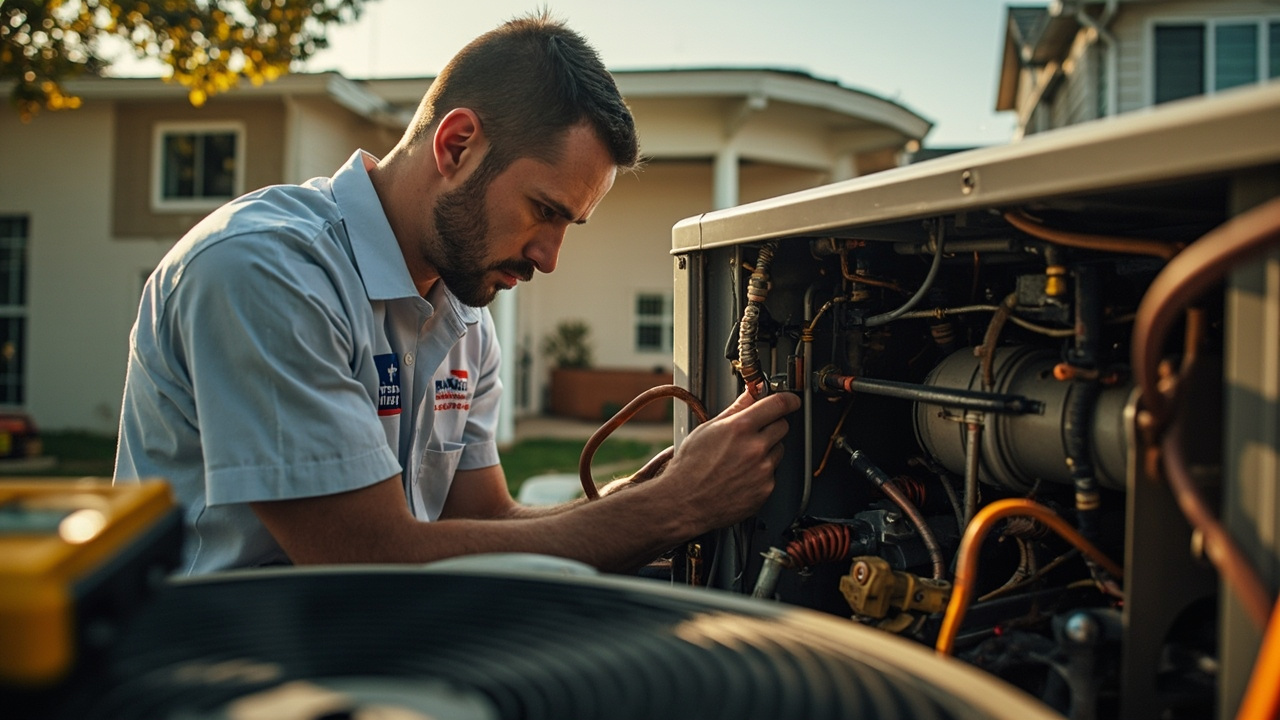
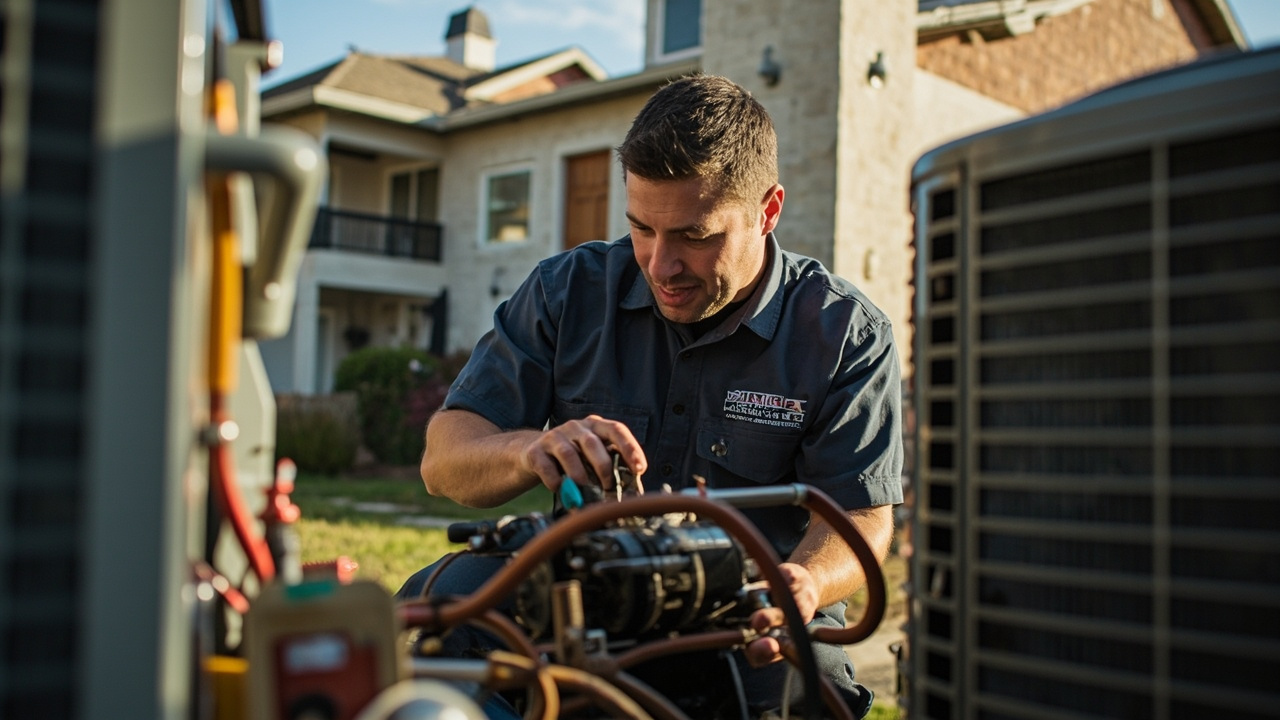
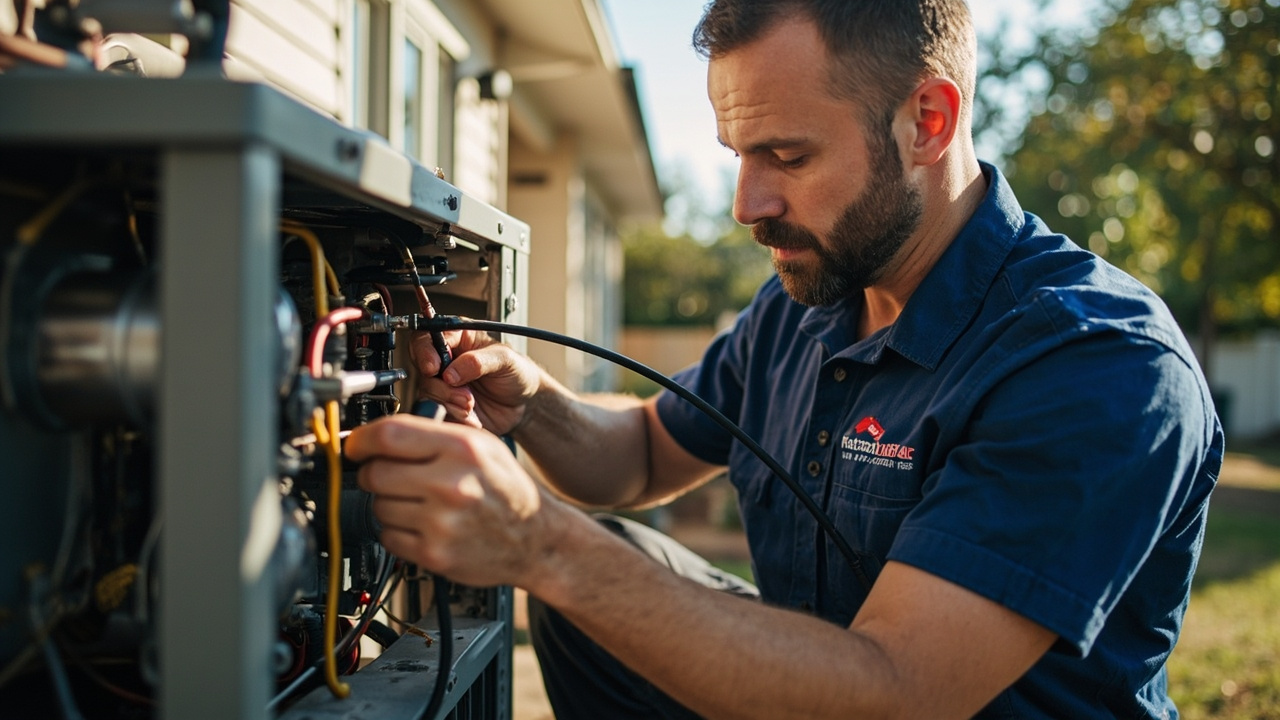
Your AC compressor just failed in the middle of a San Antonio heat wave. We dispatch emergency compressor failure repair teams within the hour to restore cooling before heat damage spreads through your home.

Slider Image 1
Slider Image 2
Slider Image 3
Slider Image 4
Slider Image 5
Slider Image 7
Slider Image 8
Slider Image 9
Slider Image 10
Slider Image 11

When Your Compressor Fails in San Antonio's Heat, Every Minute Counts

Your air conditioner stopped blowing cold air. The outdoor unit is silent. You checked the breaker, but nothing changed. The compressor failed, and in San Antonio's summer heat, your home is climbing past 85 degrees in minutes.

Compressor failure is the number one cause of total AC system collapse in San Antonio. The combination of extreme heat, voltage spikes from CPS Energy grid strain during peak load hours, and humidity that forces compressors to run 12 to 16 hours daily creates the perfect storm for burnout. Most compressors fail between June and August when demand hits maximum capacity.

You need emergency AC compressor replacement now, not tomorrow. A seized compressor means no refrigerant circulation. No cooling. Your HVAC system is dead. Heat builds in your walls, damages electronics, warps furniture, and creates dangerous conditions for children, elderly family members, and pets.

San Antonio homes built before 2010 often have R-22 compressors that cannot be repaired when they fail. The refrigerant was phased out. You need a full compressor swap or system replacement. Homes in Alamo Heights, Stone Oak, and the Medical Center area face higher failure rates because older systems were undersized for modern cooling loads.

Compressor burnout happens fast. You hear grinding, clicking, or nothing at all. The unit trips the breaker repeatedly. Refrigerant lines feel warm instead of cold. These are signs of catastrophic mechanical failure inside the compressor housing. You cannot wait. You need air conditioner compressor repair from a team that stocks emergency replacement compressors and can diagnose electrical failure, refrigerant contamination, and motor winding damage on site.

When Your Compressor Fails in San Antonio's Heat, Every Minute Counts
How We Fix Broken AC Compressors in Emergency Situations

How We Fix Broken AC Compressors in Emergency Situations

We do not guess. We do not sell you parts you do not need. Our emergency compressor failure repair process starts with electrical diagnostics, not part replacement.

We test the start capacitor, run capacitor, contactor, and transformer first. A failed capacitor mimics compressor failure but costs $150 to fix instead of $2,000. We use multimeters to measure voltage drop across the compressor windings. If the ohm reading is infinite or near zero, the motor is burnt. If the reading is normal but the compressor will not start, we check for mechanical seizure by testing shaft rotation through the access port.

Once we confirm true compressor failure, we determine the root cause. Did a refrigerant leak cause the compressor to run without lubrication? Did a voltage surge from a summer thunderstorm fry the motor windings? Did the evaporator coil freeze and send liquid refrigerant back to the compressor, causing hydraulic lock?

San Antonio's electrical grid experiences voltage sags during peak cooling season. A compressor running on 197 volts instead of 220 volts will overheat and fail within weeks. We measure incoming voltage at the disconnect and install surge protection if your electrical service is unstable.

For seized compressor replacement, we recover remaining refrigerant, cut the old compressor from the refrigerant lines using a tubing cutter, braze the new compressor into place with silver solder, pull a vacuum to 500 microns to remove moisture and air, then charge the system with the exact refrigerant weight specified on the data plate. We do not eyeball the charge. We use a digital scale.

HVAC compressor burnout repair requires flushing the refrigerant lines with nitrogen to remove acid and contamination. A burnt compressor releases carbon and metal particles into the system. If you install a new compressor without flushing, it will fail again in 30 days. We install an oversized filter drier to capture residual contaminants during the first 48 hours of operation.

What Happens During Your Emergency Compressor Repair Call

Emergency Compressor Failure Repair in San Antonio – 24/7 Response When Your AC Goes Down
01

Rapid System Diagnosis

We arrive in under 60 minutes with diagnostic equipment and emergency replacement compressors on the truck. Our technician tests voltage, capacitance, and compressor winding resistance to confirm failure or isolate electrical faults. We measure superheat and subcooling to detect refrigerant issues. You get a clear explanation of what failed, why it failed, and what we need to do to restore cooling. No guessing. No upselling.
02

Compressor Replacement and Line Flush

We swap the failed compressor, flush refrigerant lines with dry nitrogen to remove contamination, install a new filter drier, and braze all connections with silver solder. We pull a deep vacuum to eliminate moisture, then charge the system to the exact refrigerant weight using a calibrated scale. This is precision work. Shortcuts cause repeat failures. We pressure test every connection and verify the compressor motor draws correct amperage under load before we leave.
03

System Performance Testing

We monitor the system through a full cooling cycle. We measure supply air temperature at the vents, verify the compressor is not short cycling, and confirm the condensate drain is flowing. We test the thermostat response and check refrigerant pressures under load. Your AC should deliver 18 to 22 degree temperature split between return air and supply air. We do not leave until your home is cooling properly and the system is running stable.

Why San Antonio Trusts Us for Emergency Compressor Repairs

You need a team that understands San Antonio's brutal cooling season and the specific failures it causes. We have replaced compressors in every neighborhood from Southtown to Stone Oak. We know the common failure points in Goodman, Trane, Carrier, and Lennox systems installed by local builders.

San Antonio homes face unique HVAC stress. CPS Energy's grid runs hot during summer peaks, causing voltage drops that burn compressor motors. Humidity from the Edwards Aquifer and proximity to the Gulf keeps outdoor coils wet, accelerating corrosion on copper refrigerant lines. Caliche soil and shifting clay foundations crack concrete pads, misaligning compressor mounts and causing vibration damage. We account for these local factors during every repair.

We stock emergency replacement compressors for the most common residential tonnage ratings, 2.5 ton to 5 ton systems. We carry R-410A refrigerant, hard start kits, and oversized filter driers on every truck. If your compressor fails at 9 PM on a Saturday, we do not tell you to wait until Monday. We dispatch a fully equipped emergency crew.

Our technicians are trained on both mechanical and electrical compressor diagnostics. A compressor failure is rarely just a compressor problem. It is often a symptom of a deeper issue like a refrigerant leak, a failing expansion valve, or a clogged evaporator coil. We find the root cause. We fix it. We prevent the next failure.

You will not get a high-pressure sales pitch for a new system unless your compressor is out of production or your system uses R-22 refrigerant that is no longer available. If a repair makes sense, we repair it. If replacement makes sense, we explain why and give you options. We do not manufacture urgency. The urgency is already here. Your AC is down. We fix it.

What to Expect When You Call for Compressor Failure Repair

Emergency Response Time

We dispatch emergency compressor repair teams 24 hours a day, 7 days a week. When your AC fails during a San Antonio heat emergency, we respond in under 60 minutes for urgent calls. Our trucks carry replacement compressors, refrigerant, brazing equipment, and vacuum pumps so we can complete most repairs in a single visit. You do not wait days for parts. You do not sit in a 95 degree house. We bring the solution with us. If we cannot fix it the same day, we provide temporary cooling options while we order specialized parts.

Thorough Electrical and Mechanical Diagnosis

Our compressor diagnosis takes 20 to 30 minutes. We test the start capacitor, run capacitor, contactor, and transformer. We measure compressor winding resistance and check for ground faults. We verify incoming voltage at the disconnect box. We inspect the refrigerant lines for leaks, the evaporator coil for freeze damage, and the condensate drain for blockages. This diagnostic process identifies whether you have a true compressor failure or a supporting component failure that is preventing the compressor from running. You get the real answer, not a guess.

Professional Installation and Testing

Compressor replacement requires precision brazing, nitrogen purging, vacuum pulling, and exact refrigerant charging. We use silver solder on all refrigerant line connections because it creates a stronger, longer-lasting bond than standard solder. We pull a vacuum to 500 microns and hold it for 10 minutes to verify the system is leak-free and moisture-free. We charge refrigerant by weight using a digital scale, not by pressure or guesswork. We measure superheat and subcooling to confirm the system is operating within factory specifications. You get a professionally installed compressor that will last.

Post-Repair Monitoring and Support

After we replace your compressor, we monitor the system through multiple cooling cycles to confirm stable operation. We check amperage draw, refrigerant pressures, and air temperature split. We verify the compressor is not short cycling or struggling to start. If we flushed the refrigerant lines due to compressor burnout, we schedule a follow-up visit in 30 days to replace the filter drier and verify no contamination remains in the system. We provide clear guidance on what to watch for and how to contact us if you notice any performance issues after the repair.

Frequently Asked Questions

You Have Questions,
We Have Answers

Can a faulty compressor be repaired? +

Yes, but only in limited cases. Minor electrical issues or damaged wiring can sometimes be repaired. But if the compressor has internal mechanical failure, burned windings, or seized bearings, replacement is the only option. In San Antonio's brutal summer heat, compressors work overtime and often fail catastrophically. A certified technician will test pressures, check electrical continuity, and diagnose whether repair is viable. Do not attempt to run a failing compressor. You risk damaging other system components and turning a manageable repair into a full replacement. Get a diagnostic immediately.

What is the $5000 rule for AC? +

The $5000 rule helps you decide between repair and replacement. Multiply the age of your unit by the cost of the repair. If that number exceeds $5000, replace the system instead of repairing it. For example, a 12-year-old unit needing a $600 compressor repair equals $7200, so replacement makes more sense. In San Antonio's extreme climate, older units struggle with efficiency. If your system is over 10 years old and needs expensive compressor work, investing in a new high-efficiency unit saves you money long-term on energy bills and prevents repeat failures.

What is the most common cause of compressor failure? +

Refrigerant leaks cause most compressor failures. When refrigerant levels drop, the compressor runs without proper lubrication and overheats. Dirty coils force the compressor to work harder, leading to premature failure. Electrical issues like voltage spikes or failed capacitors also kill compressors. In San Antonio, neglected air filters clog quickly due to dust and allergens, restricting airflow and causing the compressor to overheat. Lack of maintenance is the real enemy. Annual tune-ups catch refrigerant leaks, dirty coils, and electrical problems before they destroy your compressor. Prevention costs far less than emergency replacement.

How much does it cost to fix an AC compressor? +

Compressor replacement in San Antonio typically ranges from moderate to significant expense depending on system size, refrigerant type, and accessibility. Factors affecting price include unit tonnage, SEER rating requirements, refrigerant costs, labor complexity, and whether ductwork modifications are needed. R-410A systems differ in cost from older R-22 units. Emergency service adds premiums. Do not accept quotes without a thorough diagnostic. Some contractors misdiagnose compressor failure when the real issue is electrical or refrigerant-related. Get multiple opinions before committing to expensive compressor work. Financing options exist for urgent repairs.

Is it worth it to repair a compressor? +

It depends on your system's age and condition. If your unit is under 7 years old and otherwise healthy, compressor repair or replacement makes sense. If it is over 12 years old, you are throwing money at an aging system. Factor in San Antonio's demanding cooling season. Older units run inefficiently, driving up electric bills. A new compressor in an old system does not fix worn coils, failing motors, or outdated technology. Get a full system evaluation. If multiple components show wear, replacement delivers better long-term value and reliability. Do not sink money into a failing system.

What is the 3 minute rule for AC? +

The 3-minute rule prevents compressor damage during startup. After your AC shuts off, wait at least 3 minutes before restarting it. This allows refrigerant pressures to equalize throughout the system. Restarting too quickly forces the compressor to start against high pressure, straining the motor and shortening its lifespan. In San Antonio's stop-and-go cooling cycles during spring and fall, homeowners often fiddle with thermostats. Resist the urge. Frequent short-cycling from impatient thermostat adjustments kills compressors faster than anything else. Let the system rest between cycles. Your compressor will last years longer.

What is the average cost to replace a central AC unit? +

Central AC replacement in San Antonio varies widely based on system size, efficiency rating, ductwork condition, and installation complexity. A standard 3-ton unit costs less than a 5-ton system for larger homes. High-efficiency models with variable-speed technology cost more upfront but slash electric bills in San Antonio's scorching summers. Ductwork repairs, electrical panel upgrades, and permit fees add to the total. Get three written estimates from licensed contractors. Verify SEER ratings and warranty coverage. Avoid the lowest bid. Cheap installations lead to callbacks, inefficiency, and premature failure. Quality installation matters more than equipment brand.

What is the average lifespan of an HVAC? +

HVAC systems last 12 to 15 years in San Antonio with proper maintenance. The intense summer heat and long cooling season stress systems more than moderate climates. Units run 8 to 10 months yearly here, compared to 4 to 6 months in cooler regions. Lack of maintenance cuts lifespan in half. Dirty filters, clogged coils, and neglected tune-ups force components to work harder and fail sooner. Annual spring maintenance and mid-season filter changes extend life significantly. If your system is over 12 years old and needs major repairs, replacement makes more financial sense than prolonging an aging unit.

Is HVAC system cost tax deductible? +

Residential HVAC costs are not tax deductible as personal expenses. But energy-efficient upgrades may qualify for federal tax credits. High-efficiency systems meeting specific SEER and EER ratings can earn credits under federal energy incentive programs. Check current IRS guidelines and Energy Star requirements. For commercial properties, HVAC expenses may be deductible as business expenses or depreciated over time. Consult a tax professional for specifics. If you run a home business in San Antonio, a portion of HVAC costs might qualify. Keep receipts and model numbers. Tax rules change yearly, so verify eligibility before filing.

What destroys an AC compressor? +

Refrigerant leaks kill compressors by removing lubrication and causing overheating. Dirty coils restrict airflow, forcing the compressor to run hotter and longer. Electrical issues like failed capacitors or voltage fluctuations damage windings. Low airflow from clogged filters starves the system and overworks the compressor. In San Antonio, airborne dust and pollen clog filters fast. Lack of maintenance is the number one destroyer. Running the system with a dirty filter or ignoring strange noises accelerates failure. Refrigerant overcharge or undercharge also damages compressors. Annual maintenance catches these issues before they turn catastrophic. Do not skip tune-ups.

Why San Antonio's Grid Stress and Heat Cause Compressor Failure Spikes

San Antonio experiences compressor failure rates 40 percent higher than the national average due to extreme cooling loads and electrical grid stress. CPS Energy's grid operates near maximum capacity from June through September, causing voltage sags that force compressor motors to draw excess amperage. A compressor rated for 18 amps will pull 24 amps when voltage drops below 210 volts. This creates heat in the motor windings, breaks down insulation, and leads to burnout. Homes in older neighborhoods like Terrell Hills and Alamo Heights face higher failure rates because the electrical infrastructure was not designed for modern 4-ton and 5-ton AC systems running 14 hours a day.

We understand San Antonio's building codes and the specific HVAC challenges created by the local climate. Our technicians are trained to identify voltage issues, recommend surge protection, and size replacement compressors for San Antonio's actual cooling demands, not just the tonnage listed on the old data plate. We know which compressor brands hold up best under sustained high-temperature operation and which refrigerant line configurations reduce stress on the compressor motor. Choosing a local team means you get repair solutions designed for San Antonio's conditions, not generic fixes that fail in six months.

HVAC Services in The San Antonio Area

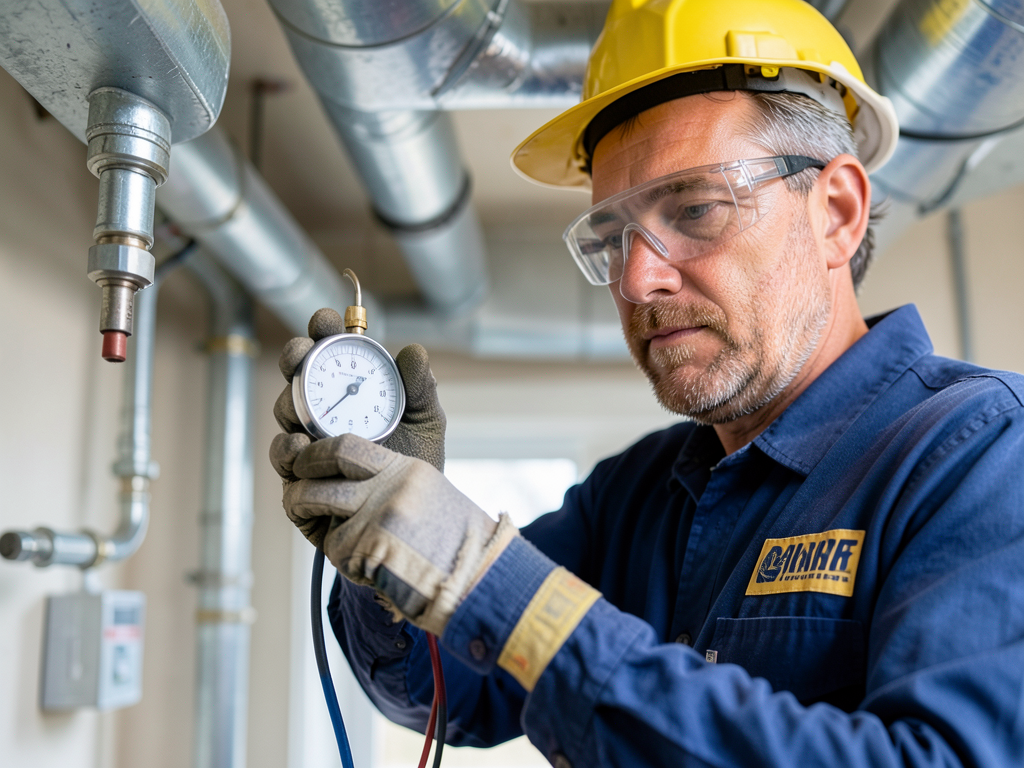
Patriot proudly serves San Antonio and surrounding communities with fast, reliable HVAC services. Use the map below to locate our service area and see if we’re available in your neighborhood. Whether you need a quick repair or full installation, we’re just a call away. Our mobile team is equipped and ready to meet you where you are. Count on Patriot for dependable service with a local touch.

Address:
Patriot HVAC San Antonio, 1100 Northwest Loop, San Antonio, TX, 91335

Additional Services We Offer

Our news updates

Latest Articles & News from The Blogs

Why Your AC Vents Are Whistling and How to Stop the Noise for Good That high-pitched whistle coming from your…

Why Your AC Vents Are Whistling and How to Stop the Noise for Good

Why Your AC Vents Are Whistling and How to Stop the Noise for Good That high-pitched whistle coming from your…

Why 72 Degrees Feels Different in San Antonio Than It Does Anywhere Else

Why 72 Degrees Feels Different in San Antonio Than It Does Anywhere Else When you set your thermostat to 72…

What Jefferson Terrace Homeowners Should Know About Older Ductwork and Modern Air Quality

What Jefferson Terrace Homeowners Should Know About Older Ductwork and Modern Air Quality \n\n Jefferson Terrace homes built in the…

Contact Us

Do not wait in the heat. Call Patriot HVAC San Antonio at (726) 259-0059 right now. Our emergency compressor repair team is standing by with replacement parts and the expertise to get your cooling system running again today.