





Universal City sits in the heart of Bexar County where summer temperatures regularly exceed 100 degrees for weeks at a time. Your air conditioner runs harder and longer here than in nearly any other climate in the country. Systems that would last 20 years in moderate climates often fail at 12 to 15 years in South Texas because of constant strain.
The humidity from nearby Canyon Lake and the Guadalupe River creates additional stress. Moisture buildup in ductwork promotes mold growth and corrodes components faster than in dry climates. When outdoor units sit in direct sun for 10 hours a day, refrigerant pressures spike and compressors work overtime just to maintain temperature.
Local soil conditions add another challenge. The clay-heavy ground around Universal City expands and contracts with moisture changes, shifting concrete pads and stressing refrigerant lines. We see cracked line sets and damaged connections regularly in neighborhoods near Olympia Hills and around Randolph Air Force Base where soil movement is most severe. Your HVAC system faces real environmental challenges here that demand experienced local service and preventive maintenance to avoid costly breakdowns.
Patriot HVAC San Antonio built its reputation responding to emergency calls across Universal City when other companies were booked days out or refused after-hours service. We answer our phones 24/7 because AC failures do not wait for business hours, and a home without cooling in July is dangerous, not just uncomfortable.
Our technicians carry fully-stocked trucks with the parts that fail most often in this climate. Capacitors, contactors, and thermostats are on every vehicle because we know what breaks in South Texas heat. We fix most problems on the first visit instead of ordering parts and coming back later. That saves you time, discomfort, and a second service call fee.
We also know Universal City's housing stock. The neighborhoods around Pat Booker Road feature older systems that need careful diagnosis, not automatic replacement pitches. Near Randolph AFB, we work with military families who need fast service that fits PCS schedules and housing timelines. In newer developments off Kitty Hawk Road, we see builder-grade equipment that needs early maintenance to reach full lifespan.
Our pricing is clear before we start work. You approve the repair cost, then we begin. No hidden fees, no surprise charges when the job is done. We have built trust across Universal City by doing what we promise, showing up when we say we will, and treating your home like our own.

AC failures happen at night and on weekends, often when temperatures are most extreme. We dispatch technicians around the clock to Universal City homes, arriving within hours to diagnose and repair heating and cooling emergencies. Real people answer our phones every time you call, day or night.

You see the total repair cost before any work begins. Our technicians diagnose the problem, explain what failed and why, then provide a fixed price to complete the repair. No hourly rates that climb while you watch, no surprise bills when the job is done.
Our vehicles carry the components that fail most often in Texas heat including capacitors, contactors, thermostats, and fan motors. We complete most repairs on the first visit instead of ordering parts and scheduling return trips. That gets your system running faster and saves you a second service call.
We know the neighborhoods, housing types, and common system problems specific to Universal City. From older homes near Pat Booker Road to newer construction off Kitty Hawk, we understand local installation practices and how South Texas climate affects different equipment brands and models installed here.
Patriot HVAC San Antonio handles every aspect of residential heating and cooling in Universal City. We repair systems that have stopped working, maintain equipment to prevent breakdowns, and replace units that are beyond economical repair. Our technicians are trained on all major brands including Carrier, Trane, Lennox, Goodman, and Rheem.
Emergency AC service dominates our call volume during summer months when temperatures stay above 95 degrees for days. We also perform furnace repairs during winter cold snaps, though heating failures are less common in South Texas. Year-round, we provide preventive maintenance that catches small problems before they become expensive emergencies.
Our installation teams handle complete system replacements when repair costs exceed the value of keeping an old unit running. We help you choose properly-sized equipment for your home's square footage and insulation levels, then install it according to manufacturer specifications and local building codes. Every service category addresses specific needs Universal City homeowners face in maintaining comfortable, efficient climate control.
When your air conditioner stops cooling or your furnace will not start, we dispatch technicians immediately to diagnose and fix the problem. We repair compressor failures, refrigerant leaks, electrical faults, blower motor problems, and thermostat issues. Most repairs are completed the same day with parts our trucks already carry. Emergency service is available nights, weekends, and holidays because climate control failures create urgent situations in South Texas heat and cannot wait for regular business hours.
Regular maintenance extends equipment life and prevents breakdowns during peak cooling season. Our tune-up service includes cleaning condenser coils, checking refrigerant levels, testing electrical connections, lubricating moving parts, and replacing air filters. We inspect ductwork for leaks and verify thermostat calibration. Scheduled maintenance catches failing capacitors and worn contactors before they strand you without AC on a 100-degree day. We recommend service twice yearly in Universal City because constant system runtime accelerates wear on all components.
When repair costs approach half the value of a new system, replacement makes better financial sense. We install complete central air systems including outdoor condensing units, indoor air handlers, thermostats, and ductwork modifications. Our team performs load calculations to size equipment correctly for your home's cooling needs, then installs units according to manufacturer specs. We handle all permits and inspections required by Universal City building codes. New high-efficiency systems reduce electric bills while providing better temperature control and humidity management.
Universal City's extreme heat and humidity create specific failure patterns we see repeatedly across all neighborhoods. Systems run longer duty cycles here than in moderate climates, wearing out components faster. The constant demand from May through October stresses every part of your HVAC system from the compressor to the smallest electrical connection.
Homes near Randolph Air Force Base often have aging equipment installed during original construction that is now reaching end of life. Neighborhoods around Pat Booker Road feature a mix of system ages and brands, each with unique maintenance needs. Newer developments off Kitty Hawk Road sometimes have undersized equipment that struggles to cool homes adequately during peak afternoon hours.
Understanding these common problems helps you recognize warning signs before complete failure occurs. Strange noises, reduced airflow, ice buildup on refrigerant lines, and rising electric bills all signal developing issues that are cheaper to fix early than after catastrophic breakdown.
The compressor is your system's most expensive component and works hardest in South Texas heat. When outdoor temperatures exceed 100 degrees, compressors run continuously for hours, building heat and pressure. Failed capacitors, low refrigerant levels, and dirty condenser coils force compressors to work even harder, leading to burnout. Replacement costs thousands, making preventive maintenance critical.
Refrigerant does not wear out, but it leaks through corroded line sets and failing connections. Low refrigerant reduces cooling capacity and causes ice buildup on indoor coils. Your system runs constantly but never reaches set temperature. Universal City's soil movement can crack underground or ground-level refrigerant lines, creating slow leaks that worsen over time and require professional leak detection and repair.
Capacitors and contactors fail frequently in extreme heat because they are electrical components exposed to outdoor temperatures. A failed capacitor prevents your compressor or fan motor from starting. Burned contactors create arcing and system shutdowns. These small parts cost little to replace but cause complete system failure when they quit. Most emergency calls during summer involve failed electrical components in the outdoor unit.
Ductwork in attics reaches 140 degrees during Universal City summers. Poorly sealed joints leak cooled air into attic spaces instead of delivering it to living areas. Inadequate insulation allows heat to transfer through duct walls, warming air before it reaches your rooms. Duct leaks waste energy and force your system to run longer, increasing wear and electric costs while reducing comfort.
We know you are calling because your home is uncomfortable and you need help fast. Our process is designed to get your system running again quickly while keeping you informed every step of the way. You talk to a real person when you call, not an answering service or voicemail. We ask specific questions about your system's symptoms to help our technician bring the right parts and tools.
For emergency calls, we dispatch immediately and provide an arrival window, then call when we are on the way. For scheduled maintenance or non-emergency service, we confirm appointments the day before and arrive during the scheduled window. Our technicians wear uniforms, carry ID, and treat your home respectfully by wearing shoe covers and using drop cloths.
The repair process is straightforward. We diagnose the problem, explain what failed and why, then provide a fixed price to complete the repair. You approve the cost before we begin work. Once repairs are complete, we test the system thoroughly and explain what we did. You get a detailed invoice and warranty information before we leave. Our goal is to solve your problem quickly while giving you confidence the repair will last.
Our technicians arrive with diagnostic tools and experience to identify problems quickly. We test electrical components, measure refrigerant pressures, inspect mechanical parts, and check airflow. Once we find the failure, we explain what happened in plain language without technical jargon. You will understand what broke, why it failed, and what needs to happen to fix it. We show you the failed part when possible and explain your options clearly.
After diagnosis, we provide a total repair cost before starting any work. The price includes parts, labor, and testing. No hourly rates, no surprise additions, no change orders. You approve the cost, then we complete the repair. If we discover additional problems during repair, we stop and explain the new issue before proceeding. You stay in control of all repair decisions and costs throughout the service call.
We test your system thoroughly after completing repairs to verify proper operation. We measure temperatures, check pressures, listen for unusual sounds, and confirm all safety controls function correctly. You receive warranty coverage on both parts and labor, protecting your investment in the repair. We also provide maintenance recommendations to help prevent future breakdowns and extend your system's lifespan. You get complete documentation of all work performed.
We have streamlined HVAC service to eliminate confusion and delay. From your first call to final system testing, every step focuses on getting your climate control working again quickly and correctly.
You call and describe your system problem. We ask specific questions to understand the symptoms and send the right technician with appropriate parts. For emergencies, we dispatch immediately and provide an arrival window. For scheduled service, we book a convenient time and confirm the appointment. We call when the technician is on the way so you know exactly when to expect arrival. You never wait around wondering when help will show up.
The technician tests your system, identifies the failed component, and explains the problem clearly. You see the diagnosis results and understand what needs repair. We provide a fixed price for the complete repair including parts and labor. You approve the cost before any repair work begins. If you choose not to proceed, you pay only the diagnostic fee. No pressure, no surprise charges, just clear information to make an informed decision.
Once you approve the repair, we complete the work efficiently using quality parts and proper techniques. After installation, we test the entire system to verify proper operation and performance. We check temperatures, pressures, electrical connections, and safety controls. You receive documentation of all work performed, warranty information, and maintenance recommendations. We clean up completely and answer any questions before leaving your home.
HVAC systems in Universal City operate under conditions that push equipment to its design limits. When outdoor temperatures reach 100 to 105 degrees, even properly functioning systems struggle to maintain indoor temperatures below 75 degrees during peak afternoon hours. This is not system failure but physics. Air conditioners are designed to create a 20-degree temperature differential between outdoor and indoor air under normal load. When it is 103 outside, getting below 80 inside represents good performance.
Proper system sizing matters enormously in this climate. Load calculations must account for insulation levels, window quality, roof color, and orientation. Undersized equipment runs constantly and never reaches set temperature. Oversized equipment short-cycles, failing to remove humidity and wearing out components through repeated startups. A Manual J load calculation performed by qualified technicians ensures correct equipment sizing for your specific home.
SEER ratings indicate efficiency but not cooling capacity. A 16 SEER system uses less electricity than a 14 SEER system of the same capacity, but neither will cool better. Both will produce the same BTUs of cooling. Higher SEER saves money on electric bills but does not improve comfort if the system is incorrectly sized or poorly installed.
Refrigerant type matters for service and replacement. Older systems use R-22 refrigerant that is no longer produced. Repairs requiring significant refrigerant addition on R-22 systems often cost more than the remaining value of the equipment, making replacement the better choice. Newer systems use R-410A refrigerant that is widely available. When considering repairs on older equipment, refrigerant type affects the repair-versus-replace decision significantly.
Ductwork design affects system performance as much as equipment quality. Undersized ducts create high static pressure that reduces airflow and forces blowers to work harder. Poorly insulated ducts in attics waste cooling capacity through heat transfer. Leaking duct joints send cooled air into attic spaces instead of living areas. Professional duct sealing and insulation often improve comfort and efficiency more than equipment upgrades when ductwork is the root problem.
Manual J load calculations determine correct system capacity for your home's square footage, insulation, windows, and orientation. Oversized equipment short-cycles and fails to remove humidity. Undersized systems run constantly without reaching set temperature. Both conditions waste energy and reduce equipment life. Proper sizing ensures efficient operation and consistent comfort throughout your home.
Proper installation following manufacturer specifications and local codes determines how well equipment performs and how long it lasts. Refrigerant lines must be sized correctly and charged precisely. Electrical connections must meet code requirements. Condensate drains must slope properly to prevent water backup. Poor installation voids warranties and causes premature failures even with quality equipment.
Systems that receive regular professional maintenance last significantly longer than neglected equipment. Cleaning coils, checking refrigerant, testing electrical components, and replacing filters prevents small problems from becoming expensive failures. In Universal City's extreme climate, maintenance should occur twice yearly before cooling and heating seasons. Preventive service costs far less than emergency repairs and extends equipment life by years.
SEER ratings indicate energy efficiency but not cooling capacity. A higher SEER unit uses less electricity to produce the same cooling as a lower SEER model. However, efficiency means nothing if the system is incorrectly sized or poorly installed. Proper sizing, quality installation, and regular maintenance affect your electric bill more than SEER rating differences of two or three points.
This video explains why HVAC systems fail more frequently in Universal City, Texas due to extreme heat and constant runtime. Topics include compressor stress from 100+ degree temperatures, refrigerant issues, electrical component failures, and ductwork problems specific to South Texas climate. Viewers learn warning signs of developing problems and understand why preventive maintenance matters in extreme climates. Patriot HVAC San Antonio provides practical information about air conditioning repair, system maintenance, and equipment replacement for Universal City homeowners.
Patriot HVAC San Antonio serves the entire Universal City area including established neighborhoods along Pat Booker Road where many homes feature original HVAC systems from the 1980s and 1990s. These older systems require experienced diagnosis because replacement parts are sometimes difficult to source. We maintain relationships with suppliers who stock legacy components for equipment no longer in production.
The neighborhoods surrounding Randolph Air Force Base present unique service needs. Military families often require fast turnaround to meet PCS timelines or base housing requirements. We work with property managers and military families to coordinate service around deployment schedules and transfer dates. Our technicians understand the urgency military relocations create and prioritize those service calls accordingly.
Newer developments off Kitty Hawk Road and around Olympia Hills feature modern high-efficiency systems that require different service approaches than older equipment. These systems use electronic controls and variable-speed components that demand specialized diagnostic tools and training. We invest in manufacturer training and professional-grade diagnostic equipment to service all system types correctly.
The areas near Olympia Parkway and around Coronado Village include a mix of housing ages and system types. We see everything from window units in older apartments to modern zoned systems in updated homes. Each installation presents different challenges related to ductwork access, equipment placement, and electrical capacity. Our experience across diverse housing types helps us solve problems efficiently regardless of home age or construction method.
Universal City's proximity to San Antonio means we can source parts quickly from multiple suppliers. When a repair requires a component our trucks do not stock, we can usually obtain it same-day from area suppliers instead of waiting for shipment. This geographic advantage helps us complete repairs faster than companies serving more remote areas. We know the streets, neighborhoods, and common system types throughout Universal City, allowing us to arrive prepared and complete service efficiently.
The $5000 rule helps you decide whether to repair or replace your HVAC system. Multiply the age of your unit by the repair cost. If the result exceeds $5000, replacement makes more financial sense. For example, if your 12-year-old AC needs a $500 compressor repair, that equals $6000, so you should consider a new system. Universal City homeowners face high humidity and intense heat that accelerate wear on aging equipment. This rule accounts for diminishing efficiency and upcoming repairs that pile up as units age beyond their expected lifespan.
HVAC installers in Universal City typically charge $75 to $150 per hour for labor, depending on experience level and job complexity. Commercial installations run higher due to specialized equipment and code requirements. Most companies quote project-based pricing rather than hourly rates because installation time varies with system size, ductwork modifications, and your home's layout. A straightforward residential swap might take 6-8 hours, while custom installations with duct replacement require multiple days. Your final labor cost reflects permits, disposal fees, and the crew size needed to complete the job safely.
A complete HVAC system for a 1200 square foot house in Universal City typically ranges from $5000 to $9000, depending on efficiency ratings and equipment brand. Smaller homes need 2 to 2.5 ton units to handle Texas heat and humidity. High SEER ratings reduce monthly electricity bills but increase upfront investment. Your final cost depends on ductwork condition, insulation quality, and whether you need upgrades to electrical service. Homes built before 2000 often require duct sealing or replacement to maximize efficiency. Schedule load calculations ensure proper sizing for consistent cooling.
The $5000 rule helps you decide whether to repair or replace your HVAC system. Multiply the age of your unit by the repair cost. If the result exceeds $5000, replacement makes more financial sense. For example, if your 12-year-old AC needs a $500 compressor repair, that equals $6000, so you should consider a new system. Universal City homeowners face high humidity and intense heat that accelerate wear on aging equipment. This rule accounts for diminishing efficiency and upcoming repairs that pile up as units age beyond their expected lifespan.
HVAC installers in Universal City typically charge $75 to $150 per hour for labor, depending on experience level and job complexity. Commercial installations run higher due to specialized equipment and code requirements. Most companies quote project-based pricing rather than hourly rates because installation time varies with system size, ductwork modifications, and your home's layout. A straightforward residential swap might take 6-8 hours, while custom installations with duct replacement require multiple days. Your final labor cost reflects permits, disposal fees, and the crew size needed to complete the job safely.
A complete HVAC system for a 1200 square foot house in Universal City typically ranges from $5000 to $9000, depending on efficiency ratings and equipment brand. Smaller homes need 2 to 2.5 ton units to handle Texas heat and humidity. High SEER ratings reduce monthly electricity bills but increase upfront investment. Your final cost depends on ductwork condition, insulation quality, and whether you need upgrades to electrical service. Homes built before 2000 often require duct sealing or replacement to maximize efficiency. Schedule load calculations ensure proper sizing for consistent cooling.
Standard HVAC service calls in Universal City cost $89 to $150, which covers the diagnostic visit and initial inspection. This trip charge applies toward repair costs if you approve the work. Emergency after-hours service on weekends or holidays typically doubles the base rate. The diagnostic fee lets technicians identify refrigerant leaks, electrical failures, or airflow restrictions. Many companies waive service call fees for existing maintenance plan members. Universal City's extreme summer heat makes regular tune-ups worthwhile to catch small problems before they trigger expensive emergency repairs during peak cooling season.
The Energy Efficient Home Improvement Credit may cover up to 30% of qualifying HVAC equipment costs in 2025, with annual limits. Your new system must meet specific SEER2, EER, and HSPF2 ratings to qualify. Heat pumps and central air conditioners with advanced efficiency standards are eligible. This federal tax credit differs from deductions because it reduces your tax liability dollar-for-dollar. Keep all receipts and manufacturer certification statements. Universal City homeowners should verify current IRS guidelines before purchasing since credit amounts and equipment requirements change. Consult a tax professional to determine your specific eligibility.
The 3 minute rule prevents compressor damage by requiring a minimum wait between AC shutdown and restart. When your system cycles off, refrigerant pressure needs three to five minutes to equalize throughout the system. Restarting too quickly forces the compressor to work against high pressure, shortening its lifespan. Many modern thermostats have built-in delay timers. If you lose power during Universal City thunderstorms, wait at least three minutes before restoring AC operation. Frequent short cycling indicates bigger problems like refrigerant leaks, oversized equipment, or faulty thermostat placement that need professional diagnosis.
HVAC systems for 2000 square foot homes in Universal City typically cost $7000 to $13000 installed. Most homes this size need 3 to 4 ton units depending on insulation, window quality, and ceiling height. Two-story layouts sometimes require zoned systems with dampers for balanced temperature control. High-efficiency variable-speed systems cost more upfront but reduce electricity bills in Universal City's long cooling season. Your installation cost includes refrigerant lines, condensate drains, thermostat upgrades, and ductwork modifications. Older homes may need electrical panel upgrades to handle modern equipment amperage requirements.
Complete HVAC installation takes 8 to 12 hours for straightforward residential replacements when ductwork remains intact. Your technicians remove the old system, install the new air handler and outdoor condenser, connect refrigerant lines, wire the thermostat, and test performance. Installations requiring duct replacement, attic access improvements, or electrical upgrades take two to three days. Universal City building inspectors must verify code compliance before final startup. Weather delays are rare given our climate, but supply chain issues can push equipment delivery timelines. Quality installers never rush critical steps like refrigerant charging and airflow balancing.
The compressor is the most expensive component to replace, often costing $1500 to $3000 including labor and refrigerant. This part pressurizes refrigerant to move heat from inside your home to the outdoor unit. Compressor failure usually results from refrigerant leaks, electrical problems, or lack of maintenance. Universal City's extreme heat stresses compressors harder than moderate climates. If your compressor fails and the unit exceeds 10 years old, replacement makes better financial sense than repair. Other costly components include the evaporator coil and air handler, but compressor replacement typically signals end-of-life for the entire system.
October through March offers the best HVAC purchasing window in Universal City when demand drops after cooling season. Manufacturers release new models in fall, prompting dealers to clear inventory with discounts. You avoid the spring rush when wait times stretch to weeks and emergency repairs spike prices. Scheduling installation during mild weather lets technicians work efficiently without extreme attic temperatures. Early spring works too, but October gives you maximum negotiating leverage. Planning ahead prevents panic buying during summer breakdowns when you accept whatever system installers have in stock at premium prices.
Standard HVAC service calls in Universal City cost $89 to $150, which covers the diagnostic visit and initial inspection. This trip charge applies toward repair costs if you approve the work. Emergency after-hours service on weekends or holidays typically doubles the base rate. The diagnostic fee lets technicians identify refrigerant leaks, electrical failures, or airflow restrictions. Many companies waive service call fees for existing maintenance plan members. Universal City's extreme summer heat makes regular tune-ups worthwhile to catch small problems before they trigger expensive emergency repairs during peak cooling season.
The Energy Efficient Home Improvement Credit may cover up to 30% of qualifying HVAC equipment costs in 2025, with annual limits. Your new system must meet specific SEER2, EER, and HSPF2 ratings to qualify. Heat pumps and central air conditioners with advanced efficiency standards are eligible. This federal tax credit differs from deductions because it reduces your tax liability dollar-for-dollar. Keep all receipts and manufacturer certification statements. Universal City homeowners should verify current IRS guidelines before purchasing since credit amounts and equipment requirements change. Consult a tax professional to determine your specific eligibility.
The 3 minute rule prevents compressor damage by requiring a minimum wait between AC shutdown and restart. When your system cycles off, refrigerant pressure needs three to five minutes to equalize throughout the system. Restarting too quickly forces the compressor to work against high pressure, shortening its lifespan. Many modern thermostats have built-in delay timers. If you lose power during Universal City thunderstorms, wait at least three minutes before restoring AC operation. Frequent short cycling indicates bigger problems like refrigerant leaks, oversized equipment, or faulty thermostat placement that need professional diagnosis.
HVAC systems for 2000 square foot homes in Universal City typically cost $7000 to $13000 installed. Most homes this size need 3 to 4 ton units depending on insulation, window quality, and ceiling height. Two-story layouts sometimes require zoned systems with dampers for balanced temperature control. High-efficiency variable-speed systems cost more upfront but reduce electricity bills in Universal City's long cooling season. Your installation cost includes refrigerant lines, condensate drains, thermostat upgrades, and ductwork modifications. Older homes may need electrical panel upgrades to handle modern equipment amperage requirements.
Complete HVAC installation takes 8 to 12 hours for straightforward residential replacements when ductwork remains intact. Your technicians remove the old system, install the new air handler and outdoor condenser, connect refrigerant lines, wire the thermostat, and test performance. Installations requiring duct replacement, attic access improvements, or electrical upgrades take two to three days. Universal City building inspectors must verify code compliance before final startup. Weather delays are rare given our climate, but supply chain issues can push equipment delivery timelines. Quality installers never rush critical steps like refrigerant charging and airflow balancing.
The compressor is the most expensive component to replace, often costing $1500 to $3000 including labor and refrigerant. This part pressurizes refrigerant to move heat from inside your home to the outdoor unit. Compressor failure usually results from refrigerant leaks, electrical problems, or lack of maintenance. Universal City's extreme heat stresses compressors harder than moderate climates. If your compressor fails and the unit exceeds 10 years old, replacement makes better financial sense than repair. Other costly components include the evaporator coil and air handler, but compressor replacement typically signals end-of-life for the entire system.
October through March offers the best HVAC purchasing window in Universal City when demand drops after cooling season. Manufacturers release new models in fall, prompting dealers to clear inventory with discounts. You avoid the spring rush when wait times stretch to weeks and emergency repairs spike prices. Scheduling installation during mild weather lets technicians work efficiently without extreme attic temperatures. Early spring works too, but October gives you maximum negotiating leverage. Planning ahead prevents panic buying during summer breakdowns when you accept whatever system installers have in stock at premium prices.
Patriot proudly serves San Antonio and surrounding communities with fast, reliable HVAC services. Use the map below to locate our service area and see if we’re available in your neighborhood. Whether you need a quick repair or full installation, we’re just a call away. Our mobile team is equipped and ready to meet you where you are. Count on Patriot for dependable service with a local touch.
Address:
Universal City, TX, 78148

Preparing Your Vacation Home or Rental for the San Antonio Summer Season \n\n The San Antonio summer brings extreme heat and humidity that can wreak havoc on your vacation home if you are not prepared.…
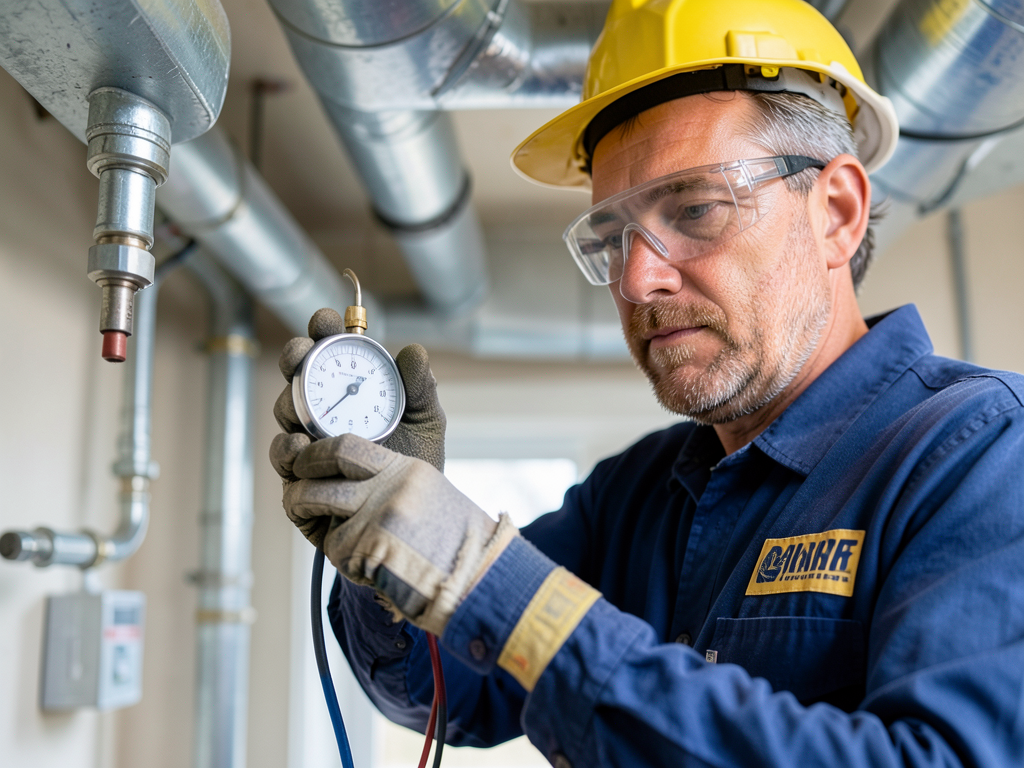
Why Your AC Vents Are Whistling and How to Stop the Noise for Good That…
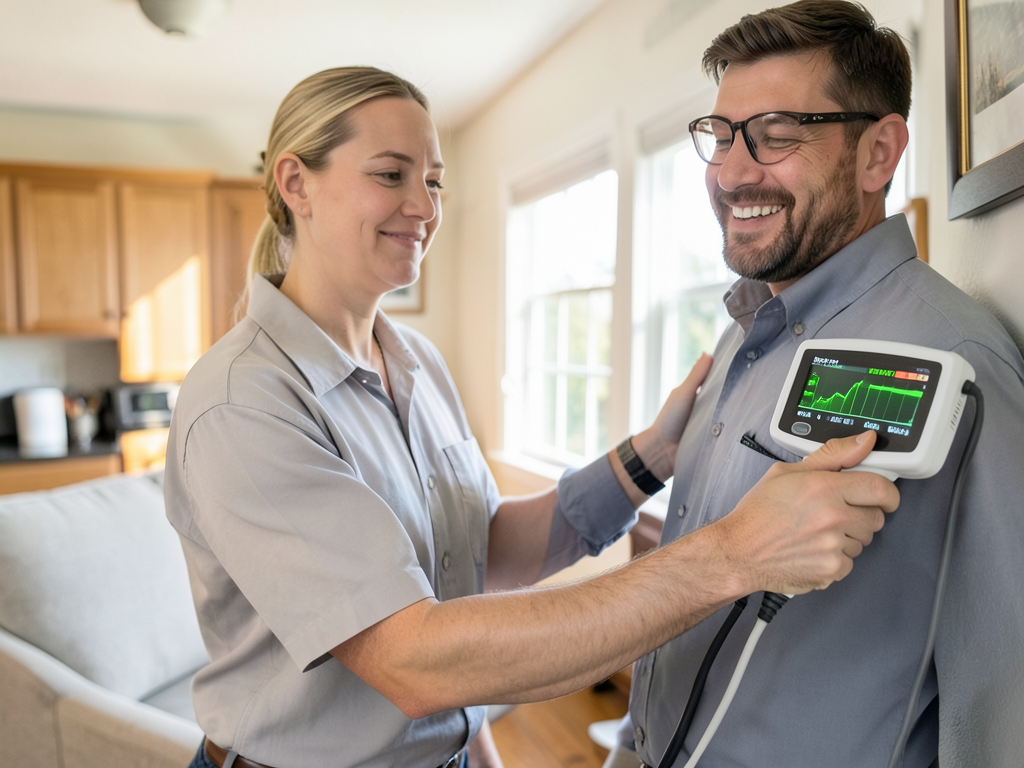
Why 72 Degrees Feels Different in San Antonio Than It Does Anywhere Else When you…

What Jefferson Terrace Homeowners Should Know About Older Ductwork and Modern Air Quality \n\n Jefferson…
Do not spend another hour uncomfortable in your own home. Call Patriot HVAC San Antonio now at (726) 259-0059 for fast, reliable heating and cooling repair. We dispatch immediately, diagnose accurately, and fix it right the first time. Available 24/7 for emergencies across Universal City.