





Schertz sits in the transition zone between San Antonio's urban heat island and the Texas Hill Country's temperature swings. Summer days regularly push past 100 degrees, forcing air conditioners to run 12-16 hours straight just to keep homes tolerable. The caliche clay soil common throughout Cibolo Valley neighborhoods causes foundation shifts that stress ductwork and refrigerant lines. When your house settles, connections loosen and efficiency drops.
North of FM 1518 toward Live Oak, newer developments install builder-grade systems that barely meet minimum efficiency standards. These units work hard from day one. In older neighborhoods near Main Street and Schertz Parkway, aging systems battle against inadequate insulation and single-pane windows common in pre-2000 construction. The Guadalupe County humidity makes condensate drain clogs a weekly problem during summer months.
Wind patterns from Randolph Air Force Base push dust and pollen through outdoor condenser coils, reducing airflow and forcing compressors to work harder. Most Schertz homes sit on concrete slabs, meaning ductwork runs through scorching attics where temperatures hit 140 degrees. This heat gain kills efficiency and shortens equipment life. Your system fights Texas climate every single day.
Patriot HVAC San Antonio built its reputation answering emergency calls other companies ignore. We don't schedule you three days out when your system dies on a Saturday afternoon. Our dispatch team coordinates same-day service across Schertz and surrounding areas, getting techs to your door while competitors are still checking their calendars.
Every truck carries a complete inventory of common replacement parts for residential and light commercial systems. Capacitors, contactors, thermostats, drain float switches, and blower motors are already on board. We stock refrigerant for R-22 legacy systems and modern R-410A units. When we diagnose the problem, we fix it immediately instead of leaving you without air while we order parts.
Our technicians average 12 years of field experience. They trained on systems from every major manufacturer and hold EPA Section 608 certification for refrigerant handling. They read electrical diagrams, understand airflow dynamics, and troubleshoot complex issues other techs misdiagnose. We don't send apprentices to learn on your emergency.
We give you straight answers about repair costs before we start work. If your compressor failed and replacement costs more than a new system, we tell you. If a simple capacitor swap fixes the problem for under $200, that's what we do. No commission structure pushes our techs to sell you unnecessary equipment. We fix what's broken and keep your system running until you're ready to replace it on your timeline, not ours.

We dispatch to Schertz emergencies within 2-4 hours of your call, seven days a week. Our techs work evenings and weekends because HVAC failures don't wait for business hours. When you're sweating through a Texas summer night or your heat quits during a freeze, we answer the phone and send help immediately.

Our vehicles carry over 300 common replacement parts for residential and commercial systems. Capacitors, contactors, thermostats, transformers, blower motors, and refrigerant are already loaded before we arrive. We complete most repairs during the first visit instead of ordering parts and scheduling follow-up appointments days later.
Every tech on our team averages over a decade of field experience and holds EPA Section 608 certification. They trained on systems from Carrier, Trane, Lennox, Goodman, Rheem, and York. They diagnose electrical failures, refrigerant leaks, airflow restrictions, and control board issues other companies miss or misidentify.
We service the unique challenges Schertz systems face from caliche soil foundation shifts, attic heat gain, and condensate drainage problems caused by high humidity. We understand how local construction methods and climate patterns affect system performance across different neighborhoods from Cibolo Valley to areas near Randolph AFB.
Patriot HVAC San Antonio handles every aspect of residential and commercial climate control from emergency breakdowns to planned system replacements. We service central air conditioners, heat pumps, gas furnaces, electric heating systems, ductless mini-splits, and packaged rooftop units. Our service range covers single-family homes, apartment complexes, retail spaces, office buildings, and light industrial facilities throughout Schertz and Guadalupe County.
We separate our services into three core areas based on what you need right now. Emergency repair work addresses immediate failures and breakdowns that leave you without cooling or heating. Preventive maintenance keeps existing systems running efficiently and catches small problems before they become expensive failures. System replacement and installation handles new construction projects and equipment upgrades when repairs no longer make financial sense. Each service category requires different expertise, parts inventory, and project timelines.
Your system failed and you need it working again immediately. We diagnose compressor failures, refrigerant leaks, blower motor breakdowns, thermostat malfunctions, electrical failures, and frozen evaporator coils. Our trucks carry replacement capacitors, contactors, motors, thermostats, and refrigerant to complete most repairs during the first visit. We service all major brands and handle both residential and light commercial equipment. Most emergency repairs finish within 2-3 hours of arrival.
Regular maintenance prevents emergency breakdowns and extends equipment life by 5-10 years. We clean condenser coils, check refrigerant charge, test capacitors and contactors, lubricate motors, inspect electrical connections, clear condensate drains, and replace air filters. We catch worn parts before they fail and optimize system efficiency to lower your electric bills. Schedule service twice yearly before cooling and heating seasons start.
When repair costs exceed replacement value, we install new high-efficiency systems sized correctly for your space. We handle load calculations, equipment selection, ductwork modifications, electrical upgrades, and permit processing. We install Carrier, Trane, Lennox, and Goodman systems with manufacturer warranties up to 10 years. Most residential installations complete in one day with minimal disruption to your home or business operations.
The combination of extreme Texas heat, high humidity, and local construction methods creates specific problems for Schertz HVAC systems. Attic temperatures exceeding 140 degrees in summer force systems to work against massive heat gain. Caliche clay soil causes foundation movement that stresses ductwork connections and refrigerant lines. Older homes near downtown Schertz lack proper insulation, making systems run constantly just to maintain comfortable temperatures.
Dust and pollen from agricultural areas east of town clog outdoor condenser coils and reduce airflow. High humidity causes condensate drain lines to clog with algae growth, leading to water damage and emergency shutdowns. Many homes use undersized systems installed by builders trying to cut costs, meaning equipment never keeps up with cooling demand during peak summer months. These issues compound over time, turning minor problems into complete system failures.
Caliche clay soil expands and contracts with moisture changes, causing foundations to shift. This movement stresses copper refrigerant lines running between indoor and outdoor units. Small cracks develop at connection points, slowly leaking refrigerant. Your system runs constantly but never cools properly. We locate leaks using electronic detectors, repair the damaged section, and recharge the system to manufacturer specifications.
Schertz humidity creates constant condensation on evaporator coils. This water drains through PVC pipes that clog with algae, dust, and biological growth. When drains back up, safety switches shut down your system to prevent water damage. You lose cooling during the hottest days. We clear blockages, install float switches, and treat drain lines to prevent future clogs.
Outdoor condenser units near Schertz Parkway and FM 1518 collect dust, cottonwood seeds, grass clippings, and pollen. This debris blocks airflow through aluminum fins, forcing the compressor to work harder and raising head pressure. Your electric bill climbs and the system struggles to cool. We pressure wash coils, straighten bent fins, and restore full airflow to bring efficiency back to normal levels.
Texas heat kills capacitors faster than any other component. These small cylinders provide the electrical jolt needed to start compressors and blower motors. When they fail, your system won't turn on or runs but never cools. Contactors wear out from constant cycling during long cooling seasons. We carry replacement capacitors and contactors on every truck and swap failed parts during the same visit.
When your HVAC system fails, you need clear information and fast action. Patriot HVAC San Antonio eliminates the frustration of waiting days for service or dealing with companies that won't give straight answers about costs. From your first phone call to final system checkout, we focus on getting your climate control working again with minimal disruption and maximum transparency.
Our process prioritizes speed and honesty. You talk to a real person who schedules service based on urgency, not arbitrary appointment slots. Our techs arrive in marked trucks with all diagnostic tools and common parts already loaded. They explain what failed, why it happened, and exactly what it costs to fix before starting any work. You make informed decisions instead of feeling pressured into unnecessary repairs or replacements.
Call (726) 259-0059 and you reach our dispatch team directly, not an answering service or voicemail system. We ask about your symptoms, determine urgency, and schedule service the same day for emergencies. You get a two-hour arrival window, not vague all-day appointments. We text you when the tech is 30 minutes away so you're not stuck waiting around. For non-emergency maintenance, we work around your schedule including evenings and weekends.
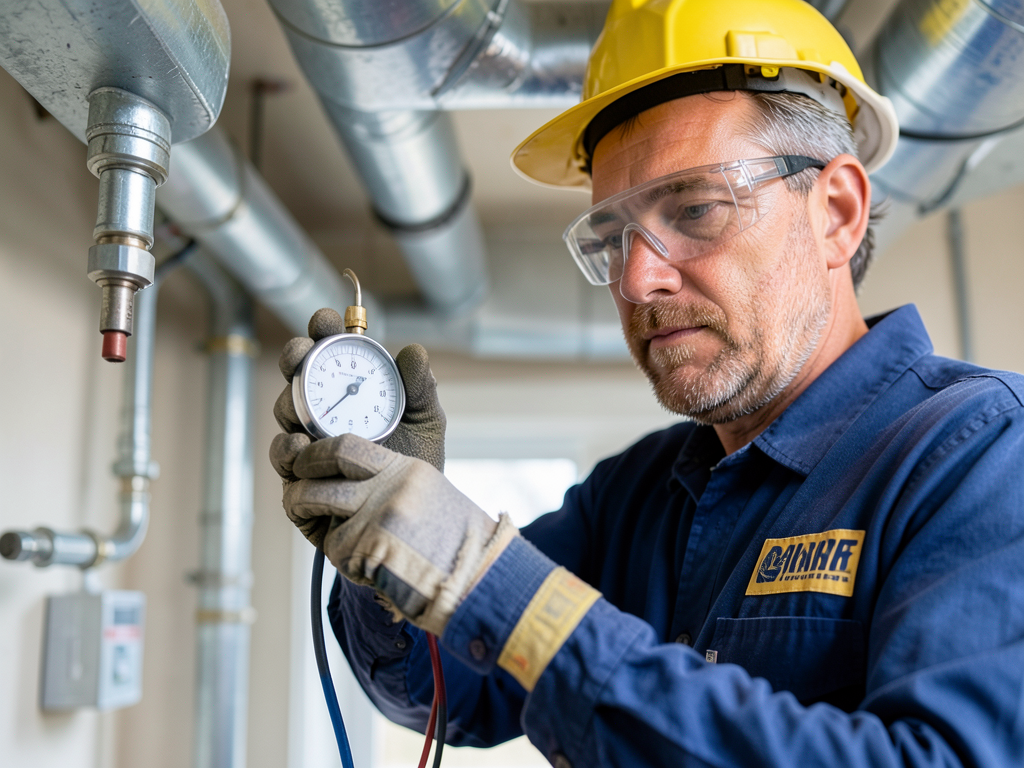
Our tech arrives and immediately starts diagnostic work using manifold gauges, multimeters, and inspection tools. They check refrigerant levels, test electrical components, inspect ductwork, and measure airflow. Once they identify the problem, they explain what failed in plain language and give you an exact repair cost before touching anything. No surprise charges, no hidden fees, no pressure tactics. You approve the work or decline without obligation.
After you approve the repair, we complete the work using quality replacement parts that meet or exceed original equipment specifications. We don't use cheap knockoff components that fail in six months. Once repairs finish, we run full system tests checking temperatures, pressures, and airflow to confirm everything operates correctly. You get documentation of all work performed and recommendations for preventing future problems. We clean up completely and haul away any replaced parts.
We built our service process around speed and accuracy. Most HVAC repairs follow a predictable pattern when you have experienced techs and proper equipment. We eliminate unnecessary delays and guesswork.
Our tech arrives within hours of your call and immediately starts diagnostic work. They check thermostat settings, inspect the outdoor condenser, examine the indoor air handler, and test electrical components. Using manifold gauges, they measure refrigerant pressures and temperatures. Multimeters test capacitors, contactors, and control boards. They inspect ductwork for leaks and restrictions. Most diagnostics complete within 30-45 minutes, identifying exactly what failed and why.
Once you approve the repair quote, we pull the necessary parts from our truck inventory and complete the work immediately. We replace failed capacitors, swap broken contactors, repair refrigerant leaks, clear drain clogs, or install new blower motors using manufacturer-grade components. For refrigerant work, we recover old charge, repair the leak, vacuum the system, and recharge to exact specifications. Most repairs finish within 1-2 hours of diagnosis.
After repairs complete, we run the system through complete cooling or heating cycles. We measure supply and return air temperatures, verify proper airflow, check refrigerant pressures, and confirm all safety controls work correctly. Your system must hit target temperatures and operate efficiently before we consider the job complete. You receive documentation of all work performed, parts replaced, and system performance measurements. We explain any additional maintenance your system needs to prevent future failures.
Professional HVAC work in Texas follows strict technical standards and legal requirements that protect both system performance and homeowner safety. The Texas Department of Licensing and Regulation oversees HVAC contractor licensing, requiring technicians to demonstrate competency in refrigeration principles, electrical systems, and safety protocols. All refrigerant handling requires EPA Section 608 certification under federal Clean Air Act regulations. Techs must prove they can properly recover, recycle, and charge systems without venting refrigerants into the atmosphere.
Schertz falls under the International Residential Code as adopted by Guadalupe County, which sets minimum standards for duct sizing, equipment installation, clearances, and ventilation. Systems must meet SEER efficiency ratings based on installation date. Modern replacements require minimum 14 SEER in Texas, though higher efficiency systems qualify for utility rebates. All electrical work must comply with National Electrical Code standards for disconnect switches, circuit protection, and grounding.
Refrigerant charging follows manufacturer superheat and subcooling specifications, not guesswork. Proper charging requires accurate temperature and pressure measurements under specific conditions. Overcharging wastes money and damages compressors. Undercharging kills efficiency and causes ice buildup. We use digital manifold gauges that calculate target charge based on outdoor temperature and system design.
Ductwork installation and repair must meet ACCA Manual D standards for proper sizing. Undersized ducts create high static pressure that reduces airflow and shortens equipment life. Oversized ducts cause low velocity and poor dehumidification. We calculate required duct sizes based on airflow requirements, not standard templates. All connections require mastic sealant or approved foil tape, never cloth duct tape that degrades in attic heat.
Load calculations for new installations follow ACCA Manual J methodology, accounting for insulation levels, window area, orientation, occupancy, and local climate data. Systems sized by rules of thumb or square footage alone run inefficiently. Oversized units short-cycle and fail to dehumidify. Undersized units run constantly and never maintain comfort. We perform room-by-room calculations to determine exact capacity requirements before recommending equipment.
Federal law requires EPA Section 608 certification for any tech who handles refrigerants. This certification proves competency in proper recovery, recycling, and charging procedures. Uncertified techs who vent refrigerants face fines up to $37,500 per violation. We maintain current certifications for all technicians and use approved recovery equipment that meets EPA standards for preventing atmospheric releases.
Repair costs depend on failed component type, refrigerant requirements, and system accessibility. Simple capacitor replacements run $150-$250. Blower motors cost $400-$700 installed. Compressor replacements range $1,200-$2,500 depending on size and refrigerant type. R-22 refrigerant costs significantly more than R-410A due to phase-out regulations. Systems in difficult locations like tight attics or rooftops add labor time.
Most emergency repairs complete within 2-3 hours of tech arrival including diagnosis, part replacement, and system testing. Simple fixes like capacitor swaps or thermostat replacements finish in under an hour. Complex repairs involving refrigerant leak detection, compressor replacement, or extensive ductwork modifications may require 4-6 hours. We give accurate time estimates upfront based on diagnosed problems, not vague ranges.
Texas requires HVAC contractors to hold either a Residential Appliance Installation license or HVAC technician registration through TDLR. These licenses require passing technical exams covering refrigeration cycles, electrical systems, combustion analysis, and safety codes. All work must meet International Residential Code standards adopted by local jurisdictions. We maintain current licensing and insurance to protect your property during service work.
Educational video explaining common HVAC failures affecting Schertz, Texas homeowners and how to choose qualified repair services. Covers refrigerant leaks, capacitor failures, compressor problems, and ductwork issues caused by local climate and soil conditions. Discusses technical repair standards including EPA certification, contractor licensing requirements, and realistic cost expectations for air conditioning and heating repairs in the Schertz area.
Patriot HVAC San Antonio provides complete heating and cooling services throughout Schertz and the greater Guadalupe County area. We service neighborhoods from the established communities near Main Street and Schertz Parkway to newer developments spreading east toward Cibolo and north toward Live Oak. Our techs know the unique challenges different areas present, from older homes with inadequate ductwork in central Schertz to modern construction in Crossvine and Woodland Oak that often uses builder-grade equipment needing frequent service.
The Cibolo Valley area presents specific challenges with foundation movement caused by expansive clay soils. Homes in Ashley Place, Meadow Land, and Oak Run frequently experience refrigerant line stress from settling. We respond to service calls in these neighborhoods weekly, repairing leaks and recharging systems affected by ground movement. Properties near FM 1518 and FM 78 deal with heavy dust and agricultural debris that clogs condenser coils faster than homes in more sheltered locations.
North Schertz neighborhoods closer to Randolph Air Force Base, including areas around Roy Richard Drive and Aviation Avenue, face different issues. Wind patterns from the airfield push dust and contaminants through outdoor units. The proximity to Interstate 35 adds traffic particulates to the mix. We clean condenser coils in these areas twice as often as properties in quieter residential zones. Commercial properties along FM 3009 and Schertz Parkway require fast response for business-critical cooling failures, and we prioritize these calls to minimize revenue loss.
Older downtown properties near Main Street and Live Oak Street often need extensive ductwork modifications when replacing aging systems. These homes were built with minimal insulation and undersized ducts that can't handle modern high-efficiency equipment without airflow upgrades. We provide honest assessments about necessary modifications instead of forcing new equipment into inadequate infrastructure that kills performance.
We also serve surrounding communities including Cibolo, Universal City, Selma, and Garden Ridge. Each area has distinct characteristics. Cibolo properties built in the last decade typically have newer systems needing preventive maintenance rather than major repairs. Universal City homes near Randolph AFB share the dust and wind challenges of North Schertz. Selma and Garden Ridge properties often sit on larger lots with longer refrigerant line runs that complicate leak detection and repair.
Our service area extends throughout northeast Bexar County and western Guadalupe County. We maintain fast response times across this region by strategically positioning service vehicles and coordinating dispatch to minimize drive time during emergencies.
The $5000 rule is a guideline for deciding between repair or replacement. Multiply your system's age by the repair cost. If the total exceeds $5000, replacement makes more financial sense. For example, a 12-year-old system needing a $500 repair equals $6000, suggesting replacement. In Schertz, where high humidity and intense summer heat stress HVAC components, older systems lose efficiency fast. This rule helps you avoid throwing money at a failing unit. Factor in rising energy bills and repair frequency when making your decision.
HVAC job costs vary widely based on scope. Simple repairs like capacitor replacement run $150 to $400. Compressor replacement costs $1200 to $2500. Full system replacement for an average Schertz home ranges from $4500 to $10000, depending on unit size, SEER rating, and ductwork condition. Installation complexity matters. Homes with existing ductwork cost less than new construction. High-efficiency systems cost more upfront but lower monthly bills in Texas heat. Get multiple quotes and compare warranties, not just price tags.
A 2000 square foot home in Schertz needs a 2.5 to 4-ton system, costing $5000 to $9000 installed. Texas heat demands proper sizing. Undersized units run constantly and fail early. Oversized units short-cycle and create humidity problems. Your actual cost depends on insulation quality, window efficiency, ceiling height, and sun exposure. Two-story homes need more capacity than single-story layouts. Factor in ductwork modifications and high-SEER equipment for long-term savings. Load calculations determine correct sizing for your specific home.
The $5000 rule is a guideline for deciding between repair or replacement. Multiply your system's age by the repair cost. If the total exceeds $5000, replacement makes more financial sense. For example, a 12-year-old system needing a $500 repair equals $6000, suggesting replacement. In Schertz, where high humidity and intense summer heat stress HVAC components, older systems lose efficiency fast. This rule helps you avoid throwing money at a failing unit. Factor in rising energy bills and repair frequency when making your decision.
HVAC job costs vary widely based on scope. Simple repairs like capacitor replacement run $150 to $400. Compressor replacement costs $1200 to $2500. Full system replacement for an average Schertz home ranges from $4500 to $10000, depending on unit size, SEER rating, and ductwork condition. Installation complexity matters. Homes with existing ductwork cost less than new construction. High-efficiency systems cost more upfront but lower monthly bills in Texas heat. Get multiple quotes and compare warranties, not just price tags.
A 2000 square foot home in Schertz needs a 2.5 to 4-ton system, costing $5000 to $9000 installed. Texas heat demands proper sizing. Undersized units run constantly and fail early. Oversized units short-cycle and create humidity problems. Your actual cost depends on insulation quality, window efficiency, ceiling height, and sun exposure. Two-story homes need more capacity than single-story layouts. Factor in ductwork modifications and high-SEER equipment for long-term savings. Load calculations determine correct sizing for your specific home.
New HVAC systems in Texas range from $4500 to $12000 installed. Central Texas heat makes cooling capacity the priority. Budget 14-SEER systems cost less but run more. Higher-efficiency 16 to 18-SEER units reduce electric bills in Schertz's brutal summers. Add $800 to $2000 for variable-speed technology that handles humidity better. Location matters. Guadalupe County building codes may require specific efficiency ratings. Installation quality affects performance and lifespan. Cheap installs lead to expensive callbacks. Get proper load calculations before purchasing.
A 4000 square foot home needs a 5 to 7-ton system or dual-zone setup, costing $8000 to $18000. Large Schertz homes often require two smaller units instead of one oversized system. Dual systems provide better temperature control and efficiency. Your layout matters. Open floor plans cool differently than compartmentalized designs. High ceilings add volume that requires more capacity. Factor in attic insulation, window quality, and sun exposure. Commercial-grade equipment may suit larger homes better than residential units for reliability.
The 3-minute rule prevents compressor damage. After your AC shuts off, wait 3 minutes before restarting. This allows refrigerant pressure to equalize between the high and low sides of the system. Starting too soon forces the compressor to work against high pressure, causing electrical stress and premature failure. In Schertz heat, homeowners frequently adjust thermostats. Modern thermostats include built-in delay protection. If your unit trips breakers or struggles to start, the compressor may be failing. This simple wait protects expensive components.
A 1200 square foot home needs a 1.5 to 2.5-ton system, costing $3500 to $7000 installed. Smaller Schertz homes still face intense Texas sun and humidity. Proper sizing matters more than square footage alone. Factors include insulation quality, window orientation, shade trees, and roof color. Single-story homes with good attic ventilation need less capacity than poorly insulated spaces. Ductwork condition affects installation cost. Older homes may need duct sealing or replacement. High-efficiency units cost more but pay back faster in smaller spaces.
HVAC systems last 12 to 18 years with proper maintenance. Schertz's climate shortens lifespan compared to milder regions. Units run 6 to 8 months yearly here, accumulating wear faster. High humidity corrodes components. Lack of maintenance kills systems early. Annual tune-ups extend life by catching small problems before they cascade. Coastal proximity adds salt air concerns for some Schertz neighborhoods. Cheaper builder-grade units fail sooner than quality equipment. After 12 years, efficiency drops and repairs increase. Plan replacement before catastrophic failure hits during summer.
Common HVAC repairs include capacitor failure, refrigerant leaks, contactor issues, and blower motor problems. Capacitors fail from heat stress and power surges. Refrigerant leaks cause ice buildup and poor cooling. Dirty coils reduce efficiency and strain compressors. Thermostat malfunctions create comfort issues. In Schertz, clogged condensate drains from high humidity trigger shutdowns. Electrical connections corrode in Texas heat. Ductwork leaks waste cooled air in attics. Regular filter changes prevent most blower problems. Neglected maintenance turns minor issues into expensive compressor or evaporator coil replacements.
October through December offers the best HVAC pricing in Schertz. Demand drops after cooling season, and contractors offer discounts to fill schedules. Manufacturers release rebates before year-end. You avoid summer emergency pricing and get installation slots quickly. Spring sees price increases as demand rises. Never wait until your system fails in June when wait times stretch for weeks. Fall installations let technicians work comfortably, improving quality. Plan ahead if your system is over 12 years old. Off-season purchases give you negotiating power and better equipment selection.
New HVAC systems in Texas range from $4500 to $12000 installed. Central Texas heat makes cooling capacity the priority. Budget 14-SEER systems cost less but run more. Higher-efficiency 16 to 18-SEER units reduce electric bills in Schertz's brutal summers. Add $800 to $2000 for variable-speed technology that handles humidity better. Location matters. Guadalupe County building codes may require specific efficiency ratings. Installation quality affects performance and lifespan. Cheap installs lead to expensive callbacks. Get proper load calculations before purchasing.
A 4000 square foot home needs a 5 to 7-ton system or dual-zone setup, costing $8000 to $18000. Large Schertz homes often require two smaller units instead of one oversized system. Dual systems provide better temperature control and efficiency. Your layout matters. Open floor plans cool differently than compartmentalized designs. High ceilings add volume that requires more capacity. Factor in attic insulation, window quality, and sun exposure. Commercial-grade equipment may suit larger homes better than residential units for reliability.
The 3-minute rule prevents compressor damage. After your AC shuts off, wait 3 minutes before restarting. This allows refrigerant pressure to equalize between the high and low sides of the system. Starting too soon forces the compressor to work against high pressure, causing electrical stress and premature failure. In Schertz heat, homeowners frequently adjust thermostats. Modern thermostats include built-in delay protection. If your unit trips breakers or struggles to start, the compressor may be failing. This simple wait protects expensive components.
A 1200 square foot home needs a 1.5 to 2.5-ton system, costing $3500 to $7000 installed. Smaller Schertz homes still face intense Texas sun and humidity. Proper sizing matters more than square footage alone. Factors include insulation quality, window orientation, shade trees, and roof color. Single-story homes with good attic ventilation need less capacity than poorly insulated spaces. Ductwork condition affects installation cost. Older homes may need duct sealing or replacement. High-efficiency units cost more but pay back faster in smaller spaces.
HVAC systems last 12 to 18 years with proper maintenance. Schertz's climate shortens lifespan compared to milder regions. Units run 6 to 8 months yearly here, accumulating wear faster. High humidity corrodes components. Lack of maintenance kills systems early. Annual tune-ups extend life by catching small problems before they cascade. Coastal proximity adds salt air concerns for some Schertz neighborhoods. Cheaper builder-grade units fail sooner than quality equipment. After 12 years, efficiency drops and repairs increase. Plan replacement before catastrophic failure hits during summer.
Common HVAC repairs include capacitor failure, refrigerant leaks, contactor issues, and blower motor problems. Capacitors fail from heat stress and power surges. Refrigerant leaks cause ice buildup and poor cooling. Dirty coils reduce efficiency and strain compressors. Thermostat malfunctions create comfort issues. In Schertz, clogged condensate drains from high humidity trigger shutdowns. Electrical connections corrode in Texas heat. Ductwork leaks waste cooled air in attics. Regular filter changes prevent most blower problems. Neglected maintenance turns minor issues into expensive compressor or evaporator coil replacements.
October through December offers the best HVAC pricing in Schertz. Demand drops after cooling season, and contractors offer discounts to fill schedules. Manufacturers release rebates before year-end. You avoid summer emergency pricing and get installation slots quickly. Spring sees price increases as demand rises. Never wait until your system fails in June when wait times stretch for weeks. Fall installations let technicians work comfortably, improving quality. Plan ahead if your system is over 12 years old. Off-season purchases give you negotiating power and better equipment selection.
Patriot proudly serves San Antonio and surrounding communities with fast, reliable HVAC services. Use the map below to locate our service area and see if we’re available in your neighborhood. Whether you need a quick repair or full installation, we’re just a call away. Our mobile team is equipped and ready to meet you where you are. Count on Patriot for dependable service with a local touch.
Address:
Schertz, TX, 78154

Preparing Your Vacation Home or Rental for the San Antonio Summer Season \n\n The San Antonio summer brings extreme heat and humidity that can wreak havoc on your vacation home if you are not prepared.…
Why Your AC Vents Are Whistling and How to Stop the Noise for Good That…

Why 72 Degrees Feels Different in San Antonio Than It Does Anywhere Else When you…

What Jefferson Terrace Homeowners Should Know About Older Ductwork and Modern Air Quality \n\n Jefferson…
Your air conditioner or heater isn't working and you need it fixed now, not three days from now. Call Patriot HVAC San Antonio at (726) 259-0059 for same-day emergency service. We answer immediately, diagnose accurately, and repair it right the first time.