





menu

Commercial AC Repair in San Antonio – Minimize Downtime with Industrial-Grade Solutions

When your business cooling system fails, you lose revenue by the hour. Our commercial HVAC repair team delivers fast diagnostics and permanent fixes that keep your San Antonio operation running without interruption.

Slider Image 1
Slider Image 2
Slider Image 3
Slider Image 4
Slider Image 5
Slider Image 7
Slider Image 8
Slider Image 9
Slider Image 10
Slider Image 11

Why Commercial Cooling Failures Cost San Antonio Businesses More Than You Think

San Antonio's extreme summer heat pushes commercial air conditioning systems past their limits. When temperatures exceed 100 degrees for weeks at a stretch, compressors run continuously, refrigerant pressures climb, and electrical components degrade faster than in milder climates. A single cooling failure in a warehouse, restaurant, or retail space does not just create discomfort. It triggers inventory spoilage, employee productivity losses, and customer complaints that damage your reputation.

The South Texas climate also accelerates wear on condenser coils. Dust from construction activity along I-35 and I-10, combined with high humidity, creates a film that reduces heat transfer efficiency. Your system works harder, consumes more electricity, and fails earlier than expected. When you notice uneven cooling, rising utility bills, or strange noises from your rooftop unit, the damage is already progressing. Delaying commercial hvac repair in San Antonio means paying for emergency service at peak rates while your operation limps along on portable units that cannot handle your building's load.

Business ac repair is not a convenience issue. It is a liability issue. OSHA regulations require safe working temperatures. If your facility cannot maintain code-compliant conditions, you risk fines, worker compensation claims, and operational shutdowns. The window between a minor repair and a catastrophic system replacement is narrow in this climate. Industrial ac repair demands technicians who understand three-phase power, variable frequency drives, and the thermal load calculations specific to commercial spaces in San Antonio's climate zone.

Why Commercial Cooling Failures Cost San Antonio Businesses More Than You Think
How We Diagnose and Repair Commercial Cooling Systems Faster

How We Diagnose and Repair Commercial Cooling Systems Faster

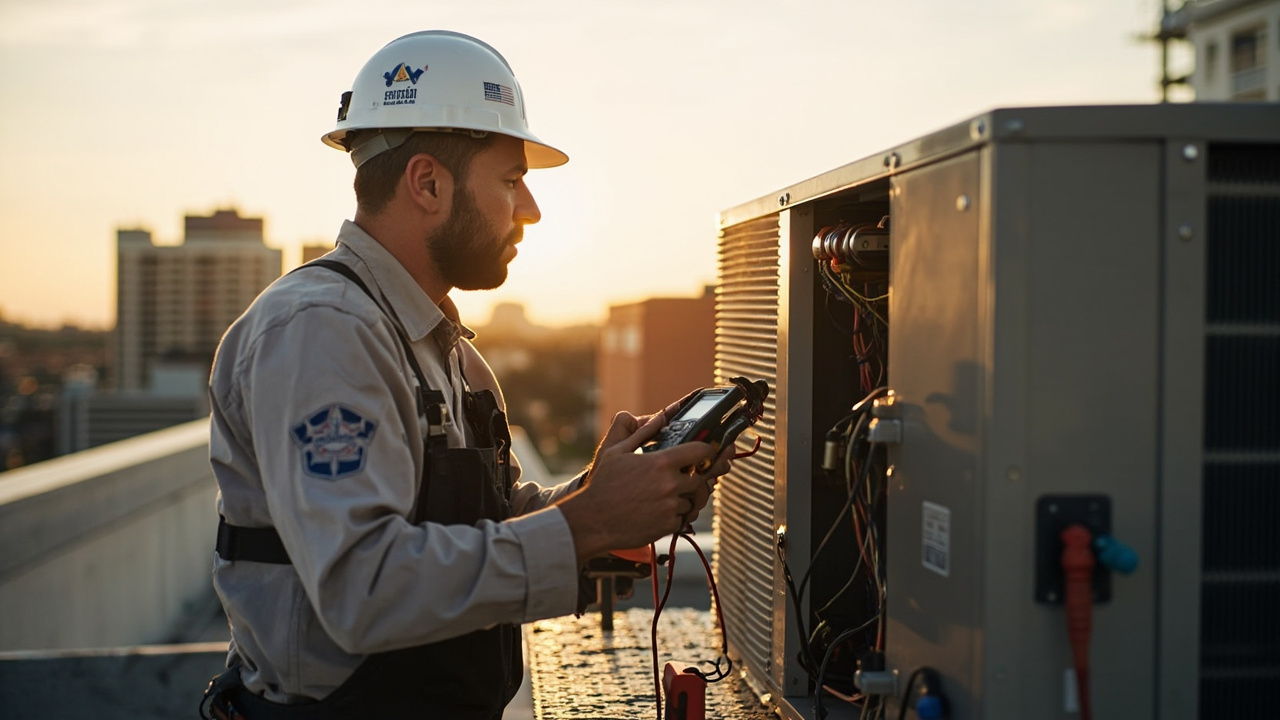
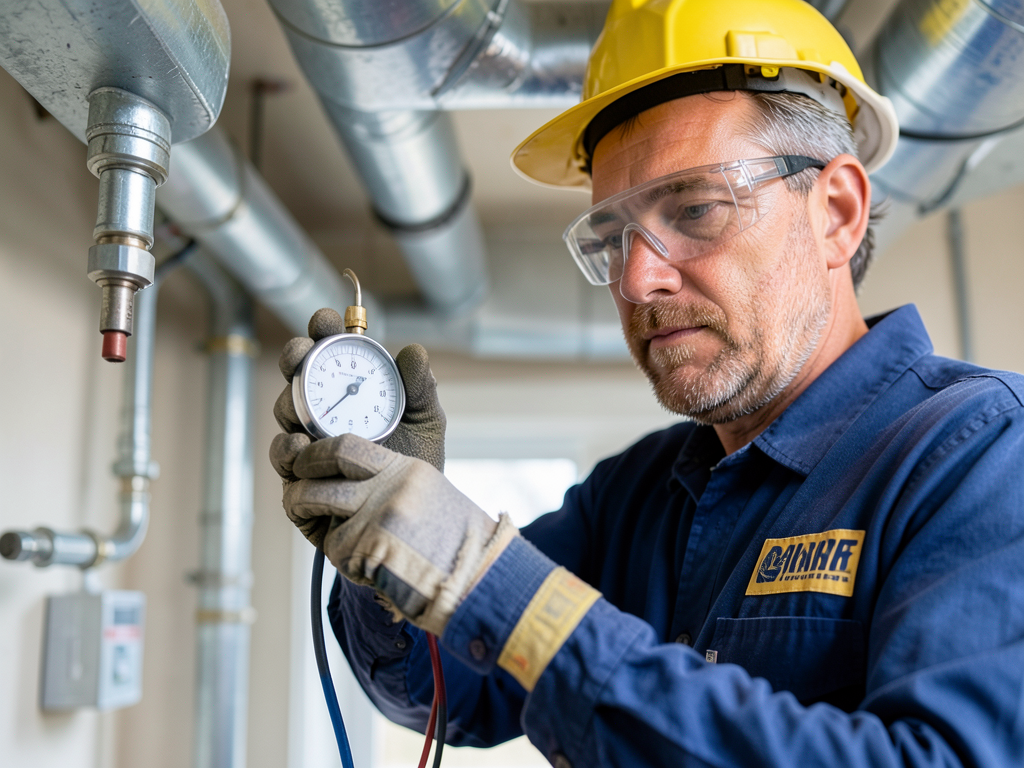
Commercial air conditioning repair requires diagnostic tools and technical expertise that residential service cannot provide. We deploy thermal imaging cameras to identify hot spots in electrical panels before they cause fires. We use refrigerant analyzers to detect contamination that standard gauges miss. Our technicians carry manometer kits to measure static pressure across ductwork sections, pinpointing airflow restrictions that reduce capacity and spike energy costs.

When we arrive at your San Antonio facility, we do not guess. We test amperage draw on compressor motors, measure subcooling and superheat across the expansion valve, and verify voltage balance across all three phases. If your rooftop unit is short cycling, we check for failed contactors, weak capacitors, and dirty flame sensors in gas-fired units. If your chilled water system is underperforming, we inspect pump seals, glycol concentrations, and control valve actuators. Each component gets measured against manufacturer specifications, not assumptions.

Our repair approach minimizes business interruption. We stock OEM replacement parts for Trane, Carrier, Lennox, and York commercial units on our trucks. When a compressor fails on a Friday afternoon, we do not leave you waiting until Monday for a part shipment. We carry 3-ton to 10-ton scroll compressors, TXV assemblies, and ECM blower motors that fit the commercial cooling systems common in San Antonio's retail and industrial sectors. If your building requires a specialized component, we coordinate with local suppliers to secure same-day delivery. Patriot HVAC San Antonio prioritizes keeping your operation online while we complete the repair correctly.

What Happens During Your Commercial AC Service Call

Commercial AC Repair in San Antonio – Minimize Downtime with Industrial-Grade Solutions
01

System Assessment and Load Analysis

We begin with a full system evaluation, measuring airflow at each diffuser, checking refrigerant pressures under load, and documenting electrical readings across all circuits. Our technicians inspect ductwork for leaks, verify thermostat programming, and calculate whether your current system capacity matches your building's actual cooling load. This data-driven approach identifies root causes instead of treating symptoms.
02

Targeted Repair Execution

Once we isolate the failure point, we execute the repair using manufacturer-approved procedures. Whether we are replacing a failed condenser fan motor, repairing a refrigerant leak with nitrogen pressure testing, or recalibrating an economizer damper, we follow ASHRAE standards and local San Antonio building codes. You receive documentation of all work performed, including updated refrigerant logs and electrical safety checks.
03

Performance Verification and Optimization

After repairs, we run your system through a full cooling cycle, measuring temperature drops across evaporator coils and verifying airflow meets design specifications. We adjust belt tensions, lubricate bearings, and clean condenser coils to restore peak efficiency. You get a written performance report showing before and after measurements, proving your system now operates at its intended capacity and efficiency level.

Why San Antonio Businesses Trust Local Commercial HVAC Expertise

San Antonio's commercial buildings face unique cooling challenges that out-of-town contractors do not understand. The limestone bedrock beneath most of the metro area causes foundation settlement that stresses ductwork connections. Buildings near Loop 410 and the Medical Center deal with vibration from heavy truck traffic that loosens mounting hardware on rooftop units. Warehouses in the Port San Antonio area handle corrosive dust from manufacturing operations that attacks coil fins and electrical contacts. These location-specific issues require technicians who have diagnosed them repeatedly across hundreds of local service calls.

Our team knows which Bexar County permit requirements apply to refrigerant handling and which do not. We understand how the city's rapid commercial growth along the 1604 corridor has created electrical grid stress that causes voltage fluctuations damaging to sensitive HVAC controls. When you call a national chain or a residential-focused contractor, you get technicians reading manuals on site. When you call Patriot HVAC San Antonio, you get professionals who have repaired similar systems in similar buildings throughout this metro area.

We maintain relationships with local supply houses that stock commercial-grade components. If your chiller needs a specialized gasket or your air handler requires a custom control board, we know which San Antonio distributor carries it and can get it delivered within hours. That local supply chain access translates directly into faster repairs and less downtime for your operation. We also understand the seasonal demand patterns here. When August heat waves strain the grid and multiple systems fail simultaneously, we prioritize commercial clients whose operations cannot afford extended outages.

What Your Commercial AC Repair Service Includes

Rapid Response and After-Hours Availability

Commercial cooling failures do not wait for business hours. We maintain on-call technicians who respond to emergency service requests within two hours across the San Antonio metro area. Whether your restaurant loses cooling during dinner service or your data center experiences a chiller failure at midnight, we dispatch qualified technicians with fully stocked service vehicles. You get a preliminary assessment within the first 30 minutes on site, followed by a detailed repair plan that prioritizes getting your system operational as quickly as possible without compromising quality.

Comprehensive System Diagnostics

Our diagnostic process examines every component that affects cooling performance. We test compressor windings for shorts, measure refrigerant flow rates through expansion devices, and analyze airflow patterns using digital anemometers. You receive a written diagnostic report that explains what failed, why it failed, and what additional components show early wear indicators. This transparency allows you to make informed decisions about immediate repairs versus system replacement. We provide repair cost estimates before starting work, so you control the budget without surprise charges.

Code-Compliant Repairs and Documentation

Every repair meets current San Antonio building codes and manufacturer warranty requirements. We document refrigerant additions in compliance with EPA regulations, pull permits when required for major component replacements, and provide detailed invoices that satisfy insurance and tax documentation needs. If your building undergoes inspection or audit, our service records demonstrate proper maintenance and code adherence. This documentation protects your business from liability and preserves equipment warranty coverage that improper repairs would void.

Preventive Maintenance Planning

After completing your repair, we provide a customized maintenance schedule based on your system type, operating hours, and San Antonio's climate demands. Regular filter changes, coil cleaning, and refrigerant level checks prevent 80 percent of commercial cooling failures. We offer quarterly service agreements that include priority emergency response, discounted repair rates, and scheduled tune-ups timed around your slow seasons. This proactive approach reduces unexpected downtime and extends your equipment lifespan by years compared to run-to-failure operations.

Frequently Asked Questions

You Have Questions,
We Have Answers

What is the $5000 AC rule? +

The $5000 AC rule is an IRS depreciation guideline. If your commercial AC repair or replacement costs less than $5000, you can deduct it as a business expense in the current tax year. If it exceeds $5000, you must depreciate the cost over several years. This threshold matters for San Antonio businesses managing seasonal HVAC investments. Repairs like compressor replacements or refrigerant recharges typically fall below this limit, while full rooftop unit replacements exceed it. Consult your CPA to determine whether your repair qualifies as an immediate deduction or requires capitalization for proper tax treatment.

What are common commercial HVAC problems? +

Commercial systems in San Antonio face refrigerant leaks due to constant cycling in extreme heat, thermostat malfunctions from voltage fluctuations, clogged drain lines from high humidity, and compressor failure from overwork during summer months. Dirty evaporator coils reduce efficiency when filters are neglected. Blower motor issues arise from dust accumulation in warehouses or manufacturing spaces. Contactors and capacitors wear out from frequent starts and stops. Ductwork leaks waste cooled air in older buildings. San Antonio's temperature swings stress rooftop units year-round. Regular diagnostics catch these problems before they cause downtime or impact employee productivity and customer comfort.

What are the costs of commercial HVAC repair? +

Commercial HVAC repair costs vary based on system size, accessibility, and failure type. Minor repairs like capacitor replacement or refrigerant top-offs are less expensive. Mid-range repairs include blower motor replacement or control board fixes. Major repairs like compressor or evaporator coil replacement cost significantly more. Multi-unit buildings or rooftop installations increase labor costs. Emergency after-hours service carries premium rates. San Antonio's commercial building codes may require upgrades during repairs. Preventive maintenance reduces long-term repair expenses by catching failures early. Request detailed diagnostics before approving work to understand scope, prioritize repairs based on business continuity needs, and budget for seasonal demands.

What is the 3 minute rule for AC? +

The 3 minute rule prevents short cycling damage. After shutting down your commercial AC, wait three minutes before restarting. This allows refrigerant pressures to equalize between the high and low sides of the system. Immediate restarts force the compressor to start against high pressure, causing electrical strain and premature failure. In San Antonio's commercial facilities, power interruptions or thermostat adjustments during peak cooling hours risk short cycling. Modern systems include delay timers, but older units lack this protection. Train facility managers to avoid rapid on-off cycles. This simple practice extends compressor life and reduces emergency repair calls during summer.

Can I write off my new AC unit on my taxes? +

You can write off a new commercial AC unit, but the method depends on cost and IRS rules. Units under $5000 qualify as repairs and are fully deductible in the purchase year. Units exceeding $5000 must be depreciated over their useful life, typically 39 years for commercial property improvements. Section 179 allows some businesses to deduct the full cost immediately if they meet eligibility requirements. Bonus depreciation may apply to certain installations. San Antonio businesses should document whether the installation is a repair, replacement, or building improvement. Consult a tax professional to maximize deductions and ensure compliance with current IRS guidelines.

What is the average lifespan of an HVAC? +

Commercial HVAC systems last 15 to 20 years with proper maintenance. Rooftop units in San Antonio face harsher conditions due to intense UV exposure, temperature extremes, and constant operation during extended cooling seasons. Light commercial systems in office spaces may reach 20 years. Heavy-use environments like restaurants or data centers see shorter lifespans due to continuous runtime. Coastal humidity accelerates corrosion in some San Antonio areas. Neglected maintenance reduces lifespan significantly. Regular filter changes, coil cleaning, and refrigerant checks extend operational life. After 15 years, efficiency drops and repair frequency increases. Budget for replacement when repair costs exceed 50 percent of new equipment value.

What is the 2 foot rule for HVAC? +

The 2 foot rule requires maintaining two feet of clearance around outdoor AC units for proper airflow and service access. San Antonio commercial properties often place rooftop units near HVAC equipment, exhaust vents, or parapet walls. Obstructions restrict airflow, reduce cooling efficiency, and cause compressor overheating. Debris like leaves, trash, or roofing materials accumulate without clearance. Technicians need space for repairs and refrigerant service. Local building codes enforce clearance requirements during inspections. Commercial property managers should trim vegetation, remove stored items, and ensure ductwork or piping does not encroach on the clearance zone. Proper spacing reduces energy costs and prevents premature system failure.

What is the most common part to fail on an AC unit? +

Capacitors fail most often in commercial AC units. These components store electrical charge to start compressor and blower motors. San Antonio's extreme heat accelerates capacitor degradation. Symptoms include hard starting, humming sounds without startup, or system shutdowns. Capacitors are inexpensive parts but require immediate replacement to prevent compressor damage. Contactors, which control electrical flow, also fail frequently from constant cycling. Blower motors wear out in high-use environments. Regular inspections catch weak capacitors before failure. Commercial facilities should stock replacement capacitors for common unit sizes to minimize downtime. Preventive replacement during maintenance visits avoids emergency service calls during peak business hours.

How often should a commercial HVAC system be serviced? +

Commercial HVAC systems require professional service twice yearly, ideally in spring and fall before peak cooling and heating seasons. San Antonio's extended summer demands pre-season inspections to catch refrigerant leaks, worn contactors, and dirty coils before failure. High-use facilities like restaurants, data centers, or medical offices benefit from quarterly service. Maintenance includes filter changes, electrical connections inspection, refrigerant pressure checks, drain line cleaning, and blower motor lubrication. Regular service reduces energy costs, prevents downtime, and extends equipment life. Document service records for warranty compliance and insurance claims. Schedule maintenance during off-hours to avoid disrupting business operations or employee comfort.

Will insurance cover HVAC repair? +

Standard commercial property insurance typically excludes HVAC repair unless damage results from a covered peril like fire, vandalism, or storm damage. Wear and tear, neglect, or mechanical breakdown are not covered. San Antonio businesses can purchase equipment breakdown coverage or inland marine policies for HVAC protection. This covers sudden failures from electrical surges, motor burnout, or refrigerant system rupture. Review your policy to confirm coverage limits and deductibles. Document regular maintenance to support claims, as insurers deny coverage for neglected systems. Emergency repairs from covered events may qualify, but age-related failures do not. Consult your insurance agent about adding mechanical breakdown coverage for critical systems.

Why San Antonio's Climate Makes Commercial AC Maintenance Critical for Business Operations

San Antonio experiences over 110 days annually with temperatures above 90 degrees, and summer heat indices regularly exceed 105 degrees. This extended cooling season forces commercial HVAC systems to run 60 percent longer than units in temperate climates. Compressors designed for 2,000 annual operating hours hit that threshold by July in South Texas. The constant thermal cycling degrades refrigerant oil, weakens capacitor dielectrics, and accelerates bearing wear in blower motors. Commercial buildings without proactive maintenance face failure rates triple the national average during peak summer months when your business needs cooling most.

San Antonio's commercial sector depends on contractors who understand local building practices and environmental factors. Many older commercial structures along Broadway and in Southtown use flat roofs with inadequate drainage that pool water around rooftop HVAC units. The Hill Country limestone prevalent throughout Bexar County creates hard water that clogs condensate lines and fouls evaporator coils. Choosing a commercial hvac repair provider with documented experience across San Antonio's diverse commercial architecture ensures you get technicians who anticipate these issues before they cause system failures. Local expertise translates directly into fewer callbacks, longer equipment life, and lower total operating costs.
HVAC Services in The San Antonio Area

Patriot proudly serves San Antonio and surrounding communities with fast, reliable HVAC services. Use the map below to locate our service area and see if we’re available in your neighborhood. Whether you need a quick repair or full installation, we’re just a call away. Our mobile team is equipped and ready to meet you where you are. Count on Patriot for dependable service with a local touch.

Address:
Patriot HVAC San Antonio, 1100 Northwest Loop, San Antonio, TX, 91335

Additional Services We Offer

Our news updates

Latest Articles & News from The Blogs

Why Your AC Vents Are Whistling and How to Stop the Noise for Good That high-pitched whistle coming from your…

Why Your AC Vents Are Whistling and How to Stop the Noise for Good

Why Your AC Vents Are Whistling and How to Stop the Noise for Good That high-pitched whistle coming from your…

Why 72 Degrees Feels Different in San Antonio Than It Does Anywhere Else

Why 72 Degrees Feels Different in San Antonio Than It Does Anywhere Else When you set your thermostat to 72…

What Jefferson Terrace Homeowners Should Know About Older Ductwork and Modern Air Quality

What Jefferson Terrace Homeowners Should Know About Older Ductwork and Modern Air Quality \n\n Jefferson Terrace homes built in the…

Contact Us

Every hour your system stays down costs you money. Call Patriot HVAC San Antonio now at (726) 259-0059 for immediate commercial AC repair service. We answer 24/7 and dispatch technicians across the San Antonio metro with the parts and expertise to fix your system right the first time.