





menu

Commercial Heating Services in San Antonio – Minimize Downtime with Industrial-Grade HVAC Solutions

Keep your San Antonio facility operational year-round with commercial heating contractors who understand the demands of Texas winters and the critical need for uninterrupted climate control in warehouses, offices, and industrial spaces.

Slider Image 1
Slider Image 2
Slider Image 3
Slider Image 4
Slider Image 5
Slider Image 7
Slider Image 8
Slider Image 9
Slider Image 10
Slider Image 11

Why San Antonio Commercial Facilities Cannot Afford Heating System Failures

San Antonio's unpredictable winter temperatures create operational chaos for commercial properties. While daytime highs hover in the 60s, overnight lows can drop into the 20s during cold fronts sweeping across the Hill Country. These temperature swings stress aging boilers, rooftop units, and heat exchangers in warehouses, retail spaces, and office buildings across the Alamo City.

When your heating system fails, you face immediate consequences. Employees cannot work in 40-degree office conditions. Inventory freezes. Customers leave. Production halts. Every hour of downtime translates to lost revenue and damaged client relationships.

San Antonio's commercial heating demands differ from residential needs. Your facility requires higher BTU output, multi-zone control, and equipment rated for continuous operation. A 50,000-square-foot distribution center in the Port San Antonio area needs different commercial HVAC heating services than a medical office building near the South Texas Medical Center.

The clay soil underlying much of Bexar County causes foundation shifts that stress ductwork connections and gas lines. Combined with the region's humidity variations, these conditions accelerate corrosion in heat exchangers and flue pipes. Commercial heating solutions must account for these local factors to prevent catastrophic failures during the coldest nights of January and February.

Industrial heating services cannot follow residential timelines. When a warehouse heating system fails, you need response within hours, not days. You need commercial heating companies that stock industrial-grade parts and maintain the diagnostic equipment required for complex rooftop packaged units and modular boiler systems common in San Antonio's commercial infrastructure.

Why San Antonio Commercial Facilities Cannot Afford Heating System Failures
How Commercial Heating Contractors Restore Climate Control Without Disrupting Operations

How Commercial Heating Contractors Restore Climate Control Without Disrupting Operations

Commercial heating system repairs and installations follow a different methodology than residential work. We dispatch technicians with commercial certifications and experience with multi-stage gas furnaces, hydronic heating loops, and Variable Air Volume systems typical in San Antonio office buildings and manufacturing facilities.

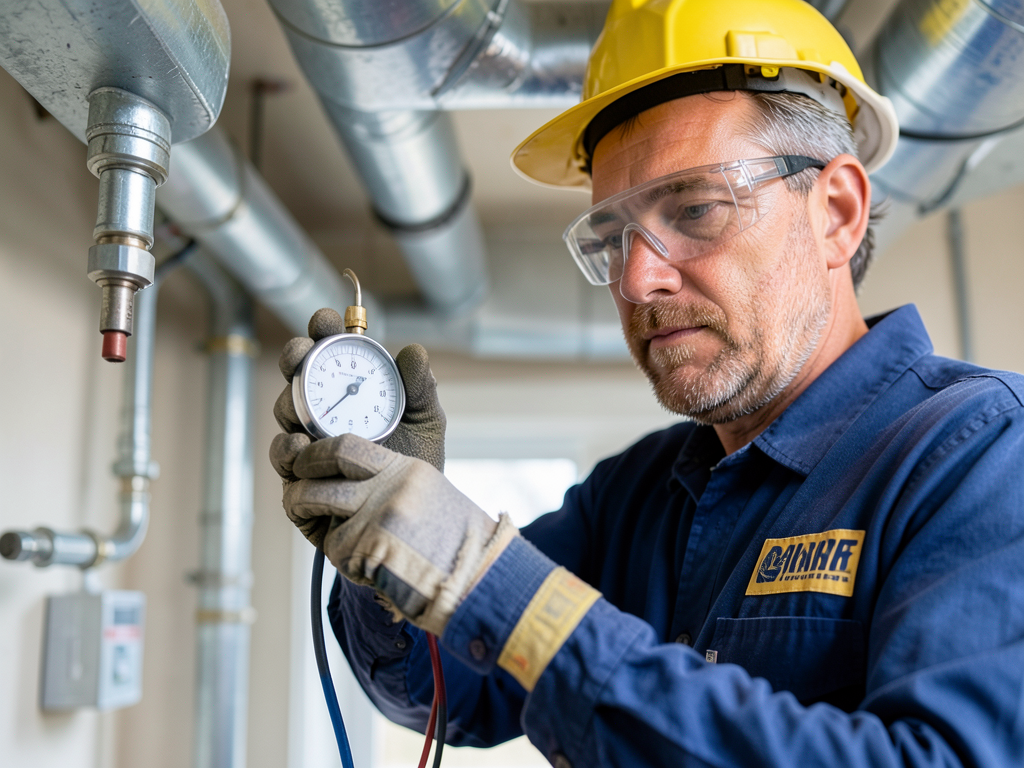
Our diagnostic approach begins with building load calculations and airflow measurements. We use manometers to test gas pressure at manifolds, combustion analyzers to measure flue gas efficiency, and thermal imaging to identify heat loss patterns in large spaces. These tools reveal problems that basic visual inspections miss, particularly in rooftop units mounted 30 feet above ground level.

For facilities in the Brooks City Base development or along the I-10 industrial corridor, we coordinate repairs around your operational schedule. Night shifts and weekend installations prevent daytime disruptions. We stage equipment deliveries to loading docks, not front entrances, and maintain clean work zones that meet your facility's safety protocols.

Ductwork integrity matters more in commercial applications than residential ones. A small leak in a 24-inch main supply trunk wastes thousands of cubic feet per minute of conditioned air. We pressure-test duct sections, seal leaks with mastic compound rated for commercial applications, and verify proper damper operation in multi-zone systems.

Emergency heating repairs often involve modular solutions. If a rooftop unit fails completely, we can install temporary heating equipment while ordering replacement components. This approach keeps your space operational while permanent repairs proceed. We maintain relationships with commercial HVAC distributors who stock industrial heating services components that residential suppliers never carry, which reduces lead times for critical parts.

Our Commercial Heating System Deployment Process

Commercial Heating Services in San Antonio – Minimize Downtime with Industrial-Grade HVAC Solutions
01

Facility Assessment and Load Analysis

We evaluate your building's heating requirements through comprehensive load calculations that account for ceiling height, insulation values, occupancy patterns, and process heat generated by equipment. For warehouses in areas like the Mission del Lago corridor, we measure infiltration rates at loading dock doors and factor in the thermal mass of concrete slab foundations common to San Antonio commercial construction.
02

System Design and Equipment Specification

We specify equipment matched to your operational demands, not generic catalog recommendations. This includes selecting appropriate heat exchanger materials for your facility's humidity conditions, sizing blower motors for your duct system's static pressure, and configuring control sequences that integrate with existing building automation systems. We provide detailed equipment submittals that meet San Antonio commercial building code requirements for mechanical systems.
03

Installation and System Commissioning

Installation teams follow commercial construction standards, including proper gas pipe sizing per fuel load calculations, electrical disconnects that meet NEC requirements, and condensate drainage that prevents freeze damage during cold snaps. We commission systems through startup procedures that verify ignition sequences, safety controls, and temperature setpoint accuracy across all zones. You receive documentation of test results and equipment settings required for warranty compliance.

Why San Antonio Facility Managers Choose Local Commercial Heating Specialists

Commercial heating work requires familiarity with San Antonio's building code amendments and inspection requirements that differ from state minimums. The City of San Antonio mandates specific venting configurations for condensing furnaces and requires pressure testing on all gas piping modifications. Contractors unfamiliar with these local codes create compliance issues that delay occupancy permits and certificate of completion documentation.

We maintain relationships with mechanical inspectors in the San Antonio Development Services Department, which streamlines the permitting process for heating system replacements in commercial buildings. When installing equipment in historic structures downtown or in the King William District, we navigate the additional review requirements from the Office of Historic Preservation without project delays.

Our service territory covers the entire Alamo Heights area, Stone Oak business district, and the expanding commercial zones along Loop 1604. We know which parts suppliers stock components for the Trane, Carrier, and Lennox rooftop units common on San Antonio commercial buildings. This local supply chain access reduces downtime when you need a heat exchanger for a 15-year-old packaged unit on a Saturday morning.

Facility maintenance requires ongoing relationships, not transactional service calls. We track equipment history, maintain parts inventories for your specific units, and schedule preventive maintenance around your fiscal calendar. Property managers at multi-tenant office buildings appreciate coordinated service schedules that address heating issues across multiple suites without disrupting tenant operations.

Industrial facilities in areas like the Toyota plant corridor or the aerospace manufacturing zone near Port San Antonio require contractors who understand process heating and make-up air systems. We work with facilities that need 500,000 BTU heating capacity and the specialized controls that regulate temperatures in powder coating ovens or temperature-controlled storage areas.

What to Expect from Professional Commercial Heating Services

Response Time and Service Availability

Commercial heating emergencies receive priority dispatch with technicians available for after-hours calls. When a heating system fails at your retail location during business hours or a warehouse loses climate control during a cold snap, we respond within two hours for emergency situations in the San Antonio metro area. Non-emergency service calls receive same-day or next-business-day scheduling based on your facility's operational requirements. We coordinate large-scale repairs and installations around your business calendar to minimize disruption to your operations, employees, and customers.

Comprehensive System Evaluation

Initial assessments include full system diagnostics using commercial-grade testing equipment. We measure supply and return air temperatures across all zones, test gas pressure and combustion efficiency, verify proper airflow using digital anemometers, and inspect electrical components for proper voltage and amperage. You receive a written evaluation that documents current system performance, identifies components approaching end of life, and provides recommendations prioritized by safety concerns and operational impact. This evaluation includes thermal imaging that reveals insulation deficiencies and air leakage patterns invisible to standard inspections.

Quality Standards and Code Compliance

All heating system work meets or exceeds International Mechanical Code standards and San Antonio amendments to municipal code. Installations include proper equipment mounting that accounts for seismic requirements, gas piping sized according to fuel load calculations, and electrical connections that comply with National Electrical Code requirements. We pull necessary permits for equipment replacements and coordinate inspections with city officials. Your facility receives documentation of completed work, including equipment specifications, test results, and warranty information required for building maintenance records and future property transactions.

Preventive Maintenance Programs

Ongoing maintenance contracts extend equipment life and prevent unexpected failures. Scheduled maintenance includes filter replacements, burner cleaning, heat exchanger inspection, belt tensioning, and control calibration performed at intervals appropriate for your equipment's duty cycle. High-use facilities receive quarterly visits while standard office buildings typically need semi-annual service. Maintenance visits include written reports documenting system performance trends, which help you budget for future capital improvements and avoid emergency replacements during peak heating season. Contract customers receive priority scheduling and discounted rates on repair parts and labor.

Frequently Asked Questions

You Have Questions,
We Have Answers

What is the $5000 rule for HVAC? +

The $5000 rule is an IRS guideline allowing businesses to expense equipment purchases under $5000 immediately rather than depreciate them over time. For commercial HVAC repairs or component replacements in San Antonio, this means costs below that threshold can be deducted in full during the tax year incurred. This applies to single units like thermostats, compressors, or small package units. If your repair exceeds $5000, it typically requires capitalization and depreciation. Consult your CPA to determine if your HVAC expense qualifies as a repair or improvement for proper tax treatment and maximum business continuity.

What is the most common commercial HVAC system? +

Rooftop units dominate commercial HVAC installations in San Antonio. These packaged systems consolidate heating, cooling, and ventilation into a single weather-resistant unit mounted on the roof. They save valuable interior square footage, simplify maintenance access, and handle the high cooling loads common in South Texas. RTUs work efficiently in buildings from 2000 to 50,000 square feet, including retail centers, offices, and industrial facilities. Split systems serve smaller commercial spaces, while larger facilities may use chilled water systems or variable refrigerant flow technology. Your building layout, occupancy load, and zoning requirements determine the optimal system configuration.

How much do HVAC installers charge per hour? +

Commercial HVAC labor rates in San Antonio typically range from $75 to $150 per hour depending on system complexity, technician certification level, and service timing. Emergency after-hours calls command premium rates. Complex installations involving rooftop units, ductwork modification, or control system integration require higher-skilled technicians at elevated rates. Preventive maintenance contracts often reduce hourly costs by bundling services. For budget planning, factor in diagnostic time, travel charges, and potential permit fees. Request itemized estimates that separate labor from equipment costs. Commercial projects require certified technicians familiar with Title 24 compliance and local building codes.

How often should a commercial HVAC be serviced? +

Commercial HVAC systems in San Antonio require quarterly servicing at minimum. The intense summer heat and high humidity stress equipment year-round, demanding more frequent attention than residential systems. Schedule maintenance before peak cooling season in April and again in October. High-use facilities like restaurants or data centers need monthly inspections. Each service should include filter changes, refrigerant level checks, coil cleaning, belt inspection, and control calibration. Regular servicing prevents catastrophic failures during business hours, maintains warranty coverage, ensures energy efficiency, and extends equipment lifespan. Neglected systems fail prematurely and create liability risks for building owners.

How much does a HVAC system cost for 4000 square feet? +

Commercial HVAC sizing depends on building use, not just square footage. A 4000 square foot office requires different tonnage than a restaurant or warehouse with the same footprint. In San Antonio, expect 10 to 15 tons of cooling capacity for typical commercial office space, accounting for high solar heat gain and occupancy loads. System costs vary based on equipment quality, zoning requirements, ductwork condition, and rooftop accessibility. Budget considerations include removal of existing equipment, electrical upgrades, control systems, and permit fees. Request load calculations from certified contractors who understand South Texas climate demands before specifying equipment.

Is a new HVAC system tax deductible in 2025? +

Commercial HVAC systems qualify for immediate Section 179 expensing in 2025, allowing businesses to deduct the full purchase price in the year installed rather than depreciating over time. Qualifying improvements include replacement systems, upgrades for energy efficiency, and new installations. The Tax Cuts and Jobs Act expanded bonus depreciation provisions for commercial property improvements. Energy-efficient systems may qualify for additional federal tax credits under the Inflation Reduction Act. Consult your tax advisor to determine eligibility based on your specific business structure, equipment specifications, and installation timing. Proper documentation of expenses ensures maximum deduction.

How much does a new commercial HVAC cost? +

Commercial HVAC replacement costs in San Antonio vary by building size, system type, and installation complexity. Small retail spaces may need 3 to 5 ton rooftop units, while larger office buildings require multiple 10 to 20 ton units or custom solutions. Budget for crane rental if rooftop access is limited, electrical upgrades to meet current code, ductwork modifications, and control system integration. Energy recovery ventilators and zoning add costs but improve efficiency and occupant comfort. Expect higher expenses for restaurants requiring specialized ventilation or medical facilities needing precise humidity control. Request detailed proposals comparing equipment efficiency ratings and projected operating costs.

What is the life expectancy of a commercial HVAC system? +

Commercial HVAC systems in San Antonio typically last 15 to 20 years with proper maintenance. Rooftop units endure harsh UV exposure, temperature extremes, and weather stress that accelerate wear compared to protected residential systems. The intense cooling demands from May through September tax compressors and condensers. Systems serving restaurants or manufacturing facilities with contaminated air streams fail sooner. Premature failure results from deferred maintenance, improper sizing, or poor installation. Plan capital replacement budgets around year 12 to avoid emergency replacements during peak business periods. Regular servicing, coil cleaning, and timely repairs maximize lifespan and maintain warranty coverage.

Which is better, 410a or R32? +

R32 refrigerant offers superior energy efficiency and lower global warming potential compared to 410A. R32 requires smaller charge volumes and operates at higher pressures, improving heat transfer in San Antonio's extreme temperatures. However, 410A remains common in existing commercial systems. R32 installations require compatible equipment and certified technicians trained in handling mildly flammable refrigerants. For new commercial HVAC installations, R32 provides long-term operating cost savings and regulatory compliance as environmental standards tighten. Retrofit decisions depend on equipment age, refrigerant availability, and lifecycle cost analysis. Consult contractors familiar with both refrigerants for system-specific recommendations.

Can HVAC make $100,000 a year? +

Experienced commercial HVAC technicians and business owners in San Antonio can exceed $100,000 annual income. Master technicians with EPA Universal certification, NATE credentials, and specialized training in building automation systems command premium rates. Service managers overseeing commercial accounts for office buildings, hospitals, and industrial facilities reach six figures through salary and performance bonuses. HVAC contractors operating their own businesses serving the commercial sector achieve this income through project margins and service contracts. Success requires technical expertise, business acumen, liability insurance, and strong relationships with property managers and facility directors throughout the San Antonio metro area.

How San Antonio's Winter Temperature Swings Impact Commercial HVAC Design

San Antonio's location at the southern edge of the Texas Hill Country creates unique heating challenges for commercial facilities. Cold fronts arrive rapidly, dropping temperatures 40 degrees in six hours while maintaining high humidity levels. This combination stresses heat exchangers and condensate drainage systems differently than dry cold climates. Commercial heating systems must handle sudden load changes when outdoor temperatures swing from 70 degrees at noon to 30 degrees by midnight. Undersized equipment cycles constantly during these conditions, while oversized systems short-cycle and waste energy. Proper equipment selection requires understanding these local weather patterns and their impact on building heat loss calculations.

San Antonio's commercial building stock includes structures ranging from 1960s-era warehouses with minimal insulation to modern LEED-certified office towers with sophisticated building automation systems. Commercial heating contractors serving this market must understand retrofitting challenges in older buildings where ductwork modifications are constrained by existing structural elements and ceiling heights. Local expertise includes knowing which mechanical supply houses stock parts for older Trane and Carrier rooftop units still operating on buildings throughout the medical center and downtown districts. This knowledge reduces downtime when commercial heating solutions require components that national chains do not inventory.
HVAC Services in The San Antonio Area

Patriot proudly serves San Antonio and surrounding communities with fast, reliable HVAC services. Use the map below to locate our service area and see if we’re available in your neighborhood. Whether you need a quick repair or full installation, we’re just a call away. Our mobile team is equipped and ready to meet you where you are. Count on Patriot for dependable service with a local touch.

Address:
Patriot HVAC San Antonio, 1100 Northwest Loop, San Antonio, TX, 91335

Additional Services We Offer

Our news updates

Latest Articles & News from The Blogs

San Antonio summers push garage temperatures past 100 degrees making your Wildhorse conversion or home gym nearly unusable. The problem…

Best Ways to Cool a Garage Conversion or Home Gym in Wildhorse

San Antonio summers push garage temperatures past 100 degrees making your Wildhorse conversion or home gym nearly unusable. The problem…

Why Your HVAC Filter is Losing the Battle Against Cedar Fever in Northwest Crossing

Cedar fever hits Northwest Crossing hard every winter. Your HVAC filter might be doing more harm than good if it…

Comparing Inverter AC Technology and Standard Compressors for 2026 Energy Savings

Comparing Inverter AC Technology and Standard Compressors for 2026 Energy Savings When your air conditioner kicks on during a San…

Contact Us

Your business cannot wait for heating repairs. Contact Patriot HVAC San Antonio at (726) 259-0059 for same-day commercial heating service. We respond to emergency calls across the San Antonio metro area with technicians who understand the urgency of keeping your facility operational.