
Comparing Inverter AC Technology and Standard Compressors for 2026 Energy Savings
When your air conditioner kicks on during a San Antonio summer, you want it to cool your home efficiently without running up your CPS Energy bill. The technology inside your AC unit makes all the difference. Inverter AC systems and standard compressors work in fundamentally different ways, and understanding these differences helps you make the right choice for your home’s comfort and your wallet.. Read more about Does a 20 SEER2 System Actually Pay for Itself in the South San Antonio Climate?.
Inverter technology has transformed air conditioning in recent years, offering variable-speed operation that adjusts cooling output based on your home’s needs. Standard compressors, by contrast, operate at full capacity or not at all. For San Antonio homeowners facing extreme heat and humidity, this choice impacts everything from monthly energy costs to indoor comfort levels. Premium Air Conditioning Installation for The Dominion and Shavano Park Homes.
How Inverter AC Technology Works
Inverter AC systems use variable-speed compressors that continuously adjust their operation. Think of it like driving a car with smooth acceleration versus repeatedly flooring the gas pedal and slamming on the brakes. The inverter compressor can run at anywhere from 25% to 100% capacity, maintaining precise temperature control.
The technology works by converting incoming AC power to DC, then using a microprocessor to control the frequency of electrical power supplied to the compressor motor. This allows the compressor to speed up or slow down based on cooling demand. When your home is close to the set temperature, the compressor runs at low speed. As temperatures rise, it automatically increases output.
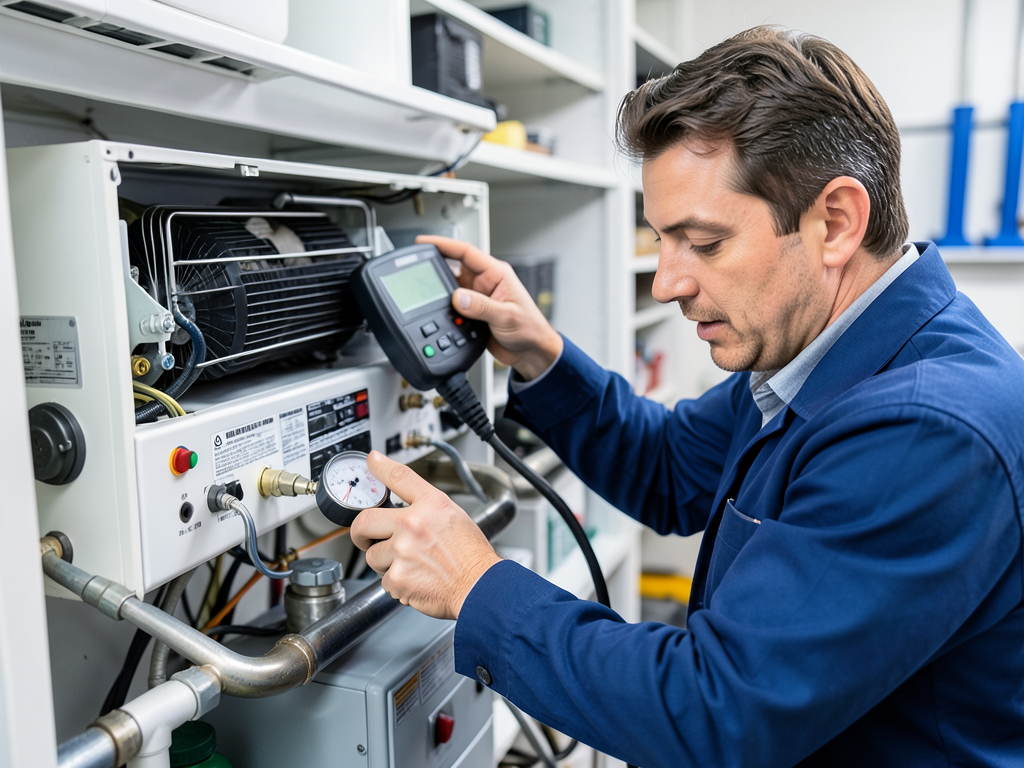
Diagram showing internal components of an inverter AC system with variable-speed compressor, electronic control board, and refrigerant flow paths.
Standard Compressors: The Traditional Approach
Standard AC compressors operate in an all-or-nothing manner. They’re either running at full blast or completely off. When your thermostat calls for cooling, the compressor kicks on at 100% capacity until the set temperature is reached, then shuts off completely. This cycle repeats throughout the day.
This on-off cycling creates temperature swings in your home. You might notice your house getting slightly warm before the AC kicks on again, then feeling chilly for a while after it shuts off. Each time the compressor starts, it draws a significant surge of electricity, similar to the power draw when you turn on a large appliance.
Standard compressors have been the backbone of residential cooling for decades. They’re simpler in design, which means fewer electronic components that could potentially fail. However, this simplicity comes at the cost of efficiency and comfort control.
Energy Efficiency Comparison for 2026
The efficiency gap between inverter and standard systems has widened in 2026. New inverter AC units achieve SEER2 ratings of 18-26, while standard units typically max out around 16-18 SEER2. This translates to real-world energy savings that matter on your CPS Energy bill.
For a typical 2,000-square-foot San Antonio home, an 18 SEER2 inverter system might use 30-40% less electricity than a 14 SEER2 standard unit. During our brutal summer months when AC runs constantly, these savings compound quickly. A homeowner might save $40-60 per month during peak cooling season.
The efficiency advantage comes from eliminating the power surges of compressor starts and the ability to run at reduced capacity when full cooling isn’t needed. Inverter systems also reach the desired temperature faster, reducing overall run time.
Humidity Control in South Texas Climate
San Antonio’s humidity presents unique challenges that inverter technology handles better than standard compressors. When humidity levels climb above 60%, as they often do during our Gulf Coast-influenced summers, the ability to run the compressor at low speed becomes crucial.
Inverter systems excel at moisture removal because they can run longer at lower speeds. This extended run time allows the indoor coil to stay cold enough to condense more water vapor from the air. Standard compressors often short-cycle in high humidity, cooling the air but not running long enough to pull moisture out effectively.
The diagnostic test we perform measures humidity levels throughout your home. Using a digital hygrometer, we check for temperature differentials and moisture content in different rooms. This reveals whether your current system is effectively dehumidifying or just cooling the air.
Noise Levels and Comfort
Sound levels tell the story of inverter vs standard technology. Standard compressors produce a distinctive on-off cycling noise that many homeowners notice. The sudden startup creates a whooshing sound followed by the steady hum of full-capacity operation.. Read more about The Pros and Cons of HVAC Leasing Programs for Homeowners in Meadow Village.
Inverter systems operate much more quietly. The compressor ramps up gradually, and when running at low speed, produces barely audible operation. Many inverter outdoor units measure around 50-60 decibels at low speed, compared to 70-80 decibels for standard units during startup.
Inside your home, inverter systems maintain more consistent temperatures. Instead of the 2-3 degree swings common with standard units, inverter systems might only vary by 0.5-1 degree. This means no more feeling chilly right after the AC kicks on or noticing the temperature creeping up before it starts again.
Initial Cost vs Long-Term Value
Inverter AC systems typically cost 20-30% more upfront than comparable standard units. For a 3-ton system, you might pay $5,500-7,000 for an inverter model versus $4,000-5,000 for a standard unit. However, the total cost of ownership tells a different story.
Energy savings over a 15-year system life can offset the higher initial investment. If you save $500 per year on electricity, that’s $7,500 in energy costs over the system’s lifetime. Factor in potential CPS Energy rebates for high-efficiency equipment, and the inverter system often becomes the better financial choice.
Maintenance costs also favor inverter systems. The gentler operation means less wear on components. Standard compressors experience stress each time they start up, and these startups happen 5-10 times more frequently than inverter operation cycles. Commercial Maintenance Agreements.
Installation Considerations for San Antonio Homes
Installing an inverter AC system requires specific considerations for our local climate. The outdoor unit needs proper clearance for airflow, and refrigerant lines must be sized correctly for variable-speed operation. Our technicians use specialized tools to ensure proper refrigerant charge, which is critical for inverter efficiency.
Many older San Antonio homes built before 2000 have ductwork that wasn’t designed for modern high-efficiency systems. We often find undersized return air ducts or leaky supply runs that reduce system performance regardless of the compressor type. A proper load calculation using Manual J standards ensures the right size unit for your home’s specific needs.
The installation process includes checking electrical capacity. Inverter systems often require dedicated circuits with proper voltage stability. Our diagnostic equipment measures voltage drop and amperage draw to ensure your electrical system can support the new equipment.
2026 Energy Rebates and Incentives
Federal tax credits for high-efficiency HVAC equipment continue in 2026, offering up to $300 for qualifying inverter systems. CPS Energy provides additional rebates for SEER2 ratings above 16, with amounts varying based on efficiency level and system size.
The High-Efficiency Electric Home Rebate Act (HEEHRA) offers point-of-sale rebates for low and moderate-income households installing qualified heat pump systems. These rebates can cover 50-100% of equipment costs, making inverter technology accessible to more San Antonio homeowners.
Local utility rebates typically require specific efficiency ratings and professional installation by licensed contractors. We handle all the paperwork and ensure your system qualifies for available incentives.
Lifespan and Reliability Factors
Modern inverter compressors often last 15-20 years with proper maintenance, compared to 12-15 years for standard units. The variable-speed operation reduces mechanical stress, as the compressor doesn’t experience the shock of repeated startups.
However, inverter systems do have more electronic components that could potentially fail. The control board, sensors, and inverter module add complexity. When issues arise, they often require specialized diagnostic equipment to pinpoint problems.
Standard compressors have fewer failure points but experience more wear from cycling. The contactor that switches the compressor on and off is a common failure point in standard systems, especially in areas with frequent power fluctuations.
Environmental Impact Considerations
Beyond energy savings, inverter AC systems have a smaller carbon footprint. Lower electricity consumption means reduced demand on power plants, many of which still rely on fossil fuels. The improved efficiency also means less refrigerant is needed for the same cooling capacity.
New 2026 regulations require all residential AC systems to use refrigerants with lower global warming potential. Both inverter and standard systems must comply, but inverter efficiency means less refrigerant is needed overall, reducing potential environmental impact if leaks occur.
The manufacturing process for inverter systems does require more resources initially, but the longer lifespan and energy savings typically offset this higher production impact within the first few years of operation.
Making the Right Choice for Your Home
The decision between inverter and standard technology depends on several factors specific to your situation. Consider your typical occupancy patterns, budget constraints, and how long you plan to stay in your current home.
For San Antonio’s climate, inverter technology generally provides superior comfort and efficiency. The ability to handle humidity, maintain consistent temperatures, and reduce energy costs makes it particularly well-suited to our environment. However, if you need a quick replacement with minimal upfront investment and plan to move within a few years, a standard unit might suffice.
We recommend a home energy audit to determine your specific needs. This includes evaluating your home’s insulation, ductwork condition, and cooling load requirements. The right system size and type depends on these factors more than any general rule.
Maintenance Requirements
Inverter systems require specialized maintenance procedures. The control board needs periodic inspection, and refrigerant levels must be maintained within precise tolerances. Standard systems are more forgiving of minor issues but still require regular filter changes and coil cleaning.
Both system types benefit from annual professional maintenance. During these visits, we check electrical connections, measure superheat and subcooling levels, and clean coils. For inverter systems, we also verify proper communication between indoor and outdoor units.
Homeowners can perform basic maintenance like changing filters monthly and keeping outdoor units clear of debris. However, the sophisticated electronics in inverter systems mean that many repairs require factory-trained technicians with specialized diagnostic tools. EPA refrigerant regulations and environmental impact.
Frequently Asked Questions
How much more does an inverter AC cost compared to a standard unit?
Inverter AC systems typically cost 20-30% more upfront than standard units. For a typical 3-ton system, this translates to $1,500-2,000 higher initial cost. However, energy savings and potential rebates often offset this difference over time.
Is an inverter AC worth it in Texas heat?
Yes, inverter AC systems excel in Texas heat. Their ability to run at variable speeds means they can maintain consistent cooling during extreme temperatures without the energy spikes of standard compressors. The humidity control is particularly valuable in our Gulf Coast climate.
How long do inverter compressors last compared to standard ones?
Inverter compressors typically last 15-20 years with proper maintenance, while standard compressors generally last 12-15 years. The variable-speed operation reduces mechanical stress, contributing to the longer lifespan of inverter systems.
Ready to Upgrade Your Cooling System?
Understanding the differences between inverter and standard AC technology is just the first step. Your specific home needs, budget, and comfort preferences determine the best choice for you. Our experienced technicians can evaluate your current system, assess your home’s cooling requirements, and recommend the most cost-effective solution.
Don’t wait until your old system fails during a heatwave. Call (726) 259-0059 today to schedule your free home comfort assessment. We’ll show you exactly how much you could save with a new high-efficiency system and help you qualify for all available rebates.
Pick up the phone and call (726) 259-0059 before the next San Antonio heat wave hits. Your comfort and energy savings are just one call away. For more information, visit U.S. Department of Energy air conditioning guide.