





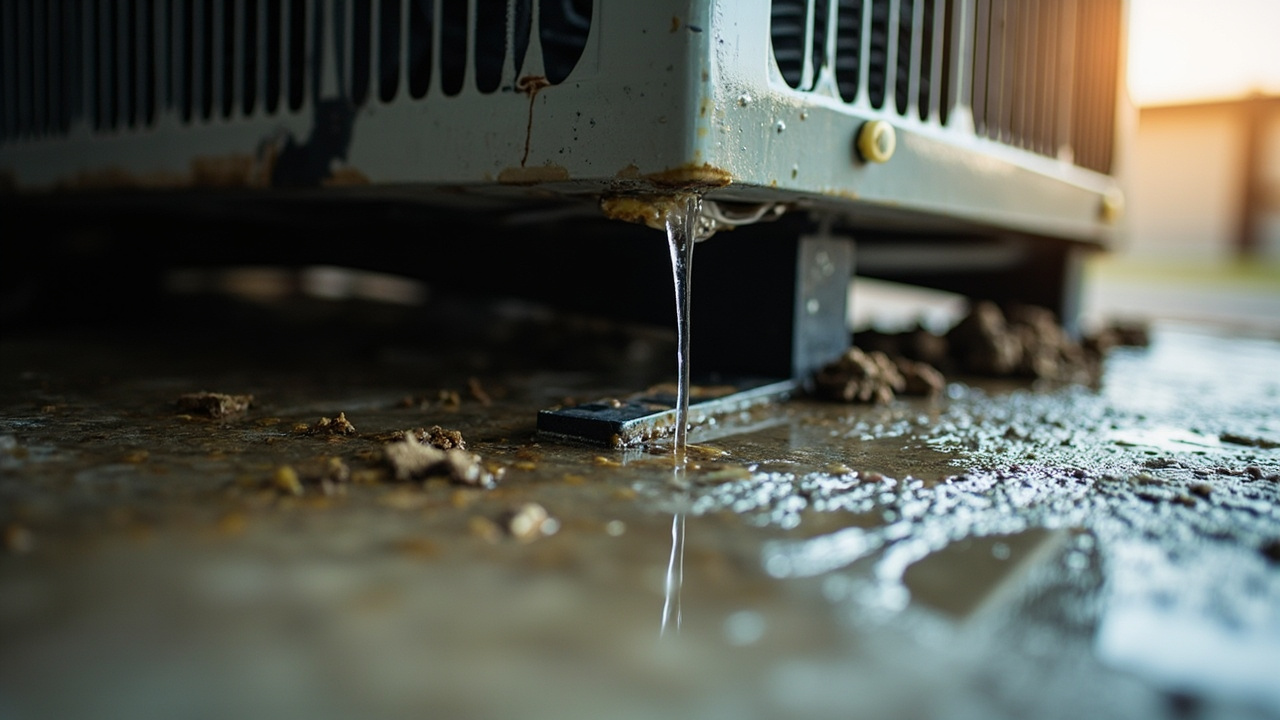
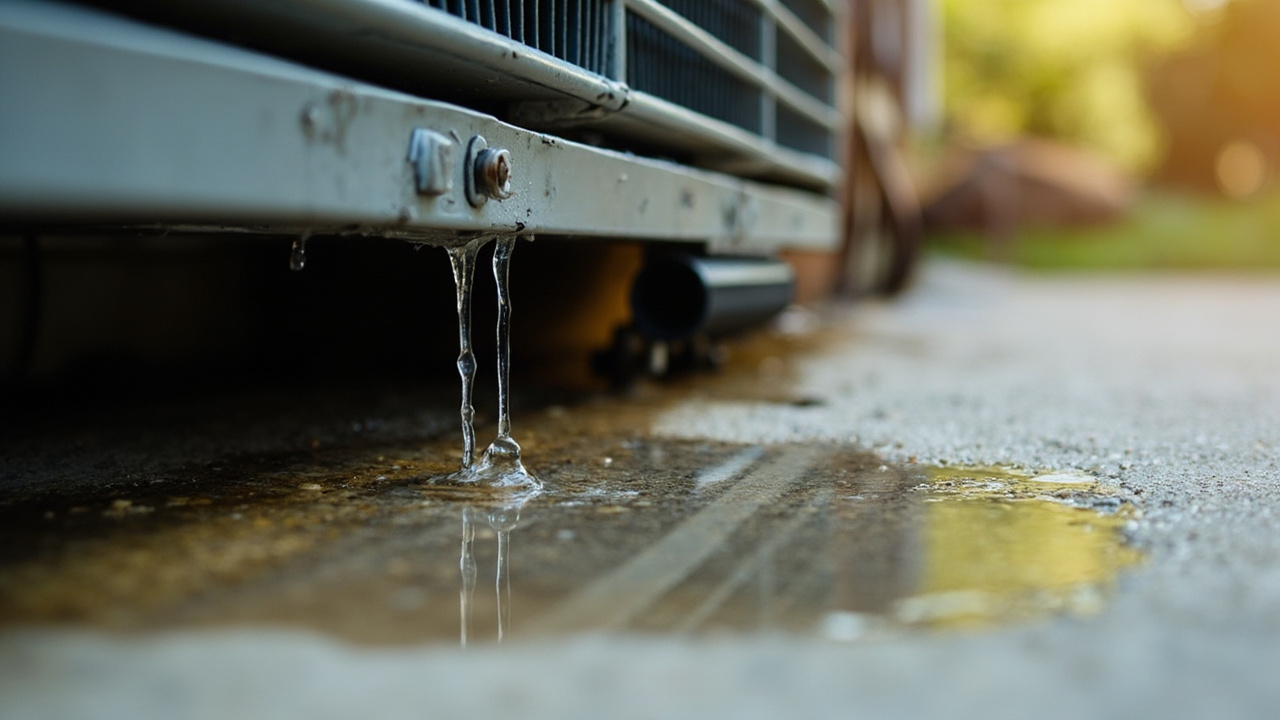

San Antonio's summer humidity levels regularly exceed 70 percent, forcing your air conditioning system to remove massive amounts of moisture from the air. A typical residential system can produce 5 to 20 gallons of condensate per day during peak cooling season. That volume overwhelms drain lines that are partially restricted by algae or mineral deposits. The Edwards Aquifer supplies most of San Antonio's water, and that water contains high concentrations of calcium and magnesium. When condensate mixes with airborne dust particles containing these minerals, scale forms inside drain lines and on evaporator coils. This scale reduces drainage capacity and increases the likelihood of backups and overflows. Regular drain line maintenance is essential in this climate, not optional.
San Antonio building codes require secondary drain lines on all air conditioning systems to provide a backup drainage path if the primary line clogs. However, many older homes in neighborhoods like Monte Vista, Terrell Hills, and Southtown were built before this requirement took effect. If your home lacks a secondary drain line or if the secondary line discharges in a hidden location, you may not discover a clogged drain until water damages ceilings or walls. We install code-compliant secondary drains that discharge in visible locations such as above windows or near entryways where you will immediately notice water flow. This early warning system prevents extensive damage and gives you time to call for service before the problem escalates.