






menu

Air Conditioning Installation in San Antonio – Expert Sizing, Load Calculations, and Year-Round Comfort for Texas Heat

Patriot HVAC San Antonio delivers precise air conditioner replacement and central air installation engineered for South Texas climate extremes, ensuring your new system handles 100-degree summers without breaking a sweat.

Slider Image 1
Slider Image 2
Slider Image 3
Slider Image 4
Slider Image 5
Slider Image 7
Slider Image 8
Slider Image 9
Slider Image 10
Slider Image 11

Why San Antonio's Climate Demands Strategic AC Unit Installation

San Antonio summers punish undersized or poorly installed air conditioning systems. When temperatures sit above 95 degrees for weeks and humidity hovers near 70 percent, your AC unit installation becomes the difference between a livable home and a sweatbox.

The caliche soil and limestone bedrock across Alamo Heights, Stone Oak, and the Medical Center district shift foundations over time. These micro-movements stress ductwork connections and refrigerant lines. A new air conditioner install that ignores these realities leaks conditioned air into attics or fails within five years.

Central air installation in San Antonio also faces voltage sag during peak demand hours when ERCOT grid loads spike. Your compressor needs proper electrical protection and staging to avoid premature failure. Generic AC installation approaches used in cooler climates fail here because they ignore heat island effects in urban areas like Downtown and Southtown, where asphalt and concrete amplify ambient temperatures by 10 to 15 degrees.

Air conditioner replacement decisions must account for the relentless solar gain on west-facing walls and the stratospheric attic temperatures that reach 150 degrees by July. You need a system sized for actual heat load, not square footage alone. Installers who skip Manual J load calculations leave you with short-cycling units that never dehumidify properly, breeding mold in your ducts and leaving your indoor air sticky and uncomfortable.

San Antonio homeowners deserve AC unit installation engineered for this specific environment, not cookie-cutter solutions that work in milder climates but buckle under Texas conditions.

Why San Antonio's Climate Demands Strategic AC Unit Installation
How Patriot HVAC San Antonio Executes Air Conditioning Installation

How Patriot HVAC San Antonio Executes Air Conditioning Installation

We start every air conditioner replacement with a comprehensive Manual J heat load calculation specific to your home's orientation, insulation R-values, window solar heat gain coefficients, and occupancy patterns. This calculation determines the exact BTU capacity your space requires, preventing the chronic oversizing that plagues 70 percent of residential installations.

Our technicians measure actual duct sizes and calculate static pressure to confirm your existing ductwork can handle airflow from a new high-efficiency unit. Undersized return plenums choke airflow and destroy efficiency. We identify these bottlenecks during the assessment phase, not after your new system underperforms.

For central air installation, we verify electrical panel capacity and breaker sizing before equipment delivery. Many older San Antonio neighborhoods like Terrell Hills and Olmos Park have 100-amp services that require load management strategies or panel upgrades to safely operate modern two-stage compressors and variable-speed air handlers.

Refrigerant line installation follows strict brazing protocols with nitrogen purge to prevent copper oxide scale formation inside the lines. We pull deep vacuums below 500 microns and hold for 15 minutes to confirm zero moisture and zero leaks before charging the system. These steps prevent the compressor failures that occur when installers rush through commissioning.

We use foam board or rubberized pads under condensing units to isolate vibration and prevent noise transmission through foundation slabs. Proper drainage slope away from the pad prevents water pooling that corrodes the cabinet and attracts mosquitoes.

Every AC installation includes refrigerant superheat and subcooling measurements that confirm optimal charge levels for San Antonio's ambient conditions. Generic factory charges assume sea level and 95-degree design temps. We adjust for local reality.

What Happens During Your New AC Unit Installation

Air Conditioning Installation in San Antonio – Expert Sizing, Load Calculations, and Year-Round Comfort for Texas Heat
01

In-Home Load Assessment

We measure every room, document window types and sun exposure, test duct leakage with a duct blaster, and calculate your home's actual cooling load using ACCA Manual J software. This assessment identifies the precise tonnage your space requires and reveals ductwork deficiencies that sabotage performance. You receive a detailed report showing exactly why we recommend specific equipment, not sales pressure based on square footage guesses.
02

Equipment Installation and Commissioning

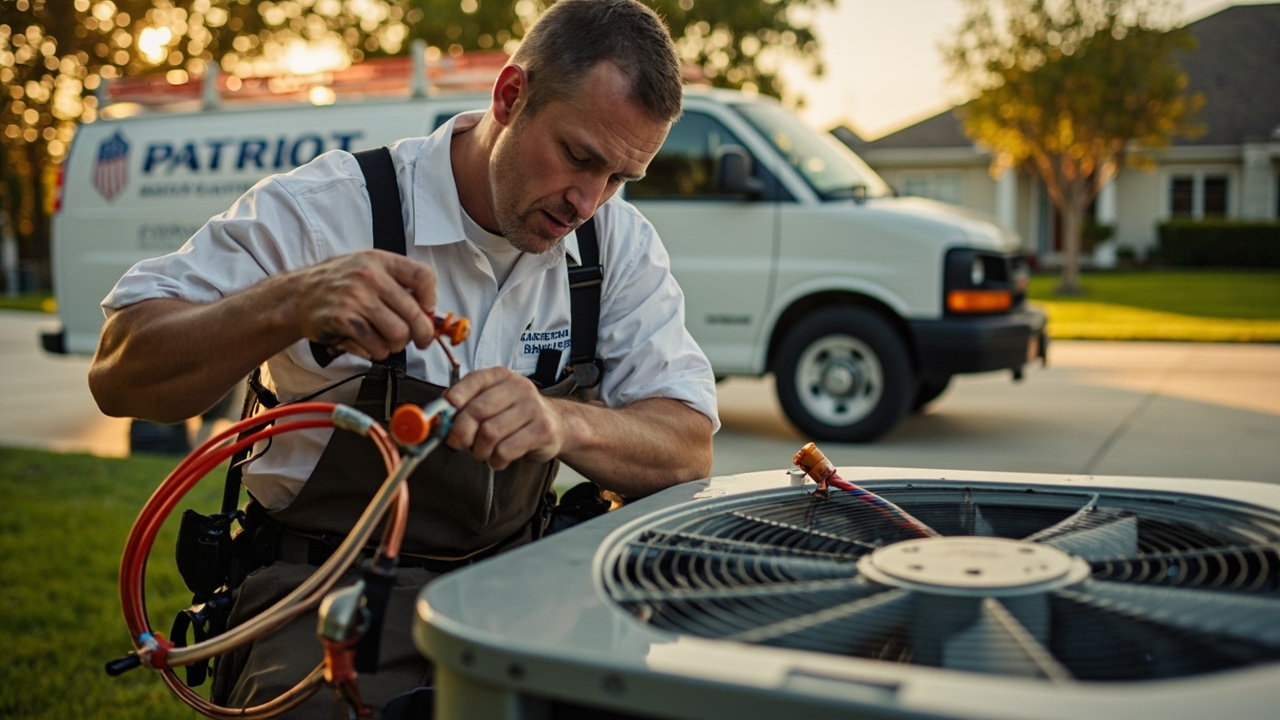
Our install crew removes your old system, inspects structural supports and electrical connections, mounts the new air handler and condensing unit with proper clearances, brazes refrigerant lines with nitrogen purge, pulls a deep vacuum, charges the system to manufacturer specifications, and verifies airflow at every register. We test the condensate drain under load and program your thermostat for optimal staging. The process takes one full day for most residential applications.
03

Performance Verification and Handoff

Before we leave, you watch us measure supply air temperature, return air temperature, superheat, subcooling, and amperage draw to confirm your system operates within design parameters. We show you filter locations, explain maintenance intervals, and walk you through thermostat programming for maximum efficiency. You receive documentation of all measurements and warranty registration confirmation. We schedule a 30-day follow-up to verify performance during peak load conditions.

Why San Antonio Trusts Patriot HVAC for Air Conditioner Replacement

San Antonio's building stock ranges from 1920s bungalows in Dignowity Hill to modern construction in Cibolo Canyons. Each era presents unique challenges for central air installation. We understand the knob-and-tube wiring in older homes, the inadequate duct sizing in 1980s tract builds, and the spray foam insulation issues in new construction that trap moisture and promote mold.

Local building codes require 14 SEER minimum efficiency, but we help you evaluate whether 16 SEER or 18 SEER equipment makes financial sense based on your actual runtime hours and electric rates. CPS Energy rebates offset upgrade costs when you choose qualifying high-efficiency equipment. We handle the paperwork and confirm you receive every dollar available.

Our technicians carry NATE certifications specific to air conditioning installation and refrigerant handling. We follow EPA Section 608 protocols for refrigerant recovery and disposal. These credentials matter because improper refrigerant handling creates environmental liability and voids equipment warranties.

We source equipment from manufacturers with local parts distribution and factory-trained service networks. When a component fails in August, you need replacement parts in hours, not days. Our supply chain relationships prevent the multiday waits that leave you sweating while competitors scramble for overnight shipments.

Stone Oak, Dominion, and Helotes homeowners choose Patriot HVAC because we show up when promised, complete installations in the timeline quoted, and stand behind our work when you call with questions. AC unit installation represents a significant investment. You deserve a contractor who treats it that way, not a crew rushing to the next job before testing your system properly.

What You Can Expect from Your New AC Installation

Installation Timeline and Scheduling

Most residential air conditioning installation projects take one full day from start to finish. We arrive at your scheduled time, protect your floors and belongings with drop cloths, and complete equipment removal, installation, and testing before we leave. If ductwork modifications or electrical upgrades add complexity, we communicate the extended timeline during your estimate, not after we start work. We schedule installations Monday through Saturday and offer early start times to minimize disruption. Emergency air conditioner replacement for failed systems takes priority, with same-day or next-day installation available when you need cooling restored immediately.

Pre-Installation Assessment Process

Your assessment begins with attic inspection to evaluate ductwork condition, insulation levels, and existing air handler mounting. We test your electrical panel for adequate capacity and verify breaker sizing matches equipment requirements. Window counts, orientation, and shading factor into load calculations. We measure actual square footage room by room rather than relying on tax records. You receive a written proposal detailing equipment specifications, SEER ratings, warranty coverage, and total installed cost. We explain efficiency tradeoffs and help you choose equipment that matches your budget and performance expectations without sales pressure or financing gimmicks.

System Performance and Comfort Results

A properly executed AC unit installation delivers consistent temperatures in every room, eliminates hot spots, reduces humidity below 50 percent, and operates quietly without the rattling or groaning that signals loose components or improper mounting. Your energy bills drop compared to the old system because modern equipment with proper airflow uses 30 to 40 percent less electricity than units from the early 2000s. Two-stage compressors run longer at lower capacity, improving dehumidification and reducing temperature swings. You notice better air quality as cleaner ductwork and tighter connections prevent dust infiltration from attics and crawlspaces.

Warranty Protection and Maintenance Support

Manufacturer warranties on compressors and heat exchangers range from five to ten years depending on equipment tier. Parts warranties cover components for one to five years. Labor warranties from Patriot HVAC protect you against installation defects for one full year. We register your warranty immediately after installation to prevent coverage gaps. Optional maintenance agreements include biannual tune-ups with refrigerant level checks, electrical connection tightening, condensate drain cleaning, and filter replacement. These visits catch small problems before they become expensive failures and maintain peak efficiency throughout your system's lifespan.

Frequently Asked Questions

You Have Questions,
We Have Answers

How much would it cost to have air conditioning installed? +

Air conditioning installation costs in San Antonio depend on system size, SEER rating, ductwork condition, and home layout. A basic 2.5-ton unit for a smaller home runs lower than a 5-ton system for larger properties. High-efficiency models cost more upfront but reduce monthly bills during San Antonio's brutal summer heat. Ductwork repairs or modifications, electrical panel upgrades, and removal of your old unit add to the total. Get multiple quotes from local contractors who understand San Antonio's high humidity and extreme temperatures. They will size the system correctly for your specific cooling load.

What is the $5000 rule for AC? +

The $5,000 rule helps you decide between repairing or replacing your AC unit. Multiply the age of your system by the repair cost. If the result exceeds $5,000, replacement makes more sense financially. For example, if your 12-year-old unit needs an $800 repair, that equals $9,600. Replace it. San Antonio's long cooling season puts heavy strain on aging equipment. Older units consume more energy and break down more often during triple-digit heat waves. A new system delivers better efficiency, lower bills, and reliable comfort when you need it most during summer.

How expensive is it to install an AC unit? +

Installing an AC unit in San Antonio varies based on tonnage, efficiency rating, and installation complexity. Budget systems for smaller homes start lower, while high-efficiency models for larger properties cost more. San Antonio's extreme heat demands properly sized equipment. Undersized units run constantly and fail early. Oversized units cycle too frequently and fail to dehumidify properly. Your home's insulation, ductwork condition, and sun exposure affect installation requirements. Homes in older San Antonio neighborhoods may need ductwork modifications or electrical upgrades. Always get detailed written estimates that include equipment, labor, permits, and disposal of your old unit.

How much does Home Depot charge for AC installation? +

Home Depot subcontracts AC installations to local third-party contractors. Their pricing structure includes markups for coordinating the job. You pay for the unit through Home Depot, then their contractor handles installation. Pricing varies by system size and complexity. This approach may work for straightforward replacements, but San Antonio's high humidity and temperature extremes require local expertise. Direct relationships with established San Antonio HVAC contractors often provide better value, faster service, and stronger warranties. Local contractors understand San Antonio building codes, common ductwork issues in older homes, and proper sizing for the climate.

What is the 3 minute rule for AC? +

The 3-minute rule protects your compressor from damage. After your AC shuts off, wait three full minutes before restarting it. The refrigerant needs time to equalize pressure throughout the system. Restarting too quickly forces the compressor to start against high pressure, causing strain and potential failure. This matters in San Antonio, where power fluctuations during thunderstorms can cycle your system on and off repeatedly. Most modern thermostats include built-in delay timers. If you manually control your system or experience frequent power outages, respect the 3-minute wait to extend your compressor's lifespan.

What size air conditioner do I need for a 2000 sq ft house? +

A 2,000-square-foot home in San Antonio typically needs a 3.5 to 4-ton air conditioner. However, square footage alone does not determine proper sizing. Your home's insulation quality, window orientation, ceiling height, and ductwork efficiency all affect cooling load. San Antonio's intense sun exposure and high humidity increase demands. Homes with west-facing windows or minimal attic insulation need more capacity. A Manual J load calculation accounts for these factors. Oversized units waste energy and fail to dehumidify. Undersized units run constantly and break down faster. Get a proper load calculation before installation.

Is HVAC system cost tax deductible? +

HVAC system costs may qualify for federal tax credits if you install high-efficiency equipment meeting specific Energy Star requirements. The Inflation Reduction Act offers credits for qualifying heat pumps and central air systems with high SEER ratings. You can claim a percentage of the equipment cost up to certain limits. Standard efficiency replacements typically do not qualify. Installation labor and standard repairs are not deductible. Keep all receipts and manufacturer certifications. Consult a tax professional to verify eligibility based on your specific equipment and tax situation. State and local utility rebates may also apply.

How much is a new AC unit for a 1500 sq ft house? +

A new AC unit for a 1,500-square-foot house in San Antonio typically requires a 2.5 to 3-ton system. Total costs depend on efficiency rating, ductwork condition, and installation complexity. Basic SEER-rated systems cost less than high-efficiency models, but higher SEER ratings save money during San Antonio's long cooling season. Your home's insulation, window quality, and sun exposure affect sizing requirements. Older homes near downtown or in Alamo Heights may need ductwork modifications. Get multiple quotes from licensed San Antonio contractors who perform Manual J load calculations. Proper sizing prevents premature failure and high energy bills.

What is the best month to buy an HVAC system? +

Fall and early winter offer the best pricing for HVAC systems in San Antonio. Demand drops after summer heat subsides, giving you leverage to negotiate. Contractors have more availability and less urgency. You also have time to research options without emergency pressure. Avoid buying during peak cooling season when prices spike and wait times extend. Spring offers a second window before summer demand hits. Schedule installation during mild weather so you can test the system before extreme heat arrives. Watch for manufacturer rebates and local utility incentives, which often launch in off-peak months.

How much does it cost to put AC in a 1000 sq ft house? +

Installing AC in a 1,000-square-foot house in San Antonio typically requires a 1.5 to 2-ton system. Total costs include equipment, labor, permits, and old unit removal. Smaller homes need less tonnage, reducing equipment costs. However, installation complexity matters more than size. Older San Antonio bungalows may need ductwork repairs, electrical upgrades, or structural modifications for proper equipment placement. High-efficiency models cost more upfront but reduce monthly bills during San Antonio's extended cooling season. Get written estimates from multiple local contractors. Ensure they perform proper load calculations rather than guessing based on square footage alone.

How San Antonio's Heat Island Effect and Limestone Foundation Issues Impact Air Conditioning Installation

San Antonio's urban core traps heat in concrete and asphalt, creating temperature differentials of 10 to 15 degrees compared to surrounding Hill Country areas. Air conditioner replacement in neighborhoods like Southtown, King William, and Downtown must account for this amplified cooling load. Homes surrounded by pavement absorb radiant heat long after sunset, forcing AC units to run continuously through evening hours when systems in suburban areas cycle off. The Edwards Aquifer limestone bedrock causes differential foundation settlement that stresses ductwork joints and refrigerant lines over time. Central air installation requires flexible connections and proper support to accommodate this movement without developing leaks that waste energy and reduce capacity.

San Antonio contractors who understand these local conditions deliver AC unit installation that lasts 15 to 20 years instead of failing prematurely. We work with structural engineers when foundation movement exceeds normal tolerances and coordinate with electricians when panel upgrades become necessary. Our familiarity with CPS Energy incentive programs and San Antonio's residential building codes streamlines permitting and inspection processes. Homeowners in Alamo Heights, Terrell Hills, and Monte Vista trust local expertise because generic installation approaches ignore the specific challenges that define cooling in South Texas. Choosing a contractor who lives and works in this climate matters when your comfort depends on equipment performance during 40 consecutive days above 95 degrees.


HVAC Services in The San Antonio Area

Patriot proudly serves San Antonio and surrounding communities with fast, reliable HVAC services. Use the map below to locate our service area and see if we’re available in your neighborhood. Whether you need a quick repair or full installation, we’re just a call away. Our mobile team is equipped and ready to meet you where you are. Count on Patriot for dependable service with a local touch.

Address:
Patriot HVAC San Antonio, 1100 Northwest Loop, San Antonio, TX, 91335

Additional Services We Offer

Our news updates

Latest Articles & News from The Blogs

Why Your AC Vents Are Whistling and How to Stop the Noise for Good That high-pitched whistle coming from your…

Why Your AC Vents Are Whistling and How to Stop the Noise for Good

Why Your AC Vents Are Whistling and How to Stop the Noise for Good That high-pitched whistle coming from your…

Why 72 Degrees Feels Different in San Antonio Than It Does Anywhere Else

Why 72 Degrees Feels Different in San Antonio Than It Does Anywhere Else When you set your thermostat to 72…

What Jefferson Terrace Homeowners Should Know About Older Ductwork and Modern Air Quality

What Jefferson Terrace Homeowners Should Know About Older Ductwork and Modern Air Quality \n\n Jefferson Terrace homes built in the…

Contact Us

Stop sweating through another San Antonio summer with an undersized or failing AC system. Call Patriot HVAC San Antonio at (726) 259-0059 to schedule your load calculation and equipment assessment. We provide honest recommendations based on your actual cooling needs, not commission-driven upsells.