







menu

Understanding Ductless Systems in San Antonio – Expert Guidance for Choosing the Right Cooling Solution for Your Home

Comprehensive breakdown of how ductless mini splits work in San Antonio's climate, including heat pump technology, installation requirements, and energy efficiency benefits for homes without existing ductwork.

Slider Image 1
Slider Image 2
Slider Image 3
Slider Image 4
Slider Image 5
Slider Image 7
Slider Image 8
Slider Image 9
Slider Image 10
Slider Image 11

Why San Antonio Homeowners Are Switching to Ductless Technology

San Antonio's brutal summer heat and unpredictable winter cold fronts demand flexible cooling and heating solutions. Traditional central air systems require extensive ductwork, which 40 percent of older homes in neighborhoods like Lavaca and King William lack entirely. Adding ductwork means tearing into walls, losing historic architectural details, and spending thousands before you even install the actual HVAC equipment.

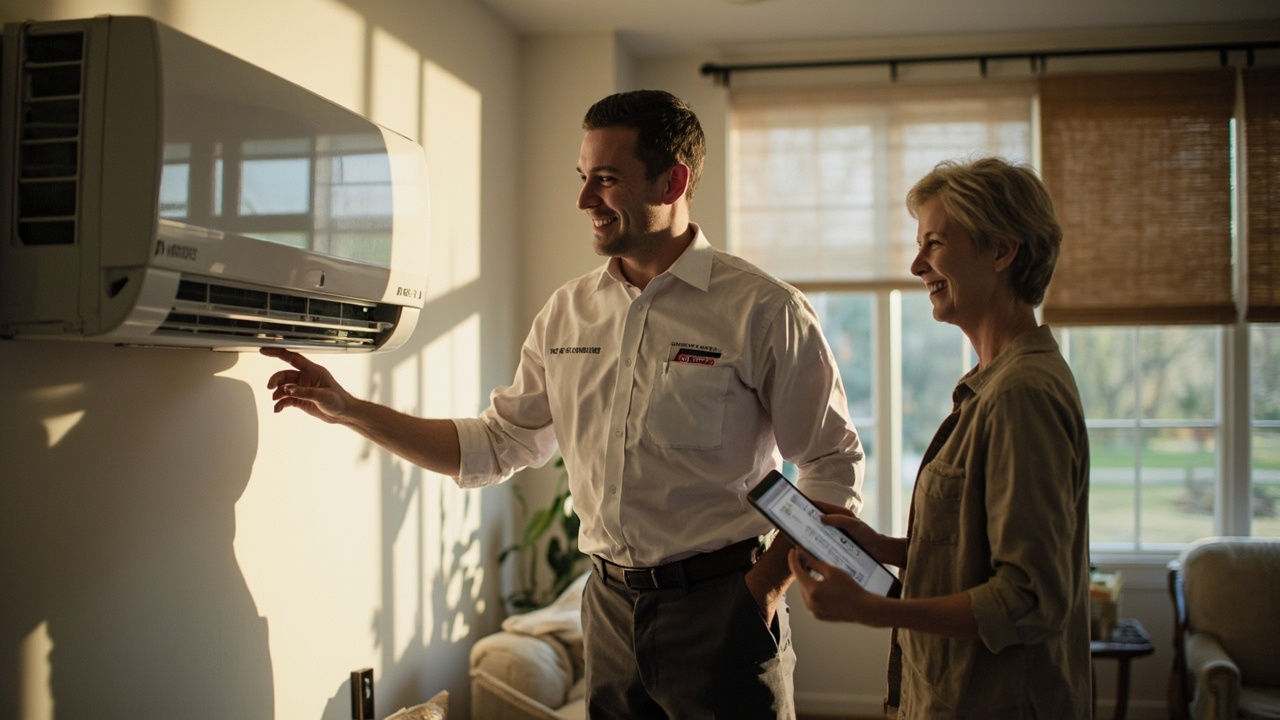
Ductless mini split systems solve this problem. A ductless heat pump consists of an outdoor compressor unit connected to one or more indoor air handlers through a small conduit that requires only a three-inch hole in your exterior wall. The indoor units mount high on the wall or ceiling and deliver conditioned air directly into the space. No ductwork needed.

These systems work differently than window units or portable air conditioners. The outdoor compressor uses refrigerant to extract heat from indoor air during cooling mode, then reverses the process during heating season. Each indoor head operates independently with its own thermostat, giving you zone control. You cool the bedroom at night without wasting energy on empty living spaces.

San Antonio's high humidity makes dehumidification critical. Ductless systems excel here because they remove moisture from the air as part of the cooling cycle. The refrigerant coil inside each air handler drops below the dew point, condensing water vapor that drains outside through the condensate line.

Understanding how ductless mini splits work helps you make informed decisions about your home comfort system. The technology is not new. It has dominated Asian and European markets for decades. Now it is gaining ground in Texas as energy costs rise and homeowners seek alternatives to replacing aging duct systems.

Why San Antonio Homeowners Are Switching to Ductless Technology
How Ductless Heat Pumps Deliver Year-Round Comfort

How Ductless Heat Pumps Deliver Year-Round Comfort

A ductless air conditioning system moves heat rather than generating it. During San Antonio summers, the outdoor unit absorbs heat from your indoor air and releases it outside. The refrigerant circulates between the outdoor compressor and indoor evaporator coil, changing from liquid to gas and back again. This phase change is what moves thermal energy.

When January cold fronts drop temperatures into the 30s, the system reverses. The outdoor unit extracts heat from outside air, even in cold conditions, and pumps it indoors. Modern inverter compressors maintain efficiency down to five degrees Fahrenheit, though San Antonio rarely sees those extremes.

The inverter technology matters. Unlike traditional compressors that cycle on and off, inverter-driven compressors ramp up and down smoothly to match the cooling or heating load. This eliminates the temperature swings you get with single-stage systems. The inverter also reduces energy consumption by 30 to 50 percent compared to conventional air conditioners.

Each indoor air handler contains a fan coil unit with a blower, evaporator coil, and expansion valve. The blower pulls room air across the cold evaporator coil during cooling. The refrigerant inside absorbs heat from the air, the air cools down, and the blower pushes the cooled air back into the room. The expansion valve regulates refrigerant flow based on the temperature setting you choose.

Multi-zone systems connect up to eight indoor units to a single outdoor compressor. A branch box distributes refrigerant to each zone through separate line sets. This setup works well for San Antonio homes where you want bedroom cooling at night but need living room cooling during the day. Patriot HVAC San Antonio designs these systems based on room-by-room heat load calculations to ensure proper sizing.

What Happens During a Ductless System Evaluation

Understanding Ductless Systems in San Antonio – Expert Guidance for Choosing the Right Cooling Solution for Your Home
01

Load Calculation Assessment

We measure each room you want conditioned, noting window sizes, insulation levels, ceiling heights, and sun exposure. Manual J load calculations determine the BTU capacity needed for each zone. Undersizing leads to inadequate cooling on 105-degree afternoons. Oversizing causes short cycling, humidity problems, and wasted money. San Antonio homes built before 1980 often lack adequate insulation, increasing the cooling load.
02

System Design and Placement

We identify optimal locations for indoor air handlers based on airflow patterns and furniture placement. The outdoor compressor needs adequate clearance for airflow and service access. Line set routing must follow the shortest path while hiding copper refrigerant lines and drainage tubing inside walls or along exterior soffits. We review electrical requirements, confirming your panel can handle the additional circuit load.
03

Equipment Recommendation and Pricing

You receive a detailed proposal showing equipment specifications, SEER ratings, installation scope, and payment options. We explain the differences between single-zone and multi-zone configurations. Higher SEER ratings mean better energy efficiency but higher upfront costs. We factor in CPS Energy rebates for qualifying high-efficiency systems. You make the final decision based on budget, performance needs, and long-term energy savings.

Why Local Expertise Matters for Ductless Installations

San Antonio's building codes require permits for HVAC installations. The electrical work must meet NEC standards. The refrigerant lines must be properly brazed, not compression-fitted, to prevent leaks. Many national chains subcontract installations to unlicensed technicians who lack training on refrigerant handling and proper line set installation.

Patriot HVAC San Antonio technicians hold EPA Section 608 certification for refrigerant management. We pressure test every line set before releasing refrigerant into the system. We verify proper refrigerant charge using subcooling and superheat measurements, not guesswork. Incorrect charge reduces efficiency by 20 percent and shortens compressor life.

We understand San Antonio's specific challenges. Limestone foundations and pier-and-beam construction limit mounting options for outdoor units. Historic district regulations restrict exterior equipment visibility. Attic installations require modified condensate drainage because Texas heat accelerates algae growth in drain lines.

Our familiarity with CPS Energy's rebate programs saves you money. High-efficiency ductless systems qualify for rebates up to several hundred dollars. We handle the paperwork and ensure your installation meets rebate requirements before submission. You get the discount without chasing documentation.

We also know which equipment performs best in South Texas heat. Not all manufacturers design systems for sustained operation in 100-degree temperatures. Japanese brands like Mitsubishi and Daikin dominate because their compressors handle extreme ambient temperatures without performance degradation. Budget brands often fail within five years when subjected to San Antonio summers.

Choosing local means accountability. We are here when you need service, not routing your call to a national call center. Our technicians know your system because we installed it. We stock common replacement parts for faster repairs. You get consistent service from people invested in this community.

What to Expect When Installing a Ductless System

Installation Timeline

Single-zone installations take four to six hours. Multi-zone systems require eight to twelve hours depending on complexity. We schedule installations during cooler morning hours when possible to minimize disruption. The work involves drilling through exterior walls, mounting equipment, running refrigerant lines, connecting electrical circuits, and pressure testing the system. We pull permits before starting work and arrange inspections for code compliance. Most residential installations complete in one day.

Site Preparation Requirements

Clear the areas where indoor units mount. Move furniture away from walls to give technicians access. Ensure outdoor compressor location is accessible and level. If you are replacing window units, remove them before we arrive. We bring drop cloths to protect flooring during installation. Attic installations require clear access to the attic space. We handle all debris removal and site cleanup after installation. You do not need to prepare anything beyond clearing the work areas.

System Performance and Comfort

Ductless systems cool rooms faster than central air because the air handler delivers conditioned air directly into the space without duct losses. You notice the difference within minutes of turning on the unit. Inverter technology maintains consistent temperatures without the on-off cycling that causes hot and cold spots. Whisper-quiet operation means you barely hear the indoor unit running. Most models produce less than 30 decibels, quieter than a library. You control each zone independently through wireless remotes or smartphone apps.

Maintenance and Longevity

Clean the washable filters in each indoor unit monthly. This takes two minutes per unit and prevents dust buildup that reduces airflow. Annual professional maintenance includes cleaning the evaporator and condenser coils, checking refrigerant levels, testing electrical connections, and verifying proper drainage. We offer maintenance plans that include two visits per year, priority scheduling, and discounts on repairs. Properly maintained ductless systems last 15 to 20 years. Neglected systems fail within eight to ten years due to dirty coils and refrigerant leaks.

Frequently Asked Questions

You Have Questions,
We Have Answers

What is the $5000 AC rule? +

The $5,000 AC rule is an IRS guideline for determining whether HVAC replacement costs are repairs or capital improvements. If your new system costs over $5,000, it typically qualifies as a capital improvement, which means you depreciate it over time rather than deducting it immediately. This threshold helps you decide how to treat the expense for tax purposes. In San Antonio, where summer heat demands reliable cooling, many homeowners replace aging central systems with ductless units. Always consult a tax professional to understand how this rule applies to your specific situation and whether energy efficiency credits offset costs.

What are the disadvantages of a ductless mini-split? +

Ductless mini-splits have visible indoor wall-mounted units that some homeowners find less attractive than hidden ductwork. Upfront costs run higher than traditional window units, though long-term energy savings often compensate. Each indoor head requires a refrigerant line drilled through your wall, which means minor exterior penetrations. In San Antonio's humid climate, you need proper sizing and installation to handle moisture effectively. Undersized systems struggle during July and August when temperatures hit triple digits. Poor installation can lead to refrigerant leaks or inadequate drainage. These drawbacks disappear when you work with experienced HVAC contractors who understand local climate demands.

Why is my electric bill so high with mini-split? +

High electric bills with mini-splits usually indicate sizing problems or misuse. Oversized systems cycle on and off frequently, wasting energy. Running multiple indoor heads simultaneously in empty rooms drives costs up fast. Dirty filters force the system to work harder, increasing consumption. In San Antonio, setting your thermostat too low during summer heat makes the compressor run constantly. Poor insulation or air leaks around windows let conditioned air escape, forcing longer run times. Incorrect installation, like inadequate refrigerant charge or blocked airflow, reduces efficiency dramatically. Check your usage patterns first. Most complaints stem from operational habits rather than equipment failure.

How many mini splits do I need for a 2000 square foot house? +

A 2,000 square foot house in San Antonio typically needs two to four mini-split indoor heads, depending on layout and insulation quality. Open floor plans may need fewer units than homes with many closed rooms. South-facing rooms with large windows require more cooling capacity. Homes built before 1980 with poor insulation need additional heads to maintain comfort. Calculate roughly 30 BTUs per square foot as a starting point, but San Antonio's heat and humidity demand precise load calculations. Two-story homes need separate zones for upstairs bedrooms. A qualified HVAC technician performs Manual J calculations to determine exact requirements based on your specific home.

What is the 3 minute rule for air conditioners? +

The 3-minute rule prevents compressor damage by requiring a minimum wait time between cooling cycles. When you shut off your air conditioner, refrigerant pressure needs three minutes to equalize throughout the system. Restarting too quickly forces the compressor to work against high pressure, causing mechanical strain and potential failure. Most modern mini-splits have built-in delay timers that enforce this rule automatically. In San Antonio, where systems run heavily from May through September, this protection extends equipment life significantly. You should never rapidly cycle your thermostat or breaker. Let the system rest. This simple pause prevents expensive compressor replacements.

Can I write off my new AC unit on my taxes? +

You can claim federal tax credits for qualifying energy-efficient AC units under the Inflation Reduction Act. High-efficiency ductless systems meeting ENERGY STAR criteria may qualify for up to 30% of installation costs, capped at specific limits. In San Antonio, where cooling represents your largest energy expense, these credits make upgrades more affordable. You must install equipment by December 31 of the tax year you claim. Keep manufacturer certification statements and receipts. Texas offers no state-level credits, but federal incentives still apply. Consult a tax professional to verify eligibility. Capital improvements over $5,000 follow different depreciation rules for rental properties.

How do Amish cool their homes without air conditioning? +

Amish communities cool homes through passive design strategies rather than mechanical systems. Thick stone or brick walls provide thermal mass that absorbs daytime heat. Strategic window placement creates cross-ventilation, pulling cooler air through living spaces. Many Amish homes feature covered porches and shade trees that block direct sun. Root cellars and basements offer naturally cool spaces during summer. High ceilings allow hot air to rise away from occupied areas. Some communities use propane-powered refrigeration for food storage. While these methods work in moderate climates, San Antonio's extreme heat and humidity make mechanical cooling necessary for health and safety.

Do mini splits work in 100 degree weather? +

Quality mini-splits handle 100-degree weather effectively when properly sized and installed. Modern inverter technology adjusts compressor speed to match cooling demand without losing efficiency. In San Antonio, where June through August regularly hits triple digits, ductless systems outperform struggling ducted units that lose 20-30% efficiency through leaky ductwork. The key is correct sizing. Undersized units run continuously without reaching set temperatures. Ensure your outdoor condenser has adequate airflow and shade protection. Keep indoor filters clean. Systems rated for your climate zone maintain comfort even during record heat waves. Poor installation causes failures, not the technology itself.

Where should you not install a mini split? +

Never install mini-split indoor heads directly above beds, seating areas, or workspaces where cold air blows on occupants constantly. Avoid exterior walls with direct afternoon sun exposure in San Antonio, as radiant heat reduces efficiency. Skip locations near heat sources like ovens or fireplaces that confuse temperature sensors. Do not mount units where furniture or curtains block airflow. Avoid cramped spaces without adequate clearance for maintenance access. Never install condensate drains where they empty onto walkways or create slip hazards. Bathrooms and laundry rooms with high moisture need careful evaluation. Poor placement creates comfort problems and efficiency losses that proper planning prevents.

What runs your electric bill up the most? +

Cooling and heating drive electric bills highest in San Antonio, accounting for 40-50% of residential energy use. Summer months hit hardest when air conditioners run continuously against triple-digit heat. Old, inefficient HVAC systems waste energy through poor performance and duct leaks. Electric water heaters rank second, especially with large families. Poorly insulated homes lose conditioned air constantly, forcing systems to work harder. Pool pumps running 24/7 add significant costs. Leaving multiple devices in standby mode creates phantom loads. In San Antonio's climate, upgrading to efficient ductless systems and improving insulation delivers the biggest bill reductions. Track usage through your utility provider's app.

How San Antonio's Climate and Construction Affect Ductless System Performance

San Antonio averages 110 days per year above 90 degrees, with summer temperatures regularly exceeding 100. Ductless heat pumps must handle sustained high-temperature operation without performance loss. Inferior systems experience reduced capacity when outdoor temperatures climb above 95 degrees, exactly when you need maximum cooling. Quality inverter-driven compressors maintain full capacity up to 115 degrees ambient temperature. The difference matters during July and August when your system runs 12 hours per day. San Antonio's clay soil also causes foundation shifting that can stress refrigerant lines if not properly secured with vibration-dampening brackets.

Neighborhoods like Alamo Heights, Terrell Hills, and Monte Vista feature homes built between 1920 and 1950 without central air infrastructure. Adding ductwork destroys original plaster walls, wood trim, and architectural details that define these properties. Ductless systems preserve historic integrity while delivering modern comfort. Local building codes require permits for electrical and refrigerant work. Patriot HVAC San Antonio maintains relationships with city inspectors and understands the permit process. We ensure installations meet code requirements the first time, avoiding delays and reinspection fees that inexperienced installers often trigger.


HVAC Services in The San Antonio Area

Patriot proudly serves San Antonio and surrounding communities with fast, reliable HVAC services. Use the map below to locate our service area and see if we’re available in your neighborhood. Whether you need a quick repair or full installation, we’re just a call away. Our mobile team is equipped and ready to meet you where you are. Count on Patriot for dependable service with a local touch.

Address:
Patriot HVAC San Antonio, 1100 Northwest Loop, San Antonio, TX, 91335

Additional Services We Offer

Our news updates

Latest Articles & News from The Blogs

Why Your AC Vents Are Whistling and How to Stop the Noise for Good That high-pitched whistle coming from your…

Why Your AC Vents Are Whistling and How to Stop the Noise for Good

Why Your AC Vents Are Whistling and How to Stop the Noise for Good That high-pitched whistle coming from your…

Why 72 Degrees Feels Different in San Antonio Than It Does Anywhere Else

Why 72 Degrees Feels Different in San Antonio Than It Does Anywhere Else When you set your thermostat to 72…

What Jefferson Terrace Homeowners Should Know About Older Ductwork and Modern Air Quality

What Jefferson Terrace Homeowners Should Know About Older Ductwork and Modern Air Quality \n\n Jefferson Terrace homes built in the…

Contact Us

Stop guessing about ductless technology. Call Patriot HVAC San Antonio at (726) 259-0059 for a professional system evaluation. We explain your options, calculate proper sizing, and provide transparent pricing. Schedule your consultation today.