





menu

Humidity Issues Indoors in San Antonio – Expert Diagnosis and Permanent Solutions for High Indoor Moisture

Patriot HVAC San Antonio identifies the root cause of humidity issues indoors and implements targeted dehumidification and HVAC corrections to restore safe, comfortable indoor air quality in your home or business.

Slider Image 1
Slider Image 2
Slider Image 3
Slider Image 4
Slider Image 5
Slider Image 7
Slider Image 8
Slider Image 9
Slider Image 10
Slider Image 11

Why San Antonio Homes Struggle with Indoor Humidity Problems

San Antonio's subtropical climate creates perfect conditions for excess indoor moisture. The high humidity in house during summer months, combined with poor ventilation and oversized air conditioning systems, leads to persistent indoor moisture problems that most homeowners cannot see until damage appears.

When outdoor humidity hovers between 60 and 90 percent from May through September, your HVAC system must remove moisture while cooling. If your system cycles too quickly or the evaporator coil cannot handle the latent load, moisture accumulates in your living spaces. High indoor humidity levels create breeding grounds for mold, dust mites, and bacteria. You will notice condensation on windows, musty odors in closets, and a clammy feeling on walls.

The Edwards Aquifer limestone beneath San Antonio holds moisture that can seep through foundation slabs, adding another moisture source many contractors overlook. Poor humidity control also damages wood floors, causes paint to peel, and ruins electronics. Residents in Alamo Heights and Terrell Hills often discover moisture problems in older homes with inadequate vapor barriers and crawl spaces that were never designed for modern comfort standards.

Most technicians focus only on temperature. They ignore the dew point, which determines when moisture condenses on surfaces. High indoor humidity levels above 60 percent feel uncomfortable and create health risks. Levels below 30 percent during winter cause respiratory irritation and static electricity. The solution requires more than a thermostat adjustment.

Why San Antonio Homes Struggle with Indoor Humidity Problems
How We Solve Excess Indoor Moisture Permanently

How We Solve Excess Indoor Moisture Permanently

Patriot HVAC San Antonio addresses humidity issues indoors with a systematic approach that goes beyond adding a dehumidifier. We start with psychrometric analysis to measure actual moisture content in your air. This involves wet bulb and dry bulb temperature readings, relative humidity measurements, and infiltration testing to determine where moisture enters your home.

We inspect your HVAC system for oversizing, which is the most common cause of poor humidity control. An oversized air conditioner cools quickly but shuts off before the evaporator coil removes enough moisture. We calculate Manual J heat load and compare it to your current equipment capacity. If your system is oversized, we recommend right-sized replacement or variable-speed compressors that run longer cycles at lower capacity.

We examine ductwork for leaks that pull humid attic air into your supply plenum. Even small gaps in return ducts can introduce gallons of moisture daily. We use a duct blaster to quantify leakage and seal penetrations with mastic, not tape. We verify that bathroom and kitchen exhaust fans vent outside, not into attics where moisture condenses on roof decking.

For homes with persistent indoor moisture problems, we install whole-home dehumidifiers integrated with your HVAC system. These units remove moisture independently of cooling cycles, maintaining consistent humidity levels year-round. We position condensate drains properly and verify that your evaporator coil drains freely without standing water in the pan.

We also evaluate fresh air ventilation. Tight homes built after 2000 need controlled mechanical ventilation to dilute indoor pollutants without introducing excess humidity. We install energy recovery ventilators that precondition incoming air, removing moisture before it enters your living space.

Our Three-Phase Indoor Moisture Correction Process

Humidity Issues Indoors in San Antonio – Expert Diagnosis and Permanent Solutions for High Indoor Moisture
01

Moisture Audit and Testing

We measure indoor humidity levels in each room using calibrated hygrometers and thermal imaging cameras to detect hidden moisture in walls and ceilings. We test your HVAC system runtime and calculate moisture removal capacity based on evaporator coil temperature and airflow. We inspect attic insulation, vapor barriers, and foundation drainage to identify external moisture sources contributing to high humidity in house.
02

System Corrections and Upgrades

We correct undersized or failing components that prevent proper dehumidification. This includes replacing restrictive air filters, cleaning evaporator coils clogged with debris, sealing duct leaks, and adjusting refrigerant charge to optimal subcooling. For homes with chronic excess indoor moisture, we install dedicated dehumidification equipment with independent controls that maintain target humidity levels regardless of cooling demand. We verify condensate removal and drainage function properly.
03

Monitoring and Calibration

We install digital humidity monitoring systems that alert you to changes in indoor moisture levels. We calibrate thermostats and dehumidistats to maintain relative humidity between 40 and 50 percent, which prevents mold growth and feels comfortable. We schedule follow-up visits during peak humidity months to verify your system maintains proper indoor air quality. We provide maintenance schedules for filter changes, coil cleaning, and drain line treatment to prevent future moisture problems.

Why San Antonio Homeowners Trust Our Humidity Solutions

Patriot HVAC San Antonio understands how local climate conditions create unique indoor moisture problems. We have diagnosed humidity issues indoors in hundreds of San Antonio homes from Stone Oak to Southtown, and we recognize patterns that generic HVAC companies miss. We know that homes built on the limestone shelf near Brackenridge Park face different moisture challenges than newer construction in neighborhoods like The Dominion.

We stay current with building science research on moisture control and ventilation. We understand vapor drive and dew point calculations. We know when to recommend vapor barriers, when to improve attic ventilation, and when mechanical dehumidification is the only effective solution. Most technicians simply recommend running your air conditioner at lower temperatures, which wastes energy and still leaves you with high indoor humidity levels.

We also recognize that San Antonio's rapid temperature swings during spring and fall create condensation problems that summer-focused contractors ignore. When outdoor temperatures drop overnight but humidity remains high, moisture condenses on cold surfaces inside your home. We design systems that respond to these transitional periods, not just extreme summer heat.

Our team has worked with San Antonio's historic homes, where preservation requirements limit aggressive moisture barrier installations. We balance humidity control with respect for original architectural features. We have also solved moisture problems in commercial buildings where poor humidity control damaged inventory and created liability concerns.

We provide honest assessments. If your humidity problem stems from a plumbing leak or foundation drainage issue, we tell you before you spend money on HVAC upgrades. We coordinate with other trades when comprehensive moisture remediation requires multiple interventions. We follow up to verify that our solutions deliver measurable results.

What You Can Expect from Our Humidity Services

Response Time and Scheduling

We schedule humidity assessments within 48 hours of your call. Most diagnostic visits take two to three hours, depending on home size and system complexity. We provide same-day reports with moisture readings, system performance data, and recommended corrections. For urgent situations where high humidity threatens property or health, we prioritize your service. Installation of whole-home dehumidifiers typically requires four to six hours. We work efficiently to minimize disruption and complete most projects in a single visit.

Comprehensive Moisture Assessment

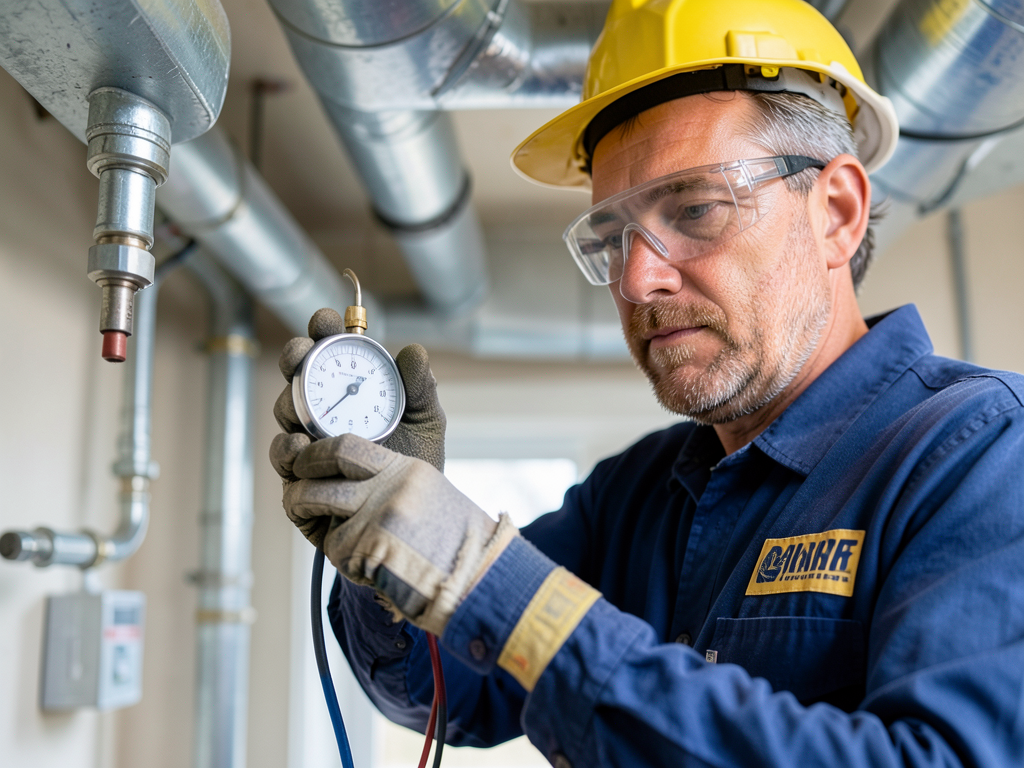
Our technicians use professional-grade moisture meters, thermal cameras, and hygrometers to document indoor moisture problems throughout your home. We test HVAC system performance with manifold gauges and airflow meters to verify refrigerant charge and blower speed. We inspect attics, crawl spaces, and mechanical rooms for moisture sources. We photograph problem areas and provide detailed reports showing current humidity levels, target ranges, and specific corrective actions needed. You receive a written summary with prioritized recommendations.

Measurable Indoor Air Quality Improvement

After we implement humidity corrections, you will notice immediate improvements in comfort and air quality. Condensation on windows disappears. Musty odors fade. Your home feels cleaner and more comfortable at the same thermostat setting. We verify results with post-installation humidity measurements and provide you with baseline data for ongoing monitoring. Most clients report better sleep, fewer allergy symptoms, and lower cooling costs because properly dehumidified air feels cooler at higher temperatures.

Ongoing Support and Maintenance

We provide maintenance schedules specific to your equipment and local conditions. Dehumidifiers require annual coil cleaning and filter replacement. We inspect condensate drains and verify proper operation during routine HVAC maintenance visits. We recalibrate humidity controls as needed and adjust settings for seasonal changes. If you notice returning moisture problems, we respond quickly to diagnose new issues. We keep detailed service records for your system and track humidity trends over time to catch developing problems early.

Frequently Asked Questions

You Have Questions,
We Have Answers

How to fix humidity inside a house? +

Start by running your AC more consistently. San Antonio's muggy summers make air conditioners your best dehumidifier. Check that your system is sized correctly for your square footage. Oversized units cool too fast and shut off before removing enough moisture. Add a whole-home dehumidifier if your AC struggles. Fix leaks in bathrooms, kitchens, and around windows. Use exhaust fans when cooking or showering. Seal crawl spaces and check that gutters drain water away from your foundation. Poor drainage in our clay soil pushes ground moisture up through slabs. Replace your HVAC filter monthly during peak months.

What are the symptoms of too much humidity in your house? +

You will notice condensation forming on windows, mirrors, and metal fixtures. Walls and ceilings may feel damp or show watermarks. Musty odors develop in closets and corners. Mold grows in bathrooms, around AC vents, or on window frames. Wood floors buckle or warp. Dust mites thrive, worsening allergies. You might feel sticky or uncomfortable even when your thermostat reads a reasonable temperature. Paint may peel or bubble on interior walls. These symptoms worsen during San Antonio's humid spring and summer months when outdoor moisture infiltrates your home through leaks or poor ventilation.

Why is my house at 67% humidity? +

Your home hit 67% because your AC is not removing enough moisture or outdoor air is leaking inside. San Antonio humidity spikes after rainstorms or during summer evenings when outdoor levels hit 80-90%. Check your AC drain line for clogs. A blocked condensate line stops moisture removal. Your system may be short-cycling due to incorrect sizing or a dirty filter. Leaky ductwork in your attic pulls in humid air. Poor insulation lets outdoor moisture seep through walls. Activities like cooking, showering, or drying laundry indoors without ventilation add gallons of water vapor daily.

What is dangerously humid indoors? +

Indoor humidity above 60% creates health risks and structural damage. Mold spores multiply rapidly at 60-70% humidity. Dust mites thrive above 50%, triggering asthma and allergies. At 70% or higher, wood rot accelerates and drywall absorbs moisture. Your respiratory system struggles in high humidity because sweat cannot evaporate to cool your body. San Antonio residents face this risk during June through September when outdoor humidity stays elevated. Ideal indoor levels sit between 30-50% year-round. Anything above 55% demands immediate action to prevent mold growth and protect your family's health.

How San Antonio's Subtropical Climate and Limestone Foundation Create Chronic Indoor Moisture Challenges

San Antonio's location at the southern edge of the Edwards Plateau creates persistent humidity problems that differ from Houston's coastal moisture or Austin's Hill Country dryness. Summer dew points regularly exceed 70 degrees, which means outdoor air holds massive amounts of water vapor. When this air infiltrates through gaps around doors, windows, and penetrations, it introduces gallons of moisture daily. The porous limestone beneath most San Antonio homes wicks groundwater upward through concrete slabs, adding another moisture source that dehumidification alone cannot solve. Homes near the San Antonio River or Salado Creek face even higher moisture loads.

Patriot HVAC San Antonio has developed humidity control expertise specific to local construction practices and geological conditions. We understand how moisture behaves in homes built on caliche soils common in northwest San Antonio versus the clay soils south of Loop 410. We work with the building science principles that matter in Climate Zone 2, where cooling loads dominate but winter heating creates reverse vapor drive. Our solutions account for San Antonio's unique combination of high humidity, intense solar gain, and limestone foundations that require specialized moisture management strategies.

HVAC Services in The San Antonio Area

Patriot proudly serves San Antonio and surrounding communities with fast, reliable HVAC services. Use the map below to locate our service area and see if we’re available in your neighborhood. Whether you need a quick repair or full installation, we’re just a call away. Our mobile team is equipped and ready to meet you where you are. Count on Patriot for dependable service with a local touch.

Address:
Patriot HVAC San Antonio, 1100 Northwest Loop, San Antonio, TX, 91335

Additional Services We Offer

Our news updates

Latest Articles & News from The Blogs

San Antonio summers push garage temperatures past 100 degrees making your Wildhorse conversion or home gym nearly unusable. The problem…

Best Ways to Cool a Garage Conversion or Home Gym in Wildhorse

San Antonio summers push garage temperatures past 100 degrees making your Wildhorse conversion or home gym nearly unusable. The problem…

Why Your HVAC Filter is Losing the Battle Against Cedar Fever in Northwest Crossing

Cedar fever hits Northwest Crossing hard every winter. Your HVAC filter might be doing more harm than good if it…

Comparing Inverter AC Technology and Standard Compressors for 2026 Energy Savings

Comparing Inverter AC Technology and Standard Compressors for 2026 Energy Savings When your air conditioner kicks on during a San…

Contact Us

Stop living with uncomfortable, unhealthy indoor air. Call Patriot HVAC San Antonio at (726) 259-0059 for a comprehensive humidity assessment. We will diagnose the root cause of your moisture problems and implement proven solutions that restore comfort and protect your home.