





menu

Storm Damage HVAC Repair in San Antonio – Emergency Response Within 60 Minutes

When severe weather strikes your home or business, our certified technicians arrive fast to assess storm damaged AC units, outdoor condensers, and ductwork before secondary damage compounds your losses.

Slider Image 1
Slider Image 2
Slider Image 3
Slider Image 4
Slider Image 5
Slider Image 7
Slider Image 8
Slider Image 9
Slider Image 10
Slider Image 11

When San Antonio Storms Leave Your HVAC System Crippled

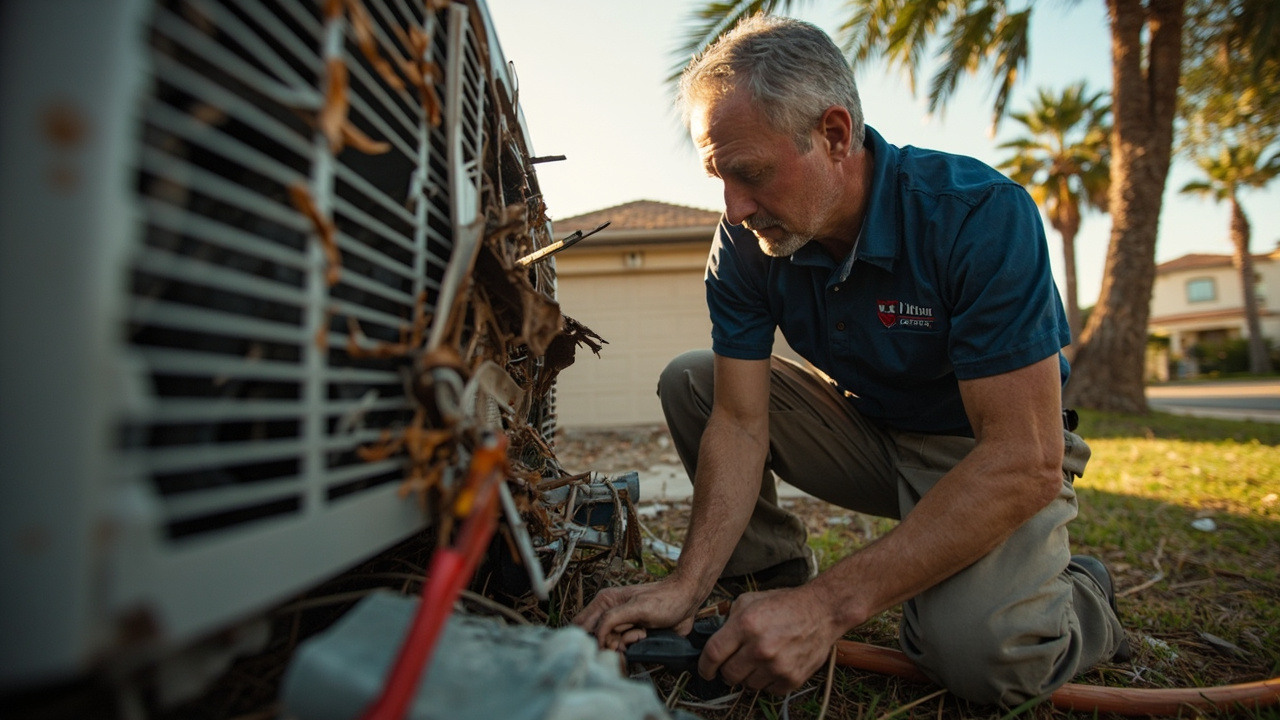
You heard the hail pounding your roof. You watched the wind whip tree branches across your yard. Now your air conditioner will not turn on, or worse, it is making a grinding noise that tells you something inside broke.

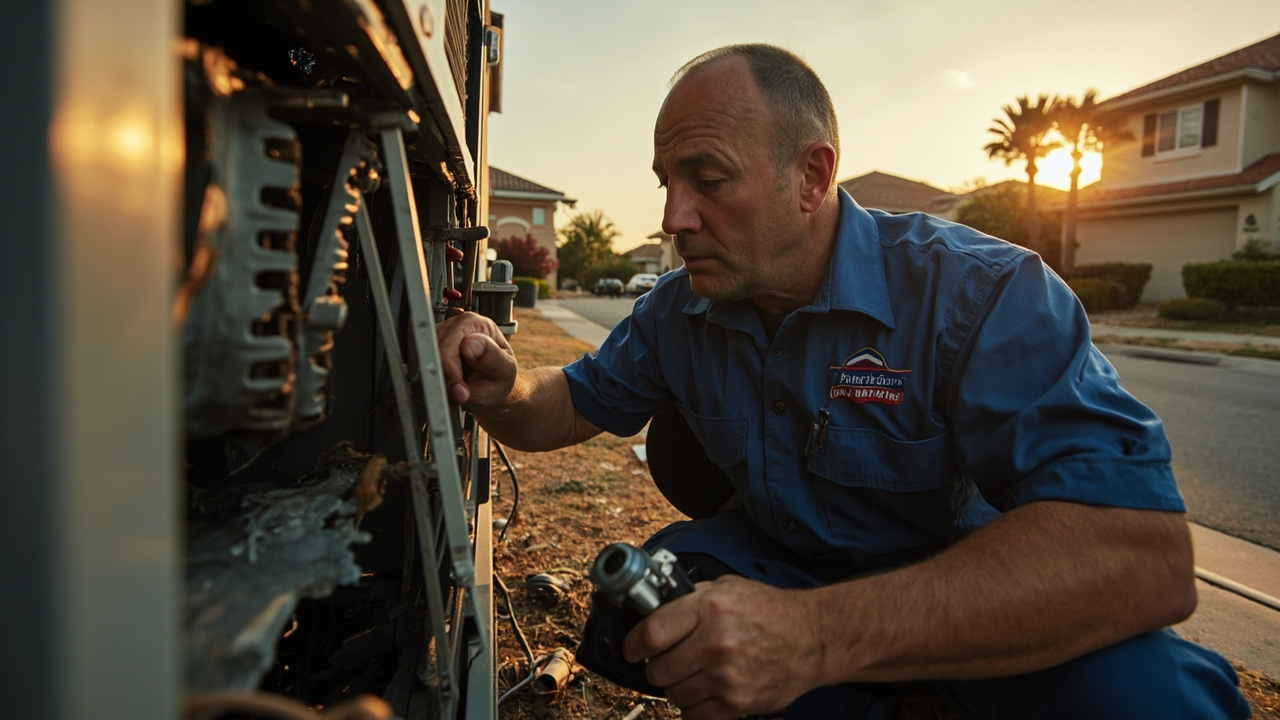
San Antonio sits in the crosshairs of severe thunderstorm activity from March through October. Hailstones larger than golf balls pummel outdoor condenser units. Straight-line winds exceeding 70 mph topple compressor housings and tear away refrigerant lines. Flash flooding sends muddy water into ground-level HVAC equipment, shorting electrical components and corroding coil fins.

The damage does not stop when the storm passes. A refrigerant leak left unaddressed for 48 hours can destroy your compressor. Water intrusion into ductwork breeds mold that spreads through your entire system within 72 hours. Debris lodged in your condenser fan will overheat the motor and trigger a cascade failure that transforms a simple fix into a complete unit replacement.

You need emergency HVAC storm repair before your comfort turns into a crisis and your repair bill doubles. Storm damaged AC unit repair is not something you schedule next week. Every hour you wait, the secondary damage worsens.

San Antonio's clay soil shifts after heavy rain, pulling foundation slabs and cracking rigid refrigerant lines. The combination of high humidity and sudden temperature swings after a storm accelerates corrosion on exposed copper piping. This is not a DIY moment. This is when you call professionals who understand heating and cooling storm damage repair and can stop the bleeding before your system flatlines.

When San Antonio Storms Leave Your HVAC System Crippled
How We Stabilize and Restore Your System After Catastrophic Weather

How We Stabilize and Restore Your System After Catastrophic Weather

We do not show up with a clipboard and give you an estimate next Tuesday. Our emergency HVAC storm repair protocol starts the moment you call. We dispatch a certified technician with a fully stocked service vehicle equipped for field diagnostics, refrigerant recovery, and temporary system stabilization.

First, we kill power to prevent electrical fires or compressor burnout. Then we assess the visible damage to your condenser unit, evaporator coil, ductwork, and refrigerant lines. We use electronic leak detectors to find breaches in your refrigerant circuit, because visual inspection misses pinhole leaks that will drain your system in days.

If your compressor is intact but contaminated with water or debris, we flush the system and replace the filter drier to remove moisture and particulates before they crystallize inside your expansion valve. If hail cracked your condenser coil, we isolate the damaged section, recover remaining refrigerant, and determine whether a coil replacement or full unit swap makes financial sense.

For ductwork compromised by water intrusion, we document the extent of contamination with moisture meters and thermal imaging. Wet insulation does not dry out in South Texas humidity. It becomes a mold factory. We remove and replace affected sections, then treat surrounding areas with antimicrobial agents to halt spore growth.

Our HVAC storm restoration services include temporary cooling solutions if your primary system is down for more than 24 hours. We deploy portable AC units for critical spaces while we source parts and coordinate with your insurance adjuster. We photograph every stage of damage and repair because insurers demand proof, and we speak their language fluently.

You get a system that works, not a band-aid that fails again in three weeks.

What Happens When You Call for Storm Damage HVAC Repair

Storm Damage HVAC Repair in San Antonio – Emergency Response Within 60 Minutes
01

Immediate Damage Assessment

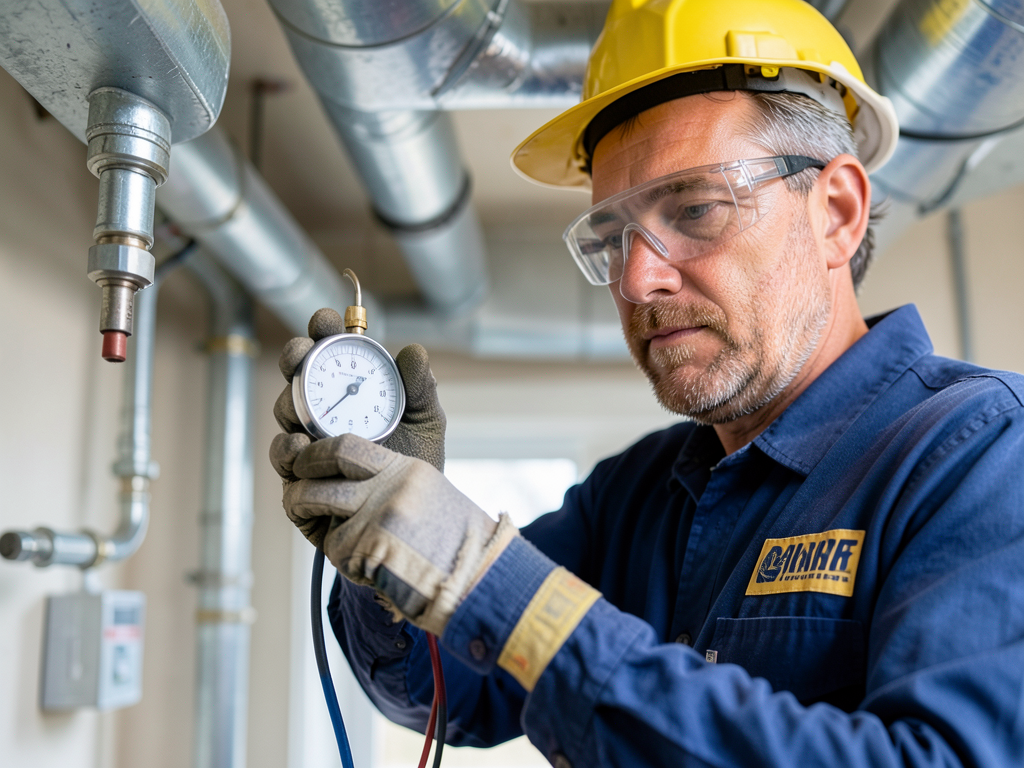
Our technician arrives within 60 minutes to evaluate your outdoor condenser, refrigerant lines, electrical connections, and ductwork integrity. We use digital manometers to test refrigerant pressures and multimeters to check voltage at the disconnect box. You get a verbal summary of critical damage and immediate safety concerns before we touch a single component. This diagnostic phase prevents misdiagnosis and ensures we address root causes, not symptoms.
02

System Stabilization and Repair

We execute the fix storm damaged HVAC system protocol by isolating damaged components, recovering refrigerant if lines are breached, and replacing compromised parts with OEM-equivalent units that match your system specifications. If your evaporator coil flooded, we extract water, test the blower motor, and verify the condensate drain is clear. For electrical damage, we replace contactors, capacitors, and burnt wiring harnesses. You watch your system come back online the same day whenever parts are available.
03

Performance Verification and Documentation

After repairs, we test superheat and subcooling to confirm your refrigerant charge is exact. We measure airflow at supply registers and verify temperature splits across your evaporator coil. You receive itemized documentation with photos of damaged components, serial numbers of replaced parts, and performance readings that prove your system meets manufacturer specifications. This paperwork satisfies insurance claims and protects your investment if follow-up issues arise from storm-related damage.

Why San Antonio Homeowners Trust Us During HVAC Emergencies

When your AC dies at 9 PM after a thunderstorm, you do not have time to vet contractors. You need someone who answers the phone, shows up fast, and fixes the problem correctly the first time.

Patriot HVAC San Antonio runs 24/7 emergency dispatch because South Texas storms do not respect business hours. Our technicians carry commercial-grade tools and common replacement parts so we complete most repairs in a single visit. We do not schedule you three days out while your house turns into a sauna and your family checks into a hotel.

We understand San Antonio's building landscape. Older homes in neighborhoods like Alamo Heights and Monte Vista have outdated HVAC systems with proprietary parts that require creative solutions during emergency repairs. Newer developments in Stone Oak and Cibolo use high-efficiency variable-speed systems that demand precise diagnostics and calibrated refrigerant charging. We have repaired both, along with commercial HVAC storm restoration services for retail centers along Loop 1604 and medical offices near the South Texas Medical Center.

Our technicians hold EPA Section 608 certification for refrigerant handling, which matters when storm damage ruptures refrigerant lines. Improper recovery releases R-410A into the atmosphere and violates federal law. We recover, recycle, and recharge according to EPA protocols, which protects you from liability and ensures your compressor gets the correct refrigerant charge for peak efficiency.

We also coordinate directly with major insurance carriers. We provide itemized estimates, detailed damage photos, and technical justifications that adjusters need to approve claims quickly. You do not play middleman between your insurer and your contractor. We handle that communication so you get your system fixed and your claim paid without the runaround.

What You Can Expect When We Restore Your Storm Damaged System

Emergency Response Time

We dispatch a certified technician to your location within 60 minutes of your call during daylight hours and within 90 minutes for overnight emergencies. Our service vehicles carry diagnostic equipment, refrigerant recovery machines, replacement contactors, capacitors, and common fan motors. If your system is restorable, we start repairs immediately after diagnosing the damage. If your unit requires specialized parts, we source them from local suppliers or overnight shipment while providing temporary cooling solutions to keep your home livable.

Comprehensive Storm Damage Inspection

Our technicians inspect your entire HVAC system, not just the obvious damage. We check refrigerant pressures, measure voltage at the transformer and capacitor, inspect ductwork for water intrusion, and test blower motor amperage. We look for secondary damage like cracked slab foundations that shifted refrigerant lines or tree branches that punctured duct boots in your attic. You receive a written assessment that documents every compromised component, complete with photos and technical readings that satisfy insurance requirements and prevent future breakdowns from undetected storm damage.

Precision Repairs That Last

We do not patch leaks with epoxy or refill your refrigerant without finding the source. Every repair meets manufacturer specifications and industry best practices. If your condenser coil is damaged, we replace it with a matching coil that maintains your system's SEER rating. If your ductwork flooded, we remove contaminated insulation and seal joints with mastic, not duct tape. We pressure-test refrigerant lines before recharging, verify airflow with a calibrated anemometer, and measure temperature splits to confirm your system is cooling efficiently.

Post-Repair Support and Monitoring

After we restore your system, we provide a detailed service report with part serial numbers, refrigerant charge weights, and performance metrics. You get a 30-day callback guarantee. If storm-related issues resurface within 30 days of our repair, we return and resolve them at no additional diagnostic charge. We also offer maintenance plans that include biannual inspections, priority emergency service, and discounted repairs. San Antonio's severe weather is not a one-time event. Regular maintenance catches small problems before they become expensive failures during the next storm season.

Frequently Asked Questions

You Have Questions,
We Have Answers

What is the $5000 rule for HVAC? +

The $5000 rule is a simple guideline for deciding whether to repair or replace your HVAC system. Multiply the age of your unit by the repair cost. If the result exceeds $5000, replacement is usually smarter. For example, a 12-year-old system needing $500 in repairs equals $6000, signaling replacement time. After storm damage in San Antonio, this rule helps you make fast decisions when hail, wind, or debris damages outdoor units. Your insurance adjuster may reference this formula. Always get a professional assessment to confirm whether storm-related damage warrants repair or full replacement before filing your claim.

Does insurance cover HVAC damage? +

Yes, homeowners insurance typically covers HVAC damage caused by covered perils like hail, wind, falling trees, or lightning. In San Antonio, severe thunderstorms and hail frequently damage outdoor condenser units. Your policy likely covers sudden, accidental damage but excludes wear and tear or neglect. Document everything immediately. Take photos of visible damage, note when the storm occurred, and call your insurance company within 24 hours. Get a licensed HVAC contractor to inspect and provide a damage report. This documentation strengthens your claim and speeds up the approval process, helping you restore cooling fast during San Antonio's brutal heat.

How long after storm damage can I claim? +

Most homeowners insurance policies require you to file storm damage claims within one year of the event, but waiting hurts your case. In San Antonio, file within 48 to 72 hours after a storm for the best results. Immediate reporting shows the damage is fresh and storm-related, not from neglect. Delays let moisture, rust, and secondary damage worsen, making it harder to prove causation. Your insurance adjuster may question whether the damage truly came from the recent storm or existed earlier. Document damage immediately with photos and timestamps, then call your insurer and an HVAC contractor right away to protect your claim.

What is the 3 minute rule for AC? +

The 3-minute rule protects your compressor from damage after a power outage or system shutdown. You must wait at least 3 minutes before restarting your AC. This allows refrigerant pressure to equalize inside the system. Restarting too soon forces the compressor to work against high pressure, which can burn out the motor. After storm-related power outages in San Antonio, resist the urge to flip your system back on immediately. Wait a full 3 minutes. If your AC won't start after waiting, or you hear grinding or clicking, shut it down and call for emergency service. Compressor damage is expensive and often storm-insurance eligible.

Why San Antonio's Hail Belt Makes Emergency HVAC Storm Repair Critical

San Antonio sits in the geographic zone where Gulf moisture collides with dry continental air masses, spawning severe thunderstorms with hail exceeding two inches in diameter. These storms peak between April and June, hammering outdoor condenser units with ice projectiles that dent coil fins, crack fan blades, and puncture refrigerant lines. The limestone bedrock beneath San Antonio amplifies runoff during flash floods, sending debris-laden water into ground-level HVAC equipment. Your system faces threats that Denver and Phoenix homeowners never encounter. Emergency HVAC storm repair is not optional here. It is survival.

San Antonio's rapid growth has created a patchwork of building codes. Homes built before 2010 often lack elevated equipment pads that protect condensers from flooding. Subdivisions in Bexar County's unincorporated areas may not require hail-resistant condenser guards. When you call for storm damaged AC unit repair, you need a contractor who understands these variations and can retrofit your system with protective measures that prevent repeat damage. Patriot HVAC San Antonio has worked in every corner of the metro, from historic King William homes to new construction in Schertz, and we know how to fortify your HVAC investment against South Texas weather.
HVAC Services in The San Antonio Area

Patriot proudly serves San Antonio and surrounding communities with fast, reliable HVAC services. Use the map below to locate our service area and see if we’re available in your neighborhood. Whether you need a quick repair or full installation, we’re just a call away. Our mobile team is equipped and ready to meet you where you are. Count on Patriot for dependable service with a local touch.

Address:
Patriot HVAC San Antonio, 1100 Northwest Loop, San Antonio, TX, 91335

Additional Services We Offer

Our news updates

Latest Articles & News from The Blogs

Why Your AC Vents Are Whistling and How to Stop the Noise for Good That high-pitched whistle coming from your…

Why Your AC Vents Are Whistling and How to Stop the Noise for Good

Why Your AC Vents Are Whistling and How to Stop the Noise for Good That high-pitched whistle coming from your…

Why 72 Degrees Feels Different in San Antonio Than It Does Anywhere Else

Why 72 Degrees Feels Different in San Antonio Than It Does Anywhere Else When you set your thermostat to 72…

What Jefferson Terrace Homeowners Should Know About Older Ductwork and Modern Air Quality

What Jefferson Terrace Homeowners Should Know About Older Ductwork and Modern Air Quality \n\n Jefferson Terrace homes built in the…

Contact Us

Every hour you wait, the damage spreads. Call Patriot HVAC San Antonio at (726) 259-0059 right now. We answer 24/7, dispatch within 60 minutes, and restore your system before the heat becomes unbearable. Do not gamble with your family's comfort.