





menu

Multi-Family HVAC Services in San Antonio – Minimize Downtime and Protect Your Property Investment

Patriot HVAC San Antonio delivers scalable heating and cooling solutions for apartment complexes, condominiums, and property management portfolios across the greater San Antonio metro, keeping tenants comfortable and your operations running smoothly.

Slider Image 1
Slider Image 2
Slider Image 3
Slider Image 4
Slider Image 5
Slider Image 7
Slider Image 8
Slider Image 9
Slider Image 10
Slider Image 11

Why Multi-Unit Properties Face Unique HVAC Challenges in San Antonio

San Antonio's climate hits multi-family properties harder than single-family homes. Summer temperatures exceed 95 degrees for months, placing relentless demand on apartment complex HVAC services. High humidity accelerates coil corrosion and promotes mold growth in shared ductwork. Winter freezes, though brief, can crack heat exchangers and burst condensate lines in older buildings near the Medical Center or King William Historic District.

Multi-unit HVAC maintenance requirements differ from residential systems. Centralized plant equipment in complexes near Stone Oak or The Dominion operates under continuous load. Rooftop package units serving multiple floors generate vibration fatigue and refrigerant leaks. Tenant turnover means inconsistent thermostat management, causing compressor short-cycling and premature failure.

Property managers face liability exposure when condominium heating and cooling repair delays leave units uninhabitable. Texas Property Code mandates habitability standards. A failed chiller in a 200-unit complex near Alamo Heights can trigger mass lease violations in 48 hours. Insurance claims spike when tenants document heat stress or water damage from emergency HVAC failures.

Local building codes in Bexar County require specific ventilation rates for multi-family housing HVAC solutions. Older properties built before 2015 may lack adequate makeup air systems, creating negative pressure and backdrafting water heaters. Property management HVAC contractors must navigate these compliance gaps while maintaining budget discipline and minimizing tenant disruption across scattered portfolios.

Why Multi-Unit Properties Face Unique HVAC Challenges in San Antonio
How We Deliver Scalable HVAC Solutions for Multi-Family Properties

How We Deliver Scalable HVAC Solutions for Multi-Family Properties

Our approach to multi-family housing HVAC solutions starts with system-level diagnostics, not unit-by-unit troubleshooting. We map your entire mechanical infrastructure, identifying single points of failure in central plants, distribution loops, and branch circuits. This prevents cascading failures that take down entire buildings.

For apartment complex HVAC services, we deploy predictive maintenance protocols. Vibration analysis on rooftop units detects bearing wear before catastrophic compressor failure. Infrared thermography identifies hot spots in electrical connections and refrigerant restrictions. Oil analysis on large chillers reveals contamination and acid formation that precede compressor burnout. These diagnostics prevent emergency calls and extend equipment life by 30 percent.

We schedule multi-unit HVAC maintenance during low-occupancy periods to minimize tenant impact. Our technicians carry commercial-grade refrigerant recovery equipment and maintain proper EPA 608 certification for large-charge systems. We stock OEM parts for major brands common in San Antonio properties, including Trane, Carrier, and Lennox commercial lines.

Condominium heating and cooling repair requires transparent communication with HOA boards and property managers. We provide detailed failure analysis reports with thermal images and amperage readings. Our proposals separate critical safety repairs from efficiency upgrades, allowing you to prioritize capital expenditures based on risk and ROI.

Property management HVAC contractors must coordinate across multiple sites. We assign dedicated account managers to portfolio clients, ensuring consistent service standards whether you operate properties in Southtown, Olmos Park, or Schertz. Our dispatch system tracks service history across your entire portfolio, preventing duplicated diagnostics and streamlining vendor management.

What to Expect When You Partner with Us

Multi-Family HVAC Services in San Antonio – Minimize Downtime and Protect Your Property Investment
01

Property Assessment and Load Analysis

We start with a comprehensive site survey of your property. Our technicians document all HVAC assets, including rooftop units, split systems, chillers, boilers, and ventilation equipment. We measure actual cooling loads against nameplate capacities, identifying undersized or failing equipment. You receive a prioritized capital plan with failure risk ratings, helping you budget for replacements before emergency breakdowns force reactive spending on expedited equipment and overtime labor.
02

Scheduled Maintenance Execution

Our maintenance crews perform quarterly service visits on all mechanical equipment. We clean condenser coils, calibrate thermostats, test safety controls, measure refrigerant superheat and subcooling, and lubricate motor bearings. For central plant equipment, we log operating pressures, temperatures, and amp draws, comparing them against baseline performance data. This trending identifies degradation patterns before efficiency drops or capacity losses occur, protecting your asset value and tenant satisfaction scores.
03

Compliance Documentation and Reporting

After each service visit, you receive detailed reports documenting work performed, parts replaced, and any code compliance issues discovered. We photograph deficiencies and provide cost estimates for corrections. For properties under regulatory oversight or preparing for sale, we compile comprehensive mechanical system histories that satisfy due diligence requirements. This documentation protects you during liability disputes and demonstrates proactive maintenance to insurance carriers, potentially reducing premiums on large multi-family properties.

Why San Antonio Property Managers Choose Patriot HVAC

San Antonio's property management landscape demands contractors who understand local market pressures. Class B properties near downtown compete for tenants based on reliability and comfort. A single summer with repeated AC failures can tank occupancy rates and trigger lease breaks. We prevent these cascading losses.

Our team knows Bexar County's mechanical code amendments. The 2021 International Mechanical Code adoption included local modifications for refrigerant system installations and ventilation requirements in high-density housing. Non-compliant installations create liability exposure during inspections or insurance claims. We bring systems into compliance without unnecessary equipment replacement, protecting your capital budget.

We maintain relationships with major equipment distributors in San Antonio, ensuring priority access to commercial-grade components when supply chains tighten. During the 2021 winter storm, we sourced heat exchangers and ignition controls when competitors faced six-week backlogs. This supply chain advantage keeps your properties operational during regional equipment shortages.

Portfolio clients benefit from consolidated billing and consistent pricing across properties. No surprise trip charges or inflated emergency rates. Our flat-rate commercial service agreements include predictable monthly costs and guaranteed response times, simplifying budget planning for properties ranging from 20-unit complexes in Southtown to 300-unit developments in Stone Oak.

We understand the financial pressures on property managers. Our proposals separate immediate safety repairs from long-term efficiency upgrades. You get clear ROI projections showing payback periods for system replacements, variable-speed retrofits, and smart thermostat installations. This transparency allows informed capital allocation decisions rather than panic spending during emergencies.

What Multi-Family Property Owners Can Expect

Response Times and Service Availability

We guarantee four-hour response times for commercial clients during business hours. Emergency after-hours calls receive callback within 60 minutes and dispatch within two hours. For critical failures affecting multiple units, we deploy multiple technicians simultaneously to restore capacity quickly. Our service vehicles stock common commercial components, including contactors, capacitors, and refrigerant, eliminating parts-run delays. For scheduled maintenance, we provide 48-hour advance notice and coordinate with on-site staff to access mechanical rooms and rooftops without disrupting tenant operations or violating lease quiet-enjoyment provisions.

System Assessment and Diagnostic Process

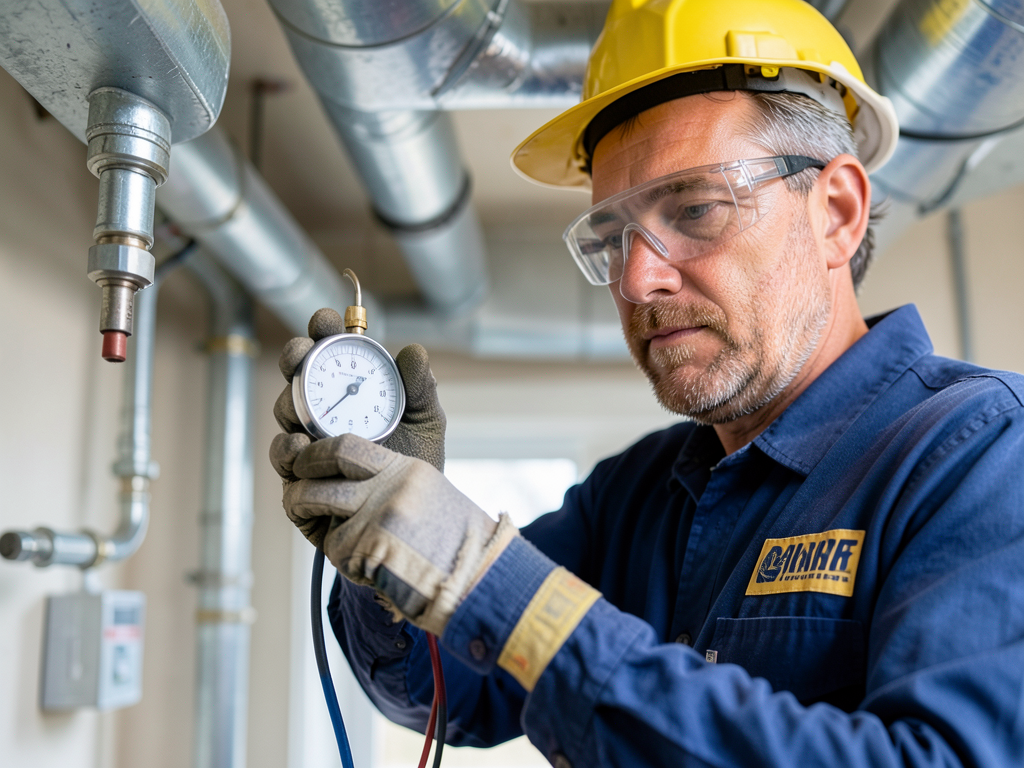
Initial consultations include complete mechanical system inventory and load calculations. We use digital manifolds to measure refrigerant pressures, temperatures, and superheat across all circuits. Combustion analysis on gas furnaces and boilers ensures proper air-fuel ratios and safe venting. Airflow measurements verify proper duct sizing and fan performance. You receive a written report with thermal images, amperage readings, and performance data showing exactly where systems deviate from manufacturer specifications. This diagnostic rigor eliminates guesswork and prevents misdiagnosis that wastes your capital budget on unnecessary replacements.

Quality Standards and Final Deliverables

All installations and repairs meet or exceed manufacturer specifications and local code requirements. We pull permits for equipment replacements and coordinate inspections with City of San Antonio building officials. Refrigerant work complies with EPA Section 608 regulations, and we document proper recovery and disposal. New equipment installations include startup reports with measured airflow, refrigerant charge verification, and electrical readings. We provide operation and maintenance manuals for property staff and train on-site personnel on basic troubleshooting and filter replacement schedules, reducing your dependency on service calls for minor issues.

Maintenance Agreements and Ongoing Support

Our commercial maintenance agreements include quarterly inspections, priority scheduling, and discounted repair rates. We track service history across your entire portfolio in our dispatch system, ensuring continuity when different technicians service your properties. Agreements include filter replacement, coil cleaning, refrigerant level checks, and electrical connection inspection. For large properties with central plant equipment, we offer customized preventive maintenance schedules aligned with manufacturer recommendations and your operational budget. Maintenance clients receive advance notification of developing issues, allowing you to budget for repairs rather than facing surprise emergency expenses during peak cooling season.

Frequently Asked Questions

You Have Questions,
We Have Answers

What is the $5000 rule for HVAC? +

The $5000 rule is a quick ROI calculation for property managers deciding between repair and replacement. If the repair cost multiplied by the system's age (in years) exceeds $5000, replacement makes more financial sense. For example, a $400 repair on a 15-year-old system equals $6000, signaling replacement. In San Antonio's humid climate, older systems lose efficiency fast due to constant strain. This rule helps multifamily owners avoid throwing money at failing equipment. Factor in energy costs, tenant comfort, and liability when deciding. Document all calculations for capital expense planning and budget justification.

What is multi family HVAC? +

Multifamily HVAC refers to climate control systems serving apartment complexes, condos, and multitenant buildings. These systems range from centralized chillers and boilers to individual packaged terminal air conditioners (PTACs) or split systems per unit. In San Antonio, most properties use rooftop units (RTUs) or central plants with individual air handlers. The key difference from residential HVAC is scale, maintenance complexity, and regulatory compliance. Property managers must balance tenant comfort, energy efficiency, and operational costs. Code requirements differ for buildings over three stories or with more than 16 units. Preventive maintenance contracts reduce emergency calls and extend equipment lifespan.

How much should an HVAC service call cost? +

Commercial HVAC service calls in San Antonio range from $150 to $300 for diagnostics, depending on system complexity and after-hours requirements. This fee typically applies toward repair costs if you proceed. Multifamily properties with maintenance contracts pay lower per-call rates. Emergency service (nights, weekends, holidays) costs more due to labor premiums. The call fee covers travel, diagnostics, and a technician's time to identify the problem. Get a detailed written estimate before authorizing repairs. For multifamily properties, negotiate flat-rate service agreements to control costs and prioritize response times. Cheaper service calls often mean less-experienced technicians or hidden fees.

Is multi stage HVAC worth it? +

For multifamily properties in San Antonio, multistage HVAC systems deliver measurable ROI through reduced energy costs and improved tenant satisfaction. These systems run at lower capacity during mild weather (common in spring and fall) and ramp up during peak cooling months. This reduces wear, extends equipment life, and lowers utility bills by 20 to 30 percent compared to single-stage units. Multistage systems also dehumidify better, critical in San Antonio's humid climate. For properties with individually metered units, tenants pay less for electricity. For master-metered buildings, owners see direct operational savings. The upfront premium pays back within three to five years.

What is the tax credit for HVAC system 2025? +

The 2025 federal tax credit for commercial HVAC falls under Section 179D, allowing immediate deduction of energy-efficient system costs. Property owners can deduct $1.00 to $5.00 per square foot for systems meeting energy savings thresholds (25 to 50 percent above ASHRAE standards). High-efficiency rooftop units, variable refrigerant flow systems, and advanced controls qualify. Texas offers no additional state incentives, so maximize federal credits. Partner with an engineering firm to model energy savings and complete required certifications. Multifamily properties over 10,000 square feet see the biggest benefit. This offsets capital costs and accelerates payback periods.

What is the 3 minute rule for AC? +

The 3-minute rule prevents compressor damage by allowing refrigerant pressure to equalize before restarting. When an AC system shuts off, high and low pressure sides remain unbalanced. Restarting immediately forces the compressor to work against this pressure differential, causing mechanical stress and potential failure. Most modern commercial systems have built-in time-delay relays that enforce this rule automatically. In San Antonio's multifamily properties, frequent power fluctuations or tenant thermostat tampering can override delays. Educate maintenance staff to never bypass safety controls. Compressor replacement costs $3,000 to $8,000 per unit. Three minutes of patience prevents expensive downtime and tenant complaints.

What is the 1% rule in multifamily? +

The 1 percent rule in multifamily real estate states that monthly rental income should equal at least 1 percent of the property's purchase price for positive cash flow. For example, a $200,000 property should generate $2,000 monthly rent. While this rule applies to acquisition underwriting, it impacts HVAC budgeting directly. Properties meeting the 1 percent threshold can allocate 5 to 8 percent of gross rental income to capital reserves for equipment replacement. In San Antonio's competitive rental market, efficient HVAC systems justify higher rents and improve tenant retention. Poor climate control kills deals. Plan equipment upgrades into your capital expense forecast.

How much does a new HVAC system cost for a 1000 square foot condo? +

A new HVAC system for a 1000-square-foot condo in San Antonio ranges from $4,500 to $9,000 installed, depending on efficiency rating and system type. Split systems (outdoor condenser plus indoor air handler) dominate the local market. Higher SEER ratings (16 to 20) cost more upfront but reduce monthly electric bills, important for owner-occupied units or properties with tenant-paid utilities. San Antonio's cooling load demands proper sizing. Oversized systems short-cycle and waste energy. Undersized systems run constantly and fail early. Get Manual J load calculations before quoting. Include ductwork inspection, as leaky ducts lose 30 percent efficiency in older buildings.

What is the 2 foot rule for HVAC? +

The 2-foot rule requires at least 24 inches of clearance around outdoor HVAC units for airflow, maintenance access, and code compliance. In San Antonio multifamily properties, landscaping, fencing, or stored equipment often violates this rule, reducing efficiency and voiding warranties. Restricted airflow forces compressors to work harder, increasing energy costs and shortening equipment life. Technicians need clearance to service units safely and efficiently. During inspections, code enforcement flags violations, delaying occupancy permits or triggering fines. Mark exclusion zones around rooftop units and ground-level condensers. Educate maintenance staff and landscapers. Proper clearance prevents callbacks and extends system performance.

What is the lifespan of an HVAC system? +

Commercial HVAC systems in San Antonio multifamily properties last 12 to 20 years, depending on maintenance quality, runtime, and climate stress. Rooftop units face extreme UV exposure, wind, and temperature swings, shortening lifespan compared to protected equipment. Units running year-round in cooling-dominant climates wear faster. Preventive maintenance extends life by identifying refrigerant leaks, compressor issues, and electrical problems early. Budget for replacement at year 15 to avoid emergency failures during peak summer demand. Track age and performance data for each unit. Properties with deferred maintenance see failures at 10 years. Well-maintained systems with regular coil cleaning and filter changes reach 18 years.

How San Antonio's Growth Impacts Multi-Family HVAC Demands

San Antonio ranks among the fastest-growing metros in Texas, with multi-family construction concentrated in northern corridors near Stone Oak and along the 1604 loop. This growth strains the local skilled labor pool and creates equipment supply bottlenecks. Older properties near downtown and Southtown face retrofit challenges when upgrading aging HVAC systems in buildings constructed before modern efficiency standards. The Edwards Aquifer recharge zone restrictions in northern Bexar County limit cooling tower installations, forcing many property developers toward air-cooled chiller systems that require different maintenance protocols and generate higher operating costs during San Antonio's extended cooling season.

Property managers operating in San Antonio benefit from contractors who maintain relationships with local code officials and understand city-specific permitting requirements. Bexar County requires mechanical permits for equipment replacements exceeding 65,000 BTU, and inspections often reveal non-compliant installations performed by unlicensed contractors. We navigate these regulatory requirements while maintaining project timelines, protecting you from stop-work orders and failed inspections that delay tenant occupancy. Our familiarity with local utility rebate programs through CPS Energy helps offset equipment upgrade costs, improving your capital project ROI on high-efficiency system replacements.

HVAC Services in The San Antonio Area

Patriot proudly serves San Antonio and surrounding communities with fast, reliable HVAC services. Use the map below to locate our service area and see if we’re available in your neighborhood. Whether you need a quick repair or full installation, we’re just a call away. Our mobile team is equipped and ready to meet you where you are. Count on Patriot for dependable service with a local touch.

Address:
Patriot HVAC San Antonio, 1100 Northwest Loop, San Antonio, TX, 91335

Additional Services We Offer

Our news updates

Latest Articles & News from The Blogs

Why Your AC Vents Are Whistling and How to Stop the Noise for Good That high-pitched whistle coming from your…

Why Your AC Vents Are Whistling and How to Stop the Noise for Good

Why Your AC Vents Are Whistling and How to Stop the Noise for Good That high-pitched whistle coming from your…

Why 72 Degrees Feels Different in San Antonio Than It Does Anywhere Else

Why 72 Degrees Feels Different in San Antonio Than It Does Anywhere Else When you set your thermostat to 72…

What Jefferson Terrace Homeowners Should Know About Older Ductwork and Modern Air Quality

What Jefferson Terrace Homeowners Should Know About Older Ductwork and Modern Air Quality \n\n Jefferson Terrace homes built in the…

Contact Us

Call Patriot HVAC San Antonio at (726) 259-0059 for a comprehensive property assessment. We deliver transparent pricing, predictable maintenance schedules, and rapid emergency response that protects tenant satisfaction and your bottom line.