





menu

Furnace Blowing Cold Air in San Antonio – Expert Diagnosis and Same-Day Repairs

When your heating system blows cold air, you need accurate troubleshooting fast. Our technicians diagnose pilot light failures, thermostat malfunctions, and ignition issues specific to San Antonio's fluctuating winter temperatures and deliver reliable fixes the same day.

Slider Image 1
Slider Image 2
Slider Image 3
Slider Image 4
Slider Image 5
Slider Image 7
Slider Image 8
Slider Image 9
Slider Image 10
Slider Image 11

Why Your Furnace Blows Cold Air During San Antonio's Cold Snaps

You wake up to a 38-degree morning in Alamo Heights, turn up the thermostat, and your furnace kicks on but pushes nothing but cool air through the vents. San Antonio's mild winters deceive homeowners into thinking heating systems never fail, but sudden temperature drops from 70 degrees to freezing overnight stress components that sit dormant for months. When your heater blows cold air instead of warming your home, the problem usually stems from pilot light extinguishment, faulty flame sensors, or malfunctioning gas valves.

San Antonio's humidity creates another layer of complexity. Moisture accumulation in flue pipes and venting systems can block exhaust gases, triggering safety shutoffs that leave your furnace blowing unheated air. Clay soil expansion and contraction around foundations can shift gas lines just enough to reduce pressure, causing incomplete combustion and a furnace not blowing hot air. Homes built before 1990 in neighborhoods like King William and Monte Vista often have original ductwork with leaks that pull in cold attic air, mixing it with heated air and delivering lukewarm results.

If your heating system blows cold air, do not ignore it. Running a malfunctioning furnace wastes energy and can crack heat exchangers when the system cycles on and off repeatedly. A furnace blowing cool air signals a breakdown in the combustion process, thermostat communication, or airflow mechanics. Each requires different diagnostic tools and repair approaches. Guessing costs you money and leaves you cold during the next freeze.

Why Your Furnace Blows Cold Air During San Antonio's Cold Snaps
How We Diagnose and Fix Furnaces Blowing Cold Air

How We Diagnose and Fix Furnaces Blowing Cold Air

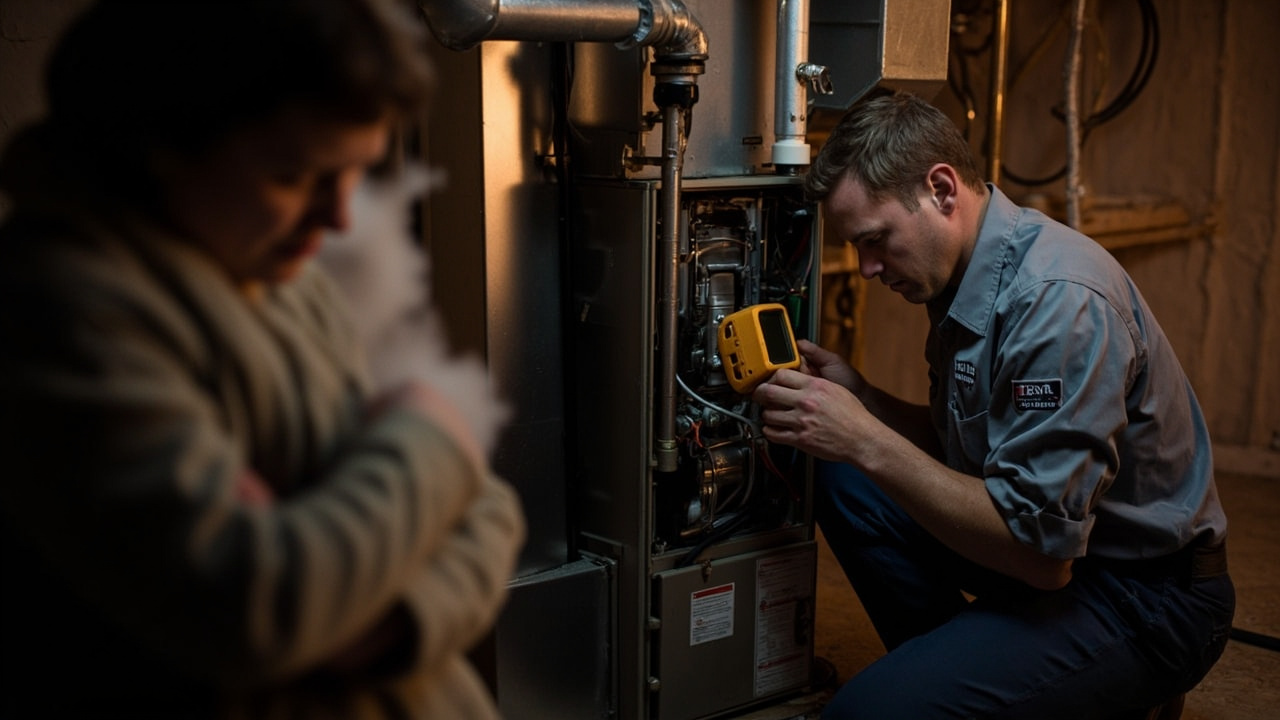
We start with differential diagnosis, not parts replacement. A furnace blowing cold air has six common failure points, and only systematic testing reveals the real culprit. Our technicians first verify thermostat calibration and wiring integrity. A thermostat reading 72 degrees when the room temperature is actually 68 degrees will shut down the burners prematurely, leaving you with cold air circulation from the blower motor.

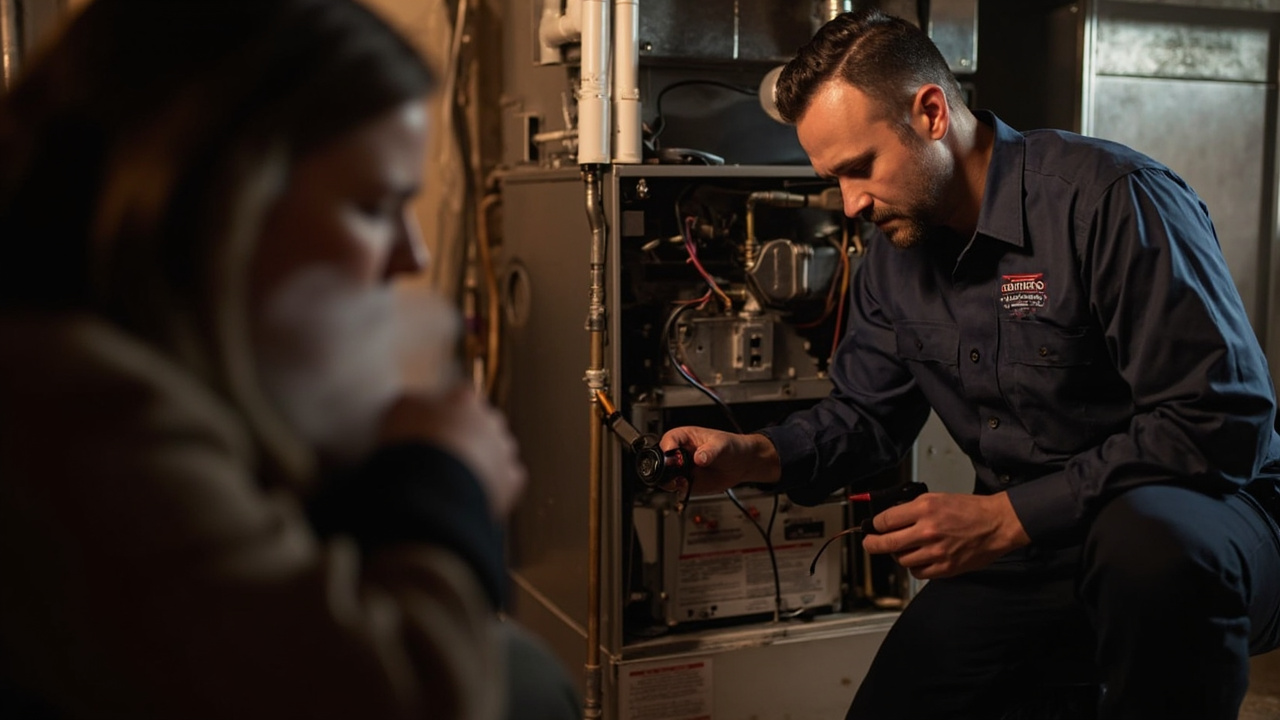
Next, we inspect the ignition system. Modern furnaces use hot surface igniters or intermittent pilot lights. Igniters crack from repeated heating cycles and fail to light the gas. Pilot lights blow out from draft issues or thermocouples that no longer sense flame presence. We test flame sensor conductivity using a microammeter. A sensor coated in carbon buildup cannot detect flame ionization, so the furnace shuts off burners within seconds while the blower continues pushing unheated air.

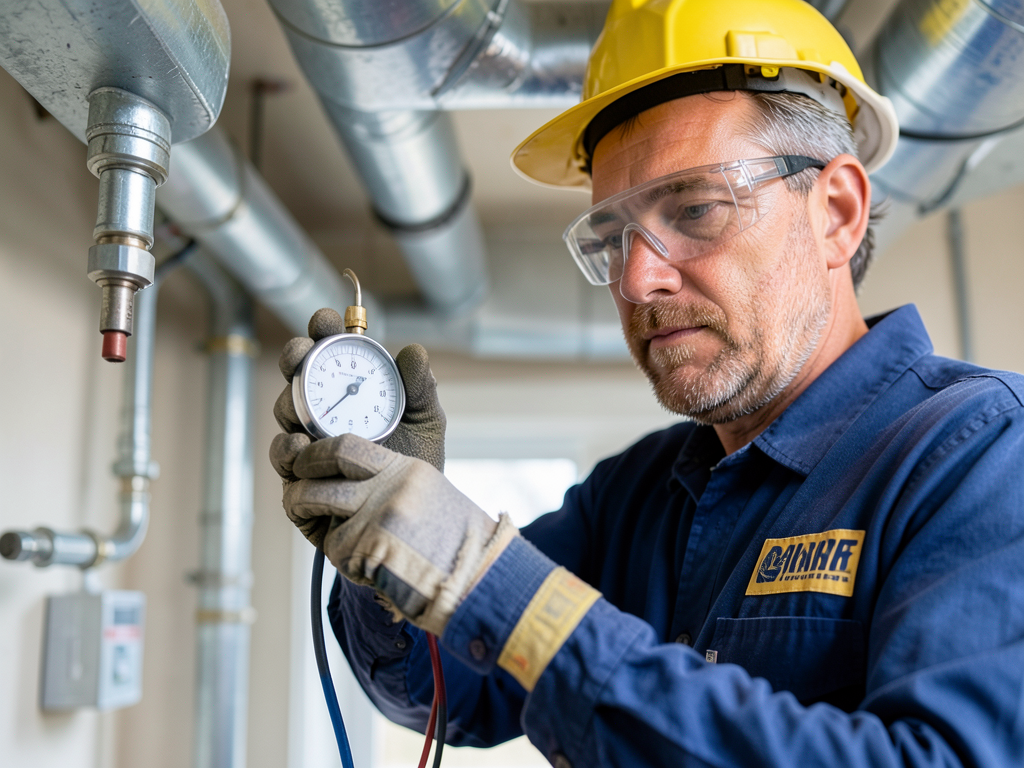
Gas pressure testing comes next. We attach a manometer to the gas valve and compare readings against manufacturer specifications. Low pressure prevents adequate combustion. High pressure creates incomplete burns that coat heat exchangers in soot, reducing thermal transfer. If the blower motor runs but burners never ignite, we trace the issue to limit switches, pressure switches, or blocked flue pipes.

For furnaces where the burners fire but you still feel cold air, we inspect the heat exchanger for cracks and measure airflow across the evaporator coil. Restricted airflow from clogged filters or closed supply registers causes the furnace to overheat and shut down before warm air reaches living spaces. We also check ductwork in unconditioned spaces like attics, where gaps and disconnected sections lose heated air before it reaches your rooms.

What Happens During Your Cold Air Furnace Service

Furnace Blowing Cold Air in San Antonio – Expert Diagnosis and Same-Day Repairs
01

Initial Diagnostic Testing

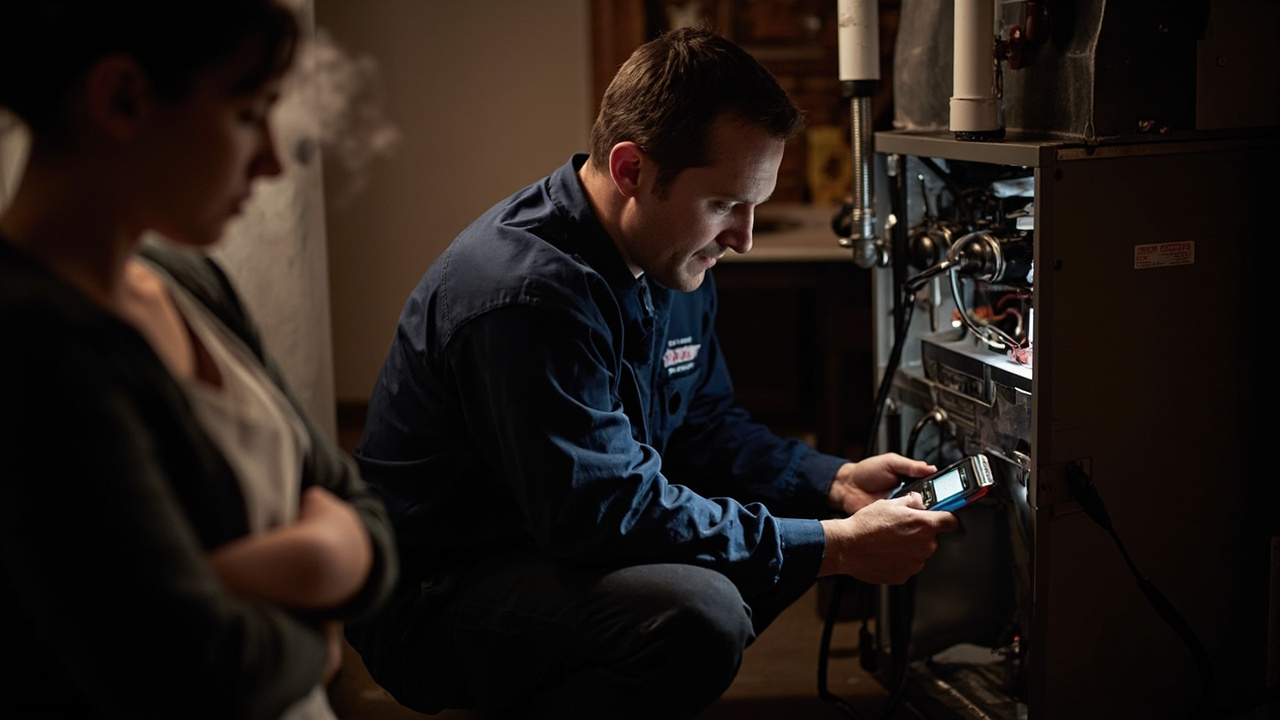
Our technician arrives with a full diagnostic toolkit including a combustion analyzer, manometer, and infrared thermometer. We run your furnace through a complete cycle while monitoring ignition sequence, flame characteristics, temperature rise across the heat exchanger, and blower motor operation. We document baseline readings for gas pressure, amp draw, and supply air temperature to pinpoint where the heating process fails.
02

Component Repair or Replacement

Once we identify the failed component, we explain the problem in plain terms and show you the defective part when possible. We carry common replacement parts like flame sensors, igniters, gas valves, and thermostats on our trucks. For ductwork leaks or airflow restrictions, we seal gaps with mastic and adjust dampers to restore proper air distribution. Most repairs finish within two hours of arrival.
03

System Verification and Testing

After repairs, we run the furnace for a full heating cycle and verify that supply air temperature reaches 120 to 140 degrees, the normal range for forced-air systems. We check each supply register in your home to confirm consistent airflow and temperature. Before leaving, we clean the flame sensor and burners, replace your air filter, and confirm that your thermostat cycles the system correctly.

Why San Antonio Homeowners Choose Patriot HVAC for Furnace Repairs

San Antonio's heating season is short but brutal when it arrives. A furnace blowing cold air during a freeze is not just uncomfortable. It risks burst pipes and frozen plumbing. You need technicians who understand how infrequent use creates problems unique to our climate. Furnaces that sit idle for nine months accumulate dust in burners, develop corrosion in gas valves, and attract insects that nest in flue pipes. These issues do not appear in Houston or Dallas with more consistent winter heating demands.

We have serviced thousands of furnaces across Bexar County, from historic homes in Terrell Hills with original cast iron radiators converted to forced air, to new construction in Stone Oak with high-efficiency modulating furnaces. We know the quirks of Carrier, Trane, Lennox, and Rheem systems common in San Antonio installations. We also understand local building codes for venting and combustion air requirements, which changed significantly after 2015 and affect how we diagnose draft-related problems.

When your heating system blows cold air, you need someone who arrives with answers, not guesses. We do not throw parts at problems. We test, measure, and verify. Our technicians average eight years of field experience and complete ongoing training on new furnace technologies, including variable-speed blowers and electronic air cleaners that affect airflow dynamics. We also stock our trucks based on the most common failures in San Antonio's specific climate, so we fix problems on the first visit instead of ordering parts and rescheduling.

Patriot HVAC operates with transparency. We show you the problem, explain your options, and provide upfront pricing before starting work. No hidden fees. No upselling. Just honest diagnosis and quality repairs that restore heat to your home.

What to Expect When You Call for Furnace Cold Air Repairs

Fast Response Times

We dispatch technicians within two hours for cold air calls during normal business hours. When San Antonio temperatures drop into the 20s, we know you cannot wait days for service. We prioritize heating emergencies, especially for homes with elderly residents or young children. Our technicians work evenings and weekends during cold snaps to ensure no one stays in a freezing house overnight. Most diagnostic visits and repairs complete the same day.

Thorough System Evaluation

Your furnace blowing cold air is a symptom, not the disease. We inspect the entire heating system, including the thermostat, ductwork, venting, gas supply, electrical connections, and safety controls. We test capacitors, measure voltage drops, and verify proper airflow. This comprehensive approach prevents repeat failures and identifies secondary issues before they cause breakdowns. You receive a written report detailing our findings and any recommended maintenance to extend your furnace lifespan.

Reliable, Long-Lasting Fixes

We use OEM or equivalent-quality replacement parts designed for your specific furnace make and model. Cheap aftermarket igniters and sensors fail within months. Our parts meet manufacturer specifications for fit, performance, and durability. When we repair a gas valve or replace a control board, we also address the root cause that led to failure, such as voltage irregularities or improper airflow. This prevents the same problem from recurring next winter.

Preventive Maintenance Recommendations

After restoring heat, we provide a customized maintenance plan based on your furnace age, usage patterns, and home characteristics. San Antonio furnaces benefit from pre-winter inspections that clean burners, test ignition systems, and verify proper venting before the first cold front. We also recommend filter replacement schedules tailored to your home's dust levels and whether you have pets. Regular maintenance prevents 80 percent of furnace failures and keeps your system running efficiently when you need it most.

Frequently Asked Questions

You Have Questions,
We Have Answers

How do you fix a furnace that blows cold air? +

Start with the thermostat. Check if it is set to heat mode and the temperature is higher than your current room temp. Replace the air filter if it looks dirty or clogged. A blocked filter restricts airflow and makes your furnace overheat, triggering the safety limit switch. This switch shuts down the burners but leaves the blower running, which pushes cold air through your vents. If these steps do not work, you likely have a pilot light issue, faulty ignitor, or gas valve problem. These require a licensed technician to diagnose and repair safely.

Why is cold air blowing when the heat is on? +

Your furnace is probably stuck in fan mode or the burners are not igniting. Check your thermostat setting. If the fan is set to "on" instead of "auto," the blower runs constantly even when the burners are off. This pushes unheated air through your ducts. A dirty flame sensor can also prevent ignition. The sensor detects whether the burners lit successfully. If it is coated in carbon buildup, it signals a false reading and shuts down the gas supply. San Antonio's high humidity can accelerate corrosion on sensors, making this a common issue here.

Why is my furnace blowing air but not warm? +

Your furnace blower works, but the heating cycle is not completing. This usually means a failed ignitor, dirty flame sensor, or tripped limit switch. The ignitor lights the gas burners. If it cracks or weakens, the burners never fire. The flame sensor confirms combustion. If it is dirty, it shuts off the gas after a few seconds as a safety measure. A clogged air filter causes overheating, which trips the limit switch and stops the burners while the blower keeps running. Replace your filter first, then call a technician if the problem continues.

How do I reset my furnace? +

Turn off your furnace at the thermostat. Locate the power switch on the furnace itself, usually on the side or near the blower compartment, and flip it off. Wait 30 seconds. Flip the power switch back on, then turn the thermostat back to heat mode. Some furnaces have a reset button on the blower motor or near the gas valve. Press it once and listen for the ignition sequence to start. If the furnace trips off again within a few minutes, you have a deeper issue that needs professional diagnosis to avoid safety risks.

What is the most expensive part to fix on a furnace? +

The heat exchanger. It transfers heat from the combustion chamber to the air circulating through your home. Cracks or corrosion in the heat exchanger allow carbon monoxide to leak into your air supply, creating a serious safety hazard. Replacement can cost more than half the price of a new furnace. The control board ranks second. It manages ignition, fan operation, and safety sensors. Circuit failures shut down your entire system. San Antonio's summer heat can stress control boards during months of AC use, which shortens their lifespan when heating season arrives.

What are signs of furnace failure? +

Strange noises like banging, rattling, or screeching signal mechanical failure. Yellow or flickering pilot flames indicate incomplete combustion and possible carbon monoxide issues. Frequent cycling on and off means your furnace struggles to maintain temperature. Rising energy bills without increased usage point to efficiency loss. Soot buildup around the furnace or vents shows combustion problems. Persistent cold air from vents means the burners are not firing. Rust or cracks on the heat exchanger require immediate replacement. If your furnace is over 15 years old and needs repeated repairs, replacement becomes more cost-effective than continued fixes.

How to fix a heater that blows cold air? +

Check your thermostat settings first. Switch from fan mode to auto and confirm heat mode is active. Replace the air filter if it looks gray or clogged. A dirty filter blocks airflow and causes the heater to overheat, which shuts down the burners while the blower continues running. Inspect your circuit breaker to make sure the furnace has power. If the pilot light is out, relight it following the instructions on your furnace panel. If these steps do not work, you likely have a faulty ignitor, bad flame sensor, or gas valve issue that requires a licensed technician.

How can I tell if my heat pump is low on refrigerant? +

Your heat pump struggles to keep up during cold snaps, even when outdoor temps stay above freezing. Ice buildup on the outdoor coil that does not melt during defrost cycles indicates low refrigerant charge. Listen for hissing sounds near the outdoor unit, which signal a refrigerant leak. Your system runs constantly but never reaches the set temperature. Energy bills spike without explanation. San Antonio winters rarely drop below freezing, but when temps hit the 30s, a low refrigerant charge becomes obvious. A technician must locate the leak, repair it, and recharge the system to proper levels.

Should I turn my heat pump to emergency heat in extreme cold? +

Only if outdoor temps drop below your heat pump's efficiency threshold, typically around 25 to 30 degrees. San Antonio rarely sees temperatures that cold. Emergency heat bypasses the heat pump and activates electric resistance strips, which cost significantly more to run. Use it only during true cold emergencies or if your heat pump fails completely. Running emergency heat unnecessarily can double or triple your electric bill. Monitor your thermostat. If your heat pump keeps up with demand during a cold snap, leave it in normal heat mode. Switch to emergency heat only when the system cannot maintain comfort.

How to tell if a furnace thermostat is bad? +

Your furnace does not respond when you adjust the temperature setting. The display screen is blank or unresponsive even after replacing batteries. Room temperature does not match the thermostat reading by more than three degrees. Your furnace short cycles, turning on and off every few minutes. The thermostat feels warm to the touch, which indicates internal wiring issues. Check if the thermostat is level on the wall. An unlevel position can affect the internal mercury switch in older models. Test by setting the temp five degrees higher. If nothing happens after five minutes, replace the thermostat or call a technician.

How San Antonio's Intermittent Winter Weather Creates Unique Furnace Failures

San Antonio experiences 15 to 25 days per year when overnight temperatures drop below 40 degrees, but rarely sustains freezing conditions for more than 48 hours. This intermittent use pattern causes problems you will not see in colder climates. Furnaces that fire up once every few weeks develop corrosion on burners and flame sensors from condensation that never fully evaporates. When the system finally runs during a hard freeze, corroded components fail immediately. Humidity from our proximity to the Gulf of Mexico accelerates this process, coating internal components with a film that disrupts ignition and flame sensing. A furnace blowing cold air in San Antonio often traces back to corrosion-related failures that steady-use climates never encounter.

Choosing a local HVAC company matters because generic troubleshooting steps miss the environmental factors that affect your system. We understand how San Antonio's water quality impacts humidifiers attached to furnaces, how caliche dust clogs filters faster than in other regions, and how homes built on expansive clay soil experience ductwork separation that bleeds heated air into crawl spaces. Our technicians live and work in the neighborhoods we serve, from Southtown to Stone Oak. We see the same issues across thousands of local furnaces each winter, giving us pattern recognition that out-of-town services lack.
HVAC Services in The San Antonio Area

Patriot proudly serves San Antonio and surrounding communities with fast, reliable HVAC services. Use the map below to locate our service area and see if we’re available in your neighborhood. Whether you need a quick repair or full installation, we’re just a call away. Our mobile team is equipped and ready to meet you where you are. Count on Patriot for dependable service with a local touch.

Address:
Patriot HVAC San Antonio, 1100 Northwest Loop, San Antonio, TX, 91335

Additional Services We Offer

Our news updates

Latest Articles & News from The Blogs

Why Your AC Vents Are Whistling and How to Stop the Noise for Good That high-pitched whistle coming from your…

Why Your AC Vents Are Whistling and How to Stop the Noise for Good

Why Your AC Vents Are Whistling and How to Stop the Noise for Good That high-pitched whistle coming from your…

Why 72 Degrees Feels Different in San Antonio Than It Does Anywhere Else

Why 72 Degrees Feels Different in San Antonio Than It Does Anywhere Else When you set your thermostat to 72…

What Jefferson Terrace Homeowners Should Know About Older Ductwork and Modern Air Quality

What Jefferson Terrace Homeowners Should Know About Older Ductwork and Modern Air Quality \n\n Jefferson Terrace homes built in the…

Contact Us

Do not spend another night in the cold. Call Patriot HVAC at (726) 259-0059 for same-day furnace repairs in San Antonio. Our technicians diagnose and fix cold air problems fast, so you can get back to comfortable living.