





Converse sits in the transition zone between the Balcones Escarpment and the Coastal Plains, creating unique climate stress on HVAC equipment. Summer temperatures consistently exceed 95 degrees from June through September, forcing air conditioners to run 10-12 hours daily. This constant operation wears compressors, capacitors, and fan motors faster than in milder climates. The humidity from nearby Escondido Creek and Cibolo Creek adds moisture load that strains dehumidification systems and promotes mold growth in ductwork.
Winter brings its own challenges. While freezes are less common than up north, Converse experiences sudden temperature drops that catch heating systems off guard. A heat pump that worked fine in October may fail when temperatures plunge to 28 degrees in January, exposing refrigerant leaks or defrost cycle problems that went unnoticed during mild weather. The caliche soil common throughout Bexar County shifts with moisture changes, stressing concrete slabs and potentially damaging ground-level ductwork or refrigerant lines. These regional factors mean HVAC systems in Converse need more frequent maintenance and face higher failure rates than the national average.
We built our reputation in the San Antonio metro by showing up when we say we will and fixing problems correctly the first time. Many HVAC companies send undertrained technicians who guess at diagnoses, replace parts unnecessarily, or leave you with the same problem three days later. We take a different approach. Every technician on our team completes ongoing training on residential and light commercial systems, from older R-22 units still common in Converse neighborhoods to new variable-speed heat pumps and smart thermostats.
When you call Patriot HVAC San Antonio, you speak with someone local who understands Converse geography. We know the difference between the newer construction near Schaefer Road and the established homes around Toepperwein Road. We understand that properties near Randolph Air Force Base may have different equipment specifications. This local knowledge means we stock the right parts, arrive prepared, and complete repairs faster.
We also believe in transparent pricing. Before we start any repair, you receive a clear quote. No hidden fees, no surprise charges, no pressure to buy equipment you do not need. If your system can be repaired affordably, we repair it. If replacement makes more financial sense, we explain why with data, not sales tactics. Our goal is to become your long-term HVAC partner, and that only happens by earning your trust on every single call. Whether you need emergency service at midnight or scheduled maintenance on a Tuesday afternoon, we treat your home with respect and your time as valuable.

HVAC emergencies do not wait for business hours. We maintain emergency service availability because we know a failed air conditioner in July or a broken heater in January creates genuine distress. Our dispatch system prioritizes urgent calls, and we stock common repair parts on every truck to complete most repairs in a single visit without return trips.

You receive a clear price before work begins. We diagnose the problem, explain what failed and why, then provide your repair options with transparent costs. No hidden diagnostic fees that appear later, no pressure to approve unnecessary work. This approach means you make informed decisions about your HVAC system without surprises on the final invoice.
Our technicians maintain EPA Section 608 certification for refrigerant handling and complete manufacturer training on major brands including Carrier, Trane, Lennox, and Rheem. This certification ensures proper refrigerant recovery, accurate charging procedures, and compliance with federal regulations. Technical expertise translates to faster diagnosis, correct repairs, and systems that perform efficiently after service.
We service HVAC systems throughout Converse daily, from the neighborhoods near Judson High School to properties along FM 1516. This concentrated service area means faster response times and familiarity with common issues in local homes. We understand which subdivisions have ductwork problems, which areas experience more humidity issues, and how local construction styles affect HVAC performance.
Patriot HVAC San Antonio provides comprehensive climate control services across residential and light commercial properties in Converse. Our service range covers emergency repairs when systems fail, preventive maintenance to avoid breakdowns, and complete system replacements when equipment reaches end of life. We work on all major brands and system types, from basic split systems to heat pumps, packaged units, and ductless mini-splits.
Our approach focuses on solving your actual problem rather than selling you services you do not need. If your air conditioner stops cooling, we diagnose the root cause through systematic testing of electrical components, refrigerant levels, airflow, and control systems. This methodical process identifies whether you need a simple capacitor replacement or a more complex compressor repair. For heating problems, we test ignition systems, heat exchangers, blower motors, and safety controls to find why your furnace will not start or why it cycles on and off.
Beyond repairs, we emphasize preventive maintenance because Central Texas climate creates harsh operating conditions. Regular service catches small problems before they become expensive failures. We also handle complete system installations when repair costs exceed replacement value or when you want to upgrade to more efficient equipment. Our installation process includes proper sizing calculations, ductwork evaluation, and load analysis to ensure your new system performs correctly from day one.
When your air conditioning quits cooling or your heater stops working, you need immediate help. We respond to emergency calls across Converse with diagnostic expertise and repair parts on every truck. Our technicians test electrical systems, measure refrigerant pressures, check airflow, and identify why your system failed. Most repairs complete in a single visit because we stock common components like capacitors, contactors, thermostats, and fan motors. We fix compressor failures, refrigerant leaks, electrical problems, blower motor issues, and control system failures.
Regular maintenance extends equipment life and prevents emergency breakdowns during extreme weather. Our maintenance service includes complete system inspection, cleaning of condensers and evaporators, electrical testing, refrigerant level verification, and replacement of worn components before they fail. We check duct connections for air leaks, test thermostat calibration, lubricate motors, and verify proper airflow. This proactive approach catches problems when they are small and inexpensive, preventing major failures that leave you without climate control when you need it most.
Systems older than 15 years often cost more to repair than they are worth, especially when major components like compressors fail. We provide honest replacement recommendations based on repair costs versus remaining equipment life. Our installation process starts with proper load calculations using Manual J methodology to size equipment correctly for your home. We evaluate existing ductwork, recommend modifications when needed, and install new systems according to manufacturer specifications. You receive equipment options at different efficiency levels with clear explanations of long-term operating costs.
The combination of intense summer heat, humidity from nearby creek systems, sudden winter temperature drops, and expansive soils creates specific HVAC challenges in Converse. Air conditioners work harder here than in most parts of the country, running continuously through summer afternoons when temperatures hover near 100 degrees. This constant operation exposes weak points in electrical systems and accelerates wear on mechanical components.
Homes built in different decades face different issues. Properties constructed in the 1980s and 1990s around older parts of Converse often have undersized ductwork or failing insulation that forces HVAC systems to run longer to maintain temperature. Newer construction near the eastern parts of town typically has better insulation but may have experienced rushed installation during building booms, leading to improper refrigerant charges or poor duct sealing. Understanding these patterns helps us diagnose problems faster and recommend solutions that address root causes rather than symptoms.
Capacitors start compressors and fan motors, but they fail frequently in Central Texas heat. When outdoor temperatures exceed 95 degrees for months at a time, the heat radiating from your condenser unit degrades capacitor components. A failed capacitor prevents your air conditioner from starting or causes it to hum without cooling. This is one of the most common summer repair calls we receive in Converse.
The copper lines connecting your outdoor condenser to your indoor evaporator develop leaks from vibration, corrosion, or poor installation. Soil movement in Converse can stress ground-level refrigerant lines, creating pinhole leaks that slowly release refrigerant. When refrigerant levels drop, your system runs constantly without cooling effectively. Proper repair requires finding the leak, repairing it, evacuating the system, and recharging with the correct refrigerant type and amount.
Your outdoor condenser unit sits exposed to cottonwood seeds, grass clippings, dust, and debris that accumulate on cooling fins. This buildup acts as insulation, preventing heat rejection and forcing your compressor to work harder. In severe cases, a dirty condenser can cause complete system failure or compressor damage. Regular cleaning maintains efficiency and prevents premature component wear from excessive operating pressures.
Electronic controls fail from power surges, age, or moisture intrusion. A malfunctioning thermostat may cause short cycling, incorrect temperature readings, or complete system shutdown. Control board failures prevent your system from starting or cause erratic operation. These problems require diagnostic testing to distinguish between thermostat issues, control board failures, or wiring problems. Proper diagnosis prevents unnecessary part replacement and gets your system working correctly.
We understand that HVAC problems create stress, especially during temperature extremes. Our service process focuses on clear communication, fast resolution, and respect for your home and your time. When you call with a problem, you speak with someone who understands HVAC systems and can ask the right questions to understand your situation. We provide realistic arrival windows and call ahead when we are on the way.
Our technicians arrive in clearly marked vehicles with your repair parts and diagnostic tools already on board. We protect your floors with floor coverings and treat your property with care. Before we start any repair work, we explain what we found, what failed, and what needs to happen to fix it. You receive clear pricing and approve the work before we proceed. This transparency means no surprise charges and no pressure to approve work you do not understand or cannot afford. Our goal is to solve your problem completely so you do not need to call us back for the same issue.
When you call Patriot HVAC San Antonio, you speak with someone who listens to your problem and asks relevant questions about your symptoms. We provide realistic timeframes for arrival based on current call volume and emergency priority. You receive a callback if our schedule changes. We confirm your address, discuss access to equipment, and explain what to expect during the service visit. This communication continues throughout the process so you always know the status of your repair.
Our technicians perform systematic diagnostics using calibrated meters and pressure gauges to identify the actual problem. We test electrical voltages, measure refrigerant pressures, check airflow, and verify control sequences. This methodical approach finds root causes rather than guessing based on symptoms. You receive a clear explanation of what failed, why it happened, and what repair options exist. We answer your questions in plain language without technical jargon that obscures the real issue.
Once you approve the repair, we complete the work using quality replacement components that meet or exceed original equipment specifications. We do not cut corners with cheap aftermarket parts that fail prematurely. After completing repairs, we test system operation through complete cycles to verify proper function. You receive documentation of work performed and recommendations for preventing future problems. Our repairs are done correctly so your system provides reliable service.
We designed our service process to minimize your time without climate control while ensuring repairs are done correctly. From your initial call to final testing, every step focuses on efficiency and quality.
Call (726) 259-0059 when your HVAC system fails or shows problems. Our team asks questions about your symptoms to understand urgency and prepare the right parts. We provide an arrival window based on current call volume and your location in Converse. Emergency calls during extreme weather receive priority dispatch. We confirm your address and contact number, then send a technician with the diagnostic equipment and common repair parts needed for your system type.
Our technician arrives within the scheduled window, identifies equipment locations, and begins systematic testing. We measure voltages, test capacitors, check refrigerant pressures, verify airflow, and inspect components. Once we identify the problem, we explain what failed in clear terms and provide repair cost before starting work. You approve the repair based on transparent pricing. We then complete the necessary repairs using quality parts, whether that means replacing a failed capacitor, repairing a refrigerant leak, or fixing electrical connections.
After completing repairs, we test your system through full heating or cooling cycles to verify proper operation. We measure temperatures, check pressures, and confirm all safety controls function correctly. You receive documentation showing work performed, parts replaced, and system operating parameters. We explain any additional maintenance needs and answer questions about preventing future problems. Your system is left in reliable working condition with clear information about its current status.
HVAC work in Texas falls under specific licensing requirements and code standards that protect homeowners and ensure safe system operation. The Texas Department of Licensing and Regulation oversees HVAC contractor licensing through the Air Conditioning and Refrigeration Contractor Advisory Board. Contractors must maintain active licenses, insurance, and bonding to perform HVAC work legally. This regulatory framework exists because improper HVAC work creates safety hazards including refrigerant leaks, carbon monoxide exposure, electrical fires, and system failures.
Installation and repair work must comply with the International Mechanical Code as adopted by Texas, along with local amendments specific to Bexar County. These codes specify proper venting for combustion appliances, clearances around equipment, electrical disconnects, refrigerant line installation, and condensate drainage. Ductwork must meet standards in the International Energy Conservation Code for sealing and insulation. Refrigerant handling requires EPA Section 608 certification because refrigerants damage the ozone layer and contribute to climate change when released improperly.
System sizing follows Air Conditioning Contractors of America Manual J load calculation procedures. Proper sizing requires measuring your home's square footage, insulation levels, window areas, orientation, and internal heat loads. Oversized systems short cycle and provide poor humidity control. Undersized systems run continuously without maintaining comfortable temperatures. Correct sizing ensures efficient operation and appropriate equipment life. Installation includes proper refrigerant charging using superheat or subcooling methods, not guesswork or rule-of-thumb approaches that leave systems undercharged or overcharged.
Maintenance standards emphasize safety inspections alongside performance checks. Heat exchangers in furnaces must be inspected for cracks that leak combustion gases into living spaces. Electrical connections require testing for proper voltage, current draw, and secure terminations. Drain lines need clearing to prevent water damage from overflow. These standards exist because HVAC systems involve high voltage electricity, flammable gas, high pressure refrigerants, and combustion processes that create carbon monoxide. Professional service following established standards protects your family and your property investment.
Texas requires HVAC contractors to hold active licenses from the Texas Department of Licensing and Regulation. Technicians must obtain EPA Section 608 certification to handle refrigerants legally. These requirements ensure contractors understand refrigeration principles, electrical systems, combustion safety, and proper installation procedures. Unlicensed work violates state law and may void equipment warranties or create insurance coverage problems if installations fail or cause damage.
HVAC repair costs vary based on which component failed, parts availability, labor time required, and system accessibility. A capacitor replacement costs far less than a compressor changeout because of parts cost and labor differences. Systems located in difficult areas like tight attics require more labor time. Age affects repair decisions since parts for discontinued models cost more and take longer to obtain. Refrigerant type matters because older R-22 systems use refrigerant that is expensive due to phaseout regulations.
Most common repairs like capacitor replacement, thermostat issues, or contactor failures complete in one to two hours. Refrigerant leak repairs take longer because leaks must be located, repaired, pressure tested, evacuated, and recharged properly. This process requires three to four hours minimum. Major component replacement like compressors or evaporator coils may require a full day or multiple visits if special parts need ordering. Emergency service during extreme weather may involve longer wait times due to high call volume.
New HVAC installations and major equipment replacements require permits from local building authorities in Converse. Permits ensure work meets International Mechanical Code standards for safety and efficiency. Inspections verify proper installation of electrical disconnects, refrigerant lines, condensate drains, venting, and combustion air. Unpermitted work creates problems when selling your home and may void manufacturer warranties. Professional contractors handle permit applications and coordinate required inspections as part of installation service.
This video explains common HVAC failures in Converse, Texas and how local climate conditions accelerate equipment wear. Topics include capacitor failures from heat stress, refrigerant leaks, condenser coil maintenance, and thermostat problems. The video covers Texas HVAC licensing requirements, repair cost factors, service timelines, and code compliance for installations. Viewers learn why Central Texas heat, humidity, and soil conditions create unique challenges for air conditioning and heating systems. Practical information helps homeowners recognize warning signs and understand when professional service is needed versus DIY approaches.
Patriot HVAC San Antonio provides comprehensive heating and cooling service throughout Converse and the surrounding areas of northeast Bexar County. Our service area extends from the established neighborhoods around Judson Road and Toepperwein Road to the newer developments spreading east toward Cibolo and Schertz. We know Converse geography well because we work here daily, responding to service calls from the residential areas near Judson High School, the commercial properties along FM 1516, and homes throughout the Schaefer Road corridor.
The northern sections of Converse near Randolph Air Force Base include a mix of military families and long-term residents in neighborhoods built from the 1970s through the 1990s. These areas often feature older HVAC systems reaching end of life or homes with undersized equipment from an era of less stringent energy codes. We handle frequent replacement calls here as homeowners upgrade to more efficient systems. The central areas around Converse City Park and along East Freiling contain established single-family homes where we provide both emergency repairs and scheduled maintenance service.
Eastern Converse toward the Guadalupe County line features newer construction from the 2000s and 2010s, with larger homes that require careful attention to zoning systems and proper ductwork design. These properties often have more complex HVAC configurations including two-story systems, bonus room additions, or converted garages that create cooling challenges. We work regularly in subdivisions off Woodlake Parkway and throughout the Converse Business Park area where light commercial properties need reliable climate control.
Our service territory also covers the surrounding communities that border Converse. We respond to calls from Universal City just to the west, where homes near Olympia Hills Golf Course and the areas approaching Randolph Boulevard need the same expert service. Live Oak to the south and Kirby to the southwest fall within our normal service area. Properties along the IH-10 corridor from Converse toward Seguin receive the same rapid response and quality workmanship. This concentrated service area means we arrive faster than companies dispatching from downtown San Antonio or Austin, and we understand the specific HVAC challenges your neighborhood faces based on construction era, soil conditions, and local climate patterns.
The $5000 rule is a quick calculation homeowners use when deciding whether to repair or replace an HVAC system. Multiply your system's age by the repair cost. If the result exceeds $5000, replacement often makes more financial sense. For example, a 12-year-old system needing a $500 compressor repair equals $6000, suggesting replacement. In Converse, where high humidity and summer heat strain older systems, this rule helps you avoid throwing money at a failing unit. Factor in rising energy bills and potential refrigerant phase-outs when making your decision.
The 3-minute rule prevents compressor damage by requiring a minimum wait time between AC shutdowns and restarts. When your system cycles off, refrigerant pressure needs time to equalize between the high and low sides. Restarting too quickly forces the compressor to work against unbalanced pressure, which can cause mechanical failure. Modern thermostats enforce this delay automatically. In Converse's hot climate, where systems run frequently, this protection is critical. If your unit short-cycles or you manually control it, always wait at least three minutes before restarting to protect your compressor investment.
Service call fees in Converse range from $75 to $150 for diagnostic visits. This typically covers the technician's time to inspect your system, identify problems, and provide a repair estimate. Many companies apply this fee toward repairs if you proceed with the work. During peak summer months in Converse, when demand spikes, emergency service calls cost more. The fee reflects fuel, expertise, and diagnostic equipment. Beware of unusually low service call rates, which may signal upselling tactics. Transparent pricing and detailed diagnostics indicate a trustworthy contractor.
The $5000 rule is a quick calculation homeowners use when deciding whether to repair or replace an HVAC system. Multiply your system's age by the repair cost. If the result exceeds $5000, replacement often makes more financial sense. For example, a 12-year-old system needing a $500 compressor repair equals $6000, suggesting replacement. In Converse, where high humidity and summer heat strain older systems, this rule helps you avoid throwing money at a failing unit. Factor in rising energy bills and potential refrigerant phase-outs when making your decision.
The 3-minute rule prevents compressor damage by requiring a minimum wait time between AC shutdowns and restarts. When your system cycles off, refrigerant pressure needs time to equalize between the high and low sides. Restarting too quickly forces the compressor to work against unbalanced pressure, which can cause mechanical failure. Modern thermostats enforce this delay automatically. In Converse's hot climate, where systems run frequently, this protection is critical. If your unit short-cycles or you manually control it, always wait at least three minutes before restarting to protect your compressor investment.
Service call fees in Converse range from $75 to $150 for diagnostic visits. This typically covers the technician's time to inspect your system, identify problems, and provide a repair estimate. Many companies apply this fee toward repairs if you proceed with the work. During peak summer months in Converse, when demand spikes, emergency service calls cost more. The fee reflects fuel, expertise, and diagnostic equipment. Beware of unusually low service call rates, which may signal upselling tactics. Transparent pricing and detailed diagnostics indicate a trustworthy contractor.
On TikTok, HVAC means Heating, Ventilation, and Air Conditioning, the same as everywhere else. The platform popularized HVAC technicians sharing job experiences, wild service calls, and insider tips. Videos often show shocking neglect, dirty filters, or bizarre installations. HVAC content on TikTok educates homeowners about maintenance, exposes common mistakes, and humanizes the trade. In Converse, where HVAC systems work hard against heat and humidity, these videos remind residents why regular maintenance matters. The acronym hasn't changed, but social media made the trade more visible and relatable to everyday homeowners.
The 2025 federal tax credit offers up to $2000 for qualified high-efficiency HVAC equipment under the Energy Efficient Home Improvement Credit. Systems must meet ENERGY STAR efficiency standards, including minimum SEER2 ratings for air conditioners and AFUE ratings for furnaces. Heat pumps qualify for higher credits. In Converse, upgrading to qualifying equipment reduces your tax burden while lowering utility bills in our demanding climate. You must install equipment in your primary residence, and the credit applies to the year of installation. Keep receipts and manufacturer certification statements for filing.
A complete HVAC system for a 4000 square foot home in Converse costs between $15,000 and $35,000, depending on efficiency ratings, ductwork condition, and zoning requirements. Larger homes often need multiple units or a commercial-grade system to handle the load. Factors include SEER rating, brand, installation complexity, and whether you need ductwork modifications. In Converse's climate, higher efficiency systems pay off through lower operating costs. Variable-speed systems and zoning controls improve comfort in larger floor plans. Get multiple quotes and verify proper load calculations before committing to equipment size.
Your AC shows 78 degrees when set to 74 because your system cannot keep up with heat gain. Common causes include undersized equipment, dirty air filters, low refrigerant, blocked condenser coils, or poor insulation. In Converse's brutal summer heat, even properly sized systems struggle during peak afternoon hours if your home has inadequate insulation or air leaks. Check your filter first, then inspect outdoor unit airflow. If the temperature gap persists, you need professional diagnostics. The system may need refrigerant, coil cleaning, or ductwork sealing to reach setpoint efficiently.
On 100-degree days in Converse, your AC should run 15 to 20 minutes per cycle, with short breaks between cycles. Total runtime may reach 80 to 90 percent of the day during peak heat. This is normal. Well-maintained systems handle extended runtime without damage. If your unit runs constantly without reaching setpoint, check filters, refrigerant levels, and thermostat placement. Systems sized correctly for our climate should maintain indoor temperature even during extreme heat. Constant operation without temperature drops signals problems requiring professional attention before compressor failure occurs.
The Amish keep cool using passive methods like whole-house ventilation, shaded porches, root cellars, and strategic window placement for cross-breezes. They wear light-colored, loose-fitting clothing and schedule heavy work during cooler morning hours. Some communities use propane or solar-powered fans. While these techniques work in moderate climates, Converse's extreme heat and humidity make mechanical cooling necessary for health and safety. Modern HVAC systems prevent heat exhaustion and maintain livable indoor conditions. The Amish approach teaches us about natural ventilation and insulation, but cannot replace refrigerated air in South Texas summers.
A complete HVAC system for a 2000 square foot home in Converse costs between $6,000 and $14,000, depending on efficiency level, brand, and installation complexity. This includes a furnace or heat pump and air conditioner. Higher SEER ratings increase upfront cost but reduce monthly utility bills in our hot climate. Ductwork repairs, electrical upgrades, or zoning add to the total. Get load calculations to ensure proper sizing for Converse's heat and humidity. Quality installation matters as much as equipment choice. Compare multiple detailed quotes that specify equipment specs and warranty coverage.
On TikTok, HVAC means Heating, Ventilation, and Air Conditioning, the same as everywhere else. The platform popularized HVAC technicians sharing job experiences, wild service calls, and insider tips. Videos often show shocking neglect, dirty filters, or bizarre installations. HVAC content on TikTok educates homeowners about maintenance, exposes common mistakes, and humanizes the trade. In Converse, where HVAC systems work hard against heat and humidity, these videos remind residents why regular maintenance matters. The acronym hasn't changed, but social media made the trade more visible and relatable to everyday homeowners.
The 2025 federal tax credit offers up to $2000 for qualified high-efficiency HVAC equipment under the Energy Efficient Home Improvement Credit. Systems must meet ENERGY STAR efficiency standards, including minimum SEER2 ratings for air conditioners and AFUE ratings for furnaces. Heat pumps qualify for higher credits. In Converse, upgrading to qualifying equipment reduces your tax burden while lowering utility bills in our demanding climate. You must install equipment in your primary residence, and the credit applies to the year of installation. Keep receipts and manufacturer certification statements for filing.
A complete HVAC system for a 4000 square foot home in Converse costs between $15,000 and $35,000, depending on efficiency ratings, ductwork condition, and zoning requirements. Larger homes often need multiple units or a commercial-grade system to handle the load. Factors include SEER rating, brand, installation complexity, and whether you need ductwork modifications. In Converse's climate, higher efficiency systems pay off through lower operating costs. Variable-speed systems and zoning controls improve comfort in larger floor plans. Get multiple quotes and verify proper load calculations before committing to equipment size.
Your AC shows 78 degrees when set to 74 because your system cannot keep up with heat gain. Common causes include undersized equipment, dirty air filters, low refrigerant, blocked condenser coils, or poor insulation. In Converse's brutal summer heat, even properly sized systems struggle during peak afternoon hours if your home has inadequate insulation or air leaks. Check your filter first, then inspect outdoor unit airflow. If the temperature gap persists, you need professional diagnostics. The system may need refrigerant, coil cleaning, or ductwork sealing to reach setpoint efficiently.
On 100-degree days in Converse, your AC should run 15 to 20 minutes per cycle, with short breaks between cycles. Total runtime may reach 80 to 90 percent of the day during peak heat. This is normal. Well-maintained systems handle extended runtime without damage. If your unit runs constantly without reaching setpoint, check filters, refrigerant levels, and thermostat placement. Systems sized correctly for our climate should maintain indoor temperature even during extreme heat. Constant operation without temperature drops signals problems requiring professional attention before compressor failure occurs.
The Amish keep cool using passive methods like whole-house ventilation, shaded porches, root cellars, and strategic window placement for cross-breezes. They wear light-colored, loose-fitting clothing and schedule heavy work during cooler morning hours. Some communities use propane or solar-powered fans. While these techniques work in moderate climates, Converse's extreme heat and humidity make mechanical cooling necessary for health and safety. Modern HVAC systems prevent heat exhaustion and maintain livable indoor conditions. The Amish approach teaches us about natural ventilation and insulation, but cannot replace refrigerated air in South Texas summers.
A complete HVAC system for a 2000 square foot home in Converse costs between $6,000 and $14,000, depending on efficiency level, brand, and installation complexity. This includes a furnace or heat pump and air conditioner. Higher SEER ratings increase upfront cost but reduce monthly utility bills in our hot climate. Ductwork repairs, electrical upgrades, or zoning add to the total. Get load calculations to ensure proper sizing for Converse's heat and humidity. Quality installation matters as much as equipment choice. Compare multiple detailed quotes that specify equipment specs and warranty coverage.
Patriot proudly serves San Antonio and surrounding communities with fast, reliable HVAC services. Use the map below to locate our service area and see if we’re available in your neighborhood. Whether you need a quick repair or full installation, we’re just a call away. Our mobile team is equipped and ready to meet you where you are. Count on Patriot for dependable service with a local touch.
Address:
Converse, TX, 78109

Preparing Your Vacation Home or Rental for the San Antonio Summer Season \n\n The San Antonio summer brings extreme heat and humidity that can wreak havoc on your vacation home if you are not prepared.…
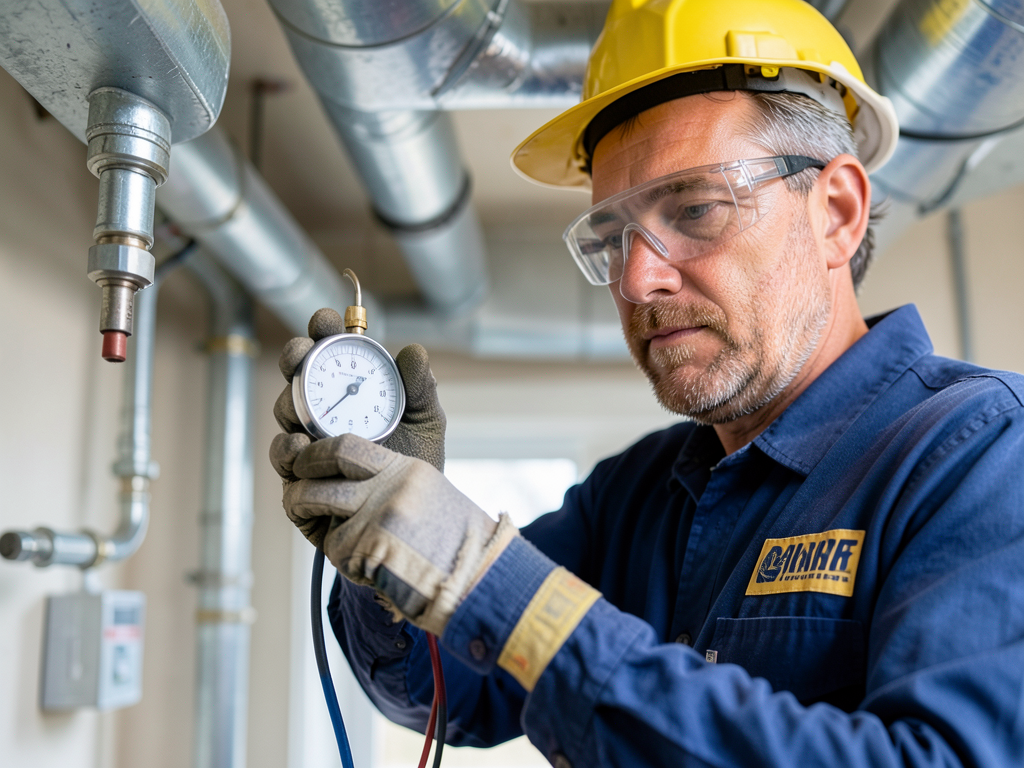
Why Your AC Vents Are Whistling and How to Stop the Noise for Good That…
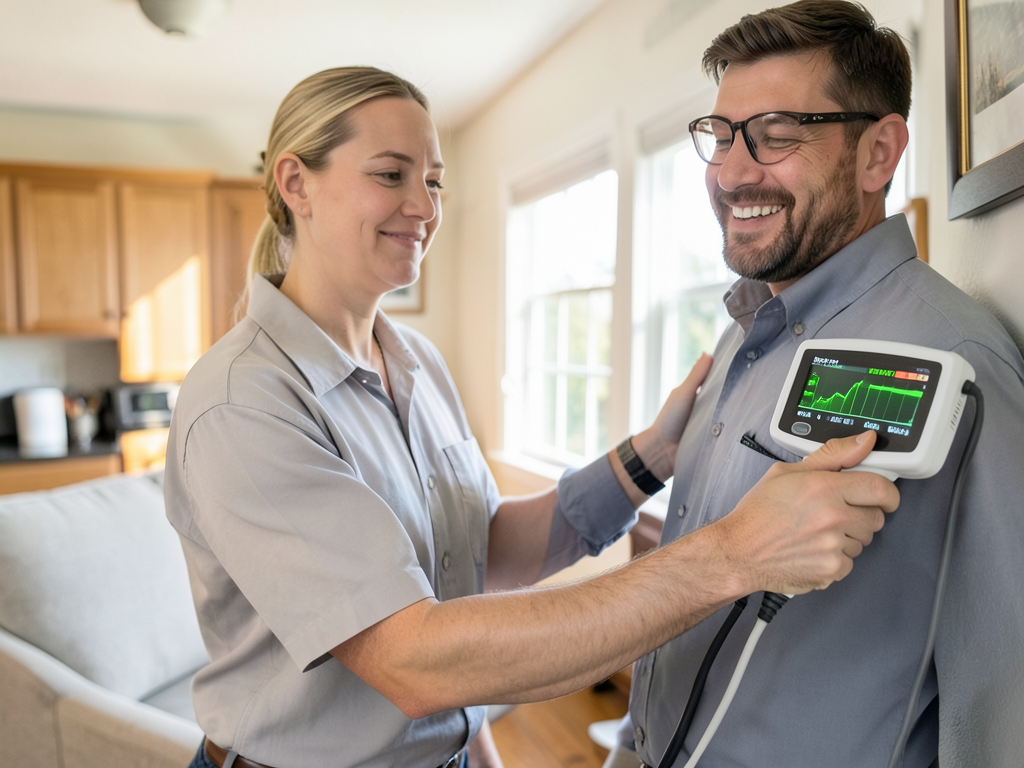
Why 72 Degrees Feels Different in San Antonio Than It Does Anywhere Else When you…

What Jefferson Terrace Homeowners Should Know About Older Ductwork and Modern Air Quality \n\n Jefferson…
Your comfort cannot wait when HVAC systems fail. Call Patriot HVAC San Antonio at (726) 259-0059 right now for rapid response across Converse. We diagnose problems accurately, explain repairs clearly, and get your system working again fast.