
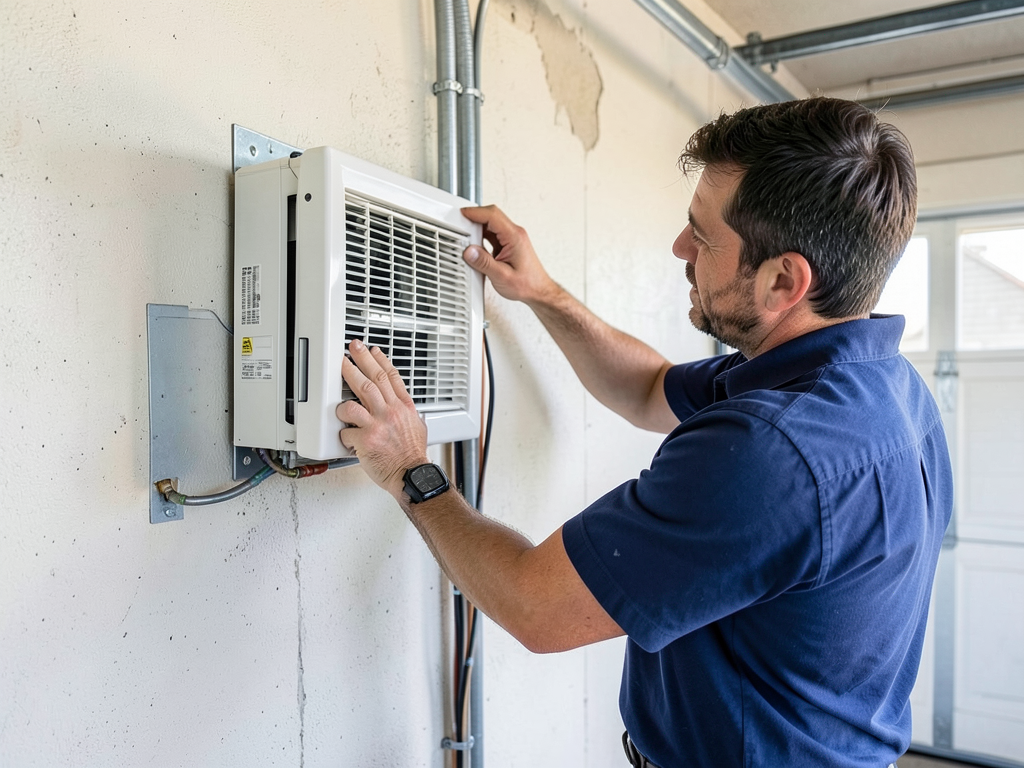
San Antonio summers push garage temperatures past 100 degrees making your Wildhorse conversion or home gym nearly unusable. The problem isn’t just heat it’s the combination of intense Texas sun high humidity and poor insulation that turns your garage into an oven. Without proper cooling your space becomes uncomfortable and can damage electronics equipment or workout gear. You need a solution that handles both the temperature and the moisture or you’ll be stuck with a space you can’t enjoy.
Why Standard HVAC Solutions Often Fail in Texas Garages
Most garages weren’t designed for living space. The concrete slab absorbs heat all day and radiates it back at night. Standard garage doors have minimal insulation and let in radiant heat. Even if you extend your home’s ductwork the system wasn’t sized for the extra load and humidity control suffers. Texas humidity makes it worse because your AC must remove both heat and moisture. Without proper dehumidification you get that sticky feeling even when the temperature reads cool. The result is a space that never feels comfortable.
Building codes in Bexar County require any converted garage to meet habitable space standards. That means proper ventilation insulation and often a dedicated HVAC system. Skipping these steps can lead to failed inspections and costly retrofits later.
Top 3 Cooling Solutions for San Antonio Garage Living Spaces
Ductless Mini-Split Systems (The Gold Standard)
A ductless mini-split gives you precise control over your garage climate. The indoor unit mounts on the wall and connects to an outdoor condenser through a small refrigerant line. No ductwork means no energy loss through leaky ducts. Mini-splits excel in San Antonio because they offer both cooling and dehumidification in one unit. You can set exact temperatures and many models include air purification filters.
Installation takes one to two days depending on electrical requirements. You’ll need a dedicated 220V circuit. The upfront cost ranges from $3,500 to $6,000 installed but operating costs stay low because the system only cools the space you use. Look for units with at least 16 SEER2 rating for energy efficiency.
Extending Existing Ductwork (Pros and Cons)
Extending your home’s ductwork seems like the simplest option but it comes with trade-offs. Your existing system may not have enough capacity to handle the added space. Adding a supply vent without a return creates negative pressure that can pull hot air from the attic or garage into your living areas. City of San Antonio Building Development Services.
If you choose this route a Manual J load calculation is essential. This calculation determines the exact BTU requirements for your space based on insulation windows and local climate. In Wildhorse most garage conversions need 12,000 to 18,000 BTUs of cooling capacity. Without proper sizing you’ll have hot spots and high humidity.
Permitting through the City of San Antonio Building Development Services is required for any ductwork modification. They verify that your system meets the 2021 International Energy Conservation Code standards for new construction.
Heat Pump Systems for Year-Round Comfort
Heat pumps work like air conditioners but can reverse to provide heating in winter. This makes them ideal for garage conversions you use year-round. Modern heat pumps handle San Antonio’s mild winters easily and provide excellent cooling in summer. Uneven Heating or Cooling.
The key advantage is energy efficiency. Heat pumps move heat rather than generate it using up to 50% less electricity than electric resistance heating. For a Wildhorse garage conversion expect to pay $4,000 to $7,000 installed depending on capacity and features.
Heat pumps require proper sizing just like mini-splits. An undersized unit runs constantly and wears out faster. An oversized unit short cycles leading to poor humidity control and temperature swings.
San Antonio Building Codes and Permitting for HVAC Conversions
Any garage conversion in Wildhorse must comply with Bexar County and City of San Antonio regulations. The building department requires permits for HVAC installations electrical work and structural modifications. They verify that your conversion meets habitable space requirements including minimum ceiling heights emergency egress and proper ventilation. Emergency AC Repair in Alamo Heights for When Your Unit Dies at Midnight.
Specific code requirements include:
- Minimum R-13 insulation in exterior walls
- Proper vapor barriers to prevent condensation
- Adequate ventilation to meet indoor air quality standards
- Electrical circuits that meet NEC Article 210 requirements
The permitting process takes two to four weeks. Inspections occur at rough-in stages and final completion. Skipping permits can result in fines and require you to undo work.
Cost Comparison: Installation and Monthly Energy Bills
| Cooling Solution | Upfront Cost Range | Monthly Operating Cost* | SEER2 Rating |
|---|---|---|---|
| Ductless Mini-Split | $3,500 – $6,000 | $35 – $55 | 16 – 22 |
| Ductwork Extension | $2,500 – $4,500 | $45 – $70 | 14 – 18 |
| Heat Pump System | $4,000 – $7,000 | $30 – $50 | 15 – 20 |
*Based on 800 square feet cooled 8 hours per day at CPS Energy’s tiered rates. CPS Energy rebates.
Essential Insulation Tips to Keep the Cool Air In
Even the best cooling system fails without proper insulation. Texas heat gain through garage walls and ceilings can overwhelm your AC. Start with the garage door. Standard steel doors have an R-value of 3 to 5. Insulated garage door kits raise this to R-8 to R-12.
Wall insulation matters too. For Wildhorse’s climate zone (Zone 2) exterior walls need at least R-13 fiberglass or R-19 spray foam. The ceiling requires R-30 to R-38 depending on your roof assembly. Don’t forget the concrete slab. A 1-inch rigid foam board under your flooring stops ground heat from radiating up.
Radiant barriers on the garage ceiling reflect up to 97% of radiant heat. This can reduce cooling loads by 10% to 15% in summer.
CPS Energy Rebates and Local Incentives
CPS Energy offers rebates for high-efficiency HVAC equipment installed in San Antonio homes. For qualifying heat pumps and mini-splits you can receive $200 to $400 back on your purchase. The equipment must meet minimum SEER2 and HSPF requirements.
Additional incentives include:
- Smart thermostat rebates up to $85
- Insulation improvements through the Casa Verde program
- Peak-time rebate programs that pay you to reduce usage during high-demand days
These rebates can offset 10% to 15% of your total project cost. Check CPS Energy’s website for current programs and eligibility requirements.
Maintenance Tips for Long-Term Performance
Your cooling system needs regular maintenance to handle San Antonio’s harsh conditions. Clean or replace air filters every 30 to 60 days. Texas dust and pollen clog filters quickly reducing efficiency. Check the outdoor condenser monthly. Remove leaves grass and debris that block airflow. Commercial Maintenance Agreements.
Schedule professional maintenance twice yearly. A technician will check refrigerant levels clean coils and verify that the system maintains proper superheat and subcooling. These measurements ensure your system operates at peak efficiency.
Watch for warning signs. Weak airflow unusual noises or ice on the coils indicate problems that need immediate attention. Catching issues early prevents costly repairs. Stone Oak AC Repair Services That Can Actually Handle the Texas Heat.
Making the Right Choice for Your Wildhorse Conversion
The best cooling solution depends on your usage patterns budget and space layout. For occasional use a portable AC might suffice but it won’t handle humidity well. For daily use invest in a dedicated system.
Consider these factors:
- How many hours per day will you use the space
- Do you need heating capability for winter use
- What’s your budget for upfront costs versus long-term operating costs
- Do you have space for outdoor equipment
A professional load calculation removes the guesswork. It tells you exactly what size system you need based on your specific space and usage.
Ready to Cool Your Garage Conversion
Don’t let San Antonio heat keep you from enjoying your Wildhorse garage conversion. The right cooling solution transforms an unusable space into your favorite room. Whether you choose a mini-split ductwork extension or heat pump proper sizing and installation make all the difference.
Call (726) 259-0059 today to schedule your inspection. We’ll measure your space calculate your cooling load and show you exactly what it takes to keep your garage comfortable year-round. Stop sweating through your workouts and start enjoying your investment.
Frequently Asked Questions
How long does it take to install a mini-split in a garage?
Most garage mini-split installations take one to two days. The first day involves mounting the indoor unit running refrigerant lines and installing the outdoor condenser. The second day includes electrical connections testing and commissioning. Complex installations with long line sets or difficult access may take longer.
Do I need a permit to add HVAC to my garage conversion?
Yes. Bexar County and the City of San Antonio require permits for any HVAC work in a converted garage. This includes mini-splits ductwork modifications and heat pump installations. The permit process ensures your system meets building codes and passes safety inspections.
Can I use my existing home AC to cool the garage?
Extending your home’s ductwork to the garage is possible but often problematic. Your existing system may not have enough capacity and adding a return vent is crucial for proper airflow. Without proper design you risk uneven cooling high humidity and system strain. A load calculation will tell you if your system can handle the added space.
What size AC do I need for a 400 square foot garage?
A 400 square foot garage in San Antonio typically needs 9,000 to 12,000 BTUs of cooling capacity. This assumes standard 8-foot ceilings average insulation and two to three windows. Factors like high ceilings poor insulation or west-facing windows can increase the requirement. A professional Manual J calculation provides the exact size needed.
How much does it cost to run a garage AC in summer?
Monthly operating costs range from $30 to $70 depending on the system efficiency your usage patterns and CPS Energy’s tiered rates. A high-efficiency mini-split running 8 hours daily typically costs $35 to $55 per month. Poor insulation or an undersized unit can double these costs.