





menu

Heat Pump Repair & Installation in San Antonio – Dual-Fuel Ready Systems Built for Texas Heat and Winter Lows

Patriot HVAC San Antonio delivers heat pump service for South Texas extremes, from emergency heat pump repair during summer peaks to heat pump system installation designed for efficient heating when cold fronts roll through the Hill Country.

Slider Image 1
Slider Image 2
Slider Image 3
Slider Image 4
Slider Image 5
Slider Image 7
Slider Image 8
Slider Image 9
Slider Image 10
Slider Image 11

Why San Antonio Heat Pumps Face Unique Stress

San Antonio sits in a climate zone that demands more from heat pumps than most regions. Summer temperatures regularly exceed 100 degrees from June through September, forcing compressors and reversing valves to work overtime in cooling mode. The Texas Gulf Coast humidity adds latent heat load, making your system cycle more frequently than desert climates.

Then winter arrives. Polar vortex events drop temperatures into the teens, sometimes for days. Heat pumps lose efficiency below 40 degrees, and auxiliary heat strips kick in, spiking your electric bill. The limestone bedrock and caliche soil around San Antonio shifts with moisture changes, stressing concrete pads and refrigerant line sets. Outdoor coils collect oak pollen in spring, choking airflow and forcing high-head pressure conditions.

Emergency heat pump repair calls spike during the first cold snap each year when reversing valves fail from disuse, and again in May when compressors seize from refrigerant undercharge. If your system struggles to maintain setpoint during peak hours, emits grinding noises during mode changes, or runs constantly without reaching temperature, you need heat pump installers who understand the region's dual-season demands.

Heat pump replacement becomes necessary when refrigerant leaks in aluminum coils, when variable-speed compressor boards fail beyond repair, or when older single-stage systems simply cannot keep pace with San Antonio's temperature swings. Heat pump system installation for this climate requires proper load calculations, not guesswork based on square footage.

Why San Antonio Heat Pumps Face Unique Stress
How We Diagnose and Repair Heat Pump Systems

How We Diagnose and Repair Heat Pump Systems

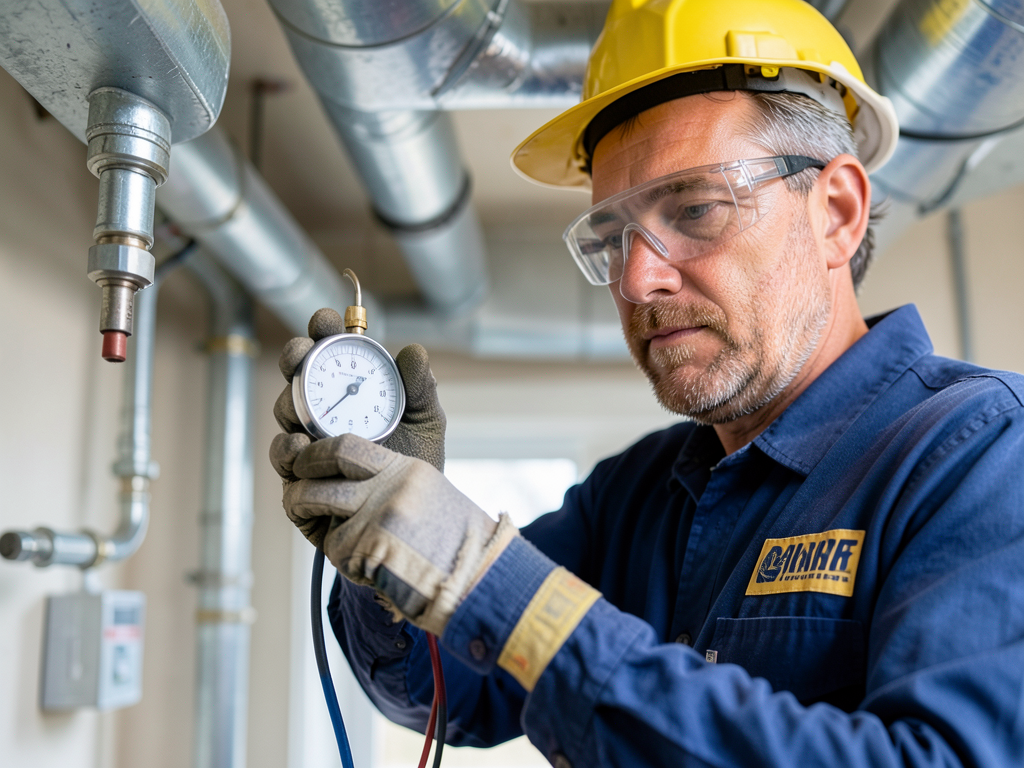
Heat pump service begins with refrigerant charge verification using digital manifold gauges, not sight glass estimates. We measure subcooling and superheat at both the outdoor and indoor coils to detect restrictions, leaks, or compressor valve failures. Reversing valve function gets tested under load in both heating and cooling modes, because valves often stick in one position after months of single-mode operation.

Airflow measurement comes next. We use a TrueFlow grid or static pressure readings to verify your ductwork delivers the required CFM per ton. San Antonio's retrofit installations often reuse undersized ductwork from old furnace systems, choking heat pump performance. We check filter driers for moisture contamination and inspect TXV bulbs for proper refrigerant metering.

Electrical diagnostics include compressor amp draw during startup and run cycles, capacitor microfarad testing under load, and contactor pitting inspection. We verify defrost board operation and outdoor ambient lockout settings, which prevent compressor damage during freeze conditions. Heat strip sequencers get tested for proper staging to avoid nuisance breaker trips.

When emergency heat pump repair involves refrigerant leaks, we perform nitrogen pressure tests and electronic leak detection before evacuating and recharging. We never top off systems without finding and fixing the leak source. Compressor replacements require flushing the line set with refrigerant or nitrogen to remove contamination, then installing new filter driers and pulling a deep vacuum to 500 microns.

Heat pump replacement projects include Manual J load calculations adjusted for San Antonio's 2A climate zone, duct leakage testing, and refrigerant line sizing based on actual run lengths and elevation changes.

What Happens During Your Heat Pump Service Call

Heat Pump Repair & Installation in San Antonio – Dual-Fuel Ready Systems Built for Texas Heat and Winter Lows
01

System Performance Testing

We measure supply and return air temperatures, airflow across the coil, and refrigerant pressures in both heating and cooling modes. This baseline data reveals whether your heat pump operates within manufacturer specifications or suffers from charge issues, airflow restrictions, or mechanical failures. We document amp draw on all electrical components and test reversing valve operation under load to catch intermittent failures.
02

Component-Level Diagnostics

Our heat pump installers inspect every control board, capacitor, contactor, and sensor for wear or failure. We check defrost controls, outdoor thermostats, and heat strip sequencers that commonly fail in South Texas conditions. Refrigerant leaks get pinpointed using electronic detection and nitrogen pressure testing. We evaluate ductwork for leakage and sizing issues that strangle system capacity, then provide options for repair or heat pump system installation upgrades.
03

Repair Completion and Testing

After repairs, we run full heating and cooling cycles to verify temperature splits, proper defrost operation, and correct refrigerant charge across San Antonio's outdoor temperature range. You receive documentation of all measurements, parts replaced, and system performance metrics. We explain what failed, why it failed, and how to prevent future issues through filter changes and seasonal maintenance before summer and winter peak loads hit.

Why San Antonio Residents Choose Patriot HVAC for Heat Pump Work

San Antonio heat pump service requires understanding how Edwards Aquifer humidity levels affect latent cooling loads and why limestone dust clogs outdoor coils faster than sandy soil regions. We size heat pump replacement systems for the city's 2A climate zone requirements, not generic Texas assumptions. Our heat pump installers account for the temperature swings between Alamo Heights, Stone Oak, and the far West Side, where elevation and tree cover create microclimates.

We stock reversing valves, compressor start components, and defrost boards for major brands in our service vehicles, eliminating the multiday waits common with companies that order parts after diagnosis. When polar vortex cold snaps hit and emergency heat pump repair calls flood the market, our established supply relationships keep your system running while others wait for backorders.

Patriot HVAC San Antonio technicians train on variable-speed inverter systems, dual-fuel heat pump configurations, and the latest refrigerant transition from R-410A to R-32 and R-454B. We understand how San Antonio Electric and CPS Energy rebate programs work for high-efficiency heat pump system installation, and we complete the paperwork correctly the first time.

Our diagnostic process catches problems before they cascade into expensive failures. A failing defrost board leads to iced coils, which causes low suction pressure, which starves the compressor of lubrication. We stop that chain at the first symptom. We do not sell you a new heat pump when a $200 reversing valve fixes the problem, and we do not patch leaking coils that will fail again in six months.

You get straightforward answers about repair versus replacement economics, realistic timelines, and no surprise charges for weekend or after-hours emergency heat pump repair.

What to Expect from Your Heat Pump Service

Response Time and Availability

We dispatch emergency heat pump repair calls within two hours for no-cooling situations during San Antonio summers and no-heat calls when temperatures drop below freezing. Standard heat pump service appointments schedule within 24 to 48 hours. Heat pump system installation projects typically begin within one week of contract signing, depending on equipment lead times and permit processing through the city's Development Services Department. We communicate realistic timelines upfront and update you if supply chain issues affect schedules.

Diagnostic Process and Evaluation

Your heat pump service call starts with a complete operational test in both heating and cooling modes, refrigerant charge verification, airflow measurement, and electrical component testing. We photograph failed parts and show you gauge readings that reveal system problems. You receive a written diagnosis explaining what failed, repair options with pricing, and consequences of delaying fixes. For heat pump replacement decisions, we provide load calculations and efficiency comparisons between repair and new system installation so you make informed choices.

Quality of Work and Equipment

Our heat pump installers follow manufacturer installation guidelines for refrigerant line brazing, evacuation procedures, and startup sequences. Heat pump system installation includes proper pad leveling on San Antonio's shifting soils, vibration isolation, and condensate drain routing that prevents freeze damage. We use digital torque wrenches on refrigerant fittings, micron gauges for evacuation verification, and calibrated instruments for charge verification. Repairs use OEM or equivalent-quality parts, never generic capacitors or contactors that fail prematurely in Texas heat.

Ongoing Support and Maintenance

After heat pump repair or installation, you receive operational documentation, maintenance recommendations, and direct contact information for follow-up questions. We offer seasonal maintenance agreements that include spring cooling prep and fall heating system checks, catching problems before they become emergency heat pump repair situations. Maintenance visits include coil cleaning, refrigerant charge verification, electrical component testing, and filter replacement. You get reminder calls before peak cooling and heating seasons to schedule service before breakdowns occur.

Frequently Asked Questions

You Have Questions,
We Have Answers

What is the average cost of a heat pump installation? +

Heat pump installation costs vary based on system size, efficiency rating, and your home's existing ductwork. In San Antonio, factors like our hot summers and mild winters influence system sizing. A complete installation typically includes the outdoor unit, indoor air handler, refrigerant lines, electrical work, and thermostat. Larger homes or properties with older ductwork may require additional modifications. Higher SEER ratings improve efficiency but increase upfront investment. Installation complexity also affects pricing. You should get a detailed in-home assessment to determine the right system size for your square footage and climate needs.

What is the $5000 rule for HVAC? +

The $5000 rule helps you decide between repairing or replacing your HVAC system. You multiply the repair cost by your system's age in years. If the result exceeds $5000, replacement makes better financial sense. For example, a $400 repair on a 10-year-old unit equals $4000, so repair works. A $600 repair on a 12-year-old unit equals $7200, suggesting replacement. In San Antonio's demanding climate, systems often work harder due to extended cooling seasons. This rule provides a practical framework, but efficiency improvements and rising energy costs should also factor into your decision.

What is the average labor cost to install a heat pump? +

Labor costs for heat pump installation depend on job complexity and your home's configuration. Straightforward replacements where ductwork and electrical connections exist typically require less labor. New installations or homes needing duct modifications require more time and expertise. In San Antonio, installers must account for proper refrigerant line sizing to handle our heat loads efficiently. The process includes removing old equipment, mounting the new outdoor unit, installing the air handler, running refrigerant lines, connecting electrical, testing system performance, and verifying proper airflow. Quality installation directly impacts system efficiency and longevity.

What is the most common problem with heat pumps? +

Refrigerant leaks rank as the most common heat pump problem. Low refrigerant reduces heating and cooling capacity, causing the system to run longer without reaching temperature. You might notice ice buildup on the outdoor unit or weak airflow from vents. San Antonio's temperature swings stress refrigerant lines at connection points. Dirty air filters also cause frequent issues by restricting airflow, forcing the system to work harder. Reversing valve failures prevent the unit from switching between heating and cooling modes. Regular maintenance catches these problems early before they damage the compressor or require emergency repairs.

What is the average lifespan of a heat pump? +

Heat pumps typically last 12 to 15 years with proper maintenance. In San Antonio, our extended cooling seasons mean your system runs more months per year than in cooler climates, potentially shortening lifespan. Regular maintenance extends equipment life by keeping components clean and lubricated. Coastal humidity accelerates corrosion on outdoor units if you live near the Gulf Coast regions. Installation quality matters significantly. Properly sized systems with correct refrigerant charge and airflow last longer than poorly installed equipment. Replacing air filters quarterly, cleaning coils annually, and addressing minor repairs promptly help you reach the upper end of this range.

How much does a heat pump cost for a 2000 square foot home? +

A 2000 square foot home in San Antonio typically requires a 3 to 4 ton heat pump system. System costs vary based on efficiency rating, brand, and features like variable speed operation or dual fuel capability. Our climate demands reliable cooling capacity for summer temperatures that regularly exceed 95 degrees. You should factor in ductwork condition, insulation levels, and window quality when sizing equipment. Homes with poor insulation or older windows may need larger capacity. Higher SEER ratings reduce operating costs in our long cooling season. A proper load calculation ensures accurate sizing for your specific home.

Is a new HVAC system tax deductible in 2025? +

The federal Energy Efficient Home Improvement Credit offers tax benefits for qualifying HVAC systems installed in 2025. Heat pumps meeting specific efficiency requirements may qualify for credits up to certain limits. The system must meet ENERGY STAR certification standards for your climate zone. You should keep all receipts, manufacturer certifications, and installation documentation for tax filing. Requirements and credit amounts change yearly, so verify current IRS guidelines before purchasing. State and local utility rebates may also apply in the San Antonio area. Consult a tax professional to understand how these credits apply to your specific situation and maximize available benefits.

What is the 3 minute rule for AC? +

The 3 minute rule prevents short cycling damage to your air conditioning compressor. After your system shuts off, wait at least 3 minutes before restarting it. This delay allows refrigerant pressure to equalize throughout the system. Starting the compressor against high pressure causes mechanical stress and premature failure. The rule applies when you adjust your thermostat repeatedly or during power outages. Most modern thermostats include built-in delay timers to protect the compressor automatically. In San Antonio's heat, homeowners often fiddle with thermostats seeking instant relief. Trust the delay timer. Your compressor will thank you with years of reliable service.

How much does it cost to replace a heat pump compressor? +

Compressor replacement represents one of the most expensive heat pump repairs. The compressor pumps refrigerant through the system, making it essential for operation. Replacement costs vary based on system size, refrigerant type, and compressor warranty status. The job requires recovering refrigerant, replacing the failed compressor, installing new refrigerant dryers, pressure testing, evacuating the system, and recharging with refrigerant. Given the expense, many San Antonio homeowners choose complete system replacement if their heat pump exceeds 10 years old. A cost-benefit analysis comparing repair costs to replacement makes sense for older equipment.

Why don't contractors like heat pumps? +

Some contractors hesitate with heat pumps due to sizing complexity and service callbacks. Heat pumps require precise refrigerant charge and airflow calculations. Improper installation leads to customer complaints about insufficient heating during cold snaps. In San Antonio, this matters less since our winters stay mild. Some technicians trained primarily on traditional air conditioners lack heat pump diagnostic experience. Quality contractors embrace heat pumps because they provide efficient heating and cooling in our climate. Modern heat pump technology has improved reliability significantly. Choose a contractor with specific heat pump installation experience and proper training on refrigerant handling and system balancing.

Why San Antonio's Temperature Swings Demand Proper Heat Pump Sizing

San Antonio experiences 100-degree summer days and occasional sub-freezing winter nights, a 120-degree annual temperature range that stresses improperly sized heat pumps. Oversized systems short-cycle in mild weather, failing to dehumidify during spring and fall when humidity reaches 80 percent. Undersized heat pumps run continuously during July and August peak demand periods, driving electric bills up and shortening compressor life. Heat pump installers must account for the city's solar heat gain, typical insulation levels in older neighborhoods like Terrell Hills and Olmos Park, and duct leakage common in crawlspace installations.

San Antonio's Development Services Department enforces energy code requirements for heat pump system installation that affect equipment selection and duct sealing standards. Our heat pump service team stays current on permit requirements, inspection checklists, and CPS Energy rebate qualification criteria. We understand how local building practices, from pier and beam foundations to attic ductwork in ranch-style homes, affect system performance. This local expertise prevents the callbacks and failed inspections that occur when out-of-area contractors misunderstand San Antonio construction methods and climate demands.

HVAC Services in The San Antonio Area

Patriot proudly serves San Antonio and surrounding communities with fast, reliable HVAC services. Use the map below to locate our service area and see if we’re available in your neighborhood. Whether you need a quick repair or full installation, we’re just a call away. Our mobile team is equipped and ready to meet you where you are. Count on Patriot for dependable service with a local touch.

Address:
Patriot HVAC San Antonio, 1100 Northwest Loop, San Antonio, TX, 91335

Additional Services We Offer

Our news updates

Latest Articles & News from The Blogs

Why Your AC Vents Are Whistling and How to Stop the Noise for Good That high-pitched whistle coming from your…

Why Your AC Vents Are Whistling and How to Stop the Noise for Good

Why Your AC Vents Are Whistling and How to Stop the Noise for Good That high-pitched whistle coming from your…

Why 72 Degrees Feels Different in San Antonio Than It Does Anywhere Else

Why 72 Degrees Feels Different in San Antonio Than It Does Anywhere Else When you set your thermostat to 72…

What Jefferson Terrace Homeowners Should Know About Older Ductwork and Modern Air Quality

What Jefferson Terrace Homeowners Should Know About Older Ductwork and Modern Air Quality \n\n Jefferson Terrace homes built in the…

Contact Us

Your heat pump should maintain comfort in both San Antonio summers and winter cold snaps. Call Patriot HVAC San Antonio at (726) 259-0059 for accurate diagnosis, honest repair recommendations, and heat pump installation that handles Texas temperature extremes.