






menu

AC Repair Services in San Antonio – Expert Diagnosis and Permanent Fixes for All AC Systems

When your air conditioner fails in San Antonio's extreme heat, you need technicians who can accurately diagnose compressor issues, refrigerant leaks, and electrical failures the first time, restoring comfort without repeat visits or upselling unnecessary equipment.

Slider Image 1
Slider Image 2
Slider Image 3
Slider Image 4
Slider Image 5
Slider Image 7
Slider Image 8
Slider Image 9
Slider Image 10
Slider Image 11

Why San Antonio's Climate Destroys Air Conditioners Faster Than Most Cities

San Antonio air conditioners run longer and harder than units in most American cities. When outdoor temperatures hit 100 degrees for weeks at a time, your system cycles almost continuously from May through October. This extended runtime accelerates wear on compressor bearings, capacitor failure, and refrigerant line corrosion.

The city's high humidity compounds the problem. When humid air passes over evaporator coils, condensation accumulates faster, creating conditions for mold growth in drain pans and algae blockages in condensate lines. You notice reduced airflow, musty odors, and water leaking from your air handler.

San Antonio's caliche soil and shifting clay foundation also stress AC installations. When foundations settle unevenly, refrigerant lines can torque at connection points, creating micro-leaks that slowly drain your system's charge. You hear hissing sounds near the outdoor unit or notice ice forming on copper lines.

Central air repair in this climate requires understanding how dust from construction and pollen from Hill Country vegetation clog outdoor coil fins. When airflow drops across the condenser, head pressure rises, forcing your compressor to work against resistance. This cuts cooling capacity and spikes your electric bill.

Most air conditioning repair calls in San Antonio trace back to capacitor failure, contactor pitting, or low refrigerant from leak points at service valves. These failures happen predictably in extreme heat cycles. You need HVAC repair technicians who recognize failure patterns specific to South Texas installations and can source parts quickly during peak cooling season.

Why San Antonio's Climate Destroys Air Conditioners Faster Than Most Cities
How Professional AC Service Restores Cooling Capacity Without Equipment Replacement

How Professional AC Service Restores Cooling Capacity Without Equipment Replacement

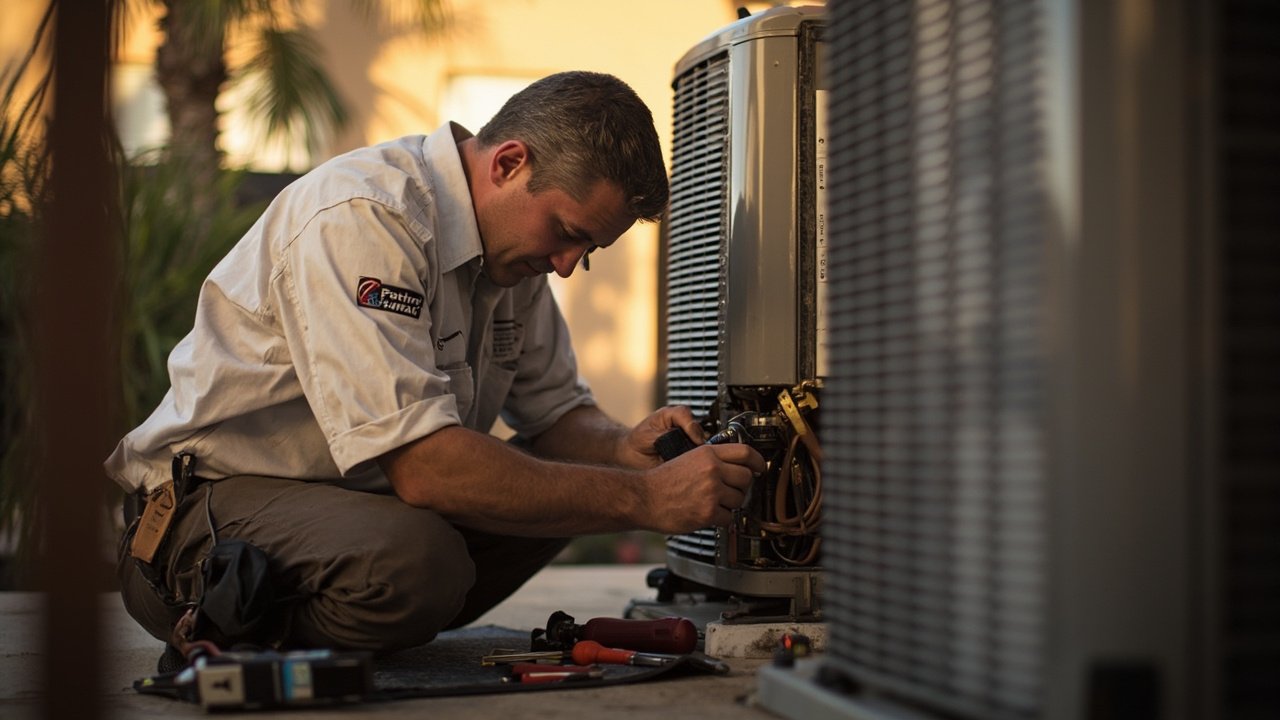
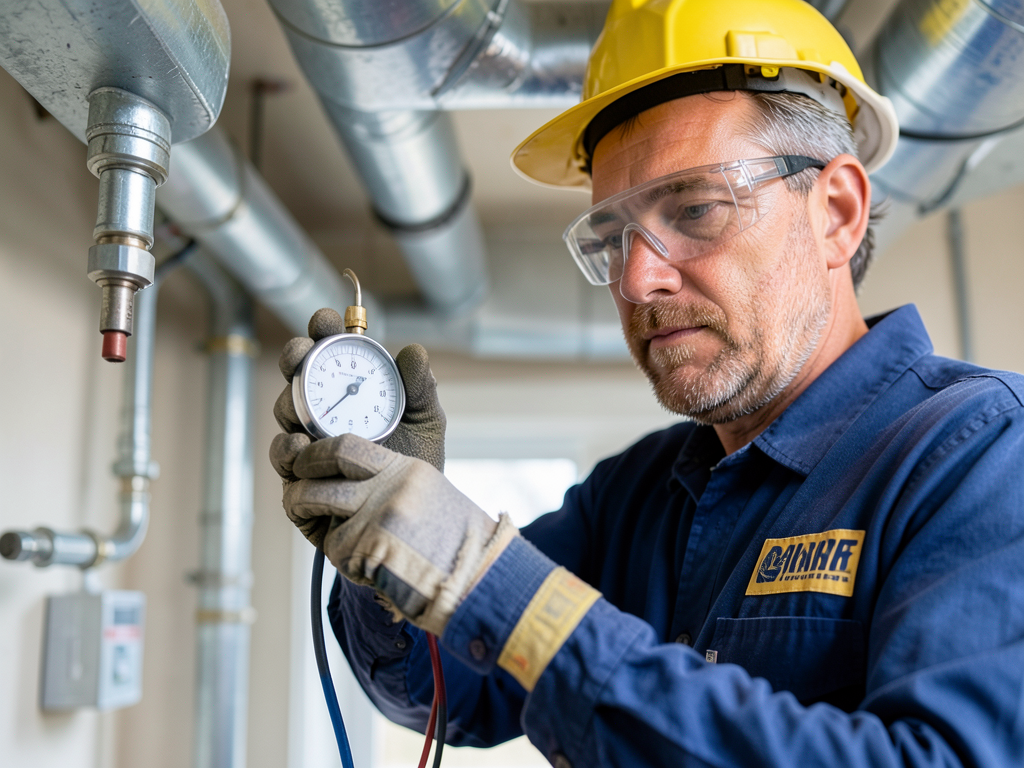
Most air conditioner repair situations do not require new equipment. When your system stops cooling, the failure typically involves a single component in the refrigeration circuit or electrical control system. Patriot HVAC San Antonio technicians use manifold gauge sets to measure suction and discharge pressures, comparing readings against manufacturer specifications for your specific model and refrigerant type.

We test capacitors under load with digital meters, measuring microfarad values against the rating stamped on the component. When capacitors drift below 80 percent of rated capacity, your compressor struggles to start, causing lights to dim and circuit breakers to trip. We replace failed capacitors with exact-match components rated for high ambient temperatures.

For refrigerant leaks, we use electronic leak detectors and nitrogen pressure testing to locate failure points at flare connections, service valves, and brazed joints. Small leaks at Schrader valve cores can be repaired without recovering refrigerant. Larger leaks at evaporator coils or condenser coil joints require brazing repairs and complete system evacuation before recharging.

We clean condenser coils with specialized coil cleaners that remove oxidation and biological growth without damaging aluminum fins. After cleaning, we measure temperature split across the coil to verify heat rejection efficiency. Poor heat rejection forces high head pressure, reducing system capacity and shortening compressor life.

Blower motor failures require matching replacement motors to original torque and CFM specifications. Undersized motors reduce airflow across the evaporator coil, causing freeze-ups. Oversized motors create negative pressure that pulls unconditioned air through duct leaks. We verify static pressure after motor replacement to confirm proper system balance.

What Happens During Your AC Repair Appointment

AC Repair Services in San Antonio – Expert Diagnosis and Permanent Fixes for All AC Systems
01

System Performance Testing

We measure supply and return air temperatures, calculate temperature split, and record amperage draw on compressor and blower motor circuits. We test thermostat operation and verify it accurately controls staging and fan speeds. We inspect electrical connections at the disconnect box and contactor for signs of arcing or overheating. This diagnostic phase identifies whether your problem stems from mechanical failure, electrical issues, or low refrigerant charge before we begin repairs.
02

Component Repair or Replacement

After diagnosis, we explain what failed and why, showing you the defective component when possible. We replace failed parts with OEM or equivalent components rated for your system's specifications. For refrigerant leaks, we repair the leak point, evacuate the system to remove moisture and air, then recharge to the exact factory specification using calibrated scales. We never add refrigerant without first repairing the leak and verifying system integrity with pressure testing.
03

Performance Verification and Testing

After repairs, we run your system through complete cooling cycles, measuring temperatures at supply registers and verifying airflow at the air handler. We confirm amp draw falls within normal operating range and check that pressure readings stabilize at manufacturer specifications. We test safety controls including high-pressure cutouts and low-pressure switches. Before leaving, we show you the temperature drop across your system and explain what to monitor going forward to catch future problems early.

Why San Antonio Property Owners Choose Local HVAC Technicians Who Know This Climate

San Antonio's cooling season runs eight months each year. Your air conditioner represents critical infrastructure, not a convenience. When it fails during August heat waves, you face health risks and potential property damage from humidity. You need technicians who stock parts locally and respond quickly.

Patriot HVAC San Antonio operates from within the greater San Antonio metro. We maintain inventory of capacitors, contactors, and thermostatic expansion valves for major brands. We do not order parts from distant warehouses while you wait days in a hot house. We source components from local HVAC suppliers and complete most repairs the same day.

Our technicians train continuously on refrigerant handling and EPA Section 608 certification requirements. We understand how San Antonio's electrical grid experiences voltage fluctuations during peak demand, causing nuisance trips on older AC disconnect boxes. We recognize when low voltage from undersized transformers causes compressor short cycling rather than actual equipment failure.

We also understand local building practices. Many San Antonio homes built in the 1980s and 1990s have undersized return air pathways or ductwork installed in unconditioned attics where summer temperatures exceed 140 degrees. These installation defects reduce system efficiency and accelerate component wear. When we identify these issues during repairs, we explain how duct modifications or additional return air grilles improve performance.

Local knowledge matters during peak season. When your air conditioner fails on a 103-degree Saturday, you want technicians who know San Antonio's neighborhoods, understand typical system configurations in your area, and carry the parts needed to restore cooling quickly. You want accountability from a company operating within your community, not a national franchise routing calls to subcontractors.

What You Can Expect From Professional Air Conditioning Repair

Response Time and Scheduling Flexibility

We answer calls directly, not through offshore call centers. When you contact us for AC service, you speak with someone who understands HVAC systems and can assess urgency accurately. For emergency repairs during extreme heat, we prioritize households with elderly residents, infants, or medical conditions requiring climate control. For non-emergency repairs, we schedule appointments in two-hour windows and call 30 minutes before arrival. Our technicians carry most common repair parts on trucks, reducing delays waiting for special orders. During peak cooling season from June through September, we extend hours and add weekend availability because air conditioner failures do not follow business schedules.

Thorough Diagnostic Process

We do not guess or replace parts randomly. Our diagnostic process starts with measuring system performance using calibrated instruments. We record superheat and subcooling values, which reveal whether your system has proper refrigerant charge. We measure voltage and amperage at major components to identify electrical problems. We inspect ductwork accessible from the attic for disconnections or crushing. We check drain lines for clogs that cause water backup. This systematic approach identifies root causes rather than symptoms. You receive a written explanation of what failed, why it failed, and what repair involves before we begin work. We show you the failed component and explain what caused the failure so you understand what you're paying for.

Quality Repairs That Last

We complete repairs correctly the first time using proper techniques and quality parts. When we braze refrigerant line repairs, we flow nitrogen through lines to prevent oxidation that creates restrictions. When we replace compressors, we install filter driers and flush line sets to remove contaminants that destroy new components. We torque electrical connections to manufacturer specifications and apply anti-oxidant compound to prevent future corrosion. After completing repairs, we test your system under actual load conditions, not just quick bench tests. We verify your system achieves proper temperature split between return and supply air, typically 18 to 22 degrees for systems in good condition. We confirm refrigerant pressures stabilize within normal range and amp draw falls within nameplate specifications.

Maintenance Guidance and Prevention

After repairs, we explain what you can do to extend equipment life and prevent future breakdowns. We show you how to change filters monthly during cooling season, especially if you have pets or live near construction. We explain why keeping outdoor units clear of grass clippings and weeds improves efficiency. We point out early warning signs of common problems like capacitor hum, contactor chatter, or reduced airflow that indicate developing issues. For customers who want ongoing protection, we offer maintenance plans that include spring and fall tune-ups with priority scheduling during breakdowns. These plans include cleaning coils, testing safety controls, measuring refrigerant charge, and replacing worn contactors before they fail during heat waves.

Frequently Asked Questions

You Have Questions,
We Have Answers

What is the $5000 AC rule? +

The $5000 AC rule is a guideline to help you decide between repair or replacement. Multiply your AC unit's age by the repair cost. If the result exceeds $5000, replace the unit. For example, a 12-year-old system needing a $450 repair equals $5400, suggesting replacement makes more financial sense. In San Antonio's extreme heat, older systems work harder and fail more often. High humidity and constant runtime accelerate wear on compressors and coils. This rule helps you avoid throwing money at a dying system when a new, energy-efficient unit would save you more long-term.

What is the average cost to have your AC serviced? +

A basic AC tune-up in San Antonio typically costs between $75 and $200 depending on the scope of service. This includes filter changes, refrigerant checks, coil cleaning, and electrical inspections. However, if your system needs repairs like capacitor replacement, refrigerant recharge, or blower motor work, costs rise quickly. San Antonio's brutal summer heat puts serious strain on AC systems, so regular servicing twice yearly prevents expensive breakdowns. Spring and fall maintenance catches small issues before they become emergency failures during peak cooling season when you need your system most.

Can I write off my new AC unit on my taxes? +

You cannot write off a new AC unit as a personal expense on your taxes for a primary residence. However, if you install a qualifying high-efficiency system, you may be eligible for federal energy tax credits or rebates. For San Antonio homeowners, these credits can offset some installation costs. If the AC unit is for a rental property or commercial building, you can deduct it as a business expense or depreciate it over time. Consult a tax professional to understand what applies to your specific situation and local incentives available in Texas.

What is the 3 minute rule for AC? +

The 3-minute rule protects your AC compressor from damage. After your system shuts off, wait at least three minutes before restarting it. This allows refrigerant pressure to equalize between the high and low sides of the system. Restarting too quickly forces the compressor to start under high pressure, which can cause electrical failure or mechanical damage. In San Antonio's heat, homeowners often panic and flip breakers or thermostats repeatedly when systems stop cooling. That impatience destroys compressors. Always wait three full minutes. This simple rule extends compressor life significantly.

What is the average lifespan of an AC unit? +

The average AC unit lasts 12 to 15 years in most climates, but in San Antonio, expect closer to 10 to 12 years. The relentless Texas heat and high humidity force systems to run longer and harder than units in milder regions. Units that run constantly accumulate more wear on compressors, fan motors, and contactors. Regular maintenance extends lifespan, but climate is the biggest factor. If your system is approaching 10 years old and needs frequent repairs, start planning for replacement. Older systems also lose efficiency, driving up your electric bills even when still functional.

Can I service my AC myself? +

You can perform basic AC maintenance yourself, like changing filters monthly and clearing debris from the outdoor condenser unit. However, most AC work requires specialized tools, refrigerant certifications, and technical knowledge. DIY repairs on refrigerant lines, electrical components, or compressors are dangerous and illegal without proper licensing in Texas. San Antonio's extreme heat means your AC works harder than systems in cooler climates, making professional inspections critical. A trained technician catches issues you will miss, like refrigerant leaks, failing capacitors, or dirty evaporator coils. Save DIY for filters and let professionals handle the rest.

What are common AC problems? +

Common AC problems in San Antonio include refrigerant leaks, frozen evaporator coils, failed capacitors, clogged condensate drains, and dirty air filters. The extreme heat causes compressors to overwork and fail prematurely. High humidity clogs drains with algae, leading to water damage and system shutdowns. Dirty filters restrict airflow, freezing coils and reducing efficiency. Electrical issues like faulty contactors or capacitors prevent the system from starting. Many problems stem from deferred maintenance. San Antonio homeowners who skip tune-ups face breakdowns during peak summer when repair demand skyrockets and wait times stretch for days.

How San Antonio's Extended Cooling Season and Hard Water Accelerate AC Failures

San Antonio air conditioners operate under more severe conditions than systems in most American cities. With average high temperatures exceeding 90 degrees from May through October, your AC system runs nearly twice as many hours per year compared to moderate climates. This extended runtime accelerates capacitor degradation, contactor wear, and compressor bearing failure. The city's Edwards Aquifer water also contains high mineral content that causes scale buildup in evaporator drain pans, restricting condensate drainage and causing water damage to ceilings. AC repair services in San Antonio must address these specific failure patterns rather than applying generic diagnostic procedures designed for different climates.

San Antonio residents also deal with unique installation challenges from local construction practices. Many homes in Alamo Ranch, Stone Oak, and other rapidly developing areas have flexible ductwork installed in unconditioned attics where summer temperatures reach 150 degrees. These extreme attic conditions degrade duct insulation and create massive cooling losses before air reaches living spaces. Local HVAC technicians understand these installation defects and can identify when poor duct design contributes to system failures. We also navigate local permitting requirements when repairs involve electrical upgrades or refrigerant line modifications, ensuring your central air repair meets city codes and passes inspection on first submission.

HVAC Services in The San Antonio Area

Patriot proudly serves San Antonio and surrounding communities with fast, reliable HVAC services. Use the map below to locate our service area and see if we’re available in your neighborhood. Whether you need a quick repair or full installation, we’re just a call away. Our mobile team is equipped and ready to meet you where you are. Count on Patriot for dependable service with a local touch.

Address:
Patriot HVAC San Antonio, 1100 Northwest Loop, San Antonio, TX, 91335

Additional Services We Offer

Our news updates

Latest Articles & News from The Blogs

Why Your AC Vents Are Whistling and How to Stop the Noise for Good That high-pitched whistle coming from your…

Why Your AC Vents Are Whistling and How to Stop the Noise for Good

Why Your AC Vents Are Whistling and How to Stop the Noise for Good That high-pitched whistle coming from your…

Why 72 Degrees Feels Different in San Antonio Than It Does Anywhere Else

Why 72 Degrees Feels Different in San Antonio Than It Does Anywhere Else When you set your thermostat to 72…

What Jefferson Terrace Homeowners Should Know About Older Ductwork and Modern Air Quality

What Jefferson Terrace Homeowners Should Know About Older Ductwork and Modern Air Quality \n\n Jefferson Terrace homes built in the…

Contact Us

Your family should not suffer through another night without air conditioning. Call Patriot HVAC San Antonio at (726) 259-0059 now for fast AC repair services. We answer calls directly, diagnose problems accurately, and restore cooling quickly with repairs done right the first time.