





menu

Furnace Pilot Light Issues in San Antonio – Expert Diagnosis and Permanent Fixes for Gas Furnace Malfunctions

When your furnace pilot light won't stay lit or keeps going out, you need immediate answers. We diagnose the root cause of gas furnace pilot light problems and deliver permanent repairs that restore safe, reliable heat to your San Antonio home.

Slider Image 1
Slider Image 2
Slider Image 3
Slider Image 4
Slider Image 5
Slider Image 7
Slider Image 8
Slider Image 9
Slider Image 10
Slider Image 11

Why Your Pilot Light Keeps Going Out in San Antonio Homes

You walk to the furnace for the third time this week. The pilot light is out again. You relight it, but it dies within hours. This is not normal wear and tear.

San Antonio's unique climate creates specific challenges for gas furnaces. Our mild winters mean your furnace sits idle for months, allowing dust and debris to accumulate in the pilot assembly. When you finally fire up the system in December or January, that buildup restricts gas flow or clogs the thermocouple. The result is a pilot light that won't stay lit.

Temperature swings between our warm days and cool nights cause metal components to expand and contract. Over time, this movement loosens thermocouples or misaligns pilot orifices. A gas furnace pilot light malfunction often starts as an intermittent problem but escalates fast.

Newer homes in developments like Stone Oak or Alamo Ranch often have high-efficiency furnaces with electronic ignition systems. These systems replace traditional pilot lights but use similar flame sensors. When sensors corrode or drift out of position, you face the same symptom: no heat.

Older homes near Southtown or Monte Vista may still run standing pilot systems installed decades ago. These furnaces accumulate years of carbon deposits on thermocouples, reducing their ability to sense flame presence. The furnace pilot light keeps going out because the safety system thinks the flame is absent, even when it burns.

If your furnace pilot light is not working, the issue is rarely the pilot itself. The problem lies in one of three areas: gas supply, thermocouple function, or flame sensor alignment. Ignoring furnace pilot light problems leads to complete system failure, often on the coldest night of the year.

Why Your Pilot Light Keeps Going Out in San Antonio Homes
How We Solve Pilot Light Problems Permanently

How We Solve Pilot Light Problems Permanently

We do not just relight your pilot and leave. That approach wastes your time and ours. We diagnose why the pilot light won't stay lit in the first place.

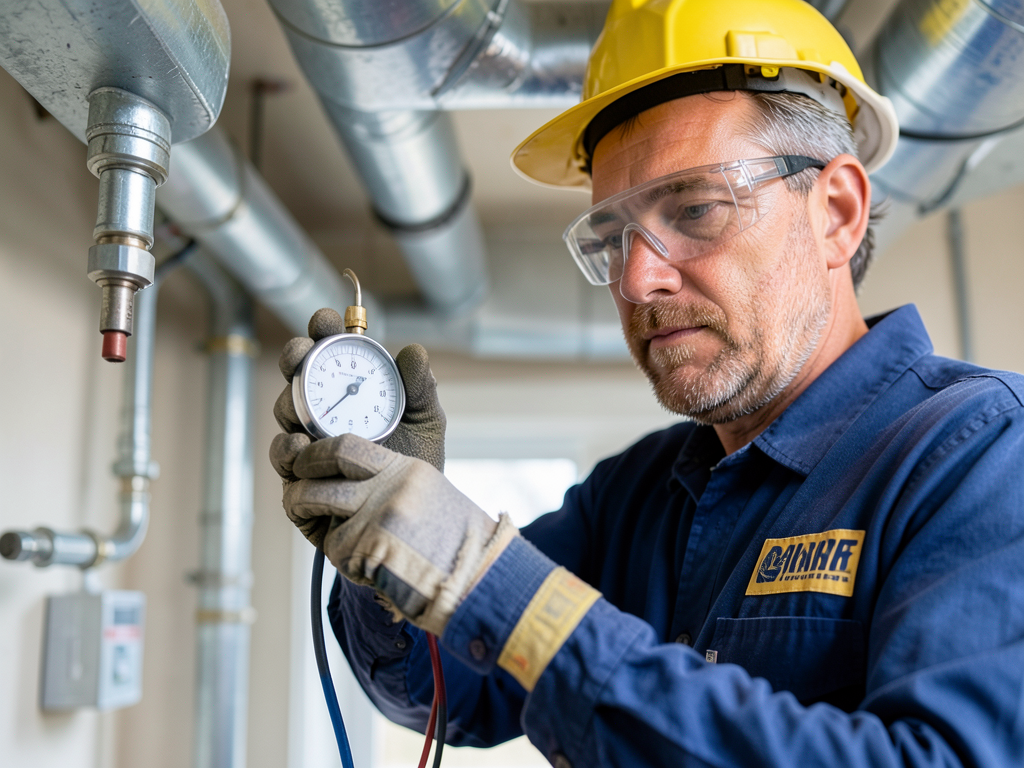
Our technicians start by measuring gas pressure at the furnace inlet. Low pressure indicates a supply issue upstream, often caused by a failing regulator or partially closed valve. We verify millivolt output from the thermocouple using a multimeter. A reading below 20 millivolts means the thermocouple cannot hold the gas valve open, even with a flame present.

Next, we inspect the pilot orifice for blockages. A single grain of dust can restrict gas flow enough to produce a weak, unstable flame. We remove the orifice, clean it with compressed air, and reinstall it at the correct depth. Improper depth causes flame impingement on the thermocouple, leading to premature failure.

We check the thermocouple position relative to the pilot flame. The tip must sit in the hottest part of the flame, typically the upper third. If the bracket has shifted or the thermocouple has loosened, we reposition and secure it. For electronic ignition systems, we test flame sensor rod continuity and measure microamp current flow. Readings below 2 microamps trigger lockout, even with a healthy flame.

Patriot HVAC San Antonio also examines the burner assembly for carbon buildup. Incomplete combustion creates soot that coats thermocouples and flame sensors, insulating them from heat. We remove and clean the entire pilot assembly, ensuring all components function within manufacturer specifications.

If parts are worn beyond service limits, we replace them with OEM components matched to your furnace model. Aftermarket thermocouples often fail within months because they use inferior materials. We install only parts designed for your specific unit.

What Happens During a Pilot Light Diagnostic

Furnace Pilot Light Issues in San Antonio – Expert Diagnosis and Permanent Fixes for Gas Furnace Malfunctions
01

System Safety Check

We arrive at your home and immediately verify the furnace is safe to operate. This includes testing for gas leaks around the pilot assembly and main burner using electronic detection equipment. We measure carbon monoxide levels in the exhaust stream and near the furnace cabinet. If readings exceed safe thresholds, we shut down the system and address the leak before proceeding. This step protects your household from combustion hazards while we work.
02

Component Testing and Measurement

With the system confirmed safe, we test every component in the pilot circuit. This includes measuring thermocouple voltage, gas pressure, and flame sensor microamp current. We remove and inspect the pilot orifice, checking for blockages or wear. We verify the thermocouple sits in the correct position within the flame envelope. For electronic ignition systems, we test the igniter for proper resistance and the flame sensor for continuity. These measurements reveal the exact cause of your pilot light malfunction.
03

Repair and Verification

Once we identify the failed component, we perform the repair or replacement. We clean corroded connections, adjust misaligned parts, or install new thermocouples and flame sensors as needed. After repair, we light the pilot and monitor it for at least 15 minutes to confirm stable operation. We cycle the furnace through multiple heating calls to verify the pilot remains lit under normal operating conditions. You receive a written report of all findings and repairs completed.

Why San Antonio Homeowners Trust Us for Furnace Repairs

You need a technician who understands how San Antonio's climate and housing stock affect furnace performance. We have diagnosed pilot light problems in everything from 1920s bungalows in Lavaca to brand-new builds in Cibolo. Each home presents unique challenges.

Older homes often have undersized gas lines or corroded piping that restricts flow to the furnace. We know which neighborhoods have original iron pipes prone to internal scaling. Newer homes may have high-efficiency condensing furnaces that require different diagnostic approaches than atmospheric units. We carry parts for both.

San Antonio's brief heating season means your furnace sits idle most of the year. This extended downtime allows components to corrode faster than in colder climates. We account for this when recommending maintenance intervals and replacement parts. A thermocouple that lasts five years in Chicago may fail in three years here because of humidity exposure during the off-season.

We also understand local HVAC installation practices. Many San Antonio homes have furnaces installed in attics or exterior closets. These locations expose equipment to extreme temperature swings and higher humidity levels. We check for moisture intrusion and ventilation issues that contribute to pilot light failures.

Patriot HVAC San Antonio maintains relationships with local supply houses, giving us access to OEM parts the same day. You do not wait three days for a thermocouple. We stock common failure items on our trucks and source rare components within hours.

Our technicians receive ongoing training on the specific furnace brands and models popular in San Antonio. We see patterns in failure modes for units common to our market. This experience lets us diagnose problems faster and more accurately than generic service providers.

When we say we know San Antonio HVAC, we mean it. We live here, work here, and fix furnaces here every day.

What You Can Expect When You Call Us

Same-Day Service Availability

We understand a failed pilot light means no heat. That is unacceptable, even in San Antonio's mild winters. We offer same-day service for pilot light issues when you call before noon. Our dispatch system routes the closest available technician to your location, minimizing your wait time. Evening and weekend appointments are available because furnaces do not fail on a schedule. When you call, you speak directly with our scheduling team, not an automated system. We give you a two-hour arrival window and text you 30 minutes before the technician arrives.

Transparent Diagnostic Process

We explain what we find and why your pilot light is malfunctioning. Our technicians walk you through test results and show you failed components. You see the corroded thermocouple or clogged pilot orifice firsthand. We provide repair options with clear explanations of what each option achieves. If your furnace needs multiple repairs, we prioritize them by urgency and safety impact. You decide what gets fixed today and what can wait. We never upsell services you do not need. Our goal is a working pilot light, not an inflated invoice.

Reliable, Long-Term Repairs

When we repair your pilot light, the fix lasts. We use OEM parts matched to your furnace model and manufacturer specifications. Our technicians torque connections to spec, position thermocouples correctly, and verify all safety circuits before leaving. We test the system under real heating loads, not just idle conditions. You receive a detailed service report documenting all work performed, parts installed, and test measurements. If a repaired component fails within the first year, we return and make it right. Our work is backed by our reputation in San Antonio, built on thousands of successful repairs.

Preventive Maintenance Guidance

After fixing your pilot light, we provide guidance on preventing future failures. This includes recommended inspection intervals, filter change schedules, and signs of developing problems. Many pilot light issues are preventable with annual maintenance, especially in San Antonio's dusty climate. We offer maintenance plans that include pre-season inspections before heating season starts. During these visits, we clean pilot assemblies, test thermocouples, and verify gas pressures before problems develop. Maintenance customers receive priority scheduling and discounted repair rates. We call you when your annual service is due, so you never forget.

Frequently Asked Questions

You Have Questions,
We Have Answers

What are the common causes of pilot light issues? +

Pilot light problems stem from several issues. A faulty thermocouple fails to sense the flame and shuts off gas flow as a safety measure. Dirty pilot tubes get clogged with dust and debris, restricting gas flow. Drafts from poor vent installation or cracks in the heat exchanger blow out the flame. A weak gas supply or pressure issue prevents proper ignition. In San Antonio homes, especially older systems in neighborhoods like Alamo Heights, accumulated dust from our dry climate accelerates buildup. The thermocouple is the most frequent culprit, wearing out after years of constant heating and cooling cycles.

What are the symptoms of a bad igniter on a furnace? +

A failing igniter shows clear warning signs. You hear the furnace cycle on, but no ignition occurs. The igniter may glow dimly or crack when you inspect it visually. Some igniters glow bright orange but fail to light the gas, indicating weak electrical current. You smell gas briefly as the valve opens but no combustion happens. The furnace locks out after multiple failed ignition attempts. Newer San Antonio homes with electronic ignition systems see this more often than older pilot light models. Igniters wear from thermal stress, and repeated failures mean replacement is necessary before you lose heat entirely.

What causes a pilot light on a furnace to keep going out? +

A pilot light that keeps dying points to specific failures. The thermocouple has weakened and cannot hold the gas valve open consistently. Drafts from nearby windows, attic access points, or improperly sealed combustion chambers extinguish the flame. A clogged pilot orifice creates a weak, unstable flame that cannot stay lit. Gas pressure fluctuations, though rare in San Antonio, can cause intermittent outages. Dirt and spider webs, common in our Texas climate, block airflow around the pilot assembly. The flame sensor itself may have shifted out of position, no longer detecting the pilot flame properly. Professional diagnosis identifies the root cause quickly.

Why do I have to keep relighting my pilot light? +

Constantly relighting your pilot signals a failing thermocouple or flame sensor. These components degrade over time and lose their ability to detect heat properly. The gas valve shuts off because the safety system thinks the pilot is out. A corroded thermocouple connection creates intermittent electrical contact, causing random shutoffs. Excessive dust buildup on the sensor tip prevents it from reading temperature accurately. In older San Antonio furnaces, original thermocouples may have lasted 10 to 15 years but now need replacement. A dirty pilot assembly compounds the problem. Stop the cycle by calling a technician to test and replace worn components before you waste more time.

How do you clean a clogged pilot tube? +

Cleaning a pilot tube requires careful steps. Turn off the gas supply and let the furnace cool completely. Remove the pilot assembly by unscrewing the mounting bracket. Use a thin wire or specialized pilot tube cleaning needle to push through the orifice, dislodging debris. Compressed air blown from the opposite direction clears loosened particles. Avoid enlarging the opening, which changes gas flow. For San Antonio homeowners, dust and insect nests cause frequent clogs. Clean the surrounding area and thermocouple while you have the assembly apart. Reassemble carefully, restore gas, and relight following manufacturer instructions. If uncertain, hire a professional to avoid gas leaks.

What are the signs of a bad thermocouple? +

A bad thermocouple exhibits specific symptoms. The pilot lights easily but goes out within seconds after you release the control knob. You must hold the knob down longer than 30 seconds with no improvement. The thermocouple tip looks corroded, bent, or covered in white oxidation. Testing with a multimeter shows millivolt readings below 20mV when heated. The threaded connection at the gas valve appears loose or corroded. In San Antonio's humidity, especially during summer months, thermocouples corrode faster on older furnaces. The pilot flame itself may appear weak and yellow instead of strong and blue, indicating the thermocouple cannot generate sufficient voltage.

Can I fix a furnace ignition problem myself? +

Simple relighting is safe if you follow instructions carefully. Turn the gas knob to off and wait five minutes for residual gas to clear. Set the knob to pilot, press and hold, then ignite with a long lighter. Hold for 30 seconds before releasing. If the pilot stays lit, turn to on. However, diagnosing why the pilot went out requires technical knowledge. Thermocouple replacement, gas valve testing, and pressure checks need proper tools and training. San Antonio homeowners should attempt relighting once. If the pilot fails again, stop and call a licensed technician. Gas leaks and carbon monoxide risks make DIY repairs beyond basic relighting dangerous and potentially illegal.

What is the life expectancy of a furnace igniter? +

Furnace igniters last between three and seven years depending on usage and quality. Silicon nitride igniters outlast silicon carbide models. Frequent furnace cycling shortens igniter life. In San Antonio, our mild winters mean less stress compared to northern climates, potentially extending lifespan. Once an igniter cracks or weakens, it fails completely within weeks. You cannot predict exact failure, but age and visible cracks signal replacement time. Preventive replacement during annual maintenance prevents mid-winter breakdowns. Quality igniters cost more upfront but deliver better longevity. If your furnace is over five years old and has never had the igniter replaced, expect failure soon.

Can you manually light a gas furnace with electronic ignition? +

You cannot manually light an electronic ignition furnace. These systems lack a standing pilot light and use hot surface igniters or spark ignition controlled electronically. No pilot access port exists for manual lighting. The furnace requires electrical power to activate the ignition sequence. If your electronic ignition system fails, you must address the electrical or igniter failure first. Some San Antonio homes built after 2000 have these systems exclusively. Never attempt to bypass electronic ignition controls or force gas flow manually. The safety lockouts exist to prevent gas buildup and explosions. Call a technician to diagnose control board, igniter, or flame sensor problems correctly.

How do you fix a pilot light that won't stay lit? +

Fixing a pilot that will not stay lit starts with diagnosis. Replace the thermocouple if the pilot dies immediately after releasing the control knob. Clean the pilot orifice if the flame appears weak or yellow. Check for drafts and seal any combustion chamber gaps. Adjust the pilot flame height using the adjustment screw on the gas valve. Verify gas pressure at the meter if multiple appliances show issues. In San Antonio homes with older furnaces in areas like Monte Vista, original components often need replacement together. A technician tests millivolt output, inspects the flame sensor, and checks gas valve operation. Correct diagnosis prevents repeat service calls and restores reliable ignition.

How San Antonio's Mild Winters Contribute to Pilot Light Failures

San Antonio's brief heating season creates a unique challenge for furnaces. Your system may sit idle from March through November, accumulating dust in the pilot assembly and allowing thermocouples to corrode. When you finally need heat in December, the pilot light won't stay lit because months of buildup restrict gas flow or insulate the thermocouple from the flame. This pattern repeats annually in San Antonio homes, creating predictable failure cycles that require proactive maintenance rather than reactive repairs. Our humid climate during the off-season accelerates corrosion on metal components, shortening their service life compared to drier regions.

Local building codes and common installation practices in San Antonio also affect pilot light reliability. Many homes have furnaces installed in attics or exterior closets, exposing equipment to temperature extremes and moisture. These locations stress components year-round, not just during heating season. Understanding these local factors separates competent HVAC service from generic troubleshooting. Patriot HVAC San Antonio has diagnosed pilot light problems in thousands of local homes, across every neighborhood and housing style. We know which furnace brands hold up best in our climate and which components fail first in San Antonio conditions.
HVAC Services in The San Antonio Area

Patriot proudly serves San Antonio and surrounding communities with fast, reliable HVAC services. Use the map below to locate our service area and see if we’re available in your neighborhood. Whether you need a quick repair or full installation, we’re just a call away. Our mobile team is equipped and ready to meet you where you are. Count on Patriot for dependable service with a local touch.

Address:
Patriot HVAC San Antonio, 1100 Northwest Loop, San Antonio, TX, 91335

Additional Services We Offer

Our news updates

Latest Articles & News from The Blogs

Why Your AC Vents Are Whistling and How to Stop the Noise for Good That high-pitched whistle coming from your…

Why Your AC Vents Are Whistling and How to Stop the Noise for Good

Why Your AC Vents Are Whistling and How to Stop the Noise for Good That high-pitched whistle coming from your…

Why 72 Degrees Feels Different in San Antonio Than It Does Anywhere Else

Why 72 Degrees Feels Different in San Antonio Than It Does Anywhere Else When you set your thermostat to 72…

What Jefferson Terrace Homeowners Should Know About Older Ductwork and Modern Air Quality

What Jefferson Terrace Homeowners Should Know About Older Ductwork and Modern Air Quality \n\n Jefferson Terrace homes built in the…

Contact Us

Do not spend another night relighting your pilot. Call Patriot HVAC San Antonio now at (726) 259-0059 for same-day furnace repair. We diagnose the root cause and fix it right the first time.