





menu

Iced Up Evaporator Coil in San Antonio – Expert Diagnosis and Fast Repairs

When your air conditioner coil freezes up, you need immediate diagnostic expertise to identify the root cause and restore cooling fast. Patriot HVAC San Antonio specializes in resolving frozen cooling coils with precision repairs that prevent repeat failures.

Slider Image 1
Slider Image 2
Slider Image 3
Slider Image 4
Slider Image 5
Slider Image 7
Slider Image 8
Slider Image 9
Slider Image 10
Slider Image 11

Why Your Evaporator Coil Keeps Freezing in San Antonio

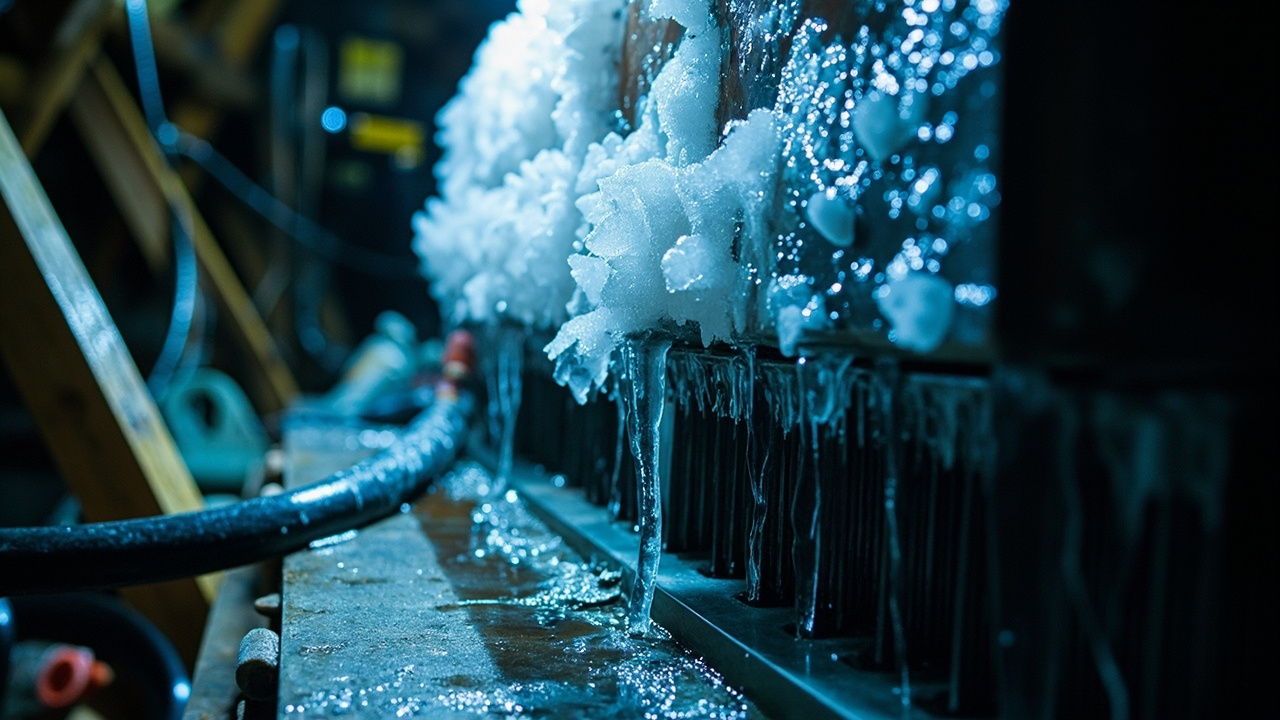
You walk into your home expecting cool relief, but instead you find warm air blowing from the vents and a thick layer of ice coating your evaporator coil. This is not a minor issue. When your ac evaporator ices over, your entire cooling system shuts down.

San Antonio's extreme summer heat creates unique stress on air conditioning systems. When outdoor temperatures climb past 100 degrees for weeks on end, your AC runs longer cycles than systems in milder climates. This extended runtime exposes underlying problems that cause frozen ac evaporator coils. Low refrigerant levels, dirty air filters restricting airflow, or failing blower motors all trigger ice formation.

The high humidity in San Antonio compounds the problem. When your system cannot move enough air across the evaporator coil, moisture in the air freezes on contact with the cold metal. The ice layer grows thicker, further blocking airflow and creating a cycle that can damage your compressor if left unchecked.

Many homeowners assume a frozen coil means they need more refrigerant. That is only one possible cause. Restricted airflow from clogged filters, closed vents, or collapsed ductwork also drops coil temperatures below freezing. A failing expansion valve or dirty evaporator fins create the same result. Without proper diagnosis, you waste money treating symptoms instead of fixing the real problem.

When you see ice on your evaporator coil, turn off your system immediately. Continuing to run the air conditioner with frozen cooling coils can crack the coil casing, flood your drain pan, or burn out the compressor. You need professional diagnosis to identify why the air conditioner coil is freezing up and prevent permanent equipment damage.

Why Your Evaporator Coil Keeps Freezing in San Antonio
How We Diagnose and Fix Frozen Evaporator Coils

How We Diagnose and Fix Frozen Evaporator Coils

We do not guess at frozen coil problems. Our diagnostic process identifies the exact failure point causing your ac evaporator to ice over.

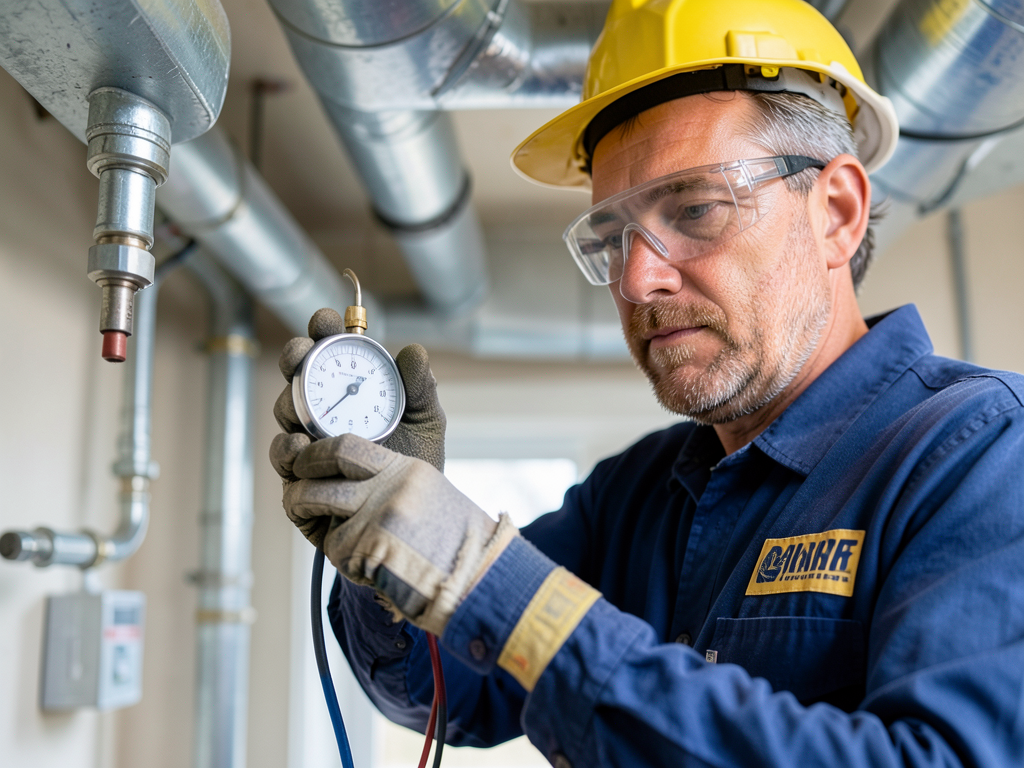
First, we measure static pressure across your system using a manometer. This tells us if restricted airflow is dropping coil temperatures below the dew point. We check supply and return ducts for crimps, disconnections, or undersized runs that choke airflow. Many San Antonio homes have flex duct that collapses over time, especially in attics where summer heat degrades the duct liner.

Next, we test refrigerant charge with digital manifold gauges. We measure both suction and discharge pressures, then compare them to manufacturer specifications for the outdoor temperature. Low refrigerant indicates a leak somewhere in the system. We use electronic leak detectors and UV dye to pinpoint the exact location, whether it is a leaking service valve, cracked line set, or corroded evaporator coil.

We inspect the blower motor and capacitor. A weak blower cannot move enough air across the coil, even if ducts and filters are clean. We measure amp draw and compare it to the motor nameplate. A failing capacitor reduces blower speed without triggering obvious symptoms until the coil freezes.

We examine the evaporator coil itself for dirt buildup, biological growth, or fin damage. Even a thin layer of dust acts as insulation, preventing heat transfer and causing ice formation. We check the metering device for blockages or mechanical failure that disrupts refrigerant flow.

After identifying the root cause, we fix it correctly. If you have a refrigerant leak, we repair the leak and recharge to proper levels. If airflow is restricted, we clean coils, replace filters, and repair ductwork. If components have failed, we install quality replacements that match your system specifications.

What Happens During Your Frozen Coil Service Call

Iced Up Evaporator Coil in San Antonio – Expert Diagnosis and Fast Repairs
01

System Shutdown and Thaw

We first power down your air conditioning system to allow the frozen evaporator coil to thaw completely. This prevents water damage and lets us inspect the coil surface for cracks or corrosion. We monitor the drain pan and condensate line to ensure meltwater drains properly. Rushing this step leads to incomplete diagnosis and missed problems that cause the coil to freeze again within days.
02

Comprehensive System Testing

Once the coil thaws, we perform airflow measurements, refrigerant pressure testing, and electrical component checks. We use thermal imaging to identify temperature inconsistencies across the coil surface. We test the blower motor capacitor, measure duct static pressure, and inspect the metering device. This diagnostic phase pinpoints whether your air conditioner coil is freezing up due to mechanical failure, airflow restriction, or refrigerant issues.
03

Targeted Repair and Verification

After identifying the cause, we complete the necessary repairs and verify proper system operation. We monitor coil temperature, refrigerant pressures, and airflow during a complete cooling cycle. We check that the evaporator maintains proper temperature differential without ice formation. Before leaving, we document baseline readings so you can track system performance over time and catch future problems before they cause another frozen coil.

Why San Antonio Homeowners Trust Patriot HVAC for Coil Problems

Frozen evaporator coil problems require more than a service call. You need a technician who understands how San Antonio's climate and housing stock affect HVAC performance.

Many San Antonio homes were built during construction booms in the 1980s and 1990s. These homes often have undersized ductwork that was adequate for the smaller AC units installed originally. When homeowners upgrade to higher capacity systems without upgrading ducts, airflow restrictions cause evaporator coils to freeze. We evaluate your entire system design, not just the frozen component.

San Antonio's location in the Texas Hill Country means many homes sit on limestone bedrock with shallow crawl spaces or slab foundations. This limits options for ductwork modifications. We know how to work within these constraints to improve airflow without major renovations. We have experience retrofitting return air pathways and adding transfer grilles to balance pressure across your system.

The city's expansive growth means neighborhoods span from older areas near downtown to new developments in suburbs. Older homes near Alamo Heights often have outdated systems with R-22 refrigerant. Newer homes in Stone Oak might have improperly installed systems from rushed construction. We have diagnosed frozen coil problems across every neighborhood and building era in San Antonio.

We also understand local code requirements. San Antonio follows the International Mechanical Code with local amendments. When repairs involve refrigerant handling or electrical work, we follow proper permitting procedures and inspection protocols. This protects you from liability and ensures repairs meet standards that prevent future failures.

When your ac evaporator ices over, you need diagnosis that considers your specific home, not generic troubleshooting. We have repaired frozen cooling coils in ranch homes, two-story builds, and commercial properties across San Antonio. That experience means faster diagnosis and repairs that actually solve the problem.

What to Expect When You Call About a Frozen Coil

Same-Day Service Availability

When your evaporator coil freezes, you cannot wait days for service. We prioritize frozen coil calls because continued operation damages expensive components. Most customers receive same-day or next-day appointments. We arrive with diagnostic equipment and common repair parts so we can complete many repairs during the initial visit. Our technicians carry refrigerant, capacitors, contactors, and filters to handle the most frequent causes of frozen ac evaporator coils. If your system needs specialty parts, we source them quickly from local suppliers to minimize downtime.

Thorough Diagnostic Assessment

We spend time diagnosing the actual cause of your frozen coil, not just thawing the ice and leaving. Our technicians use digital manifold gauges, manometers, amp meters, and thermal cameras to measure system performance. We document refrigerant pressures, temperature splits, airflow measurements, and electrical readings. You receive a written diagnostic report explaining what caused the air conditioner coil to freeze and what repairs are needed. We explain the technical findings in plain language so you understand exactly what failed and why. This transparency helps you make informed decisions about repairs.

Long-Term Performance Restoration

Our goal is preventing your coil from freezing again next month. We fix root causes, not symptoms. If restricted airflow caused the freeze, we identify where and why airflow is blocked. If low refrigerant is the culprit, we find and repair the leak before recharging. We verify repairs by monitoring system operation through complete cooling cycles. Your evaporator coil should maintain steady temperature and produce consistent cooling without ice formation. We check that superheat and subcooling readings match manufacturer specifications, confirming proper refrigerant charge and airflow balance.

Preventive Maintenance Recommendations

After repairing your frozen coil, we provide specific maintenance recommendations to prevent recurrence. This might include more frequent filter changes if you have pets, periodic coil cleaning if you live near construction sites, or duct sealing if we found air leaks. We explain which maintenance tasks you can handle yourself and which require professional service. Many frozen coil problems develop gradually from deferred maintenance. Regular evaporator coil cleaning, filter replacement, and refrigerant checks catch small problems before they cause system failures. We can set up scheduled maintenance visits or provide guidance for DIY upkeep.

Frequently Asked Questions

You Have Questions,
We Have Answers

What causes ice on an evaporator coil? +

Ice forms on your evaporator coil when airflow drops or refrigerant pressure falls below normal levels. In San Antonio homes, clogged air filters are the most common culprit, restricting airflow across the coil. When warm air cannot reach the coil surface, condensation freezes instead of draining away. Other causes include dirty coils trapping dust, closed supply vents reducing return air, and refrigerant leaks that lower system pressure. Our humid climate makes this problem worse because moisture accumulates faster. You need adequate airflow and correct refrigerant charge to prevent freezing.

What is the best way to thaw out an iced up evaporator coil? +

Turn off your system at the thermostat and switch the fan to ON mode. This circulates air without running the compressor, speeding up the thaw process. Let the coil defrost completely for two to four hours. Place towels under your indoor unit to catch meltwater. Never chip away ice or use heat guns, which can damage delicate aluminum fins. Once thawed, replace your air filter before restarting the system. If ice returns within 24 hours, you have an underlying issue that needs professional diagnosis, like low refrigerant or a failing blower motor.

Will low refrigerant cause an evaporator to ice up? +

Yes. Low refrigerant directly causes evaporator coil icing. When refrigerant levels drop due to leaks, the remaining refrigerant expands more than designed, dropping coil temperature below freezing. This creates ice buildup that blocks airflow and worsens the problem. Refrigerant does not get used up, so low levels always mean a leak exists somewhere in your system. In San Antonio, most leaks develop at connection points or in the outdoor coil due to corrosion from humidity. You need a technician to locate the leak, repair it, and recharge the system to manufacturer specifications.

What is the likely cause for heavy icing in the evaporator coil? +

Heavy ice accumulation points to severely restricted airflow or significant refrigerant loss. A completely clogged air filter, closed supply registers throughout your home, or a failed blower motor can starve the coil of warm air. On the refrigerant side, large leaks or an overcharge during previous service work cause extreme temperature drops. San Antonio dust and pollen can coat coils quickly, reducing heat transfer and triggering ice buildup. If ice covers the entire coil and copper lines, you face a serious airflow blockage or major refrigerant issue requiring immediate professional attention.

Can I turn my AC back on after it thaws? +

Wait. Check your air filter first and replace it if dirty. Inspect supply vents throughout your home and open any that were closed. Turn the system back on and monitor it for one hour. If ice reappears, shut down immediately and call a technician. Running a system that refreezes damages the compressor and can flood your home with meltwater. The underlying cause must be fixed before normal operation resumes. In San Antonio humidity, a system that repeatedly ices up cannot cool properly and will drive up your electric bill while risking equipment failure.

What are the six common causes of evaporator freezing? +

The six common causes are dirty air filters blocking airflow, low refrigerant from leaks, clogged evaporator coils covered in dust, failed blower motors reducing air circulation, closed or blocked supply vents restricting return air, and dirty condensate drain lines causing water backup. San Antonio homes face additional risk from high pollen counts and construction dust that accelerate filter and coil contamination. Refrigerant leaks develop faster here due to humidity-driven corrosion. Each cause drops coil temperature below the freezing point, turning normal condensation into ice. Proper maintenance prevents most of these issues.

What is the 3 minute rule for AC? +

The three-minute rule prevents compressor damage after shutdown. When you turn off your AC, refrigerant pressure remains high on one side of the system and low on the other. The compressor needs three to five minutes for pressures to equalize before restarting. Starting too soon forces the compressor to work against this pressure difference, which can damage internal components or trip the breaker. Most modern thermostats have this delay built in. If you manually cycle your system on and off while troubleshooting an iced coil, wait at least three minutes between cycles.

Can you run AC with frozen coils? +

No. Shut down immediately if you see ice. Running your AC with frozen coils damages the compressor, floods your drain pan, and wastes electricity while failing to cool your home. Ice blocks airflow completely, forcing the compressor to run continuously without removing heat. This overworks the compressor and can cause it to overheat and fail. In San Antonio heat, a failed compressor means an expensive replacement and days without cooling. Turn off the system, let it thaw completely, identify the cause, and fix the problem before restarting. Continued operation guarantees bigger repair bills.

Can you clean an evaporator coil without removing it? +

Yes, but access is limited. You can clean the visible front face of the coil using a soft brush and coil cleaner spray available at hardware stores. Turn off power first. Spray cleaner on the coil fins, let it sit for ten minutes, then rinse gently with water if accessible. This removes surface dust and pollen common in San Antonio. However, deep cleaning requires removing the access panel or the entire coil assembly to reach between fins where grime hides. Professional cleaning uses specialized tools and pressure washers that reach areas you cannot access safely.

What is the $5000 AC rule? +

The $5000 rule is a replacement guideline, not a real regulation. Multiply the repair cost by your system age in years. If the result exceeds $5000, replacement makes more financial sense than repair. For example, a $500 repair on a 12-year-old system equals $6000, suggesting replacement. This rule accounts for diminishing returns on old equipment. In San Antonio, older systems run longer hours due to heat, wearing out faster. A 15-year-old system needing a $400 compressor repair hits $6000 on this formula, signaling you should consider replacement instead of throwing money at aging equipment.

How San Antonio's Extended Cooling Season Accelerates Coil Problems

San Antonio's cooling season runs from April through October, with many days requiring air conditioning even in March and November. This extended runtime means your evaporator coil operates under load for more than twice as many hours as systems in moderate climates. Small problems that might take years to cause failures in other cities produce frozen coils within months here. A slightly dirty air filter that would be fine in cooler climates restricts enough airflow in San Antonio's heat to cause ice formation. The constant demand also means refrigerant leaks deplete your system charge faster, causing frozen cooling coils before you notice reduced cooling capacity.

Working with HVAC contractors who understand San Antonio's specific demands makes the difference between quick fixes that fail and lasting repairs. We see how heat stress, extended runtime, and aging housing stock combine to create frozen coil problems. Our technicians have diagnosed these issues across every neighborhood from Government Hill to Helotes. We know which system designs hold up under local conditions and which components fail first in San Antonio's climate. That local knowledge means accurate diagnosis and repairs that account for the unique stresses your system faces.

HVAC Services in The San Antonio Area

Patriot proudly serves San Antonio and surrounding communities with fast, reliable HVAC services. Use the map below to locate our service area and see if we’re available in your neighborhood. Whether you need a quick repair or full installation, we’re just a call away. Our mobile team is equipped and ready to meet you where you are. Count on Patriot for dependable service with a local touch.

Address:
Patriot HVAC San Antonio, 1100 Northwest Loop, San Antonio, TX, 91335

Additional Services We Offer

Our news updates

Latest Articles & News from The Blogs

Why Your AC Vents Are Whistling and How to Stop the Noise for Good That high-pitched whistle coming from your…

Why Your AC Vents Are Whistling and How to Stop the Noise for Good

Why Your AC Vents Are Whistling and How to Stop the Noise for Good That high-pitched whistle coming from your…

Why 72 Degrees Feels Different in San Antonio Than It Does Anywhere Else

Why 72 Degrees Feels Different in San Antonio Than It Does Anywhere Else When you set your thermostat to 72…

What Jefferson Terrace Homeowners Should Know About Older Ductwork and Modern Air Quality

What Jefferson Terrace Homeowners Should Know About Older Ductwork and Modern Air Quality \n\n Jefferson Terrace homes built in the…

Contact Us

Ice on your evaporator coil means your system is failing right now. Every hour of operation risks permanent compressor damage. Call Patriot HVAC San Antonio at (726) 259-0059 for same-day diagnosis and expert repair.