






menu

Noisy AC or Heater in San Antonio – Expert Diagnosis That Stops the Racket Fast

Our technicians identify the exact source of furnace noise, loud air conditioner compressors, and failing blower motors in one visit, so you stop guessing and start sleeping through the night again.

Slider Image 1
Slider Image 2
Slider Image 3
Slider Image 4
Slider Image 5
Slider Image 7
Slider Image 8
Slider Image 9
Slider Image 10
Slider Image 11

Why Your HVAC System Sounds Like a Freight Train in San Antonio

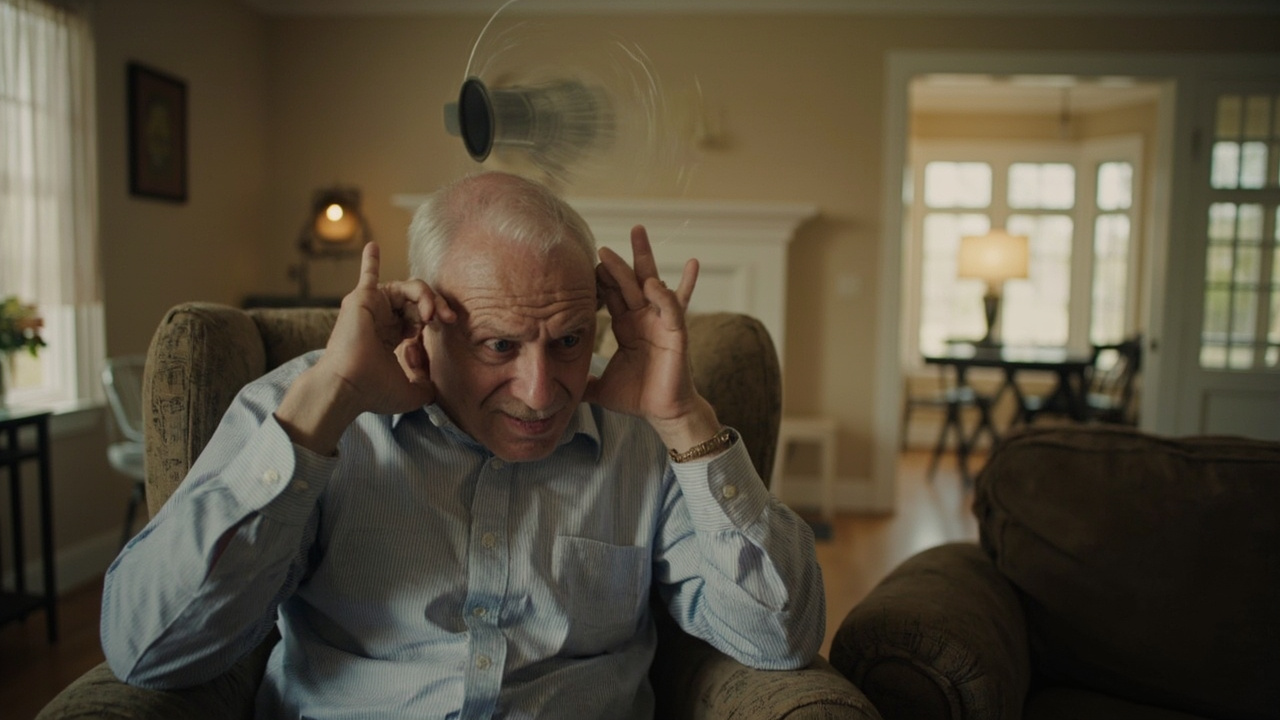
You know the sound. The banging that wakes you at 3 AM when the furnace kicks on. The grinding from the air conditioner that rattles your windows on a 98-degree July afternoon. The whistling through the vents that drowns out the TV.

San Antonio's extreme temperature swings push HVAC systems harder than most climates. We run cooling units for eight months straight, then flip to heat when winter cold fronts drop temps into the 30s overnight. That constant cycling causes wear on blower motors, compressor mounts, and fan blades. The limestone dust and cedar pollen that coat our outdoor condenser units accelerate bearing failure. The humidity that hovers around 75 percent in summer months corrodes electrical contacts and causes capacitor failure, which leads to hard starts and loud compressor noise.

A loud air conditioner in San Antonio is not normal wear. It signals mechanical breakdown. A furnace making noise during startup points to flame rollout, cracked heat exchangers, or loose burner assemblies. A noisy HVAC system means failed vibration isolators, bent fan blades, or refrigerant undercharge. A loud heater with a screeching sound indicates blower motor bearing failure.

These are not wait-and-see problems. A noisy system is a failing system. The longer you ignore the air conditioner making noise, the more damage compounds. Patriot HVAC San Antonio has diagnosed thousands of these failures across Alamo Heights, Stone Oak, and the Medical Center. We know what breaks first in this climate, and we know how to fix it before the system quits completely.

Why Your HVAC System Sounds Like a Freight Train in San Antonio
How We Pinpoint the Source of HVAC Noise in One Diagnostic Visit

How We Pinpoint the Source of HVAC Noise in One Diagnostic Visit

Most companies show up, listen for 30 seconds, and throw parts at the problem. We use precision diagnostic tools to measure what you cannot hear.

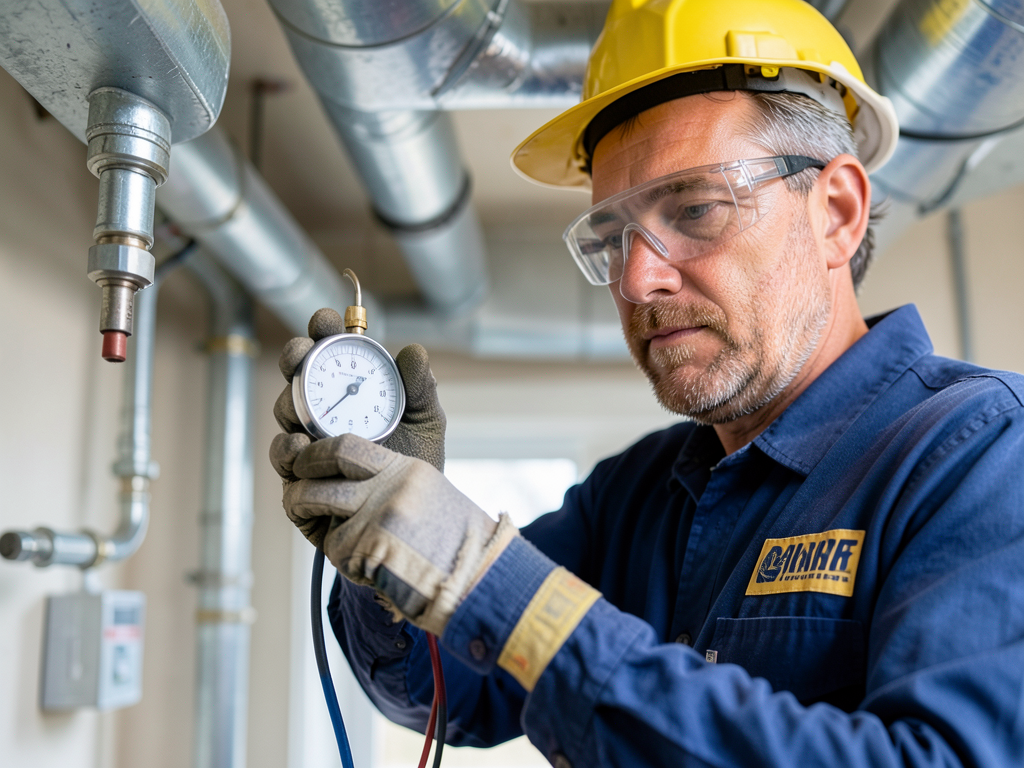
We start with a decibel meter to quantify noise levels at the air handler, condenser, and supply registers. This tells us if the problem originates in the blower assembly, compressor, or ductwork. We use vibration analysis to detect failing bearings before they seize. We inspect compressor mounting grommets for dry rot and measure refrigerant subcooling to rule out undercharge, which causes liquid slugging and compressor hammer.

For furnaces making noise, we pull the burner assembly and inspect the heat exchanger with a borescope. Cracks cause flame impingement and rumbling. We check inducer motor bearings, which fail from dust ingestion and cause high-pitched whining. We test gas valve modulation to ensure smooth ignition instead of hard bangs.

For air conditioner making noise issues, we measure compressor amperage draw under load. High amps indicate internal valve failure or bearing damage. We inspect condenser fan blades for warping and check blade pitch. We pull the contactor and measure voltage drop to detect pitted contacts that cause chattering.

We do not skip ductwork. Undersized return ducts cause velocity noise. Loose trunk lines vibrate. Missing dampers create whistling. We measure static pressure at the plenum and compare it to manufacturer specs.

You get a written diagnostic report that explains what failed, why it failed, and what happens if you delay the repair. No guessing. No upselling. Just the mechanical truth about your noisy hvac system.

What Happens During a Noise Diagnostic Appointment

Noisy AC or Heater in San Antonio – Expert Diagnosis That Stops the Racket Fast
01

System Sound Assessment

We run your system through a full heating and cooling cycle while documenting noise type, frequency, and duration. We isolate sounds to specific components using stethoscopes and decibel meters. We record baseline noise levels at the air handler, condenser, and each supply register. This creates a diagnostic map that shows us where mechanical failure is occurring and how severe the damage has become.
02

Component Inspection and Testing

We disassemble blower assemblies to check motor bearings, fan balance, and mounting hardware. We test compressor windings for short circuits and measure starting capacitor microfarads. We inspect heat exchangers for cracks and inducer motors for bearing play. We check ductwork for loose connections and measure airflow velocity to detect restriction. Every component that could produce noise gets hands-on inspection, not just a visual glance.
03

Repair Recommendation and Execution

You receive a written diagnostic report with photos of failed components and a breakdown of repair options. We explain what needs immediate attention and what can wait. If you approve the repair, we complete most noise-related fixes the same day using parts stocked on our trucks. We retest the system after repair to verify noise elimination and document post-repair sound levels. You get quiet operation and proof the problem is solved.

Why San Antonio Homeowners Trust Patriot HVAC for Noise Diagnosis

Most HVAC companies in San Antonio do not carry diagnostic tools beyond a multimeter and a flashlight. They listen, guess, and replace the cheapest part first. You pay for the service call, the part, and the labor. Then the noise comes back three days later because they missed the real problem.

Patriot HVAC San Antonio invests in precision diagnostic equipment because guessing costs you money. Our technicians carry vibration analyzers, borescopes, refrigerant analyzers, and airflow hoods. We measure what matters. We document what we find. We explain the failure in plain language so you understand why your loud heater is banging or why your air conditioner sounds like a lawnmower.

We have diagnosed noise issues in every neighborhood from Terrell Hills to Helotes. We know the common failure points in Carrier, Trane, Lennox, and Rheem systems. We know that homes built in the 1980s near Loop 410 have undersized ductwork that creates velocity noise. We know that split systems installed after 2010 in Stone Oak developments use scroll compressors that fail from dust ingestion. We know that furnaces in older homes near Brackenridge Park develop heat exchanger cracks from decades of thermal cycling.

We do not sell you a new system when a blower motor replacement fixes the problem. We do not recommend duct sealing when the noise comes from a failing compressor. We tell you what is broken, what it costs to fix, and what happens if you wait. That honesty has built our reputation across Bexar County.

You also get same-day service for most noise diagnostics. We stock blower motors, capacitors, contactor relays, and compressor mounts. If we can fix it today, we do. If the repair requires ordering a part, we give you a timeline and stick to it.

What You Can Expect When You Call Patriot HVAC San Antonio

Fast Scheduling and Arrival Windows

We schedule most noise diagnostics within 24 hours of your call. You get a two-hour arrival window, and we call 30 minutes before arrival. We do not make you wait all day. Our trucks are stocked with common repair parts for same-day fixes. If your system is making noise that signals imminent failure, we prioritize your appointment to prevent a complete breakdown. Most diagnostic visits last 60 to 90 minutes, depending on system complexity.

Transparent Diagnostic Process

You are present during the entire diagnostic process. We show you the failed component, explain why it failed, and demonstrate the noise source. You get a written report with photos, noise measurements, and repair recommendations. We explain what needs immediate attention and what can be monitored. We break down labor and parts costs before starting any repair. You never get surprised by a bill. You make the decision based on facts, not fear.

Quiet, Reliable Operation After Repair

After we complete the repair, we run your system through multiple cycles to verify noise elimination. We measure post-repair sound levels and compare them to baseline readings. You hear the difference immediately. Your air conditioner runs quietly. Your furnace ignites smoothly. Your blower operates without vibration. We leave behind a service report that documents what was replaced and why. You get a system that works the way it should, not the way it has been limping along.

Follow-Up and Preventive Maintenance

We follow up after every noise repair to confirm the problem is resolved. If the noise returns, we come back and make it right. We also provide maintenance plans that catch noise-causing failures before they happen. Annual inspections include blower motor lubrication, compressor mount inspection, and ductwork tightening. Maintenance prevents the grinding, banging, and whistling before it starts. You avoid emergency calls and extend the life of your system by years.

Frequently Asked Questions

You Have Questions,
We Have Answers

Why is my AC so loud all of a sudden? +

A sudden loud noise usually points to a mechanical failure. Loose or broken fan blades strike the housing and create banging sounds. Worn motor bearings produce grinding or squealing. Failed compressor mounts allow vibrations throughout the system. In San Antonio's high-use cooling season, components wear faster from constant operation through June to September heat. Dirt buildup on blower wheels causes imbalance and rattling. Debris in the outdoor unit strikes the condenser fan. Refrigerant leaks create hissing sounds. Turn off your system immediately to prevent further damage. A technician needs to diagnose the exact source before the problem escalates into expensive repairs.

What is the 3 minute rule for AC? +

The 3-minute rule prevents compressor damage by allowing pressure to equalize after shutdown. When your AC cycles off, refrigerant pressure remains high on one side of the compressor and low on the other. Starting too quickly forces the compressor motor to work against this pressure difference, causing strain and overheating. Wait at least three minutes before restarting. Modern thermostats include built-in time delays to enforce this rule automatically. If your system short cycles (turning on and off rapidly), you have a bigger problem. Electrical issues, refrigerant problems, or failed controls may be overriding the protection. Get it checked before compressor failure.

How to tell if an AC blower is going out? +

Weak airflow from your vents signals blower problems. You hear the system running but feel little to no air movement. Strange noises like squealing, screeching, or grinding come from the indoor unit when the system operates. Your energy bills climb because the system runs longer to reach temperature. The blower struggles to start or shuts off randomly during cycles. You smell burning plastic or electrical odors from the vents. Ice forms on the evaporator coil because reduced airflow prevents proper heat exchange. In San Antonio's humidity, poor airflow also reduces dehumidification, making your home feel clammy even at the set temperature.

What does an AC compressor sound like when it's going out? +

A failing compressor produces distinct warning sounds. Chattering or rattling indicates loose internal components breaking apart. Hard starting creates a stuttering sound as the motor struggles to engage. Buzzing suggests electrical problems, often from a failed start capacitor trying to energize the compressor. Clicking without starting points to a seized compressor motor. Hissing means refrigerant escapes through failing seals. In South Texas heat, compressors work harder than most regions. A compressor near failure may vibrate excessively, transmitting noise through refrigerant lines into your home. Ignoring these sounds leads to complete failure and potential damage to other system components.

What is the $5000 AC rule? +

The $5,000 rule helps homeowners decide between repair and replacement. Multiply the cost of repair by your system's age in years. If the result exceeds $5,000, replacement makes more financial sense than repair. For example, a $600 repair on a 10-year-old unit equals $6,000, suggesting replacement. This calculation accounts for the likelihood of additional failures in aging equipment. In San Antonio, where AC systems run 6-8 months yearly, units wear faster than moderate climates. Consider efficiency improvements too. New systems use 30-50 percent less energy, providing long-term savings that offset replacement costs over time.

What does a blown blower motor sound like? +

A blown blower motor produces metallic screeching or grinding as destroyed bearings spin. You might hear loud squealing that intensifies when the system starts. Some motors emit humming without any airflow, indicating the motor tries to spin but cannot. Complete silence with no air movement means total motor failure. Burning smells accompany electrical shorts in the motor windings. Rattling sounds occur when loose motor mounts allow excessive vibration. The motor may cycle on and off rapidly as internal overload protection triggers. Check your breaker box for a tripped breaker. Continuing to run a failed motor risks fire and further damage to electrical components.

What are signs of a failing AC compressor? +

Several symptoms reveal compressor failure. Your AC runs constantly but never cools properly. The circuit breaker trips repeatedly when the system starts. You hear loud clanking, banging, or grinding from the outdoor unit. The compressor housing feels extremely hot to touch. Refrigerant leaks appear as oily residue around connections. Your energy bills spike as the failing compressor draws excessive amperage. The contactor shows visible pitting or burning. In San Antonio's demanding climate, compressors endure prolonged stress. Lack of maintenance accelerates wear. Dirty coils force the compressor to work harder. Low refrigerant from leaks causes overheating. Address warning signs immediately to avoid complete system failure.

How cool should my house be if it's 100 outside? +

Expect your home to reach 75-80 degrees when outdoor temperatures hit 100 in San Antonio. Standard AC systems lower indoor temperature about 20 degrees below outdoor conditions. Units struggle beyond this differential. Proper insulation, sealed ductwork, and afternoon shade affect performance. Close blinds during peak sun hours to reduce heat load. High humidity makes temperatures feel warmer than the thermostat reading. Avoid setting your thermostat below 72 degrees during extreme heat. This forces the system to run continuously without reaching the set point, wasting energy and stressing components. If your home exceeds 80 degrees, you may have refrigerant loss or airflow problems requiring professional diagnosis.

How do the amish keep cool in the summer? +

The Amish rely on passive cooling methods adaptable to modern homes. They design buildings with cross ventilation using strategically placed windows to create airflow. Whole-house fans exhaust hot air through attic vents at night. Shade trees block direct sun on walls and roofs. Reflective metal roofing reduces heat absorption. Basements provide naturally cool spaces during hot afternoons. They avoid heat-generating appliances during peak hours. Outdoor living spaces with covered porches extend living areas. While San Antonio's intense heat and humidity make full passive cooling impractical, these principles reduce AC load. Ceiling fans, attic ventilation, and proper insulation complement mechanical cooling for better efficiency and comfort.

What is the lifespan of an AC blower motor? +

AC blower motors typically last 12-15 years with proper maintenance. In San Antonio, where systems run 2,000-3,000 hours annually compared to 1,000 hours in moderate climates, motors wear faster. Continuous operation during brutal summer months shortens lifespan. Lack of maintenance accelerates failure. Dirty filters force motors to work harder against restricted airflow. Failed capacitors cause motors to overheat. Poor electrical connections create voltage irregularities that damage windings. High-quality motors with sealed bearings last longer than economy models. Variable-speed motors endure less stress than single-speed units constantly cycling on and off. Regular filter changes, annual tune-ups, and prompt capacitor replacement extend motor life significantly.

How San Antonio's Climate Accelerates HVAC Noise Failures

San Antonio's combination of extreme heat, high humidity, and airborne limestone dust creates a perfect storm for HVAC component failure. Outdoor condenser units run for 3,000 hours per year in this climate, double the national average. That extended runtime wears compressor bearings, fan motor bushings, and vibration isolators faster than systems in milder climates. The humidity accelerates rust on blower wheels and corrodes electrical contacts inside capacitors. The limestone dust that coats every outdoor surface clogs condenser coils and infiltrates compressor housings, causing bearing wear and loud grinding. A noisy hvac system in San Antonio is not bad luck. It is predictable wear from an unforgiving environment.

Local HVAC contractors who understand San Antonio's unique demands know which components fail first and how to prevent catastrophic noise-related breakdowns. Patriot HVAC San Antonio has serviced thousands of systems across Bexar County, from the historic King William District to the newer developments in Boerne Stage. We know that systems installed in homes near Loop 1604 accumulate more dust from construction traffic. We know that split systems in older neighborhoods near Olmos Park need annual blower motor lubrication. We understand local building codes and how undersized ductwork in 1970s-era homes causes velocity noise. That local knowledge means faster diagnosis, accurate repairs, and fewer callbacks.

HVAC Services in The San Antonio Area

Patriot proudly serves San Antonio and surrounding communities with fast, reliable HVAC services. Use the map below to locate our service area and see if we’re available in your neighborhood. Whether you need a quick repair or full installation, we’re just a call away. Our mobile team is equipped and ready to meet you where you are. Count on Patriot for dependable service with a local touch.

Address:
Patriot HVAC San Antonio, 1100 Northwest Loop, San Antonio, TX, 91335

Additional Services We Offer

Our news updates

Latest Articles & News from The Blogs

Why Your AC Vents Are Whistling and How to Stop the Noise for Good That high-pitched whistle coming from your…

Why Your AC Vents Are Whistling and How to Stop the Noise for Good

Why Your AC Vents Are Whistling and How to Stop the Noise for Good That high-pitched whistle coming from your…

Why 72 Degrees Feels Different in San Antonio Than It Does Anywhere Else

Why 72 Degrees Feels Different in San Antonio Than It Does Anywhere Else When you set your thermostat to 72…

What Jefferson Terrace Homeowners Should Know About Older Ductwork and Modern Air Quality

What Jefferson Terrace Homeowners Should Know About Older Ductwork and Modern Air Quality \n\n Jefferson Terrace homes built in the…

Contact Us

Call Patriot HVAC San Antonio at (726) 259-0059 right now. We will schedule your diagnostic visit within 24 hours, find the exact source of the noise, and fix it the same day in most cases. No guessing. No upselling. Just quiet, reliable operation.