





menu

Furnace Maintenance Checklist San Antonio – Keep Your System Running Through Extreme Texas Heat

Get a complete annual furnace inspection list and seasonal service schedule designed specifically for San Antonio's demanding climate, where your heating system faces unique challenges year-round.

Slider Image 1
Slider Image 2
Slider Image 3
Slider Image 4
Slider Image 5
Slider Image 7
Slider Image 8
Slider Image 9
Slider Image 10
Slider Image 11

Why San Antonio Furnaces Need Different Maintenance Than Other Cities

San Antonio's climate puts unusual stress on your furnace. Most people think heating systems only work hard during winter, but your furnace components face constant thermal expansion and contraction as outdoor temperatures swing from 95-degree summers to 35-degree winter nights. The humidity from the Gulf Coast creates condensation inside your heat exchanger, accelerating rust and corrosion. Local clay soil shifts foundations, throwing ductwork connections out of alignment and causing air leaks that force your system to work harder.

A standard furnace tune-up checklist from a national website does not account for these regional factors. Your preventative heating maintenance guide needs to address South Texas conditions. Systems here cycle on and off more frequently than in consistently cold climates, wearing out igniters and flame sensors faster. Dust from construction in rapidly growing neighborhoods like Stone Oak and Alamo Ranch infiltrates blower assemblies. Your annual furnace inspection list must catch these problems before they become expensive failures.

The heating system maintenance steps you follow in January protect your investment, but they also prepare your system for the brutal cooling season ahead. Your furnace and air conditioner share the same blower motor and ductwork. A seasonal furnace service schedule that addresses both heating efficiency and cooling readiness saves you money twice. Most San Antonio homes run HVAC systems 10 months per year. Your maintenance approach should reflect that reality.

Why San Antonio Furnaces Need Different Maintenance Than Other Cities
The Complete Heating System Maintenance Steps That Actually Work

The Complete Heating System Maintenance Steps That Actually Work

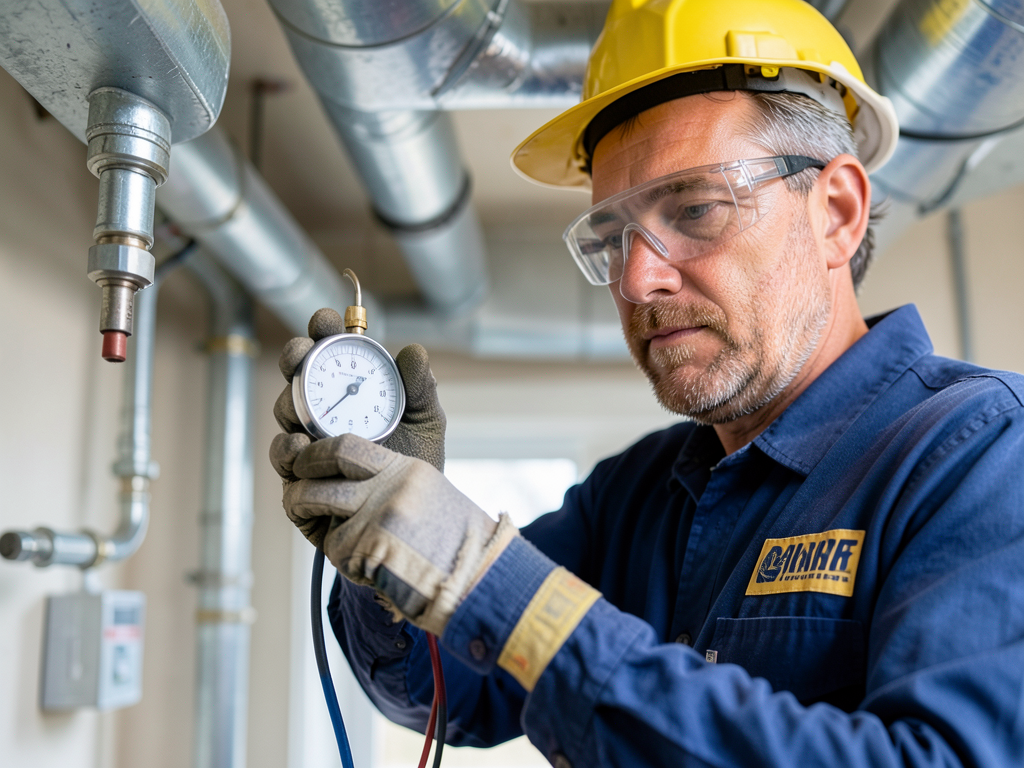
A proper furnace maintenance checklist starts with combustion analysis. We measure oxygen levels, carbon monoxide output, and flue draft pressure using a digital combustion analyzer. These numbers tell us if your heat exchanger has developed cracks or if your burners need adjustment. Visual inspection misses early-stage problems. The data does not lie.

Next, we test amperage draw on the inducer motor and main blower motor. Motors pulling high amperage are failing. We catch them before they strand you on a 28-degree night. We inspect the hot surface igniter under magnification because microscopic cracks cause intermittent failures. Replacing a questionable igniter during maintenance costs far less than an emergency service call.

Your furnace tune-up checklist must include static pressure testing across the air filter, evaporator coil, and ductwork. High static pressure from a clogged filter or undersized return ducts causes the heat exchanger to overheat and crack prematurely. We document these readings so you can track system performance year over year. This is how we identify declining efficiency before it becomes a crisis.

We also verify gas pressure at the manifold, check flame rollout switches for proper operation, and test the high-limit switch cutoff. These safety devices prevent fires and carbon monoxide poisoning. Your preventative heating maintenance guide should treat safety components as non-negotiable inspection points. We clean the flame sensor with emery cloth and verify microamp flow through the circuit. A dirty flame sensor causes short cycling and incomplete combustion.

How Your Annual Furnace Inspection Protects Your Investment

Furnace Maintenance Checklist San Antonio – Keep Your System Running Through Extreme Texas Heat
01

System Performance Baseline

We start by documenting current system performance metrics. Temperature rise across the heat exchanger, gas pressure readings, and electrical amperage on all motors get recorded. These baseline numbers let us track efficiency changes over time. We compare your system performance against manufacturer specifications to identify problems early. This data-driven approach separates real maintenance from basic filter changes.
02

Component Inspection and Adjustment

Every component that affects safety or efficiency gets inspected and adjusted. We clean burner assemblies, test ignition systems, verify proper venting, and check all electrical connections for signs of arcing or corrosion. Blower wheels get cleaned because dust buildup reduces airflow by 30 percent. We lubricate bearings on older motors and verify capacitor microfarad ratings. Small adjustments now prevent major repairs later.
03

Documentation and Recommendations

You receive a detailed report showing what we found, what we fixed, and what needs attention soon. We prioritize recommendations by safety risk and cost impact. This is not a sales pitch. You get honest information about component condition so you can plan repairs on your schedule instead of during an emergency. Your seasonal furnace service schedule should include this documentation every year.

Why San Antonio Homeowners Trust Local HVAC Expertise

San Antonio has specific HVAC challenges that national chains do not understand. We know that homes built before 2005 in areas like Terrell Hills often have undersized ductwork that creates high static pressure. We recognize that newer developments in Helotes and Boerne face different problems related to rapid construction and cost-cutting measures by builders. Local knowledge matters when diagnosing system problems.

The city's location between the Edwards Plateau and Gulf Coastal Plains creates unique weather patterns. Cold fronts arrive fast, dropping temperatures 40 degrees in six hours. Your furnace needs to respond immediately when outdoor temperatures plunge. We configure heating systems for rapid response because we live here and understand the weather. We also know that most San Antonio winters include extended periods of mild weather, which means your system sits idle for weeks and then needs to fire up perfectly on demand.

Building codes in Bexar County require specific venting configurations for furnaces installed in attics and garages. We stay current on these requirements because we work with local inspectors regularly. Your heating system maintenance steps should include verification that safety switches and venting meet current code, even if your system was installed under older standards. This protects you during insurance claims and home sales.

Patriot HVAC San Antonio built its reputation by showing up when we say we will and doing the work right the first time. We do not upsell unnecessary repairs. Your preventative heating maintenance guide should come from a company with local references you can verify. We work on systems throughout Alamo Heights, Stone Oak, and the Medical Center area. Your neighbors already trust us with their HVAC investment.

What Your Annual Furnace Service Actually Includes

Service Timing and Availability

Schedule your annual furnace inspection in October or November before heating season starts. We complete most maintenance visits in 90 minutes unless we discover problems that need immediate attention. You can book appointments Monday through Saturday with morning or afternoon time blocks. We call 30 minutes before arrival so you do not waste time waiting. Emergency service is available 24 hours when maintenance customers experience unexpected breakdowns. Your seasonal furnace service schedule should happen before you need heat, not after your system fails.

Initial System Evaluation

We start by asking about system performance since your last service. Strange noises, inconsistent heating, or higher utility bills tell us where to focus attention. Then we run the system through a complete heating cycle while monitoring temperatures, pressures, and electrical performance. This initial evaluation catches obvious problems before we start detailed inspection work. We look at your thermostat programming and verify it matches your actual schedule. Many comfort problems come from incorrect thermostat settings, not mechanical failures.

System Performance Results

When we finish, your furnace operates at peak efficiency with all safety devices verified and working. You get a written report showing combustion efficiency, temperature rise across the heat exchanger, and the condition of all major components. We explain what we found in plain language and answer your questions. If repairs are needed, you receive clear pricing before we do any work. Your heating system should deliver consistent comfort without surprise breakdowns when you follow a proper maintenance schedule.

Ongoing Maintenance Support

We keep your service records in our system and send reminders when your next maintenance visit is due. Maintenance customers receive priority scheduling during peak seasons and discounted rates on repairs. We also provide guidance on filter changes, thermostat settings, and simple troubleshooting steps you can take before calling for service. Your furnace maintenance checklist should be part of a long-term relationship with a company that knows your system history and treats your home like their own.

Frequently Asked Questions

You Have Questions,
We Have Answers

What maintenance should be done on a furnace? +

Furnace maintenance includes inspecting the heat exchanger for cracks, testing the ignition system, checking gas pressure and connections, lubricating moving parts, and verifying proper airflow. A technician will also inspect the blower motor, measure voltage and amperage, test safety controls, and check the thermostat calibration. In San Antonio, where furnaces sit idle for months during hot summers, maintenance should address dust accumulation and ensure components activate properly after long periods of inactivity. Technicians replace filters, clean burners, and verify carbon monoxide levels to keep your system safe and efficient during those brief cold snaps.

What is included in furnace tune-up? +

A furnace tune-up covers filter replacement, burner cleaning, flame sensor inspection, blower assembly cleaning, and belt inspection. The technician tests the thermostat response, checks electrical connections, measures combustion efficiency, and inspects the exhaust vent system. You get a safety inspection of the heat exchanger and gas valve, plus testing of limit switches and pressure switches. In San Antonio homes, technicians pay extra attention to dust buildup from our dry conditions and verify drainage systems work properly since high humidity can affect condensate lines even on heating equipment.

What is the average cost to service a furnace? +

Furnace service in San Antonio typically costs between $80 and $150 for a standard maintenance visit. Prices vary based on system type, accessibility, and whether you need additional repairs beyond routine maintenance. Gas furnaces often cost slightly more to service than electric systems due to combustion testing requirements. Many local HVAC companies offer maintenance plans that reduce per-visit costs and include priority scheduling. Older systems may require more time and specialized attention. Pricing also depends on whether you need after-hours service or emergency diagnostics versus scheduled preventive maintenance.

What parts of a furnace need to be cleaned? +

Furnace cleaning focuses on the burner assembly, flame sensor, blower wheel and housing, air filter, and heat exchanger surfaces. The burner tubes need cleaning to maintain proper flame pattern and combustion efficiency. The blower wheel collects dust and debris that reduces airflow and strains the motor. Flame sensors develop buildup that prevents ignition. In San Antonio, where dust from construction and dry conditions is common, these components need thorough cleaning. Technicians also clean the condensate drain line, intake and exhaust vents, and the area around the pilot assembly to prevent blockages.

What is the $5000 rule? +

The $5,000 rule is a guideline that says if repair costs multiplied by the system age exceed $5,000, replacement makes more financial sense than repair. You multiply the repair estimate by your furnace age in years. If that number exceeds $5,000, consider replacement. For example, a $600 repair on a 10-year-old furnace equals $6,000, suggesting replacement. This rule helps San Antonio homeowners make smart decisions when facing expensive repairs on aging equipment. Factor in energy savings from newer, more efficient models and the reduced likelihood of future breakdowns.

Can I do furnace maintenance myself? +

You can handle basic furnace maintenance like changing filters monthly and keeping vents clear, but professional maintenance addresses critical safety and performance issues you cannot tackle yourself. Gas furnace inspection requires specialized tools to measure combustion efficiency, test for carbon monoxide leaks, and verify proper gas pressure. You lack the equipment to check electrical components, measure airflow, or inspect heat exchangers for cracks. In San Antonio, where furnaces operate less frequently, professional inspection catches problems that develop during idle periods. Annual professional service protects your family and maintains manufacturer warranty requirements.

What is the average cost of a full tune up? +

Full furnace tune-ups in San Antonio range from $80 to $200 depending on system complexity and company pricing structures. Standard tune-ups for single-stage gas furnaces typically cost less than service for variable-speed or two-stage systems that require more detailed diagnostics. Membership or maintenance plan subscribers often receive discounted rates. The service includes inspection, cleaning, testing, and minor adjustments. Additional costs apply if the technician discovers needed repairs like a failing capacitor or damaged ignitor. Some companies offer seasonal promotions before winter, making fall the ideal time to schedule service.

What is the most expensive part to fix on a furnace? +

The heat exchanger ranks as the most expensive furnace component to replace, often costing $1,200 to $2,500 for parts and labor. When a heat exchanger cracks or fails, replacement frequently approaches the cost of a new furnace, especially for systems over 12 years old. Other expensive repairs include the blower motor assembly, gas valve, and control board. In San Antonio, where temperature swings stress components differently than in consistently cold climates, heat exchanger failures can occur prematurely if systems lack regular maintenance and proper airflow.

Is it necessary to get a furnace tune up every year? +

Yes, annual furnace tune-ups prevent breakdowns, maintain efficiency, and protect your family from carbon monoxide risks. Even in San Antonio, where furnaces run minimally compared to northern climates, annual service is necessary. Long idle periods allow dust accumulation, components seize up, and gas connections can develop small leaks. Annual maintenance catches these issues before they become dangerous or expensive. Most manufacturers require documented annual service to maintain warranty coverage. Neglected furnaces lose efficiency, costing you more in utility bills and risking mid-winter failure when you need heat during our occasional freezes.

How long does furnace maintenance take? +

Standard furnace maintenance takes 60 to 90 minutes for a thorough inspection and tune-up. Older systems or those with significant buildup may require two hours. The technician needs time to inspect all components, perform combustion analysis, clean parts, test safety controls, and verify proper operation. First-time customers often need more time for baseline documentation. In San Antonio homes with hard-to-access attic installations, expect additional time for safe access and equipment handling. If the technician discovers issues requiring immediate attention or additional testing, service time extends accordingly.

How San Antonio's Climate Extremes Accelerate Furnace Component Wear

San Antonio experiences temperature swings that stress furnace components differently than consistent cold climates. Your heat exchanger expands and contracts repeatedly as the system cycles on and off during mild winter days when outdoor temperatures reach 65 degrees by afternoon. This thermal cycling creates metal fatigue faster than in northern cities where furnaces run continuously for months. The high humidity from proximity to the Gulf Coast accelerates oxidation inside the combustion chamber. Your annual furnace inspection list must account for this accelerated wear pattern. We see cracked heat exchangers in 12-year-old systems here that would last 20 years in drier climates.

Local HVAC expertise matters because we understand how San Antonio homes are built and how they fail. We know that homes in older neighborhoods like Monte Vista have gravity venting systems that require different inspection procedures than modern induced-draft furnaces. We recognize that new construction in areas like Cibolo often includes furnaces installed in unconditioned attic spaces where summer temperatures reach 150 degrees, degrading electrical components faster. Your preventative heating maintenance guide needs this local context to be effective. National companies following generic checklists miss problems specific to South Texas installation practices.
HVAC Services in The San Antonio Area

Patriot proudly serves San Antonio and surrounding communities with fast, reliable HVAC services. Use the map below to locate our service area and see if we’re available in your neighborhood. Whether you need a quick repair or full installation, we’re just a call away. Our mobile team is equipped and ready to meet you where you are. Count on Patriot for dependable service with a local touch.

Address:
Patriot HVAC San Antonio, 1100 Northwest Loop, San Antonio, TX, 91335

Additional Services We Offer

Our news updates

Latest Articles & News from The Blogs

Why Your AC Vents Are Whistling and How to Stop the Noise for Good That high-pitched whistle coming from your…

Why Your AC Vents Are Whistling and How to Stop the Noise for Good

Why Your AC Vents Are Whistling and How to Stop the Noise for Good That high-pitched whistle coming from your…

Why 72 Degrees Feels Different in San Antonio Than It Does Anywhere Else

Why 72 Degrees Feels Different in San Antonio Than It Does Anywhere Else When you set your thermostat to 72…

What Jefferson Terrace Homeowners Should Know About Older Ductwork and Modern Air Quality

What Jefferson Terrace Homeowners Should Know About Older Ductwork and Modern Air Quality \n\n Jefferson Terrace homes built in the…

Contact Us

Do not wait until the first freeze to discover your furnace needs repairs. Call Patriot HVAC San Antonio now at (726) 259-0059 to schedule your annual inspection. We will make sure your system is ready when temperatures drop.