






menu

Excess Dust in Home San Antonio | Expert HVAC System Diagnosis Solves the Root Cause

If you're constantly wiping down surfaces and noticing excessive house dust, your HVAC system is likely the culprit. Get a comprehensive system evaluation to identify and fix the specific issues causing too much dust in your home.

Slider Image 1
Slider Image 2
Slider Image 3
Slider Image 4
Slider Image 5
Slider Image 7
Slider Image 8
Slider Image 9
Slider Image 10
Slider Image 11

Why San Antonio Homes Battle Constant Dust Accumulation

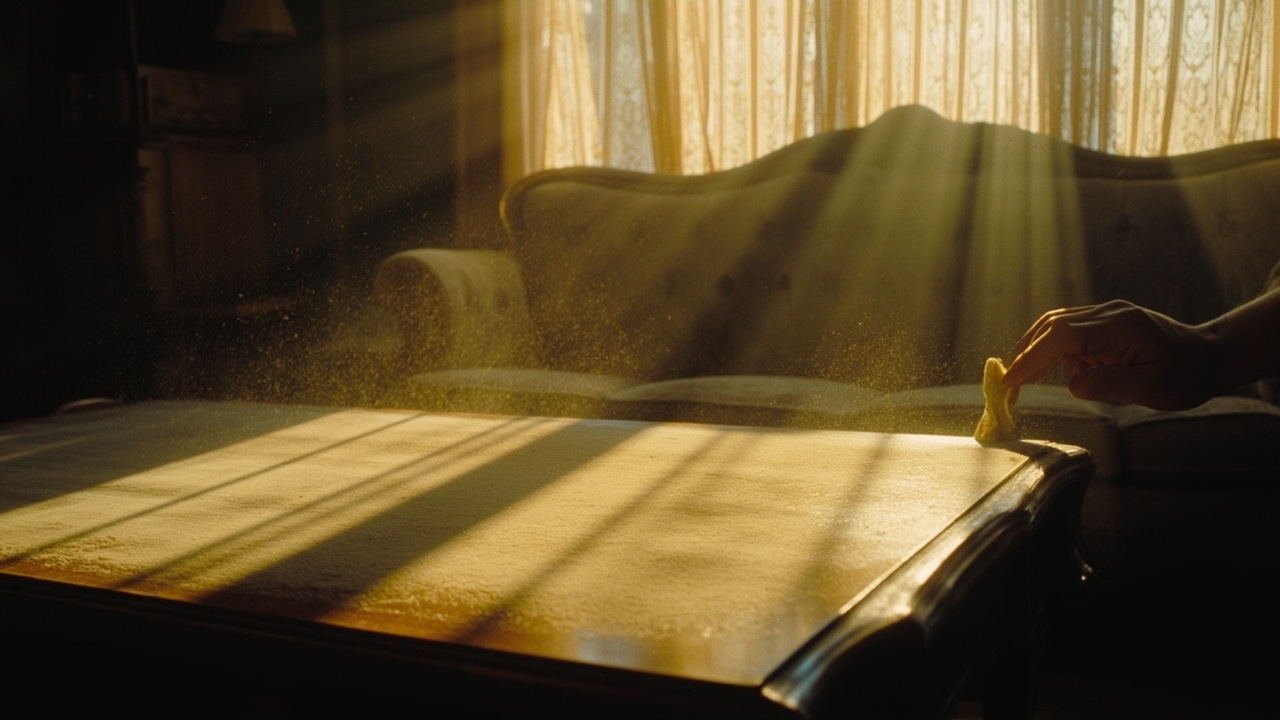
You wipe down your countertops in the morning, and by afternoon, a visible layer of dust coats them again. The heavy dust buildup on ceiling fans and furniture seems endless. You vacuum twice as often as you should, but the unusually dusty home conditions persist.

This is not just poor housekeeping. San Antonio's unique environmental factors make excessive house dust a widespread problem. The city sits at the intersection of South Texas scrubland and the Edwards Plateau, creating naturally high airborne particulate levels. Cedar pollen from the Hill Country peaks twice annually, in December and again in spring. Add construction dust from rapid urban expansion across neighborhoods like Stone Oak and Alamo Ranch, and you have constant outdoor dust sources.

But outdoor dust explains only part of the problem. When your HVAC system has dirty filters, leaking ductwork, or poor return air flow, it acts as a dust circulation system rather than a filtration system. Every time your AC runs, which is nearly year-round in San Antonio's hot climate, it pulls in dust through gaps and pushes it back through your vents.

San Antonio's extended cooling season, typically March through October, means your system runs more hours than in most U.S. cities. More runtime equals more opportunity for dust circulation if your system has underlying issues. The clay-heavy caliche soil common in subdivisions like Helotes and Leon Valley also contributes fine dust particles that infiltrate through foundation gaps and enter your ductwork.

If you notice too much dust in your home despite regular cleaning, your HVAC system needs professional assessment. The problem will not resolve on its own.

Why San Antonio Homes Battle Constant Dust Accumulation
How HVAC System Failures Create Dust Circulation Problems

How HVAC System Failures Create Dust Circulation Problems

A properly functioning HVAC system filters and conditions air. A failing system redistributes dust. Understanding the difference explains why your home stays dusty despite your cleaning efforts.

The most common cause of constant dust in the house is a clogged or incorrect air filter. Many homeowners use standard fiberglass filters rated MERV 1-4, which capture less than 20 percent of airborne particles. These cheap filters allow dust, pollen, and dander to pass straight through. Meanwhile, a clogged high-efficiency filter creates negative pressure, causing your system to pull unfiltered air through every small gap in the ductwork.

Duct leakage is the second major culprit. Studies show that typical residential duct systems lose 25 to 40 percent of conditioned air through leaks and gaps. These same openings pull in attic dust, insulation fibers, and outdoor particulates. In San Antonio homes with unconditioned attics reaching 140 degrees in summer, that superheated attic air carries concentrated dust loads directly into your living space.

Poor return air design forces your system to pull makeup air from unintended sources. If your home has only one central return and you close bedroom doors, the system creates negative pressure. Air gets pulled through wall penetrations, light fixtures, and gaps around windows, bringing dust with it.

Blower motor issues and dirty evaporator coils reduce airflow velocity, allowing particles to settle in ductwork rather than reaching the filter. Over time, sheet metal ducts accumulate thick dust layers that break loose and blow through your vents during temperature swings or when the blower cycles on.

Patriot HVAC San Antonio uses diagnostic tools like duct pressure testing and airflow measurements to identify exactly where your system fails, then fixes the specific issues creating your dust problem.

What Happens During Your Dust Problem Assessment

Excess Dust in Home San Antonio | Expert HVAC System Diagnosis Solves the Root Cause
01

System Inspection and Testing

We start with a complete visual inspection of your HVAC system, including filter condition, duct connections, and return air pathways. We use a manometer to measure static pressure across your system, which reveals whether your ductwork has significant leakage or blockages. We inspect your attic and crawlspace areas where ducts run, looking for disconnected joints, damaged insulation, or dust accumulation points. This diagnostic phase typically takes 45 to 60 minutes and identifies the specific failures causing excessive house dust.
02

Root Cause Identification

After testing, we explain exactly what is wrong and why your home has constant dust problems. This might include inadequate filtration, duct leakage at specific joints, missing return air pathways, or blower motor issues reducing system efficiency. We show you the problem areas when possible, such as disconnected ducts in the attic or gaps around register boots. We provide a detailed explanation of how each issue contributes to dust circulation, helping you understand which repairs will have the most impact on air quality.
03

Customized Repair Plan

We outline a prioritized repair strategy based on severity and impact. Critical issues like major duct leaks or failed filters get addressed first. We recommend specific filter types based on your system capacity and air quality goals, typically MERV 8 to MERV 11 for residential applications. If duct sealing is needed, we use mastic sealant rather than tape for permanent repairs. We explain expected improvements in dust reduction and provide a realistic timeline for completion, which typically ranges from same-day filter upgrades to multi-day duct remediation projects.

Why Local HVAC Expertise Matters for San Antonio Dust Issues

San Antonio's housing stock and climate create dust problems that generic HVAC advice cannot solve. You need technicians who understand how homes in this specific area are built and how they fail.

Many San Antonio homes built during the 1980s and 1990s construction boom have flex duct systems installed in vented attics. These installations frequently have sagging ducts, disconnected sections, and compression at turns, all of which reduce airflow and increase dust circulation. Older homes in areas like Terrell Hills and Alamo Heights often have original metal ductwork with decades of accumulated dust and failed joint connections.

San Antonio's extended cooling season creates unique filter loading patterns. Your system runs nearly 3,000 hours annually compared to 1,000 hours in moderate climates. This means filters accumulate dust three times faster than manufacturer recommendations assume. Local technicians understand that standard 90-day filter change intervals do not work here. We typically recommend 30 to 45-day replacement cycles, especially during peak pollen seasons.

The caliche soil and limestone bedrock underlying most San Antonio subdivisions generate fine alkaline dust that is more abrasive than typical dirt. This dust accelerates wear on blower motors and damages coil fins, reducing system efficiency faster than in areas with different soil composition. Patriot HVAC San Antonio accounts for these local factors when diagnosing dust problems and recommending solutions.

We also understand how San Antonio building practices affect indoor air quality. Homes built on concrete slabs often have return air plenums installed below the air handler, which can draw in dust from wall cavities. We know which local builders used proper duct sealing and which cut corners, helping us diagnose problems faster based on your home's age and subdivision.

Choosing a local HVAC company means working with technicians who have seen your exact problem dozens of times and know the most effective solutions.

What to Expect When You Address Your Dust Problem

Response Time and Scheduling

We typically schedule diagnostic appointments within 24 to 48 hours of your call. Unlike emergency repairs, dust problems do not require immediate overnight service, but we understand you want the issue resolved quickly. The initial assessment takes about one hour. If we identify simple fixes like filter upgrades or register adjustments, we often complete those during the first visit. More complex repairs like duct sealing or blower motor replacement require follow-up appointments, which we schedule based on parts availability and your preferences. Most dust remediation projects finish within three to five business days from initial contact.

The Diagnostic Process

Our technicians arrive with diagnostic equipment including manometers, inspection cameras, and airflow meters. We start by discussing when you notice the most dust and which rooms have the worst buildup. This helps focus our inspection on problem areas. We check your current filter, measure static pressure to detect duct leaks, inspect accessible ductwork in attics and crawlspaces, and test airflow at each register. We look for return air pathway issues, especially in homes where doors stay closed frequently. The diagnostic is comprehensive but non-invasive. We explain findings in clear terms, showing you problem areas when possible and avoiding technical jargon unless you want detailed explanations.

Results and Air Quality Improvement

After repairs, you should notice reduced dust accumulation within three to five days. The improvement is gradual because existing dust on surfaces takes time to clean, but new dust deposition slows significantly. If we install higher efficiency filters, you may notice slightly longer run times as your system works slightly harder to pull air through denser media, but energy costs typically stay level because reduced dust buildup improves overall system efficiency. Most customers report cutting their dusting frequency in half within two weeks. Homes with severe duct leakage issues often see dramatic improvements, with some customers reporting 70 to 80 percent reduction in visible dust accumulation after comprehensive duct sealing.

Ongoing Maintenance and Prevention

Once we solve your immediate dust problem, preventing recurrence requires regular filter changes and annual system maintenance. We recommend setting phone reminders for filter changes every 30 to 45 days in San Antonio's climate. During routine maintenance visits, we re-inspect duct connections, check for new leaks, and verify that previous repairs remain effective. We also monitor blower motor performance and coil cleanliness, both of which affect dust circulation. Many customers enroll in maintenance plans that include two annual tune-ups with filter changes, which helps catch small problems before they become major dust issues. We keep detailed service records so we can track changes in your system performance over time.

Frequently Asked Questions

You Have Questions,
We Have Answers

Why is there so much dust in my house? +

Excess dust comes from poor air filtration, leaky ductwork, or inadequate HVAC maintenance. In San Antonio, our high humidity and frequent construction activity push more particulates into homes. Your HVAC system recirculates air constantly. If your filter is cheap or clogged, dust particles keep cycling through your rooms. Leaky ducts pull in attic dust and insulation fibers. Outdoor dust from Texas soil, pollen from live oaks, and dander accumulate faster here than in drier climates. Check your air filter monthly and inspect ductwork for gaps or tears.

Is it unhealthy to live in a dusty house? +

Yes. Dust carries allergens, dust mites, mold spores, and particulate matter that irritate your respiratory system. You breathe this constantly. Long-term exposure worsens asthma, triggers allergies, and strains your immune system. In San Antonio, cedar pollen and outdoor allergens mix with indoor dust, making the problem worse during fall and winter. Children and elderly residents face higher risks. You may notice persistent coughing, sinus congestion, or fatigue. Reducing dust improves indoor air quality and protects your health. Address the source through better filtration and regular HVAC cleaning.

Do air purifiers actually reduce dust? +

Yes, but only if you choose the right type. Air purifiers with HEPA filters capture 99.97% of particles down to 0.3 microns, including dust, pollen, and pet dander. Place them in high-traffic rooms like bedrooms or living areas. They work best alongside proper HVAC maintenance, not as a replacement. In San Antonio homes, purifiers help manage cedar pollen and outdoor dust that infiltrates through windows and doors. Cheap ionic or ozone purifiers do little. Size the unit correctly for your room square footage and replace filters as recommended.

What does it mean if your house is dusty? +

Your home has poor air filtration, dirty ductwork, or inadequate ventilation. Dust accumulation signals your HVAC system is not capturing airborne particles effectively. It may mean your air filter is wrong for your system, your ducts leak, or your home lacks proper sealing. In San Antonio, older homes built before modern HVAC standards often have undersized returns or no air filtration at all. Persistent dust also indicates you may have mold, pest debris, or deteriorating insulation in your attic or crawlspace. Inspect your system and address the root cause.

Will cleaning my air ducts make my house less dusty? +

It depends. If your ducts contain heavy debris, mold, or pest contamination, professional cleaning reduces dust. However, if your ducts are relatively clean, you will see minimal improvement. In San Antonio, duct cleaning makes sense after major renovations, pest infestations, or if you see visible mold. Most dust problems stem from poor filtration, not dirty ducts. Before spending money on duct cleaning, replace your air filter with a high-efficiency option and seal any duct leaks. That delivers better results for most homes. Evaluate your specific situation first.

How do you stop dust in your house? +

Upgrade your HVAC air filter to a MERV 11-13 rated pleated filter. Seal duct leaks with mastic sealant, especially in your attic. Vacuum with a HEPA-filtered vacuum twice weekly. Use microfiber cloths that trap particles instead of spreading them. In San Antonio, keep windows closed during high-pollen days and remove shoes at the door to reduce tracked-in soil and debris. Install door sweeps and weatherstripping to block outdoor dust. Run your HVAC fan on continuous low speed to improve filtration. Address the source, not just the symptoms.

Does vacuuming every day reduce dust? +

Yes, if you use a vacuum with a HEPA filter. Daily vacuuming removes surface dust before it becomes airborne again. Focus on high-traffic areas, entryways, and under furniture where dust settles. In San Antonio homes with pets or kids, daily vacuuming makes a measurable difference. Avoid vacuums that exhaust unfiltered air, which just recirculates particles. Pair vacuuming with better HVAC filtration for maximum effect. Vacuuming alone will not solve the problem if your system keeps introducing new dust. Attack the issue from multiple angles for lasting results.

What kills dust mites immediately? +

Wash bedding in water hotter than 130 degrees Fahrenheit. Dust mites die at that temperature. Use allergen-proof mattress and pillow encasements to trap existing mites. In San Antonio's humid climate, dust mites thrive year-round. Reduce indoor humidity below 50% with your air conditioner or a dehumidifier. Freeze smaller items like stuffed animals for 24 hours to kill mites. Vacuum mattresses and upholstery weekly with a HEPA vacuum. For severe infestations, use acaricide sprays designed for fabrics. Address humidity first, or mites return quickly.

What happens if you never clean dust? +

Dust accumulates and embeds in fabrics, carpets, and HVAC systems. You breathe worsening air quality daily. Allergens build up, triggering chronic respiratory issues, sinus infections, and skin irritation. Dust mites multiply rapidly in neglected environments. Your HVAC system clogs, reducing efficiency and increasing energy bills. In San Antonio, neglected dust mixed with high humidity creates conditions for mold growth on surfaces and inside ductwork. Long-term neglect damages your system and your health. Regular cleaning protects both. Start with simple steps like changing your air filter monthly.

Is there a machine that removes dust from the air? +

Yes. HEPA air purifiers remove dust particles from the air in individual rooms. Whole-home air cleaners integrate with your HVAC system and filter air throughout your house. These units capture particles as air cycles through your system. In San Antonio, where outdoor dust and pollen infiltrate homes constantly, whole-home filtration provides better coverage than portable units. Electronic air cleaners use static charge to trap particles, while mechanical HEPA filters physically capture them. Choose based on your square footage and dust severity. Pair any machine with proper HVAC maintenance for best results.

How San Antonio's Cedar Fever Season Amplifies HVAC Dust Problems

San Antonio sits in the heart of central Texas cedar country, where Ashe juniper trees release massive pollen clouds from December through February. This cedar fever season sends pollen counts above 8,000 grains per cubic meter, creating visible haze and coating outdoor surfaces with yellow-brown dust. When your HVAC system has duct leaks or inadequate filtration, this concentrated pollen load enters your home and circulates continuously. Standard low-efficiency filters cannot capture pollen particles, which measure 15 to 30 microns. The problem intensifies during windy days when pollen mixes with limestone dust from construction sites across rapidly developing areas like Brooks City Base and the Medical Center corridor, creating unusually dusty home conditions that persist even after outdoor pollen counts drop.

San Antonio's building code requires residential HVAC systems to meet minimum efficiency standards, but older homes predating current codes often have undersized return air pathways and inadequate duct sealing. Local HVAC contractors understand these code evolution patterns and know which neighborhoods have the most problematic installations. We work regularly with homes across Bexar County, from historic Monte Vista bungalows with retrofitted central air to new construction in Cibolo and Schertz with modern sealed duct systems. This experience base helps us diagnose your specific dust problem faster and recommend solutions appropriate to your home's construction type and age. Local expertise matters because cookie-cutter solutions fail to address the unique combination of San Antonio climate, soil conditions, and building practices that create heavy dust buildup in area homes.


HVAC Services in The San Antonio Area

Patriot proudly serves San Antonio and surrounding communities with fast, reliable HVAC services. Use the map below to locate our service area and see if we’re available in your neighborhood. Whether you need a quick repair or full installation, we’re just a call away. Our mobile team is equipped and ready to meet you where you are. Count on Patriot for dependable service with a local touch.

Address:
Patriot HVAC San Antonio, 1100 Northwest Loop, San Antonio, TX, 91335

Additional Services We Offer

Our news updates

Latest Articles & News from The Blogs

Why Your AC Vents Are Whistling and How to Stop the Noise for Good That high-pitched whistle coming from your…

Why Your AC Vents Are Whistling and How to Stop the Noise for Good

Why Your AC Vents Are Whistling and How to Stop the Noise for Good That high-pitched whistle coming from your…

Why 72 Degrees Feels Different in San Antonio Than It Does Anywhere Else

Why 72 Degrees Feels Different in San Antonio Than It Does Anywhere Else When you set your thermostat to 72…

What Jefferson Terrace Homeowners Should Know About Older Ductwork and Modern Air Quality

What Jefferson Terrace Homeowners Should Know About Older Ductwork and Modern Air Quality \n\n Jefferson Terrace homes built in the…

Contact Us

You have wiped surfaces for the last time this week. Call Patriot HVAC San Antonio at (726) 259-0059 right now to schedule your comprehensive dust problem assessment. We will identify exactly why your home stays dusty and fix it properly.