
The Connection Between Your San Antonio Roof Health and Your AC Performance
Your San Antonio roof is more than just a barrier against the Texas sun—it’s the first line of defense for your home’s cooling system. When your roof and attic trap heat, your air conditioner works overtime, driving up energy bills and shortening its lifespan. Understanding this connection can help you make smart choices that keep your home cooler, your AC running efficiently, and your utility costs down.. Read more about Solar Attic Fans vs. Ridge Vents for Lowering AC Loads in Your San Antonio Home.
How Extreme San Antonio Attic Heat Destroys Your HVAC Efficiency
San Antonio’s brutal summer heat turns your attic into an oven, often reaching temperatures above 150°F when it’s only 95°F outside. This extreme heat doesn’t just stay in the attic—it radiates downward, warming your living spaces and forcing your AC to run longer cycles. The hotter your attic, the harder your system works to maintain comfort, creating a vicious cycle of energy waste and mechanical strain.
The Science of Heat Transfer: Why Your Attic is a Kiln
Heat moves through your home in three ways: conduction, convection, and radiation. Your San Antonio roof absorbs solar radiation all day, and without proper barriers, that heat conducts through roofing materials into your attic. Once there, it radiates downward, warming everything it touches—including your AC ducts, which often run through the hottest part of your home. This is why even a well-maintained AC unit can struggle when your attic turns into a heat trap.
3 Ways Attic Heat Forces Your AC to Overwork
First, ductwork heat gain occurs when hot attic air surrounds your AC ducts, warming the cool air inside before it ever reaches your vents. Second, the temperature split—or delta T—between your return air and supply air widens, making your system less efficient. Third, extreme attic heat causes your AC to cycle more frequently, increasing wear on components and raising the risk of breakdowns during peak summer months.
Solutions That Actually Work in South Texas
Effective solutions for San Antonio homes focus on stopping heat before it enters your living space. Blown-in fiberglass insulation with an R-value of R-38 to R-60 provides excellent thermal resistance, while radiant barriers reflect up to 97% of radiant heat away from your attic. Solar attic fans actively exhaust hot air, reducing attic temperatures by 20-30 degrees and improving overall system efficiency.
The Cost of Inaction: Energy Bills vs. System Lifespan
Ignoring attic heat problems costs more than you think. A 20-degree reduction in attic temperature can save 15-25% on cooling costs, according to recent San Antonio energy studies. More importantly, reducing your AC’s workload extends its lifespan by years, delaying the need for expensive replacements. The math is simple: investing in attic improvements pays for itself through lower bills and fewer repairs. Stone Oak AC Repair Services That Can Actually Handle the Texas Heat.
Local Rebates and Incentives for San Antonio Homeowners
CPS Energy offers several programs to help San Antonio homeowners improve energy efficiency. The Casa Verde Weatherization Program provides free home energy upgrades for qualifying residents, while the CPS Energy Residential Energy Efficiency Rebate offers cash back for insulation and radiant barrier installations. These programs can cover up to 50% of improvement costs, making upgrades more affordable than ever. CPS Energy.
Attic Ventilation: The Often-Overlooked Factor
Proper attic ventilation works hand-in-hand with insulation to keep your home cool. Soffit vents draw in cool air while ridge vents or solar fans exhaust hot air, creating continuous airflow that prevents heat buildup. Without adequate ventilation, even the best insulation can’t stop your attic from becoming a heat trap that undermines your AC’s performance.
Thermal Bridging: The Hidden Heat Highway
Thermal bridging occurs when heat travels through materials that conduct it easily, like attic joists and framing. This creates hot spots that radiate into your living spaces, forcing your AC to work harder. Addressing thermal bridging with proper insulation techniques—like covering joists completely with blown-in insulation—eliminates these heat highways and improves overall efficiency.
The Impact of High Humidity on HVAC Latent Cooling Capacity
San Antonio’s high humidity adds another layer of complexity to cooling your home. Your AC must remove both sensible heat (temperature) and latent heat (moisture) from the air. When attic heat forces your system to run longer cycles, it has less capacity to dehumidify, leaving your home feeling sticky and uncomfortable even when the temperature is technically correct.
DIY vs. Professional Assessment: What You Need to Know
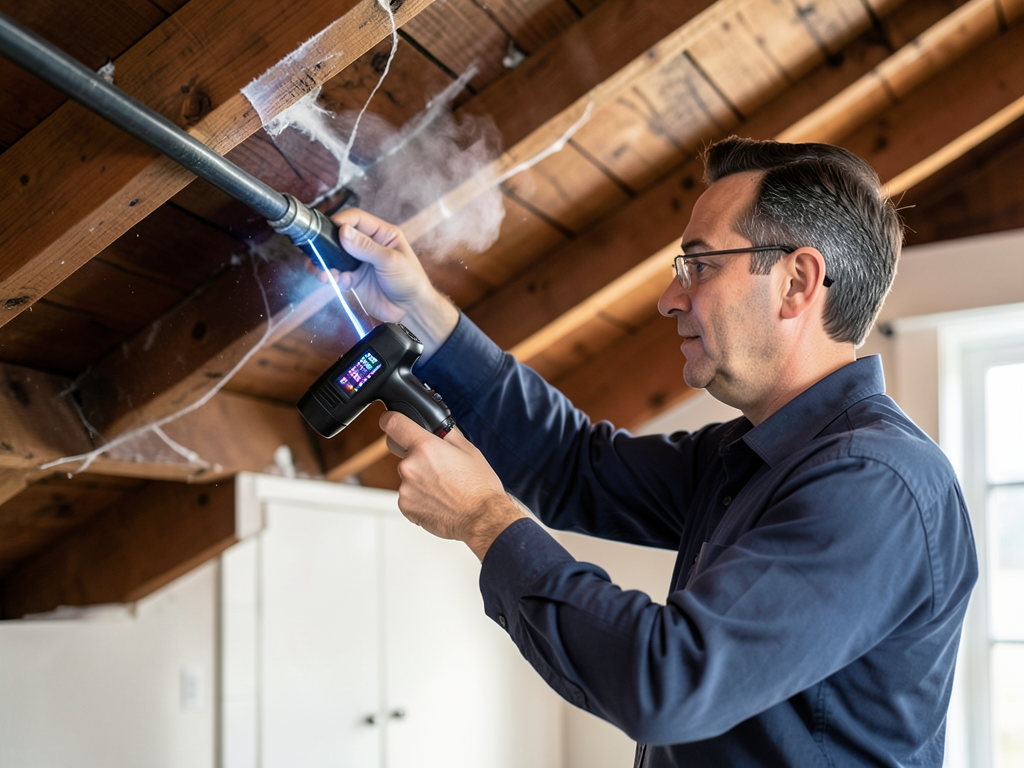
While you can check for obvious issues like missing insulation or blocked vents, a professional assessment using thermal imaging and blower door testing reveals hidden problems that impact efficiency. Professionals can also calculate your home’s specific cooling load using Manual J standards, ensuring any improvements are properly sized for your San Antonio home.
Long-Term Benefits Beyond Energy Savings
Improving your attic’s performance does more than lower bills—it enhances indoor air quality by reducing humidity and preventing mold growth in your attic. It also protects your roof by preventing ice dam formation in winter and reducing thermal stress on roofing materials year-round. These benefits add up to a healthier, more comfortable home.
Call (726) 259-0059 today to schedule your inspection
Don’t let San Antonio’s extreme heat destroy your AC’s efficiency. Our certified technicians understand the unique challenges of South Texas homes and can identify exactly how your roof and attic are impacting your cooling system. We’ll provide a detailed assessment and recommend solutions that deliver real results, not just temporary fixes.
Frequently Asked Questions
How much can I save by improving my attic insulation?
Homeowners typically save 15-25% on cooling costs after addressing attic heat issues, with some San Antonio residents reporting even higher savings during peak summer months.
Are radiant barriers worth the investment in San Antonio?
Yes. Radiant barriers can reduce attic temperatures by 20-30 degrees and typically pay for themselves within 2-3 years through energy savings and extended AC lifespan.
What’s the best insulation for San Antonio attics?
Blown-in fiberglass with an R-value of R-38 to R-60 provides the best balance of performance, cost, and moisture resistance for our climate zone.
Can I install attic improvements myself?
While some DIY options exist, professional installation ensures proper coverage, addresses hidden issues like thermal bridging, and may be required for rebate programs.
How do I know if my attic is causing AC problems?
Signs include high energy bills, rooms that stay hot despite AC running, and your system running constantly during summer. A professional assessment can confirm the connection.
Ready to Beat the Heat?
Your San Antonio roof and attic directly impact your AC’s performance and your family’s comfort. Whether you’re dealing with high energy bills, hot rooms, or an aging AC system, addressing attic heat issues is often the most cost-effective solution. Call (726) 259-0059 today to schedule your professional assessment and take the first step toward a cooler, more efficient home. For more information, visit Department of Energy insulation guide.