
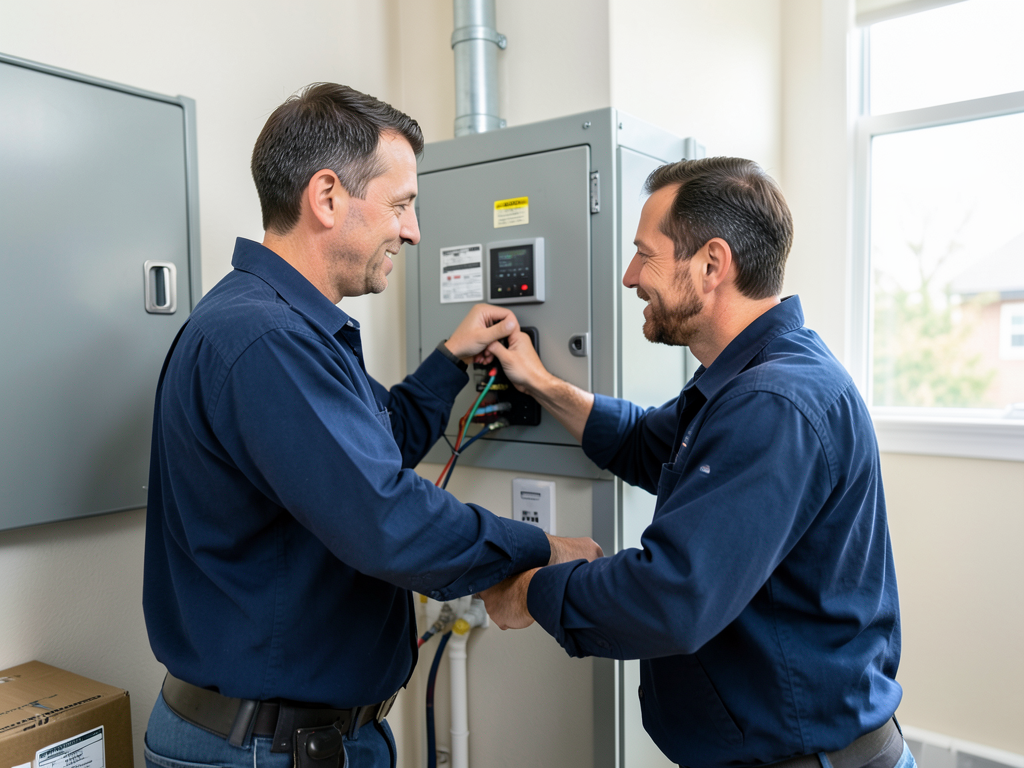
What to Do When Your China Grove HVAC System Takes a Hit from a Power Surge
Power surges can destroy your HVAC system in seconds. In China Grove where lightning strikes are common during spring storms and CPS Energy grid fluctuations are frequent, your air conditioner faces constant electrical threats. A single spike can burn out the compressor, control board, or variable-speed motor that costs thousands to replace. energy efficiency standards.
When a surge hits your system, quick action saves money. Turn off the thermostat immediately. Check your circuit breaker for tripped switches. Look for burning smells or melted wires near the outdoor unit. These signs mean your system needs professional diagnosis before you turn it back on.
China Grove homes sit in a high-risk zone for electrical damage. The combination of rural power lines, frequent thunderstorms, and the intense heat that stresses the Texas grid creates perfect conditions for surges. Your HVAC system runs almost constantly during summer, making it vulnerable when voltage spikes occur.
Professional surge protection installation costs between $200 and $500 but prevents $3,000 to $8,000 in potential damage. Modern systems with inverter technology and smart controls are especially sensitive to power fluctuations. The investment pays for itself the first time it blocks a damaging spike.
Understanding Power Surge Damage in China Grove
Power surges in China Grove come from two sources. External surges travel through power lines from lightning strikes or utility grid switching. Internal surges happen when your HVAC system or other motors in your home cycle on and off, creating small voltage spikes that add up over time.
External surges are the most destructive. A lightning strike within a mile can send a 10,000-volt spike through your home’s electrical system. This overwhelms the normal 240-volt supply your AC unit needs. The surge travels instantly through wiring, burning out sensitive electronic components before your breaker can react.
Internal surges are more common but less dramatic. Each time your compressor starts, it draws a large current that creates a brief voltage drop. Over months and years, these micro-surges degrade capacitors, control boards, and the compressor itself. By the time you notice problems, the damage is already done.
China Grove’s location in eastern Bexar County means longer power line runs and more exposure to lightning. The rural setting also means fewer backup systems and slower power restoration when storms hit. These factors multiply the risk to your HVAC investment.
Warning Signs Your System Has Surge Damage
Surge damage often shows up immediately or within days. Your AC might not turn on at all. The outdoor fan spins but the compressor stays silent. You hear clicking sounds from the control panel but nothing happens. These are emergency signs that require immediate professional service. Emergency AC Repair in Alamo Heights for When Your Unit Dies at Midnight.
Other damage appears more subtly. Your system runs but cools poorly. Energy bills spike unexpectedly. The unit short-cycles, turning on and off rapidly. These symptoms suggest the compressor or control board suffered partial damage that will worsen over time.
Physical inspection reveals surge damage. Look for blackened or melted wires near the electrical disconnect. Check the capacitor for bulging or leaking. Smell for the ozone odor of burnt electronics near the control board. These visual and sensory clues confirm electrical failure.
Modern variable-speed systems show unique surge symptoms. The inverter board that controls motor speed often fails first. Your system might run at full blast constantly or not start at all. These sophisticated controls cannot handle voltage outside their narrow operating range.
Professional Surge Protection Solutions
Whole-home surge protection installs at your main electrical panel. These devices clamp voltage spikes before they enter your home’s wiring. Quality units handle 40,000 to 80,000 amps and respond in nanoseconds. They protect everything from your HVAC to computers and appliances.
Dedicated HVAC surge protectors mount near your outdoor unit. These point-of-use devices handle the specific electrical characteristics of air conditioners. They include thermal fuses that disconnect power during extreme surges, preventing damage to the compressor and controls.
Commercial-grade protection combines both approaches. A whole-home unit handles external surges while dedicated HVAC protection manages the unique demands of your air conditioner. This layered defense provides the best protection for expensive systems. Commercial Maintenance Agreements.
Installation requires a licensed electrician or HVAC technician. The devices connect to high-voltage lines and must meet National Electrical Code requirements. Professional installation includes proper grounding, surge rating verification, and warranty registration with the manufacturer. National Electrical Code requirements.
Cost Analysis: Protection vs. Replacement
Replacing a damaged HVAC compressor costs $2,500 to $4,500 including labor. A control board replacement runs $800 to $1,500. Variable-speed motor replacement can exceed $1,200. These repairs often come during peak summer heat when emergency service rates apply. Stone Oak AC Repair Services That Can Actually Handle the Texas Heat.
Surge protector installation costs $200 to $500 for quality units. The protector pays for itself by preventing just one major repair. Over the system’s 15-year lifespan, it blocks dozens of damaging spikes that would slowly degrade performance and efficiency. Fast Furnace Repair Services in Boerne for Those Random Hill Country Cold Snaps.
Energy savings add to the protection value. Systems running with clean power operate more efficiently. You avoid the 10-15% efficiency loss that damaged electronics cause. This translates to lower monthly utility bills throughout the year.
Insurance considerations matter too. Many policies exclude power surge damage or require high deductibles. Surge protection eliminates the need for claims and protects your no-claims discount. The peace of mind alone justifies the investment.
Installation Process and Timeline
Professional installation takes two to four hours. The technician evaluates your electrical system, determines optimal protection locations, and installs the devices. They test the protection response and verify proper grounding before completing the job.
The process starts with a system assessment. The technician checks your electrical panel capacity, evaluates your HVAC electrical connections, and reviews your home’s surge history. This determines whether you need whole-home, dedicated HVAC, or combined protection.
Installation involves mounting the surge device, connecting it to power lines, and integrating it with your system controls. The technician programs any smart features and tests the response to simulated surges. They provide documentation and warranty information before leaving.
Post-installation testing verifies protection. The technician uses specialized meters to confirm proper voltage clamping and response time. They check for any interference with your HVAC controls and ensure all safety features function correctly.
Maintenance and Monitoring
Surge protectors require annual inspection to ensure they function properly. The indicator lights show protection status. A red light means the unit needs replacement after absorbing major surges. Green indicates active protection and proper operation.
Professional maintenance includes checking connections, testing response time, and verifying grounding. The technician replaces worn components and updates firmware if applicable. This annual service extends the life of both the protector and your HVAC system.
Smart surge protectors offer real-time monitoring through smartphone apps. You receive alerts about surge events, power quality issues, and device status. This early warning system helps you address problems before they cause damage.
Replacement intervals vary by model and surge exposure. Units in high-risk areas may need replacement every two to three years. Others last five to seven years under normal conditions. Your technician tracks this schedule and recommends timely replacement.
Local Building Code Requirements
San Antonio and Bexar County electrical codes require proper surge protection for new HVAC installations. The 2020 National Electrical Code Article 440 covers air conditioning and refrigeration equipment. It mandates overcurrent protection and proper grounding for all outdoor units. Premium Air Conditioning Installation for The Dominion and Shavano Park Homes.
China Grove falls under the extraterritorial jurisdiction of San Antonio’s building codes. Any new HVAC installation must pass electrical inspection. This includes verifying surge protection meets local requirements for safety and performance.
Commercial properties face stricter requirements. Businesses must install whole-building surge protection for new systems over certain sizes. These requirements protect expensive equipment and prevent business interruption from electrical failures.
Permit requirements vary by project scope. Simple surge protector additions may not need permits, but new system installations always do. Your HVAC contractor handles permit applications and ensures all work passes inspection.
Insurance and Warranty Considerations
Standard homeowner policies often exclude power surge damage. When covered, deductibles can exceed $1,000. Some insurers offer equipment breakdown coverage as an add-on, but this increases premiums significantly.
Manufacturer warranties typically exclude surge damage. A lightning strike that destroys your compressor voids the warranty. You pay full replacement cost even if the system is relatively new. Surge protection preserves warranty coverage by preventing surge-related failures.
Commercial properties benefit from equipment protection policies. These cover surge damage, mechanical failure, and other risks not included in standard property insurance. The policies often require documented surge protection as a condition of coverage.
Documenting surge protection installation helps with insurance claims. Keep installation receipts, warranty information, and maintenance records. These documents prove you took reasonable steps to protect your investment if damage occurs.
Emergency Response When Surges Strike
Power surge damage requires immediate attention. Turn off your HVAC system at the thermostat and breaker. Do not attempt to restart it. Running a damaged system causes additional harm and may create safety hazards.
Call for emergency service right away. Surge damage often occurs during storms when regular service centers are busy. Emergency HVAC service ensures quick diagnosis and prevents further damage from heat exposure.
Document the damage for insurance purposes. Take photos of any visible damage, melted wires, or burnt components. Note the time and date of the surge event if known. This information helps with claims and warranty evaluations.
Consider temporary cooling solutions while waiting for repairs. Portable fans, window units, or staying with friends may be necessary during summer heat waves. Your technician can advise on safe temporary measures for your situation.. Read more about Expert Repair Services for Propane Furnaces in Rural Elmendorf and South Bexar County.
Long-Term Protection Strategy
Surge protection works best as part of a comprehensive electrical safety plan. Combine surge protectors with proper grounding, quality wiring, and regular electrical system maintenance. This integrated approach provides maximum protection for your home and equipment.
Upgrade older electrical panels that lack modern surge protection features. Panels over 20 years old may have outdated breakers that respond too slowly to protect sensitive electronics. Modern panels include faster response times and better surge handling.
Consider whole-home electrical system evaluation every five years. An electrician can identify deteriorating wiring, overloaded circuits, or grounding issues that increase surge vulnerability. Early detection prevents many electrical problems.
Educate your family about electrical safety. Teach everyone to turn off electronics during storms. Post emergency procedures near the electrical panel. Quick response during surge events minimizes damage and speeds recovery.
Choosing the Right Protection Level
Protection needs vary by location and system value. China Grove’s rural setting and storm exposure require robust protection. Homes with expensive variable-speed systems need higher protection levels than those with basic single-stage units.
Budget considerations matter but should not drive protection decisions. The cost difference between basic and premium protection is small compared to potential repair costs. Invest in quality protection that matches your system’s value and vulnerability.
Professional assessment determines optimal protection. An experienced technician evaluates your specific risks, system requirements, and local conditions. They recommend protection that provides adequate safety without unnecessary expense.
Future-proofing your protection saves money long-term. Choose devices with upgradeable features and compatibility with newer HVAC technologies. This prevents obsolescence and ensures continued protection as your system evolves.
Energy Efficiency and Surge Protection
Clean power improves HVAC efficiency significantly. Systems running on stable voltage consume less energy and cool more effectively. You may see 5-10% reduction in utility bills after installing quality surge protection.
Damaged electronics waste energy constantly. A control board struggling with voltage fluctuations runs inefficiently. The compressor works harder to achieve desired temperatures. These inefficiencies compound over time, increasing operating costs.
Variable-speed systems particularly benefit from clean power. These sophisticated controls optimize performance based on voltage stability. Surge protection ensures they operate at peak efficiency, maximizing energy savings and comfort.
Energy monitoring helps quantify protection benefits. Track your utility bills before and after installation. Many homeowners recover the protection cost through energy savings within two to three years.
Commercial vs. Residential Protection
Commercial HVAC systems require different protection strategies. Larger units have higher voltage requirements and more sophisticated controls. Commercial surge protectors handle greater electrical loads and provide more comprehensive protection.
Business downtime costs make commercial protection critical. A failed HVAC system can close a restaurant or retail store. The protection investment prevents revenue loss and maintains customer comfort during heat waves.
Residential systems focus on equipment protection and efficiency. While important, the consequences of failure are less severe than commercial applications. Residential protection balances cost with adequate safety for home comfort.
Both applications benefit from professional assessment. The specific protection needs depend on system size, usage patterns, and local electrical conditions. Tailored solutions provide optimal protection for each situation.
Frequently Asked Questions
How do I know if my HVAC system has surge damage?
Look for systems that won’t start, make clicking sounds without running, or cool poorly despite running constantly. Physical signs include melted wires, burnt smells near the control board, or blackened electrical connections. Professional diagnosis confirms surge damage.
Can I install surge protection myself?
DIY installation is dangerous and often voids warranties. Surge protectors connect to high-voltage lines and must meet electrical codes. Professional installation ensures proper grounding, correct device selection, and warranty protection. The small installation cost is worth the safety and performance benefits.
How long do surge protectors last?
Quality surge protectors last 5-7 years under normal conditions. Units in high-risk areas like China Grove may need replacement every 2-3 years. Indicator lights show protection status. Annual professional inspection ensures continued effectiveness and timely replacement when needed.
Will surge protection affect my HVAC warranty?
Proper surge protection actually preserves warranty coverage. Many manufacturers exclude surge damage from warranties. By preventing surges, protection keeps your system eligible for warranty repairs. Professional installation with documentation strengthens your warranty position.. Read more about Transitioning Away from R-22 Freon and What it Actually Costs San Antonio Homeowners.
Call for Professional Assessment Today
Don’t wait for the next storm to destroy your HVAC system. China Grove’s electrical conditions make surge damage likely, not rare. A quick professional assessment identifies your risks and recommends the right protection level for your home and budget.
Professional installation ensures your protection works when you need it most. Quality devices, proper grounding, and expert setup provide peace of mind during every thunderstorm. The investment protects thousands in equipment and prevents emergency repairs during heat waves.
Call (726) 259-0059 today to schedule your surge protection assessment. Our technicians understand China Grove’s unique electrical challenges and recommend solutions that actually work. Don’t risk another summer without proper protection.
Pick up the phone and call (726) 259-0059 before the next storm hits. Your HVAC system protects your family from Texas heat. Surge protection protects your HVAC system from electrical damage. Make the call that prevents costly repairs and keeps your home comfortable year-round.