
Why Garden Ridge Homeowners Are Upgrading to Variable Speed AC Systems
Garden Ridge residents face unique cooling challenges during San Antonio’s brutal summers. The constant humidity and unpredictable temperature swings push traditional air conditioners to their limits. More homeowners in this Comal County community are discovering that variable speed AC systems offer a smarter solution for year-round comfort and lower energy bills. Energy Efficient Home Improvement Credit.
These advanced systems use inverter technology to adjust cooling output in small increments rather than simply turning on and off. This means your home stays at a consistent temperature while using less electricity. For Garden Ridge homes where summer heat often exceeds 100 degrees and humidity hovers near 70 percent this technology makes a real difference in both comfort and cost.
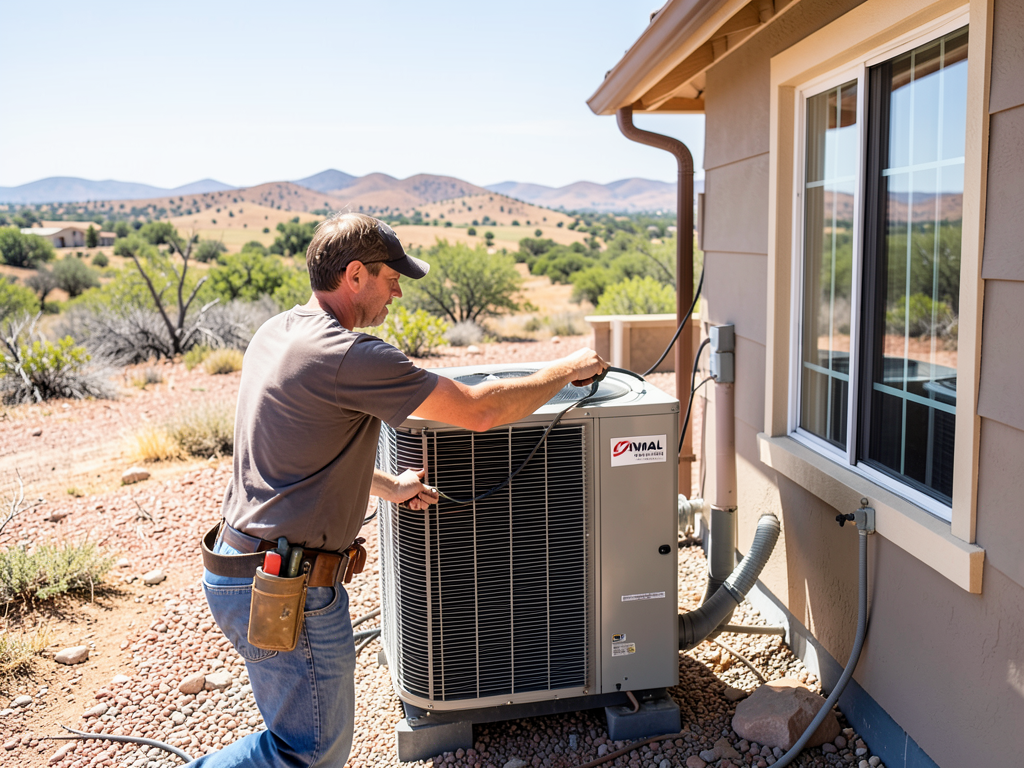
How Variable Speed AC Technology Works
Traditional air conditioners operate at one or two speeds. They blast cold air until the thermostat reaches the set temperature then shut off completely. This cycle repeats throughout the day creating temperature swings and wasting energy during startup.
Variable speed systems use a different approach. The compressor can run at anywhere from 25 to 100 percent capacity making tiny adjustments based on your home’s cooling needs. When outdoor temperatures are mild the system might run at 35 percent capacity continuously. During extreme heat it ramps up as needed but still operates more efficiently than single-stage units.
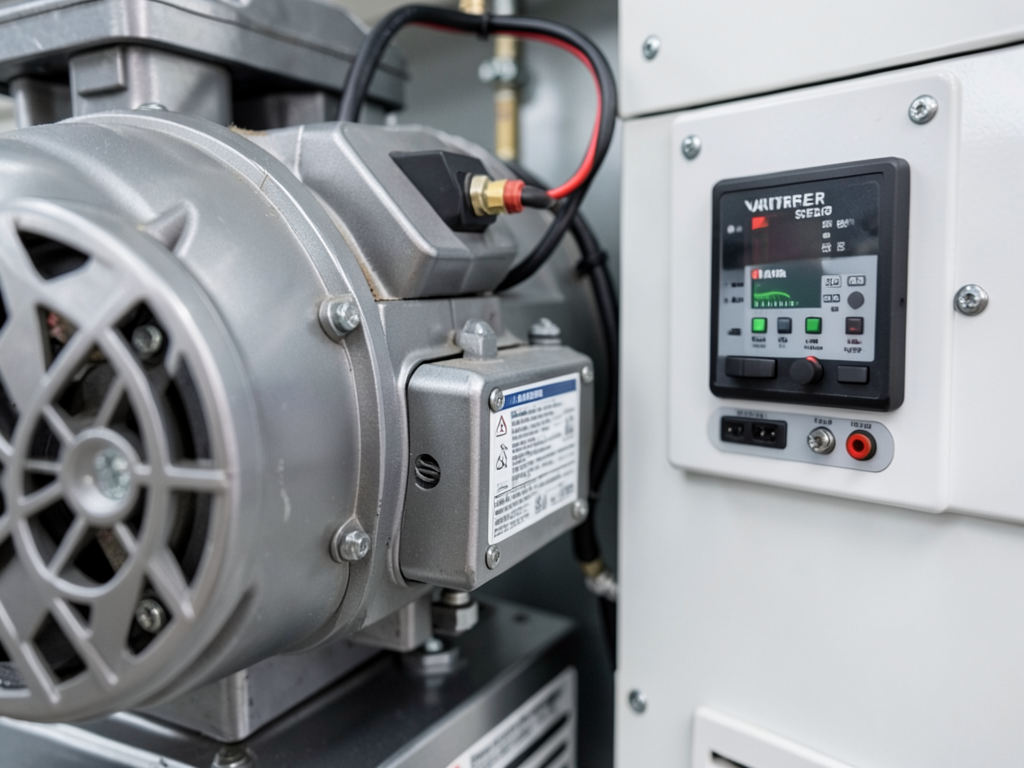
The key component is the inverter-driven compressor. This technology modulates the compressor’s speed by varying the frequency of electrical power supplied to the motor. Instead of the jarring on-off cycles of traditional systems variable speed units provide smooth continuous operation that maintains precise temperature control.
Benefits Specific to Garden Ridge Weather
Garden Ridge’s location in the Texas Hill Country creates unique cooling challenges. The area experiences higher humidity than downtown San Antonio due to its proximity to the Guadalupe River and numerous creeks. This moisture in the air makes temperatures feel hotter and creates perfect conditions for mold growth.
Variable speed systems excel at humidity control. By running longer at lower speeds they remove more moisture from the air without overcooling your home. A traditional AC might cool the air quickly but shut off before adequately dehumidifying. Variable speed units keep the air comfortable and dry typically maintaining indoor humidity between 45 and 55 percent.
The technology also handles Garden Ridge’s temperature fluctuations better. Summer mornings might start at 75 degrees but climb to 103 by afternoon. Variable speed systems can gradually increase their output to match rising temperatures preventing the dramatic temperature swings common with single-stage units.
Energy Savings and Cost Benefits
Homeowners often worry about the higher upfront cost of variable speed systems. Yes but the energy savings typically offset this investment within three to five years. These systems use 20 to 40 percent less electricity than traditional units which adds up quickly during San Antonio’s long cooling season.
A typical 2500 square foot Garden Ridge home might see annual cooling costs drop from $1800 to $1200 after upgrading to a variable speed system. The exact savings depend on your home’s insulation windows and how often you run the AC.
Beyond direct energy savings these systems reduce wear and tear on components. The soft-start technology eliminates the power surge that occurs when traditional compressors start up. This extends the life of your system and reduces maintenance costs over time. NATE certification.
Installation Process and Requirements
Installing a variable speed system requires careful planning and sizing. Our technicians perform detailed Manual J load calculations to determine the exact cooling capacity needed for your home. This calculation considers factors like square footage ceiling height insulation levels window orientation and even the number of occupants.
The installation process includes evaluating your existing ductwork. Variable speed systems require proper duct design to operate efficiently. Undersized or leaky ducts can negate the benefits of the advanced technology. We inspect every component and make recommendations for any necessary modifications.
Most installations in Garden Ridge take one to two days. The process includes removing the old equipment installing the new indoor and outdoor units connecting refrigerant lines and programming the system for optimal performance. We also calibrate the thermostat and show you how to use the new features.
Local Rebates and Incentives
Garden Ridge homeowners can take advantage of several financial incentives when upgrading to variable speed systems. CPS Energy offers rebates for high-efficiency HVAC equipment through their Home Manager Program. Variable speed systems with SEER2 ratings of 18 or higher typically qualify for the maximum rebate amount. CPS Energy rebates.
The federal government provides tax credits for qualifying energy-efficient home improvements. The Energy Efficient Home Improvement Credit allows you to claim 30 percent of the cost of qualified equipment up to $1200 per year. Variable speed heat pumps and central air conditioners installed in 2026 qualify for these credits.
Some Garden Ridge residents may also qualify for additional incentives through GVEC (Guadalupe Valley Electric Cooperative) if they live in areas served by that utility. These programs change annually so we help you navigate the current offerings and complete all necessary paperwork.
Smart Home Integration
Modern variable speed systems integrate seamlessly with smart home technology. Most manufacturers offer Wi-Fi enabled thermostats that allow you to control your system from anywhere using a smartphone app. You can adjust temperatures monitor energy usage and even receive maintenance alerts remotely. Commercial Maintenance Agreements.
These systems also work with popular smart home platforms like Amazon Alexa Google Home and Apple HomeKit. Voice commands let you adjust temperatures without touching the thermostat. Some systems can even learn your schedule and automatically adjust settings to maximize comfort and efficiency.
For Garden Ridge’s frequent travelers and second-home owners remote monitoring provides peace of mind. You can check on your system while away and ensure it’s operating efficiently potentially preventing costly problems from developing unnoticed.
Maintenance Requirements
Variable speed systems require regular maintenance to perform at their best. The good news is that their advanced diagnostics often catch problems early before they become major repairs. Most manufacturers recommend professional maintenance twice yearly once before cooling season and once before heating season. Stone Oak AC Repair Services That Can Actually Handle the Texas Heat.
During maintenance visits technicians check refrigerant levels clean coils inspect electrical connections and verify that all components are operating within specifications. The variable speed technology includes self-diagnostic features that store error codes making troubleshooting faster and more accurate.
Homeowners should also perform simple monthly tasks like replacing air filters and keeping outdoor units clear of debris. The advanced filtration systems in variable speed units trap more particles so filters may need changing more frequently than with traditional systems.
Common Misconceptions
Some Garden Ridge homeowners hesitate to upgrade due to misconceptions about variable speed technology. One common myth is that these systems are only beneficial in extremely hot climates. In reality they provide benefits in all weather conditions by maintaining consistent temperatures and improving air quality.
Another misconception is that variable speed systems are too complicated for the average homeowner to operate. Modern controls are actually more user-friendly than ever with intuitive interfaces and smart features that handle many adjustments automatically.
Some people worry that the longer run times of variable speed systems will increase wear. However the opposite proves true. The soft-start technology and consistent operation reduce stress on components compared to the frequent cycling of traditional units.
Comparing to Two-Stage Systems
Two-stage systems represent a middle ground between traditional single-stage units and variable speed technology. They offer high and low settings rather than the full range of variable speed systems. While two-stage units provide some benefits over single-stage they don’t match the efficiency and comfort of true variable speed technology.
The main difference lies in granularity. A two-stage system might run at 65 percent or 100 percent capacity. Variable speed systems can operate at any level between 25 and 100 percent allowing for much more precise temperature control and energy savings.
For Garden Ridge’s climate where humidity control is crucial variable speed systems provide superior performance. The ability to run at very low speeds for extended periods makes a significant difference in moisture removal and overall comfort.
Why Choose Professional Installation
Variable speed technology requires expertise to install and configure properly. The systems include sophisticated controls that must be programmed based on your specific home’s characteristics. Incorrect installation can result in poor performance higher energy bills and premature system failure.
Our technicians hold NATE certification and have completed manufacturer training on the latest variable speed systems. We use specialized tools to measure airflow check refrigerant charge and verify that all components communicate correctly. This attention to detail ensures you get the full benefits of your investment.
We also provide comprehensive warranties on both equipment and labor. Our installation includes a full system check before we consider the job complete ensuring everything operates exactly as designed.
Is a Variable Speed System Right for Your Home?
Variable speed systems work well for most Garden Ridge homes but they’re particularly beneficial in certain situations. If you have a two-story home with upstairs rooms that stay hot variable speed technology can help balance temperatures throughout your house.
Homeowners who prioritize indoor air quality also benefit significantly. The advanced filtration and continuous air circulation of variable speed systems remove more allergens dust and other particles from your home’s air.
If you’re planning to stay in your Garden Ridge home for more than five years the energy savings and improved comfort make variable speed systems an excellent investment. The technology also adds value if you decide to sell as buyers increasingly recognize the benefits of high-efficiency HVAC systems.
Call (726) 259-0059 Today to Schedule Your Inspection
Don’t wait until your current system fails during a summer heatwave. Call (726) 259-0059 today to schedule a free in-home consultation. Our experts will evaluate your home’s cooling needs explain your options and help you understand the potential energy savings of upgrading to a variable speed system.
We serve all of Garden Ridge and the surrounding Comal County area. Whether you live near the Natural Bridge Caverns in the Forest Ridge neighborhood or anywhere else in the community we’re ready to help you achieve better comfort and lower energy bills with variable speed technology.
Frequently Asked Questions
How much does a variable speed AC system cost in Garden Ridge?
Variable speed systems typically cost $1500 to $3000 more than comparable single-stage units. However energy savings and available rebates often offset this difference within a few years. We provide detailed quotes based on your home’s specific requirements.
Can I keep my existing thermostat with a new variable speed system?
Most variable speed systems require compatible thermostats to access all features. We typically recommend upgrading to a manufacturer-approved thermostat that can communicate with your new system and provide optimal performance.
How long do variable speed AC systems last?
With proper maintenance variable speed systems typically last 15 to 20 years. The gentler operation and advanced diagnostics often result in longer lifespans compared to traditional units that might need replacement after 10 to 15 years.
Do variable speed systems work with existing ductwork?
In most cases yes. However we evaluate your ductwork during the assessment process. Some homes may benefit from duct modifications to maximize the efficiency of the new system. We’ll explain any recommendations and associated costs before proceeding.