
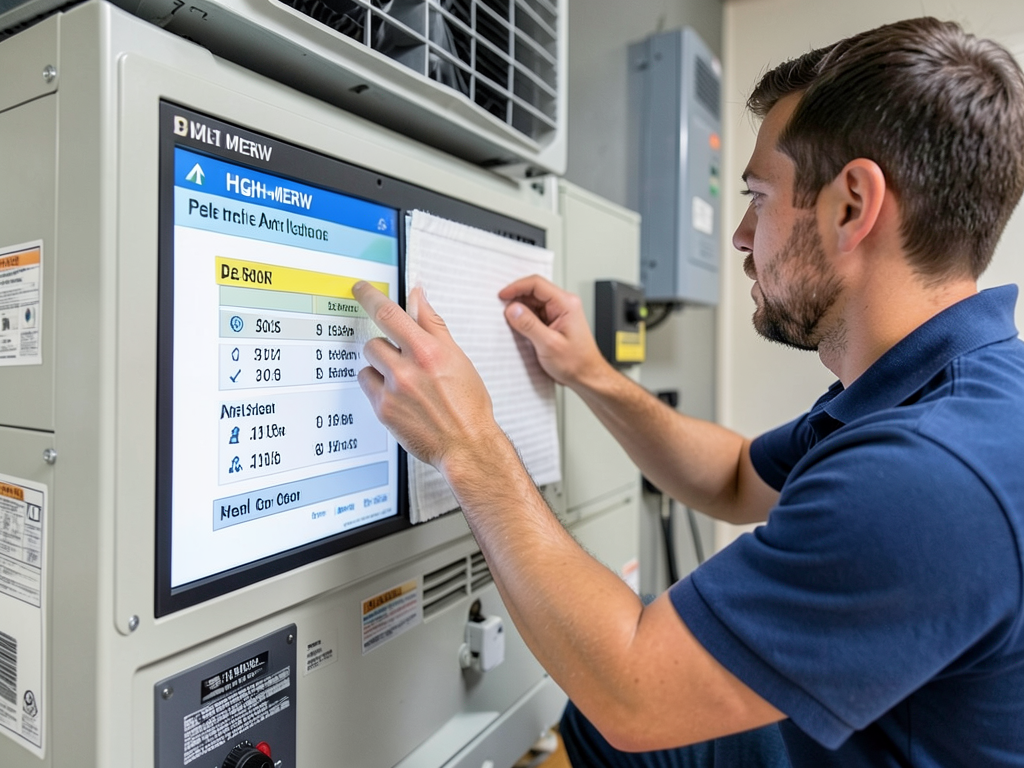
Cedar fever hits Northwest Crossing hard every winter. Your HVAC filter might be doing more harm than good if it is not designed to handle the microscopic pollen from Ashe Juniper trees that blanket this area. Mountain Cedar pollen measures just 20-30 microns and can slip right through standard filters. Your system needs specialized filtration to keep indoor air clean during peak season.. Read more about Improving Indoor Air Quality for Families with Small Children in Braun Station.
The problem is not just the pollen size. Standard MERV 8 filters trap larger particles but allow most allergens to pass through. Your system also needs proper airflow to function. A filter that is too dense restricts airflow and can damage your blower motor. This creates a difficult balance between filtration and system performance.
Why Cedar Fever (Mountain Cedar) Requires Specific Filtration
Ashe Juniper trees dominate the Hill Country landscape around Northwest Crossing. These trees release massive amounts of pollen during December through February. The pollen grains are so small they appear as a yellow cloud when released. Wind carries them for miles, turning your home into a trap for these microscopic invaders.
Standard HVAC filters catch dust and larger debris but miss most pollen. Mountain Cedar pollen requires MERV 11 or higher filtration to be effectively trapped. The tiny size means these particles behave more like gases than typical dust. They flow through your ductwork and settle on every surface in your home.
Northwest Crossing homes built in the 1990s and early 2000s often have HVAC systems not designed for high-efficiency filtration. The older ductwork and smaller blowers struggle with dense filters. This creates a dilemma for homeowners trying to reduce allergy symptoms.
Understanding MERV Ratings for Pollen Control
MERV ratings measure filter efficiency. MERV 8 filters catch about 90% of particles 3-10 microns in size. Mountain Cedar pollen at 20-30 microns should be caught easily, but the irregular shape and electrostatic charge allow many particles to slip through.
MERV 11 filters trap about 95% of particles 1-3 microns and nearly all particles above 3 microns. This provides much better protection against cedar pollen. MERV 13 filters offer the highest residential protection, capturing 90% of particles as small as 0.3 microns.
The trade-off is airflow restriction. Higher MERV ratings create more resistance. Your system must work harder to pull air through dense filters. This increases energy costs and can shorten equipment life. Homes in Northwest Crossing with older HVAC systems may need system modifications to use high-MERV filters effectively.
| Filter Type | MERV Rating | Pollen Capture | Airflow Impact | Best For |
|---|---|---|---|---|
| Standard Pleated | 8 | 30-50% | Minimal | Basic dust control |
| Enhanced Pleated | 11 | 80-90% | Moderate | Cedar fever sufferers |
| High-Efficiency | 13 | 95%+ | Significant | Severe allergies |
Beyond Filters: Whole-Home Air Purifiers and Scrubbers
Sometimes filtration alone is not enough. Whole-home air purifiers work with your existing HVAC system to provide hospital-grade air cleaning. These systems use multiple technologies to capture and neutralize allergens.. Read more about Comparing Air Duct Cleaning and Professional Aeroseal Duct Sealing for Older Homes in Los Angeles Heights.
UV germicidal lights installed in your ductwork kill mold, bacteria, and viruses. The UV-C light disrupts the DNA of microorganisms, preventing them from reproducing. This technology works continuously as air passes through your system.
Electronic air cleaners use electrostatic attraction to trap particles. These systems charge airborne particles as they pass through, then collect them on oppositely charged plates. They can capture particles as small as 0.01 microns.
Activated carbon filters absorb odors and volatile organic compounds. These filters use a bed of activated carbon to trap gases that standard filters miss. They are particularly effective for removing the musty smell that can develop when pollen accumulates in ductwork.
HVAC Maintenance Tips for San Antonio’s Winter Pollen Peak
During cedar fever season, your HVAC system needs extra attention. Replace standard filters every 30 days instead of every 90 days. This prevents the filter from becoming overloaded and restricting airflow.
Clean your outdoor condenser unit regularly. Pollen accumulation on the coils reduces efficiency and can cause the system to freeze up. Use a garden hose with gentle pressure to rinse away pollen buildup.
Check your evaporator coil monthly. The moist environment inside your air handler is perfect for mold growth when combined with pollen. A dirty coil reduces cooling efficiency and can spread allergens through your home.
Consider scheduling a professional duct cleaning if you notice dust accumulation around vents or experience increased allergy symptoms. Professional cleaning removes built-up debris that regular filter changes miss.
Monitor your energy bills. A sudden increase during winter could indicate your system is working harder due to restricted airflow from a dirty filter or clogged coils.
Frequently Asked Questions about Cedar Fever and IAQ
How often should I change my filter during cedar fever season?
Change standard filters every 30 days during December through February. High-efficiency filters may last up to 60 days, but check them monthly for visible dirt buildup.
Can cedar fever symptoms be reduced with HVAC upgrades?
Yes. Upgrading to MERV 11 or 13 filtration can significantly reduce indoor pollen levels. Adding UV lights or electronic air cleaners provides even better protection for severe sufferers.
Why does my HVAC system seem to struggle more during cedar season?
Pollen accumulation on coils and in filters restricts airflow. Your system must work harder to maintain temperature, leading to longer run times and higher energy bills.
Are HEPA filters worth it for cedar fever?
HEPA filters capture 99.97% of particles but require system modifications. Most residential HVAC systems cannot handle the airflow restriction of true HEPA filtration without significant upgrades. EPA indoor air quality guidelines.
How can I tell if my filter is working properly?
Check for visible dirt on the filter surface. If light passes easily through the filter, it is likely not capturing enough particles. Also monitor your allergy symptoms indoors versus outdoors.
Diagnostic Steps for Cedar Fever Relief
Start with a professional IAQ assessment. A technician uses specialized tools to measure particle counts and identify problem areas in your home. This diagnostic process reveals whether your current system is adequate for your needs.
Test your system’s static pressure. This measurement shows if your filter is creating too much resistance. High static pressure indicates restricted airflow that can damage your blower motor over time.
Inspect your ductwork for leaks. Gaps in duct connections allow unfiltered air to enter your system. Even small leaks can let in significant amounts of pollen and dust.
Evaluate your home’s air exchange rate. Homes built to modern energy codes are very tight. Without proper ventilation, indoor air quality suffers even with good filtration.
Consider a whole-home humidifier. Proper humidity levels between 30-50% make your respiratory system more resistant to allergens and help your body filter out particles naturally.
Monitor pollen counts through local weather reports. San Antonio’s allergy forecast can help you prepare for high-pollen days by changing filters or running air purifiers more frequently.. Read more about Dealing with South San Antonio Dust and How It Wears Down Your HVAC System.
The Cost of Doing Nothing
Ignoring cedar fever impacts more than comfort. Extended exposure to allergens can lead to sinus infections, chronic fatigue, and reduced productivity. The economic cost of missed work and medical treatments often exceeds the price of HVAC upgrades.
System damage from restricted airflow adds another cost layer. Blower motors running against high static pressure burn out prematurely. Coils become coated with debris, reducing efficiency by up to 30%. These repairs cost hundreds to thousands of dollars. Stone Oak AC Repair Services That Can Actually Handle the Texas Heat.
Energy waste compounds the problem. A system fighting through dirty filters and clogged coils can use 20-40% more electricity. In San Antonio’s climate, this means higher bills for eight months of the year, not just during cedar season.
Property values can also suffer. Homes with chronic indoor air quality issues become harder to sell. Buyers increasingly test for allergens and air quality before purchasing.
Call (726) 259-0059 Today to Schedule Your Inspection
Don’t let cedar fever control your life this winter. Our technicians understand the specific challenges Northwest Crossing homes face during Mountain Cedar season. We can test your current system, recommend appropriate upgrades, and install solutions that actually work for our local pollen conditions.
Pick up the phone and call (726) 259-0059 before the next storm hits. The peak of cedar season is coming, and waiting means more days of misery. Our team provides honest assessments and practical solutions that fit your budget and your home’s specific needs.
Call (726) 259-0059 now to breathe easier this winter. Your family deserves clean air, and your HVAC system can deliver it with the right equipment and maintenance plan. For more information, visit ASHRAE filtration standards.
You may also find this helpful. Common HVAC Problems We See in 1980s Era Homes Across Heritage Northwest.