
Why San Antonio Hard Water and Heat are a Brutal Combination for Your HVAC System
The combination of San Antonio’s extreme summer heat and mineral-rich water from the Edwards Aquifer creates a perfect storm that silently destroys HVAC systems. Local homeowners face higher energy bills, more frequent breakdowns, and shorter equipment lifespans due to this unique regional challenge. San Antonio Water System water quality reports.
The Edwards Aquifer Mineral Content That’s Attacking Your HVAC
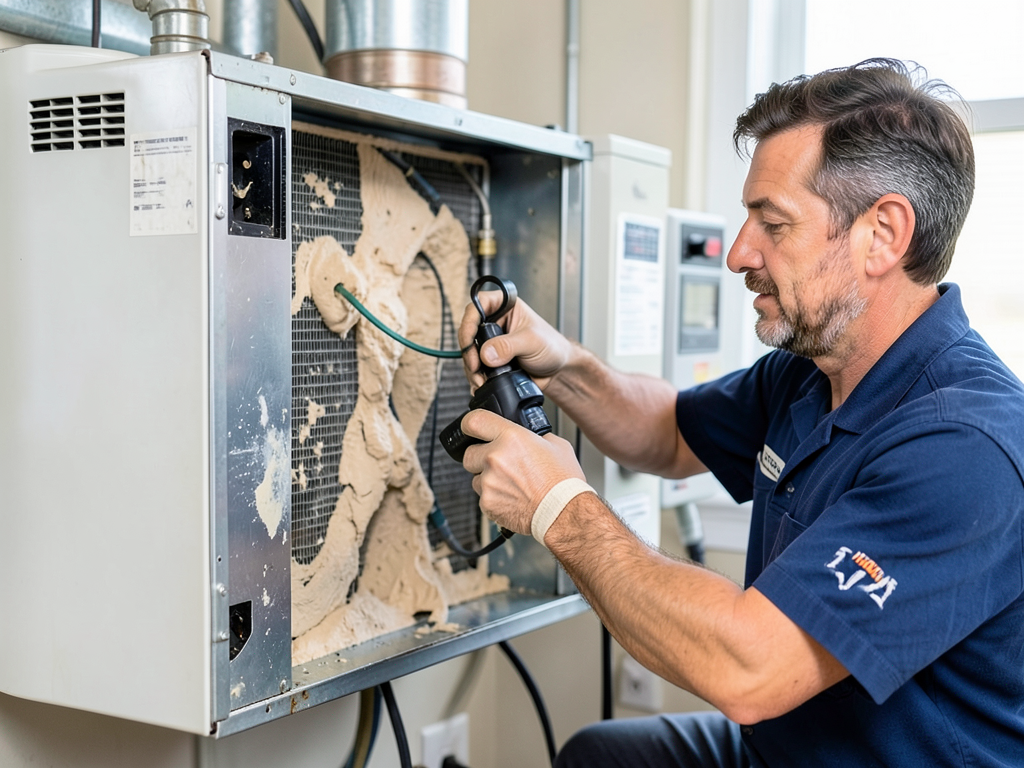
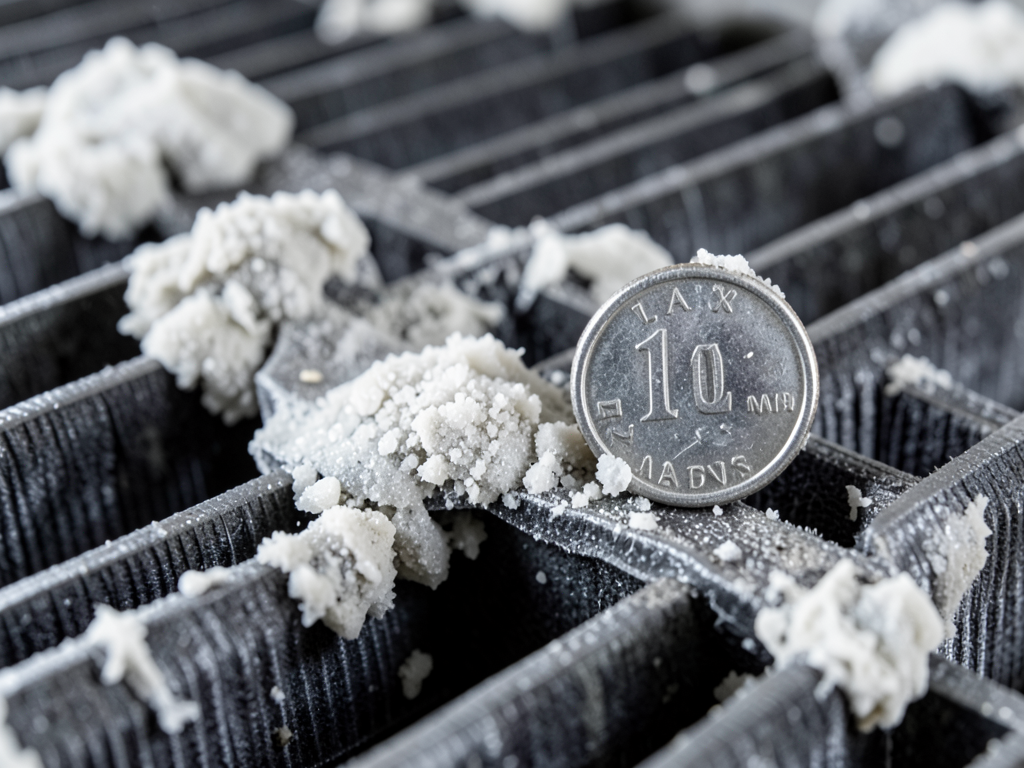
San Antonio’s water comes from the Edwards Aquifer, which contains high levels of calcium carbonate and magnesium. These minerals create what technicians call the ‘San Antonio Scale’ – a chalky white buildup that forms when hard water is heated or evaporates on HVAC components.
Water hardness in Bexar County typically measures 15-20 grains per gallon, which is considered extremely hard. This mineral concentration is significantly higher than the national average of 7-10 grains per gallon.
Three Ways Hard Water Destroys HVAC Efficiency
Scale Buildup in Heat Exchangers
When hard water flows through your HVAC system, minerals deposit on heat exchanger surfaces. This creates an insulating layer that forces your system to work harder to transfer heat. A quarter-inch of scale can reduce heat transfer efficiency by up to 40%, directly increasing your energy consumption.
Reduced Flow in Condensate Lines
Hard water minerals accumulate inside condensate drain lines, creating blockages that prevent proper moisture removal. When these lines clog, water backs up into your system, triggering safety switches that shut down your AC. This often happens during the hottest days when you need cooling the most.
Premature Component Failure in Hydronic Systems
For homes with hydronic heating or cooling systems, hard water causes scale buildup inside pipes and radiators. This restricts water flow, creates hot spots, and eventually leads to component failure. The constant cycling and pressure fluctuations from scale buildup significantly shorten equipment lifespan. Uneven Heating or Cooling.
The Hidden Cost: Hard Water and Your Monthly Energy Bills
Hard water scale acts like insulation on heat exchanger surfaces, forcing your system to run longer cycles to achieve the same cooling effect. This translates directly to higher electricity usage and increased utility bills.
Studies show that HVAC systems operating with significant scale buildup can use 15-30% more energy than clean systems. In San Antonio’s hot climate where AC runs constantly, this means hundreds of dollars in additional costs each summer.
Beyond energy costs, hard water causes more frequent maintenance needs. Scale buildup leads to more service calls, earlier component replacements, and ultimately shorter equipment lifespan – all of which add to the total cost of ownership. Commercial Maintenance Agreements.
Signs Your System is Suffering from Mineral Deposits
Hard water damage often shows subtle symptoms before catastrophic failure. Listen for unusual sounds like popping or knocking from your heat exchanger – these indicate scale is causing hot spots and uneven heating.
Notice if your system cycles more frequently than normal or if airflow feels weaker than usual. These can indicate scale is restricting water flow or air movement through the system.. Read more about How Frequent Power Fluctuations in the San Antonio Area Shorten Your AC Life.
Watch for lukewarm air from your vents even when the system runs continuously. This often means scale is preventing proper heat exchange. Also check for water pooling around your indoor unit, which indicates condensate line blockages from mineral buildup.
Preventative Solutions for San Antonio Homeowners
The most effective solution is installing a whole-house water softener. These systems remove calcium and magnesium before water enters your HVAC system, preventing scale formation. Modern softeners use either salt-based ion exchange or salt-free conditioning technology. Premium Air Conditioning Installation for The Dominion and Shavano Park Homes.
Regular descaling maintenance is essential for existing systems. Professional technicians use specialized acidic solutions to dissolve mineral deposits from heat exchangers, coils, and drain lines. This should be done annually in hard water areas.
Consider installing magnetic or electronic descalers on your main water line. While less effective than traditional softeners, these devices can reduce scale formation and are ideal for homes where salt-based systems aren’t practical.
Annual HVAC maintenance should include checking for scale buildup, cleaning affected components, and ensuring proper water chemistry. Technicians can also recommend specific treatments for your system based on your water quality test results.
Comparing Water Treatment Options for HVAC Protection
| Treatment Type | Initial Cost | Maintenance | Scale Prevention | Best For |
|---|---|---|---|---|
| Salt-Based Softener | $1,200-2,500 | Monthly salt refill, annual service | Excellent | Whole-house protection |
| Salt-Free Conditioner | $1,000-2,000 | Annual filter replacement | Good | Low-maintenance homes |
| Magnetic Descaler | $300-600 | None | Fair | Supplemental protection |
| Acid Feed System | $800-1,500 | Monthly chemical refill | Excellent | Commercial applications |
Local Water Quality and HVAC Longevity
San Antonio’s water hardness varies slightly by neighborhood due to different well sources and treatment facilities. Areas closer to the Edwards Aquifer recharge zone often have higher mineral content than those served by surface water treatment plants.
The San Antonio Water System publishes annual water quality reports that show exact mineral content by ZIP code. Homeowners in 78201, 78202, and 78205 typically see the highest hardness levels, while those in 78258 and 78259 may have slightly softer water.
Understanding your specific water quality helps determine the most effective treatment approach. A simple water test can reveal your exact hardness level and guide decisions about equipment protection.
The Bottom Line: Protecting Your Investment
San Antonio’s unique combination of extreme heat and hard water creates conditions that accelerate HVAC wear and tear. The minerals in our water form scale that reduces efficiency, increases energy costs, and leads to premature system failure.
Investing in water treatment and regular maintenance pays for itself through lower energy bills, fewer repairs, and extended equipment life. The cost of prevention is always less than the cost of emergency repairs during a 100-degree heatwave. EPA water heating efficiency guidelines.
Don’t wait until your system fails. Hard water damage happens gradually but accelerates over time. Early intervention can save thousands in repair costs and prevent the inconvenience of system failure during peak cooling season. Stone Oak AC Repair Services That Can Actually Handle the Texas Heat.
Frequently Asked Questions
How often should I descale my HVAC system in San Antonio?
Annual descaling is recommended for most San Antonio homes, but homes with extremely hard water may need service every 6-8 months. Your technician can test water hardness and recommend the appropriate schedule.
Can hard water damage my AC condenser coils?
Yes. Hard water minerals can accumulate on outdoor condenser coils, reducing heat rejection efficiency. This forces the system to work harder and can lead to compressor overheating. Regular coil cleaning helps prevent this damage.
Is a water softener worth the investment for HVAC protection?
Absolutely. A whole-house water softener typically pays for itself within 3-5 years through reduced energy costs, fewer repairs, and extended equipment life. In San Antonio’s hard water conditions, this is one of the best investments you can make for your home. Emergency AC Repair in Alamo Heights for When Your Unit Dies at Midnight.
What’s the difference between scale and corrosion?
Scale is mineral buildup from hard water, while corrosion is chemical deterioration of metal components. Hard water can accelerate both problems, but they require different treatment approaches. Scale can often be removed, while corrosion typically requires component replacement.
How do I know if my HVAC system already has scale damage?
Signs include reduced cooling capacity, longer run times, unusual noises, frequent cycling, and water leaks around the indoor unit. A professional inspection can confirm scale buildup and recommend appropriate treatment options.
Call (726) 259-0059 today to schedule your inspection and protect your HVAC system from San Antonio’s brutal combination of hard water and extreme heat. Don’t wait until your system fails during the next heatwave.