
How a San Antonio Blue Norther Puts Your Heating System to the Ultimate Test
When a Blue Norther barrels through San Antonio dropping temperatures 30 degrees in under an hour it exposes every weakness in your heating system. These sudden cold fronts from the Texas Panhandle bring more than just a chill. They reveal whether your furnace heat pump or hybrid system can actually handle the brutal combination of rapid temperature change high humidity and South Texas building construction quirks. Texas Commission on Environmental Quality.
Unlike gradual winter cooling that gives your system time to adjust a Blue Norther hits like a freight train. The pressure on your heating equipment becomes immediate and severe. Your system must ramp up from idle to maximum capacity in minutes. This is when cracked heat exchangers show their true colors when refrigerant lines that were barely holding on finally fail and when undersized equipment simply gives up. Uneven Heating or Cooling.
The 2021 winter storm taught San Antonio homeowners a harsh lesson about heating system preparedness. Many discovered their perfectly functioning summer AC units could not handle sustained freezing temperatures. The rapid cycling stress of a Blue Norther creates similar conditions on a smaller scale but with the same devastating potential for system failure.
The Science Behind a Blue Norther and Your Heating System
A Blue Norther forms when a cold air mass from Canada or the Rocky Mountains collides with warm moist air from the Gulf of Mexico. The leading edge of this cold front moves at speeds up to 50 miles per hour creating a dramatic temperature drop that can feel like walking into a freezer. For your heating system this means going from zero demand to maximum capacity in under 30 minutes.
The stress on your system is threefold. First the electrical components must handle sudden power draw as the system ramps up. Second the mechanical parts experience rapid expansion and contraction as metal heats from near freezing to operating temperature. Third the air pressure changes force your system to work against unexpected drafts and infiltration through older San Antonio homes.
Many San Antonio homes built before 2000 lack proper insulation and weather sealing. When a Blue Norther hits these homes lose heat rapidly creating a negative pressure environment that forces your heating system to work overtime. The combination of poor envelope integrity and sudden temperature demand can push even well maintained systems past their limits.
Common Heating System Failures During Blue Norther Events
The most frequent failure during a Blue Norther is the heat exchanger crack. As metal expands rapidly microscopic cracks that were stable at normal temperatures suddenly open wide enough to allow dangerous carbon monoxide to escape. This is not a gradual failure but an immediate safety hazard that requires emergency shutdown.
Refrigerant leaks become catastrophic when a Blue Norther hits. The rapid temperature change causes metal lines to expand and contract at different rates than the brazing joints. A joint that held fine during gradual cooling will fail instantly when subjected to the Blue Norther stress test. The system loses its charge and stops heating entirely.
Electrical components face their own Blue Norther challenges. Capacitors that are nearing the end of their life cannot handle the sudden power surge when the system tries to start under maximum load. Contactors can arc and weld shut from the high inrush current. Control boards may reset or fail completely from voltage fluctuations that accompany the weather system.
The secondary heat strips in heat pump systems often fail during Blue Norther events. These electric resistance heaters are designed for emergency backup but many homeowners never test them until the Blue Norther hits. When the primary heat pump cannot keep up and the strips fail to activate the home becomes dangerously cold in minutes.
Diagnostic Tests We Perform During Blue Norther Season
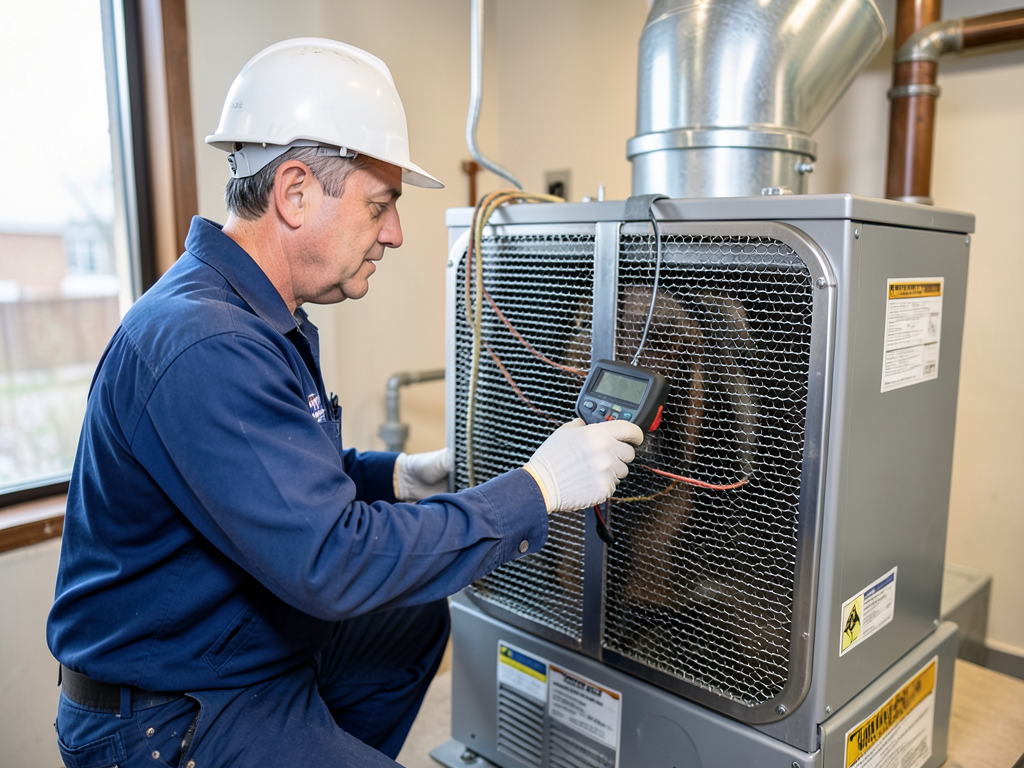
At Patriot HVAC we use a specific diagnostic protocol when inspecting systems after Blue Norther events. First we perform a combustion analysis on gas furnaces to check for carbon monoxide leaks that may have developed during the rapid temperature cycling. We measure oxygen levels and flue gas temperatures to identify heat exchanger stress.
Second we conduct a refrigerant pressure test under load conditions. Many leaks only show up when the system is running at maximum capacity during cold weather. We use electronic leak detectors and UV dye to find the exact location of any new leaks that appeared during the temperature shock.
Third we test all electrical components under simulated startup conditions. Using a megohmmeter we check insulation resistance on motors and compressors. We measure capacitor performance under load and inspect contactor contacts for signs of arcing or welding. These tests reveal weaknesses that standard maintenance might miss. Commercial Maintenance Agreements.
Fourth we perform a building envelope assessment. Using thermal imaging cameras we identify areas where cold air infiltration is forcing your system to work harder than necessary. We check attic insulation levels and inspect duct connections for leaks that become critical during Blue Norther conditions.
Heat Pumps vs. Gas Furnaces Blue Norther Performance
Heat pumps face unique challenges during Blue Norther events. As outdoor temperatures drop below 35 degrees the heat pump must work harder to extract heat from the already cold air. During a Blue Norther this transition happens so rapidly that many systems cannot adjust their defrost cycles quickly enough leading to ice buildup and system shutdown.
Gas furnaces generally perform better during the initial Blue Norther impact because they produce heat directly rather than extracting it from outside air. However older furnaces with standing pilot lights can be extinguished by the sudden pressure changes that accompany the cold front. Electronic ignition systems are more reliable but still face the heat exchanger stress issues.
Hybrid systems offer the best Blue Norther protection. These systems automatically switch between heat pump and gas furnace operation based on outdoor temperature. During a Blue Norther the system can select the most efficient heating method while avoiding the weaknesses of either system alone. The gas furnace handles the rapid temperature drop while the heat pump manages the recovery period.
The key difference is response time. Heat pumps need 15 to 30 minutes to adjust their operation for extreme cold while gas furnaces can reach full capacity in under 5 minutes. During a Blue Norther that 25 minute difference can mean the difference between a warm home and a freezing emergency.
Building Code Requirements for Blue Norther Preparedness
The 2021 International Residential Code adopted by San Antonio requires specific protections for heating systems in climate zone 2. Section M1301.2 mandates that all combustion air openings must be protected against wind and rain infiltration. During a Blue Norther these protections prevent the sudden pressure changes that can extinguish pilot lights or cause backdrafting.
Section M1305.1.1 requires that all gas appliances have proper venting with adequate rise to prevent downdrafts during high wind events. A Blue Norther creates wind speeds that can reverse flue gas flow if the venting is not properly designed. This code requirement becomes critical during these sudden cold fronts.
The Texas Department of Licensing and Regulation Rule 21.15 requires that all HVAC contractors performing work in San Antonio must be familiar with local weather patterns and their impact on system design. This means understanding how a Blue Norther affects system sizing and component selection for the South Texas climate.
Many older San Antonio homes were built before these code requirements existed. During a Blue Norther these homes often experience the worst system failures because they lack the basic protections that modern building codes mandate. Upgrading these systems requires not just new equipment but proper installation according to current standards.
Emergency Response Protocol for Blue Norther System Failures
When a Blue Norther hits and your heating system fails the first 60 minutes are critical. Your home loses heat at approximately 2 to 5 degrees per hour depending on insulation levels. Within 3 hours pipes can begin to freeze and within 6 hours indoor temperatures can drop below 40 degrees creating a serious health hazard.
Our emergency response protocol starts with immediate system assessment. We dispatch technicians with fully stocked service vehicles carrying the most common failure components. Each truck carries spare heat exchangers capacitors contactors and control boards specific to San Antonio system models.
We prioritize calls based on several factors. Homes with elderly residents young children or medical equipment take precedence. Next we address homes where outdoor temperatures are below 25 degrees since these conditions create the most immediate danger to both people and property.
During widespread Blue Norther events we establish a command center to coordinate technician deployment. We use GPS tracking to ensure the closest available technician responds to each emergency. We maintain a 24 hour hotline specifically for Blue Norther related heating failures because these events often occur overnight when temperatures drop most rapidly.
Preventive Maintenance Schedule for Blue Norther Season
The best defense against Blue Norther system failure is proper maintenance timed for the South Texas climate. Unlike northern states where heating season is predictable San Antonio requires a different approach. We recommend a specific maintenance schedule that accounts for our unique weather patterns.
Late September maintenance focuses on preparing for the first cold snap which often arrives as a Blue Norther. This service includes combustion analysis heat exchanger inspection and refrigerant charge verification. We also test all safety controls and emergency heat functions since these are often unused until the first major cold front.
Early December maintenance catches any issues that developed during the first cold weather period. By this time we have seen which systems struggled with the initial temperature drops and can address problems before the deeper winter cold arrives. This service emphasizes electrical component testing and duct system inspection.
Mid January maintenance prepares for the coldest part of our season when Blue Northers are most frequent and severe. We perform detailed airflow analysis and verify that all zoning systems are functioning properly. This is also when we check for any new building code requirements that may affect system operation.
Each maintenance visit includes a specific Blue Norther readiness checklist. We verify that all safety switches function properly that emergency heat activates when needed and that the system can handle a 30 degree temperature rise in under 15 minutes. These tests simulate Blue Norther conditions before they occur.
Cost Factors for Blue Norther Ready Systems
Building a heating system that can withstand Blue Norther conditions requires specific design considerations that affect overall cost. The primary factor is system capacity. A system sized for average San Antonio winter conditions will struggle during a Blue Norther while a properly sized system maintains comfort without excessive energy use.
High efficiency furnaces with modulating burners cost 15 to 20 percent more than standard units but provide better Blue Norther performance. These furnaces can adjust their heat output in small increments rather than simple on off operation. This allows them to respond more smoothly to the rapid temperature changes of a Blue Norther.
Heat pump systems require auxiliary heat capacity equal to at least 70 percent of the primary heating capacity for Blue Norther reliability. This means larger electrical service upgrades and higher installation costs. However the energy savings during normal operation often offset the initial investment within 3 to 5 years.
Duct system design significantly impacts Blue Norther performance. Systems with proper zoning and variable speed blowers cost more to install but maintain even temperatures throughout the home during rapid weather changes. The additional cost typically ranges from 10 to 15 percent but provides superior comfort and efficiency.
The long term cost benefit becomes clear when comparing system lifespan. Blue Norther ready systems experience less stress during extreme weather events extending their operational life by 3 to 5 years compared to standard systems. This longevity often justifies the initial investment even without considering the improved comfort and reliability.
Indoor Air Quality During Blue Norther Events
Blue Norther events create unique indoor air quality challenges that many homeowners overlook. As the cold front moves through it often brings with it high winds that stir up dust and allergens. When your heating system suddenly activates it can distribute these particles throughout your home if proper filtration is not in place.
The rapid temperature change also affects humidity levels. As your heating system works to warm the cold dry air entering your home relative humidity can drop below 30 percent. This creates conditions that irritate respiratory passages and make your home feel colder than it actually is. Many people compensate by raising the thermostat creating a cycle of energy waste.
Gas heating systems can produce additional indoor air quality concerns during Blue Norther operation. The high firing rates needed to combat the sudden cold can increase carbon monoxide production if the system is not properly maintained. This is why carbon monoxide detectors become especially important during these weather events.
Proper filtration becomes critical during Blue Norther conditions. Standard one inch filters cannot capture the increased particulate load that accompanies these weather systems. HEPA filtration or high efficiency media filters rated MERV 11 or higher are necessary to maintain healthy indoor air quality when your system is working overtime.
UV light systems installed in the ductwork provide additional protection during Blue Norther events. These systems kill airborne bacteria and viruses that may be circulated as your system responds to the sudden temperature change. The combination of proper filtration and UV treatment ensures your indoor air remains healthy even when outdoor conditions are extreme.
Smart Thermostat Optimization for Blue Norther Conditions
Smart thermostats offer specific features that improve Blue Norther performance but only if properly configured for the San Antonio climate. Standard factory settings are designed for northern climates where temperature changes are gradual. For Blue Norther conditions you need to adjust several key parameters.
The recovery time setting should be reduced from the default 30 minutes to 15 minutes or less. This allows your system to begin heating earlier when a Blue Norther is forecast. Most smart thermostats can access weather data and automatically adjust recovery times based on predicted temperature drops.
Emergency heat lockout temperatures need adjustment for South Texas conditions. While northern thermostats may lock out auxiliary heat until temperatures drop below 35 degrees San Antonio systems should allow earlier activation. This prevents the system from struggling during the initial Blue Norther impact when every minute matters.
Humidity control settings should be modified to maintain minimum levels during Blue Norther operation. Many smart thermostats can activate humidifiers when indoor humidity drops below set points. This prevents the dry air discomfort that often accompanies rapid heating and reduces the tendency to overcorrect by raising the thermostat.
Learning algorithms in smart thermostats need retraining for Blue Norther conditions. These systems learn your comfort preferences over time but may not recognize the unique patterns of a Blue Norther. Manually adjusting settings during the first few events helps the thermostat understand how to respond to these extreme conditions.
The geofencing features in many smart thermostats can also improve Blue Norther performance. By detecting when residents are returning home during a cold front the system can begin heating earlier ensuring a comfortable environment upon arrival. This feature is particularly valuable for unexpected Blue Norther events that occur during typical work hours.
Commercial Building Considerations for Blue Norther Events
Commercial buildings in San Antonio face additional Blue Norther challenges due to their size and usage patterns. Large office buildings retail spaces and warehouses have different heating requirements and failure modes compared to residential structures. The economic impact of heating system failure during a Blue Norther can be substantial.
Commercial rooftop units often lack the redundancy needed for Blue Norther reliability. When a sudden temperature drop occurs and one unit fails the remaining units must handle the entire load. This can create a cascade failure where multiple units shut down due to overload. Proper system design includes built in redundancy for these weather events.
Commercial buildings typically have higher infiltration rates due to frequent door usage and larger surface areas. During a Blue Norther this increased air exchange rate can overwhelm standard heating systems. Make up air units and proper pressurization become critical to maintain comfortable temperatures and prevent cold drafts.
The electrical infrastructure in many older commercial buildings cannot handle the simultaneous startup of all heating units during a Blue Norther. This creates voltage drops that can damage sensitive equipment and trigger breaker trips. Staggered startup sequences and proper electrical system design prevent these issues.
Commercial maintenance requirements differ from residential systems. While homeowners might notice a heating problem within hours commercial tenants may not report issues until the next business day. This delay can turn a minor problem into a major failure during a Blue Norther event. Regular proactive maintenance is essential for commercial buildings.
Building automation systems in commercial properties need specific programming for Blue Norther conditions. Standard energy saving algorithms may not respond quickly enough to sudden temperature drops. Override programs that recognize Blue Norther patterns and adjust system operation accordingly prevent comfort complaints and potential equipment damage.
Future Technology for Blue Norther Protection
Emerging heating technologies promise better Blue Norther protection through improved response times and system intelligence. Variable refrigerant flow systems with enhanced cold climate operation can maintain heating capacity at temperatures below 0 degrees Fahrenheit. These systems use advanced compressors and refrigerant circuits to extract heat even from extremely cold air.
Thermal energy storage represents another promising technology for Blue Norther protection. These systems store heat during off peak hours and release it rapidly when needed. During a Blue Norther the stored thermal energy can provide immediate heating capacity while the primary system ramps up to full operation.
Artificial intelligence integration in heating systems will revolutionize Blue Norther response. Future systems will use weather forecast data to pre condition themselves before a cold front arrives. Machine learning algorithms will predict component failures before they occur allowing preventive replacement of parts likely to fail during extreme temperature changes.
Advanced materials science is producing heat exchangers that can withstand greater thermal stress without cracking. These new alloys and composite materials expand and contract more uniformly reducing the stress that causes heat exchanger failure during rapid temperature changes. Initial testing shows 40 percent improvement in thermal shock resistance.
Building envelope improvements will also contribute to Blue Norther protection. Smart windows that adjust their insulation properties based on outdoor temperature can reduce the heating load during cold fronts. Phase change materials in walls and ceilings can absorb and release thermal energy smoothing out temperature fluctuations.
The integration of these technologies will create heating systems that not only survive Blue Norther events but use them as opportunities to demonstrate superior performance. The systems of the future will anticipate these weather patterns and adjust their operation to provide optimal comfort while minimizing energy use and wear on components.
Frequently Asked Questions
How long does a Blue Norther typically last in San Antonio?
Most Blue Norther events in San Antonio last between 12 and 24 hours. The initial temperature drop occurs within the first 1 to 3 hours followed by a period of sustained cold temperatures. The system usually moves through quickly but can leave behind freezing conditions for several days especially if it stalls over Central Texas.
Can I prevent my heating system from failing during a Blue Norther?
While you cannot control the weather you can prepare your system through proper maintenance and design. Annual professional maintenance before cold season is essential. Consider upgrading to a hybrid system if you currently have only a heat pump. Install carbon monoxide detectors and ensure your home has adequate insulation to reduce system stress.
What temperature should I set my thermostat during a Blue Norther?
Set your thermostat to your normal comfortable temperature rather than lowering it to save energy. During a Blue Norther your system will need to work hard regardless of the setback. Maintaining a consistent temperature actually reduces system stress compared to trying to recover from a large temperature difference.
How do I know if my heating system is Blue Norther ready?
Schedule a professional assessment before cold season. A qualified technician can evaluate your system capacity heat exchanger condition and overall readiness for extreme temperature changes. They should perform combustion analysis check refrigerant levels and verify that all safety controls function properly under load conditions.
Are there specific heating system brands that perform better during Blue Northers?
Some brands design their systems with better cold weather protection including enhanced compressor heaters and more robust heat exchangers. However proper sizing installation and maintenance are more important than brand choice. Focus on finding a qualified contractor familiar with San Antonio climate conditions rather than specific brand names.
What should I do if my heating system fails during a Blue Norther?
First ensure everyone stays warm and safe using alternative heat sources if necessary. Then call for emergency service immediately. Document the failure including when it occurred and any unusual symptoms. Avoid trying to repair complex heating issues yourself as this can create safety hazards especially with gas systems.
How much does it cost to upgrade to a Blue Norther ready system?
Upgrading to a system designed for Blue Norther conditions typically costs 15 to 25 percent more than standard replacement. This includes proper sizing high efficiency components and enhanced controls. However the improved reliability and comfort often justify the additional investment especially considering the potential costs of emergency repairs and discomfort during system failure.
Can my current system be modified to better handle Blue Norther events?
Some modifications can improve Blue Norther performance including adding auxiliary heat upgrading to a smart thermostat or improving duct insulation. However these changes have limitations. A professional assessment can determine which modifications provide the best return on investment for your specific situation and existing equipment condition.
Do Blue Norther conditions affect air conditioning systems too?
Yes Blue Norther events can damage air conditioning systems especially if they are running in heat pump mode. The rapid temperature changes can cause refrigerant line failures and compressor damage. This is why proper system design includes protection against both extreme heat and extreme cold even in San Antonio.
How often do Blue Norther events occur in San Antonio?
San Antonio typically experiences 2 to 4 significant Blue Norther events each winter with minor cold fronts occurring more frequently. The frequency varies by year with some winters seeing almost no major cold fronts while others experience multiple severe events. Historical data shows an average of 3 significant Blue Norther events per season.
Should I have a backup heating system for Blue Norther protection?
Having backup heat provides excellent protection during Blue Norther events. Options include portable electric heaters a fireplace with proper ventilation or a whole house generator to power your main system during electrical outages. The best choice depends on your home size existing infrastructure and budget for emergency preparation.
Conclusion
A Blue Norther is not just another cold front in San Antonio. It is a stress test that reveals whether your heating system is truly ready for the unique challenges of South Texas weather. These sudden temperature drops expose weaknesses that gradual seasonal changes might never reveal. From cracked heat exchangers to failed capacitors the failures that occur during Blue Norther events are often preventable with proper preparation.
The key to surviving a Blue Norther is understanding that your heating system faces conditions it was never designed to handle under normal circumstances. The rapid temperature change high winds and sudden pressure shifts create a perfect storm of stress on your equipment. By preparing for these events through proper maintenance system design and emergency planning you can ensure your home stays warm and safe even when the next Blue Norther blows through.
Don’t wait until the next Blue Norther hits to discover your heating system cannot handle the challenge. Call (726) 259-0059 today to schedule your Blue Norther readiness assessment. Our experienced technicians will evaluate your system condition test critical components and recommend any necessary upgrades to ensure you stay comfortable when the temperature drops suddenly. Pick up the phone and call (726) 259-0059 before the next storm hits. Your comfort and safety depend on it.
Related Resources
Learn more about preparing your home for San Antonio weather extremes: For more information, visit ASHRAE.
- Stone Oak AC Repair Services That Can Actually Handle the Texas Heat
- Premium Air Conditioning Installation for The Dominion and Shavano Park Homes
- Finding a Reliable AC Replacement Specialist in New Braunfels
- Emergency AC Repair in Alamo Heights for When Your Unit Dies at Midnight
- Fast Furnace Repair Services in Boerne for Those Random Hill Country Cold Snaps