How Frequent Power Fluctuations in the San Antonio Area Shorten Your AC Life
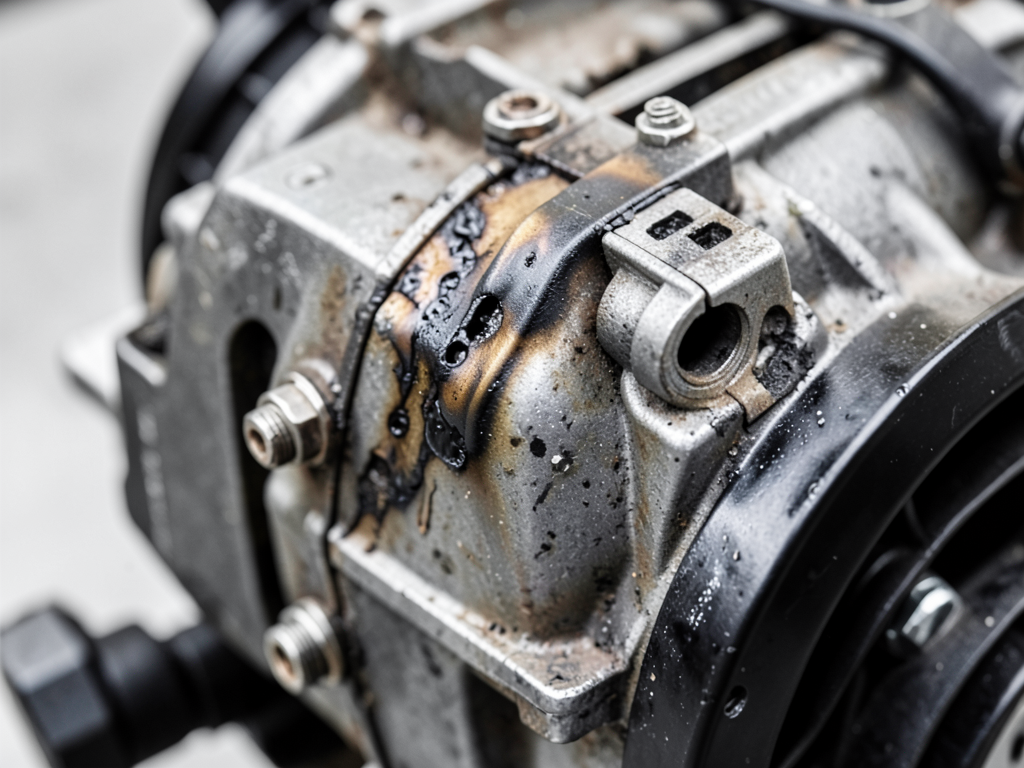
Power surges in San Antonio can destroy your air conditioning system in seconds. When CPS Energy’s grid struggles during 100-degree heat or South Texas thunderstorms hit voltage spikes travel through your home’s wiring and attack your AC’s most expensive components. Your compressor control board and capacitor can fail before you even realize there was a problem. Premium Air Conditioning Installation for The Dominion and Shavano Park Homes.
The unique combination of extreme summer heat Gulf moisture and aging infrastructure creates a perfect storm for electrical damage. San Antonio homes face more power fluctuation events than most U.S. cities with the ERCOT grid showing increased instability during peak demand months. These surges don’t just happen during lightning strikes – most occur when your AC cycles on or when other large appliances in your home create internal voltage spikes.
Modern high-efficiency AC units with inverter technology are especially vulnerable. The sensitive electronic controls that make these systems so efficient also make them more susceptible to even small voltage irregularities. A single surge can wipe out a $400 control board or a $2000 compressor leaving you without cooling during the hottest days of the year.
Why San Antonio Homes Are Prone to AC Power Surges
San Antonio’s electrical grid faces unique challenges that create frequent power fluctuations. CPS Energy serves over 1 million customers in the San Antonio area and during summer heat waves the system operates near maximum capacity. When everyone runs their AC at full blast the grid becomes unstable.
South Texas thunderstorms bring another layer of risk. Lightning strikes on power lines or transformers can send massive voltage spikes through the electrical system. Even if lightning doesn’t hit your home directly a strike within a mile can create a surge powerful enough to damage your AC unit.
The geography of Bexar County adds to the problem. The region’s clay soil can shift during heavy rains sometimes causing underground power lines to move or connections to loosen. These subtle changes create micro-surges that happen repeatedly over time slowly degrading your AC’s electrical components.
Older neighborhoods in San Antonio often have electrical infrastructure that wasn’t designed for today’s power demands. Homes built before 2000 may have outdated breaker panels that can’t handle the electrical noise from modern appliances and HVAC systems.
Signs Your AC Unit Has Suffered Surge Damage
Recognizing surge damage early can save you thousands in repair costs. Here are the warning signs that your AC has been hit by a power surge: Stone Oak AC Repair Services That Can Actually Handle the Texas Heat.
Tripped circuit breakers are often the first sign. If your AC breaker keeps tripping after a storm or power outage it’s trying to protect your system from damaged components. Don’t just reset it repeatedly – call a professional to check for underlying issues.
Burning smells from your outdoor unit indicate electrical components are overheating. This often happens when a surge damages the capacitor or control board. The smell is usually acrid and electrical not like burning dust.
Hearing your AC hum but not start suggests the compressor is locked up. Power surges can cause the compressor to seize preventing the fan from spinning even though you hear electrical activity.
A blank thermostat might seem like a battery issue but it can indicate a surge traveled through your control wiring and damaged the thermostat or indoor unit’s control board.
Intermittent cooling where your AC works sometimes but not others points to damaged electronic controls. The system may start normally but shut down unexpectedly as damaged components overheat.
The Difference Between Lightning Strikes and Internal Surges
Most people think lightning causes most AC damage but that’s actually false. Industry data shows that 80% of power surges affecting HVAC systems come from internal sources within your home.
External surges include lightning strikes downed power lines and grid fluctuations from CPS Energy. These create massive voltage spikes that travel through your main electrical panel and can destroy multiple appliances at once.
Internal surges happen constantly in your home. When your AC compressor turns on it draws a large amount of power suddenly. This creates a small voltage drop that other electronics feel. Over time these repeated small surges degrade sensitive components.
Other appliances create internal surges too. Your refrigerator washing machine and even microwave can send voltage spikes through your home’s wiring when they cycle on and off. These surges may be small but they add up over months and years.
The key difference is magnitude. External surges are rare but catastrophic while internal surges are common but gradual. Both types damage your AC but internal surges are the silent killer that most homeowners never think about.
Whole-Home Surge Protection vs. Plug-in Strips
Standard power strips won’t protect your air conditioner. Most plug-in surge protectors are designed for electronics like computers and TVs not the massive power demands of an AC system.
Whole-home surge protectors install directly at your main electrical panel. These devices can handle the high voltage and current that an AC unit draws. They protect your entire home’s electrical system not just one outlet.
For HVAC systems specifically you need protection at multiple points. A whole-home protector at the panel stops external surges but you also need protection at the AC disconnect switch outside. This second layer catches any surges that make it past the main protector.
Modern HVAC surge protectors use metal oxide varistors (MOVs) that can absorb thousands of joules of energy. When a surge hits these components sacrifice themselves to protect your AC’s expensive electronics.
The best protection combines whole-home protection with point-of-use protection at each major appliance. For your AC this means a protector at the electrical panel and another at the outdoor disconnect.
Cost of Repair vs. Prevention in San Antonio
Replacing a damaged AC component costs significantly more than preventing the damage. Here’s what San Antonio homeowners typically face:
| Component | Average Replacement Cost | Surge Protector Cost | ROI Timeline |
|---|---|---|---|
| Capacitor | $250 – $400 | $150 | Less than 1 year |
| Control Board | $400 – $800 | $200 | 3-6 months |
| Compressor | $1800 – $3500 | $300 | Immediate |
| Complete System | $4000 – $12000 | $500 | Immediate |
Beyond the direct repair costs consider the hidden expenses. Emergency service calls during heat waves cost 50-100% more than scheduled maintenance. You might need temporary housing if your AC is down for several days. Food spoils when your refrigerator loses power during electrical repairs. Emergency AC Repair in Alamo Heights for When Your Unit Dies at Midnight.
Many AC manufacturers now require whole-home surge protection to maintain warranty coverage. If a surge damages your unit and you don’t have proper protection the manufacturer may void your warranty leaving you to pay the full replacement cost.
How to Protect Your AC from Power Surges
Protecting your AC requires a multi-layered approach. Here’s how San Antonio homeowners can defend their cooling systems:
Install a whole-home surge protector at your main electrical panel. This is your first line of defense against external surges from CPS Energy’s grid or lightning strikes. A quality whole-home protector costs $200-400 installed.
Add protection at the AC disconnect outside your home. This device protects against surges that make it past the main panel and specifically guards your compressor and outdoor unit. Installation costs $150-300.
Upgrade your electrical panel if it’s more than 20 years old. Older panels can’t handle today’s electrical loads and may create their own internal surges. A panel upgrade costs $1000-2500 but improves overall home safety.
Schedule regular maintenance to check your AC’s electrical components. A technician can spot early signs of surge damage and replace vulnerable parts before they fail completely.
Consider an uninterruptible power supply (UPS) for your thermostat and control systems. While not practical for the entire AC unit protecting the control electronics can prevent damage to the most expensive components.
What to Do After a Power Outage or Storm
After a major storm or power outage in San Antonio take these steps to check your AC system:
Wait 10-15 minutes after power returns before turning on your AC. This allows the electrical system to stabilize and prevents additional stress on your compressor.
Check your breaker panel for any tripped breakers. If the AC breaker is tripped reset it once. If it trips again immediately don’t keep resetting – call a professional.
Listen for unusual noises when your AC starts. Humming without starting clicking sounds or loud vibrations can indicate surge damage.
Check for burning smells near your outdoor unit or electrical panel. If you smell anything unusual turn off the system and call for service.
Monitor your AC’s performance for the next 24-48 hours. If it’s not cooling properly cycling on and off frequently or making strange noises you may have hidden damage.
Call for professional inspection if you notice any problems or if your area experienced severe weather. A quick diagnostic check can catch issues before they become major failures.
Frequently Asked Questions
Does homeowners insurance cover surge damage to my AC?
Most standard homeowners policies cover lightning damage but not gradual wear from power fluctuations. You’d need equipment breakdown coverage for comprehensive protection. Check your policy details and ask about adding surge damage coverage.
How often should I replace my surge protectors?
Surge protectors degrade over time especially in areas with frequent fluctuations. Most whole-home protectors last 5-7 years. If you live in an area with frequent storms or unstable power consider replacing them every 3-5 years.
Can I install surge protection myself?
Whole-home surge protectors require working in your main electrical panel which is dangerous without proper training. Always hire a licensed electrician or HVAC professional for this work. DIY installation can create fire hazards and void warranties.
What’s the difference between a power strip and a surge protector?
Power strips just provide extra outlets. Surge protectors contain components that absorb excess voltage. Look for surge protectors with a high joule rating (at least 1000 for electronics much higher for AC systems).
How do I know if my AC already has surge damage?
Signs include frequent breaker trips burning smells humming without starting blank thermostats or intermittent cooling performance. A professional can test your system’s electrical components to identify hidden damage.
Don’t Wait Until It’s Too Late
Power surges are attacking your AC right now whether you realize it or not. The combination of San Antonio’s extreme heat Gulf thunderstorms and aging electrical infrastructure creates a constant threat to your cooling system. Every time your AC cycles on every time CPS Energy’s grid fluctuates your expensive components are under attack.
Modern AC units with inverter technology and smart controls are more efficient than ever but they’re also more vulnerable to electrical damage. A single power surge can destroy a $2000 compressor or a $400 control board leaving you without cooling during the hottest days of the year.
The solution is simple: whole-home surge protection installed by licensed professionals. For less than the cost of a single major repair you can protect your entire HVAC system for years to come. Don’t wait until your AC fails on a 105-degree day to realize you should have acted sooner. Fast Furnace Repair Services in Boerne for Those Random Hill Country Cold Snaps.
Call (726) 259-0059 today to schedule your surge protection consultation. Our licensed technicians will evaluate your home’s electrical system and recommend the right protection for your AC unit. We serve San Antonio Bulverde Schertz and all surrounding areas. Don’t let the next storm or power fluctuation destroy your air conditioning system – call now before it’s too late.
Pick up the phone and call (726) 259-0059 before the next storm hits. Your AC’s life depends on it.