How Those Beautiful Oak Trees in Northern Hills Might Be Choking Your AC Unit
The majestic oak trees that line the streets of Northern Hills create a picture-perfect neighborhood in San Antonio’s 78217 and 78247 zip codes. But those same trees that add charm and shade to your property might be silently sabotaging your air conditioning system. When oak leaves, pollen, and twigs accumulate on your outdoor condenser unit, they restrict airflow and force your AC to work harder than it should. This hidden debris buildup is a common problem in established neighborhoods like Northern Hills where mature trees drop material year-round. Premium Air Conditioning Installation for The Dominion and Shavano Park Homes.
Homeowners in Northern Hills often notice their energy bills creeping up during summer months without understanding why. The culprit might be sitting right outside your window: a condenser unit choked with organic debris from the very trees that make your neighborhood beautiful. Professional HVAC debris cleaning removes this buildup and restores your system’s efficiency, potentially saving you hundreds on cooling costs during San Antonio’s brutal summer heat.
Why Northern Hills Properties Face Unique HVAC Debris Challenges
Northern Hills sits in a unique microclimate within San Antonio. The neighborhood’s elevation changes and proximity to the Salado Creek watershed create conditions where oak trees thrive. These mature trees drop leaves, acorns, and pollen throughout the year, with peak debris seasons in spring and fall.. Read more about Managing Oak and Pecan Pollen Inside Your Woodlawn Lake Home This Spring.
The area’s specific soil composition also contributes to the problem. Northern Hills sits on the Balcones Escarpment where limestone bedrock sits close to the surface. This creates shallow root systems in many oak trees, causing them to drop more debris than trees in deeper soil areas. The constant breeze that flows through the neighborhood’s rolling terrain also carries debris directly onto outdoor HVAC units. Stone Oak AC Repair Services That Can Actually Handle the Texas Heat.
Local building codes in Northern Hills require specific setbacks for outdoor equipment, often placing condensers in areas where they catch maximum debris. The City of San Antonio’s 2021 International Energy Conservation Code mandates certain clearances, but doesn’t address the debris accumulation issue that plagues many established neighborhoods.
Signs Your AC Unit is Being Choked by Debris
Recognizing the symptoms of a debris-choked AC unit can save you from costly repairs. When oak tree material builds up on your condenser coils, your system shows specific warning signs that any experienced HVAC technician in Northern Hills would recognize immediately. EPA Section 608 regulations.
First, listen for unusual sounds. A healthy condenser should produce a steady hum. When debris restricts airflow, you might hear the compressor working harder, creating a strained or labored sound. The fan might also make clicking noises as it hits accumulated debris.
Second, check your energy bills. If your AC is running longer cycles without cooling your home effectively, debris buildup could be the cause. A system working against restricted airflow can use 15-25% more electricity, which shows up clearly on CPS Energy bills during summer months.
Third, feel the air coming from your vents. Weak airflow or warm air when the AC should be cooling indicates restricted heat exchange at the condenser. The system can’t reject heat effectively when debris blocks the coils.
Finally, inspect your outdoor unit. If you see visible leaf buildup, twigs caught in the fan guard, or a layer of pollen on the coils, your system needs professional cleaning. Don’t attempt to clean it yourself with a garden hose, as this can damage the fragile aluminum fins and void warranties.
The Professional HVAC Debris Cleaning Process
Professional debris cleaning for Northern Hills homes follows a specific process that goes beyond simple surface cleaning. Our NATE-certified technicians use specialized equipment and techniques developed specifically for the debris patterns found in San Antonio’s established neighborhoods.
The process begins with a complete system inspection. Technicians check refrigerant levels, electrical connections, and coil condition before cleaning. This diagnostic step identifies any existing damage from debris buildup or other issues that might affect cleaning methods.
Next comes the debris removal phase. Using HEPA-filtered industrial vacuums, technicians remove loose material from all surfaces. This includes acorns, twigs, leaves, and pollen that have accumulated in the condenser housing. The vacuum system captures debris without allowing it to scatter back onto your property.
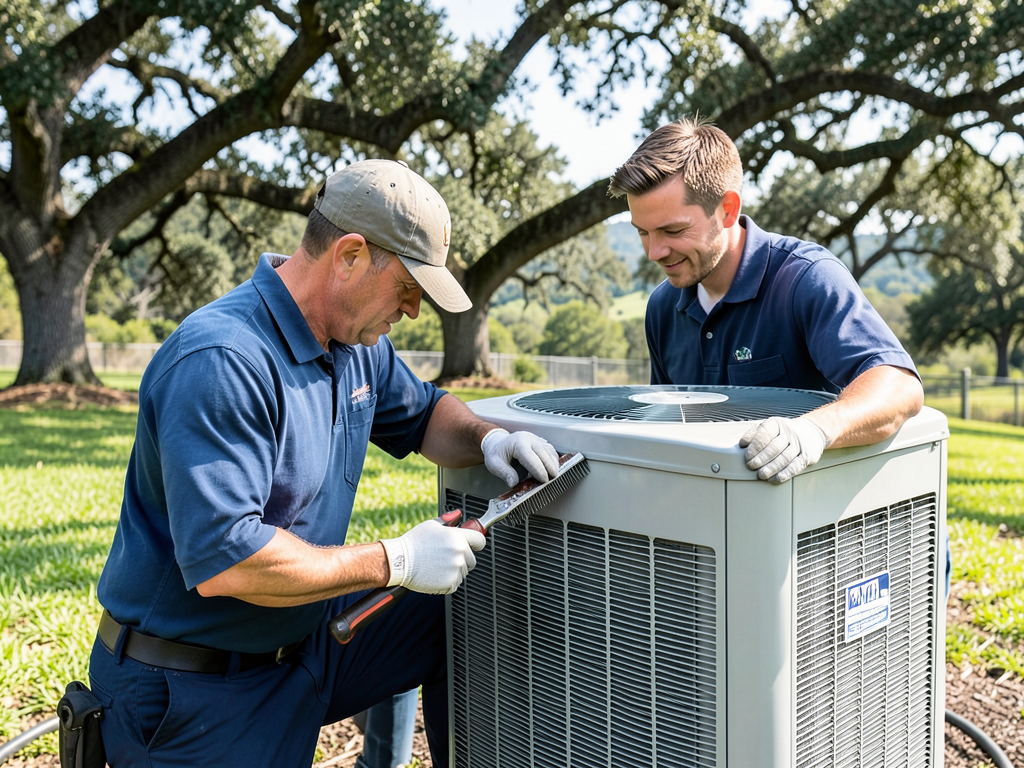
The coil cleaning step uses specialized foaming cleaners designed for outdoor condenser coils. These cleaners break down organic material without damaging the aluminum fins. Technicians apply the cleaner with low-pressure sprayers, allowing it to dwell for the proper contact time before rinsing.
Finally, the system undergoes a performance test. Using digital manifold gauges, technicians verify that refrigerant pressures have returned to optimal levels and that airflow has improved. This step ensures the cleaning has restored your system to peak efficiency.
Professional cleaning typically takes 60-90 minutes for a standard residential unit. The investment pays for itself through reduced energy consumption and extended equipment life. Most Northern Hills homeowners schedule this service annually, often in early spring before the cooling season begins.
Common Debris Types in Northern Hills AC Units
Understanding what types of debris affect your AC helps you recognize problems early. Northern Hills properties deal with several specific debris categories that require different cleaning approaches.
Oak leaves and acorns represent the most common debris. Live oak trees in Northern Hills retain leaves through winter, dropping them gradually throughout the year. This creates a constant source of material that can accumulate quickly during storms or high winds.
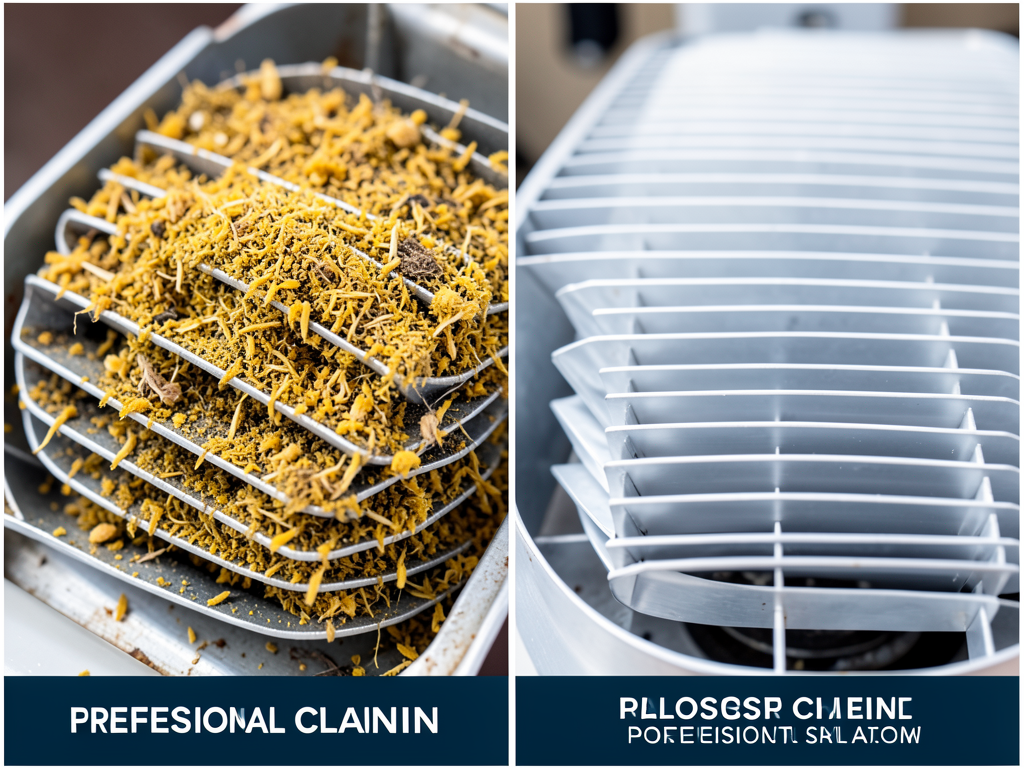
Pollen from oak trees creates a fine yellow dust that coats condenser coils. This pollen mixes with moisture to form a sticky substance that traps additional debris. The San Antonio area experiences high pollen counts from February through May, making this a year-round concern.
Twig and branch debris comes from both oak trees and the various ornamental trees planted throughout Northern Hills. These materials can get caught in fan guards and restrict blade movement, potentially causing motor damage if not removed promptly.
Dust and construction debris from ongoing development in surrounding areas like Stone Oak can also affect Northern Hills properties. This fine particulate matter settles on coils and combines with moisture to create an insulating layer that reduces heat transfer efficiency.
Animal debris, including bird nests and rodent activity, occasionally affects outdoor units. The mature trees in Northern Hills provide excellent habitat for birds and small animals that sometimes build nests in or around HVAC equipment.
How Debris Affects AC Efficiency and Energy Costs
The impact of debris on your AC system goes beyond simple airflow restriction. Understanding the physics of heat exchange helps explain why even small amounts of debris can dramatically increase your energy costs.
Your AC condenser works by rejecting heat absorbed from your home’s interior. The refrigerant cycles through the system, absorbing heat indoors and releasing it outdoors through the condenser coils. When debris covers these coils, it creates an insulating layer that prevents efficient heat transfer.
This inefficiency forces the compressor to run longer cycles to achieve the same cooling effect. A system that should complete a cooling cycle in 15-20 minutes might run for 30-40 minutes when debris restricts heat rejection. This extended runtime directly translates to higher electricity consumption.
The restricted airflow also affects the refrigerant’s operating temperature and pressure. When the condenser can’t reject heat effectively, refrigerant temperatures rise. This can cause the system to shut down prematurely or, in severe cases, lead to compressor failure from overheating.
Energy consumption increases follow a predictable pattern. A condenser with moderate debris buildup (visible but not severe) typically uses 15-20% more electricity. Heavy buildup can increase consumption by 30-40%. During San Antonio’s peak summer months, this translates to hundreds of dollars in additional electricity costs.
Beyond energy costs, debris buildup accelerates wear on system components. The compressor works harder, fan motors run hotter, and electrical connections experience more stress. This mechanical stress can reduce your AC’s lifespan by several years, costing thousands in premature replacement expenses.
Seasonal Considerations for Northern Hills Homeowners
Northern Hills experiences distinct seasonal patterns that affect HVAC debris accumulation. Understanding these patterns helps you schedule maintenance at optimal times and recognize when your system needs attention.
Spring brings the highest debris accumulation rates. Oak trees release massive amounts of pollen during March and April, creating yellow dust that coats everything, including your AC unit. Spring storms also bring down twigs and small branches, adding to the debris load.
Summer heat intensifies the problems caused by debris. When temperatures exceed 95 degrees, your AC works at maximum capacity. Any restriction from debris becomes more problematic because the system has less temperature differential to work with for heat rejection.
Fall brings another debris surge as live oaks drop their leaves and acorns. This period often sees the heaviest physical debris accumulation on outdoor units. Many Northern Hills homeowners schedule their annual cleaning during late September or October.
Winter provides a brief respite but creates its own challenges. Cold fronts can cause condensation on debris-covered coils, leading to freezing and potential coil damage. The reduced usage during cooler months means problems can develop unnoticed until summer arrives.
Year-round, the area’s humidity affects debris behavior. San Antonio’s Gulf moisture content means debris often stays damp, promoting mold and mildew growth on coils. This biological growth creates additional insulation and can cause unpleasant odors when the system operates.
DIY vs. Professional HVAC Debris Cleaning
Many Northern Hills homeowners wonder if they can handle debris cleaning themselves. While basic maintenance like clearing leaves from around the unit is helpful, professional cleaning offers significant advantages that protect your investment.
DIY cleaning typically involves using a garden hose to spray off visible debris. This approach has several limitations. First, residential water pressure isn’t sufficient to clean between the tight fins of modern condenser coils. Second, spraying water can drive debris deeper into the coil structure. Third, improper cleaning can bend the delicate aluminum fins, reducing efficiency even further.
Professional cleaning uses specialized equipment including fin combs that straighten bent fins, industrial-strength coil cleaners that break down organic material, and HEPA-filtered vacuums that capture debris without scattering it. Technicians also inspect electrical components and verify refrigerant levels during cleaning.
The EPA’s Section 608 regulations require specific handling of refrigerants and cleaning chemicals. Professional technicians hold the necessary certifications to comply with these regulations. DIY cleaning that affects refrigerant lines or uses improper chemicals can result in environmental violations and equipment damage.
Safety represents another consideration. Outdoor units contain high-voltage electrical components and rotating fan blades. Professional technicians use proper lockout/tagout procedures and personal protective equipment to prevent injury during cleaning.
Cost analysis shows professional cleaning pays for itself quickly. While DIY cleaning might save $100-150 upfront, the potential for equipment damage, reduced efficiency, and voided warranties makes professional service the better investment. Most Northern Hills homeowners find that professional cleaning pays for itself within one cooling season through energy savings.
Preventing Future Debris Accumulation
After professional cleaning, several strategies can help minimize future debris accumulation on your AC unit. These preventive measures are particularly important for Northern Hills properties where mature trees create constant debris sources.
Landscaping modifications can significantly reduce debris problems. Consider installing gravel or decorative stone beds around your condenser unit instead of mulch or soil. These materials don’t trap debris and make it easier to see when cleaning is needed. Maintain at least 2-3 feet of clear space around all sides of the unit.
Tree management plays a crucial role. While removing mature oak trees isn’t practical or desirable for most Northern Hills homeowners, strategic pruning can reduce debris. Focus on removing dead branches and thinning the canopy to improve airflow around your property. This also benefits the tree’s health.
Install a quality condenser cover for offseason protection. These covers allow moisture to escape while blocking debris accumulation during fall and winter months when your AC isn’t running regularly. Choose breathable materials that prevent condensation buildup.
Consider upgrading to a unit with enhanced debris protection features. Some modern condensers include features like louvered fan guards that prevent debris entry while maintaining optimal airflow. While this represents a significant investment, it can reduce maintenance needs for properties with heavy debris exposure.
Regular visual inspections help catch problems early. Check your unit monthly during peak debris seasons. Look for visible accumulation on coils, listen for unusual sounds during operation, and monitor your energy bills for unexplained increases. Early intervention prevents minor debris issues from becoming major problems.
Professional maintenance agreements provide the most comprehensive protection. These service plans include scheduled cleanings, inspections, and priority service when problems arise. For Northern Hills properties with mature trees, the cost of these agreements typically pays for itself through prevented repairs and improved efficiency. Emergency AC Repair in Alamo Heights for When Your Unit Dies at Midnight.
Energy Efficiency Improvements Beyond Debris Cleaning
While debris cleaning provides immediate efficiency improvements, several complementary upgrades can further reduce your energy costs and improve comfort in your Northern Hills home.
Smart thermostat installation optimizes your AC’s operation based on your schedule and preferences. These devices learn your patterns and adjust temperatures automatically, reducing runtime during unoccupied hours. Many Northern Hills homeowners see 10-15% energy savings after installation.
Attic insulation upgrades complement your AC’s efficiency. San Antonio’s building code requires minimum R-30 insulation, but upgrading to R-38 or higher can significantly reduce heat gain through your roof. This reduces the cooling load on your AC system.
Air duct sealing addresses another common efficiency issue. Leaking ducts can waste 20-30% of your cooled air before it reaches your living spaces. Professional duct testing and sealing can dramatically improve system performance and comfort.
Window treatments and solar screens reduce heat gain through windows. Northern Hills homes often feature large windows that showcase the beautiful surroundings but can increase cooling loads. Solar screens can block up to 90% of solar heat gain while maintaining views.
Regular filter changes maintain optimal airflow throughout your system. While debris on outdoor coils gets more attention, restricted indoor airflow from dirty filters forces your system to work harder. Replace filters every 30-90 days depending on your home’s dust levels and filter type.
Consider a whole-house energy audit to identify specific efficiency opportunities for your property. These audits use thermal imaging and airflow testing to pinpoint heat loss areas and system inefficiencies. Many CPS Energy rebates cover the cost of these audits for qualifying customers.
Local Building Codes and Regulations
Understanding local regulations helps ensure your HVAC work complies with Northern Hills and San Antonio requirements. The area’s specific building codes address several aspects of outdoor unit installation and maintenance.
The City of San Antonio’s 2021 International Energy Conservation Code requires specific clearances for outdoor HVAC equipment. Condenser units must maintain minimum distances from property lines, windows, and other structures. These requirements ensure proper airflow and noise control for neighboring properties.
Electrical code requirements under the National Electrical Code (NEC) Article 440 govern HVAC installations. These regulations address circuit sizing, disconnect requirements, and grounding. Professional installations must comply with these standards to pass inspection and maintain insurance coverage.
The Texas Department of Licensing and Regulation (TDLR) requires all HVAC work to be performed by licensed contractors. This includes debris cleaning that involves accessing internal components or handling refrigerants. Verify your service provider’s license number before allowing any work on your system. Texas Department of Licensing and Regulation.
EPA Section 608 regulations require proper handling of refrigerants during any service that could affect refrigerant levels. This includes cleaning procedures that might damage refrigerant lines or require partial disassembly. Certified technicians must follow specific procedures to prevent refrigerant release.
Homeowner association (HOA) rules in Northern Hills may impose additional requirements on HVAC equipment. Some associations restrict unit placement, require specific screening, or mandate particular equipment colors to maintain neighborhood aesthetics. Check your HOA guidelines before making any changes to your outdoor unit.
Permit requirements vary based on the scope of work. Simple debris cleaning typically doesn’t require permits, but any work affecting electrical connections, refrigerant lines, or unit replacement does. Professional contractors handle permit acquisition as part of their service.
Choosing the Right HVAC Service Provider
Not all HVAC companies have the expertise needed for Northern Hills properties. Selecting the right service provider ensures your system receives proper care and that you get the best value for your investment.
Look for NATE (North American Technician Excellence) certification. This industry-standard certification requires technicians to pass comprehensive exams covering system installation, maintenance, and repair. NATE-certified technicians understand the specific challenges of debris removal from different system types. Fast Furnace Repair Services in Boerne for Those Random Hill Country Cold Snaps.
Verify licensing and insurance. Texas requires HVAC contractors to hold specific licenses for the work they perform. Ask for the license number and verify it through the TDLR website. Also confirm the company carries liability insurance and workers’ compensation coverage.
Check local references and reviews. Northern Hills homeowners have specific needs related to the area’s mature trees and local climate. Companies with experience in your neighborhood understand these unique challenges and have proven solutions.
Ask about equipment and cleaning methods. Professional companies use specialized tools like fin combs, industrial coil cleaners, and HEPA-filtered vacuums. They should also explain their cleaning process and what you can expect during service.
Request written estimates that detail the scope of work. Professional companies provide clear pricing and explain what’s included in their service. Be wary of extremely low prices that might indicate cut corners or hidden fees.
Consider maintenance agreements for ongoing care. These programs provide scheduled service at discounted rates and often include priority scheduling for repairs. For Northern Hills properties with mature trees, regular professional cleaning prevents many common problems.
Evaluate communication and professionalism. The best companies explain their findings clearly, provide before-and-after documentation, and offer maintenance recommendations based on your specific situation. They should also respect your property and clean up thoroughly after completing work. Finding a Reliable AC Replacement Specialist in New Braunfels.
Frequently Asked Questions
How often should I have my AC unit professionally cleaned in Northern Hills?
Most Northern Hills properties benefit from professional cleaning annually, typically in early spring before the cooling season begins. Properties with heavy tree coverage or those near construction areas might need cleaning twice yearly. Watch for signs like increased energy bills or reduced cooling performance as indicators that cleaning is needed.
Can debris buildup actually damage my AC compressor?
Yes, severe debris buildup can cause compressor failure. When coils can’t reject heat effectively, refrigerant temperatures rise, causing the compressor to work harder and run hotter. This stress can lead to premature compressor failure, which typically costs $1,500-3,000 to replace. Regular cleaning prevents this expensive damage.
Will cleaning my AC unit void my warranty?
Professional cleaning by a licensed HVAC technician won’t void your warranty. In fact, many manufacturers require regular professional maintenance to keep warranties valid. DIY cleaning that damages components or uses improper methods could void coverage. Always check your warranty terms and use qualified professionals.
How much does professional HVAC debris cleaning cost in Northern Hills?
Professional cleaning typically costs $150-300 for a standard residential unit in Northern Hills. Factors affecting price include system size, accessibility, level of debris accumulation, and any additional services needed. This investment typically pays for itself within one cooling season through energy savings and prevented repairs.
What’s the difference between a tune-up and debris cleaning?
A tune-up is a comprehensive service that includes debris cleaning plus additional checks and adjustments. Tune-ups typically include refrigerant level checks, electrical connection tightening, thermostat calibration, and component inspections. Debris cleaning focuses specifically on removing buildup from coils and surrounding areas. Both services benefit your system but serve different purposes.
Take Action Before Summer Heat Arrives
Don’t wait until your AC struggles through another San Antonio summer. The mature oak trees that make Northern Hills beautiful can silently sabotage your cooling system’s efficiency. Professional HVAC debris cleaning removes the hidden buildup that drives up your energy bills and shortens your equipment’s lifespan.
Call (726) 259-0059 today to schedule your professional AC cleaning. Our NATE-certified technicians understand the specific challenges Northern Hills properties face and use specialized equipment to restore your system’s efficiency. We’ll inspect your unit, remove all debris, and provide recommendations to keep your system running optimally through the hottest months.
Don’t let beautiful trees become a costly problem. Pick up the phone and call (726) 259-0059 before the next heat wave hits. Your comfort, your energy bills, and your AC system will thank you.