
HVAC Maintenance Tips for Military Families Moving to the Lackland AFB Area
Moving to the Lackland AFB area means facing San Antonio’s brutal heat and humidity with a system that must handle 100-degree summers and Gulf moisture year-round. Military families need HVAC maintenance that accounts for base housing requirements, PCS timelines, and the specific dust and pollen challenges near an active airfield. This guide covers everything from base access inspections to energy-efficient upgrades that keep your family comfortable through every Texas season. Texas Department of Licensing and Regulation.
Understanding Lackland AFB’s Unique HVAC Environment
The Lackland AFB area sits in Southwest San Antonio’s 78236 and 78227 zip codes where summer temperatures regularly exceed 100°F and humidity stays above 70%. These conditions strain air conditioning systems far more than in other parts of the country. The area’s proximity to the Medina River and low-lying terrain creates microclimates where afternoon thunderstorms flood outdoor condensers and high winds carry construction dust from nearby developments. Premium Air Conditioning Installation for The Dominion and Shavano Park Homes.
Base housing managed by Balfour Beatty Communities follows strict HVAC maintenance schedules, but off-base rentals and homes in neighborhoods like Lackland Terrace and Valley Hi often have systems that haven’t been serviced since the last tenant moved out. Military families rotating through the area need immediate inspections to verify system safety and efficiency before unpacking boxes.
Base Access and Military Housing HVAC Requirements
Working on Lackland AFB proper requires Department of Defense Base Access credentials and a current DBIDS badge. Patriot HVAC technicians maintain active base access, allowing same-day service for on-base housing emergencies. For off-base military housing, the company coordinates directly with property managers to schedule inspections that meet lease agreement requirements.
VA loan transactions in the Lackland area require HVAC inspections that verify SEER2 ratings meet current energy standards. The Texas Department of Licensing and Regulation mandates that all HVAC work in San Antonio follow the 2021 International Energy Conservation Code, which includes specific requirements for duct sealing and refrigerant charge verification.
PCS Move-In and Move-Out Inspection Checklist
Military families moving to or from Lackland AFB need a systematic approach to HVAC inspections that protects both security deposits and family health. The inspection process should begin 30 days before PCS departure to allow time for repairs. Stone Oak AC Repair Services That Can Actually Handle the Texas Heat.
- Visual System Assessment
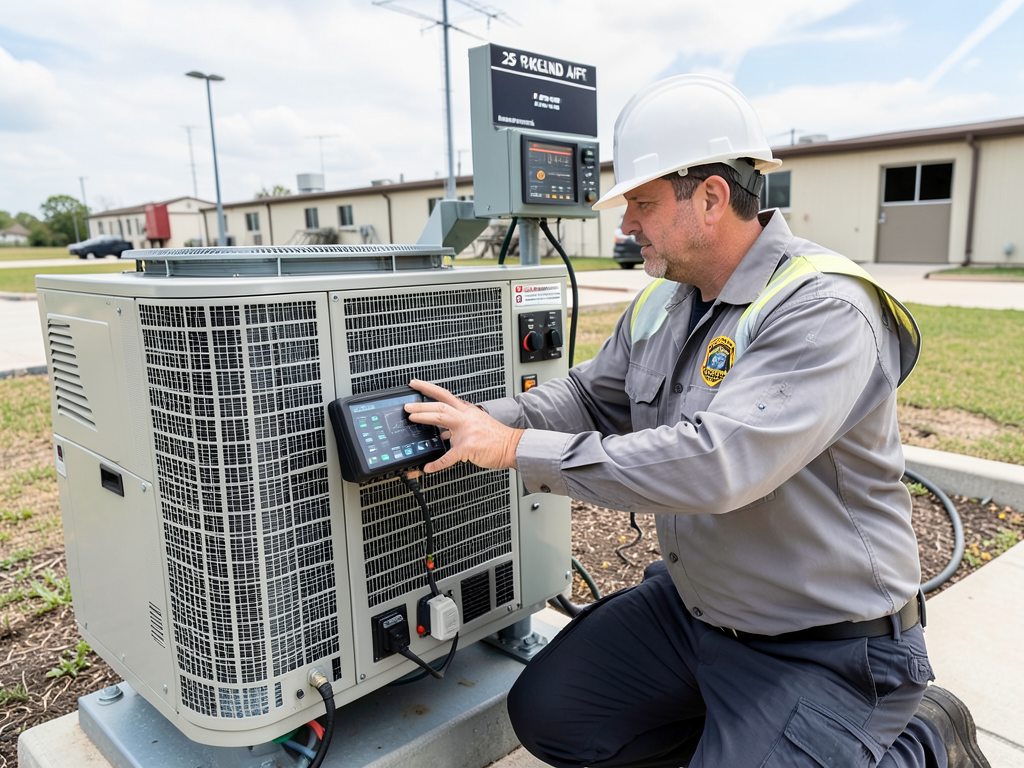
Check for rust on the outdoor condenser, bent coil fins, and debris buildup around the unit. Look for oil stains on refrigerant lines that indicate leaks.
- Electrical Component Testing
Measure capacitor microfarads to verify they’re within 10% of rated values. Test contactor points for pitting and proper voltage drop across terminals.
- Refrigerant Charge Verification
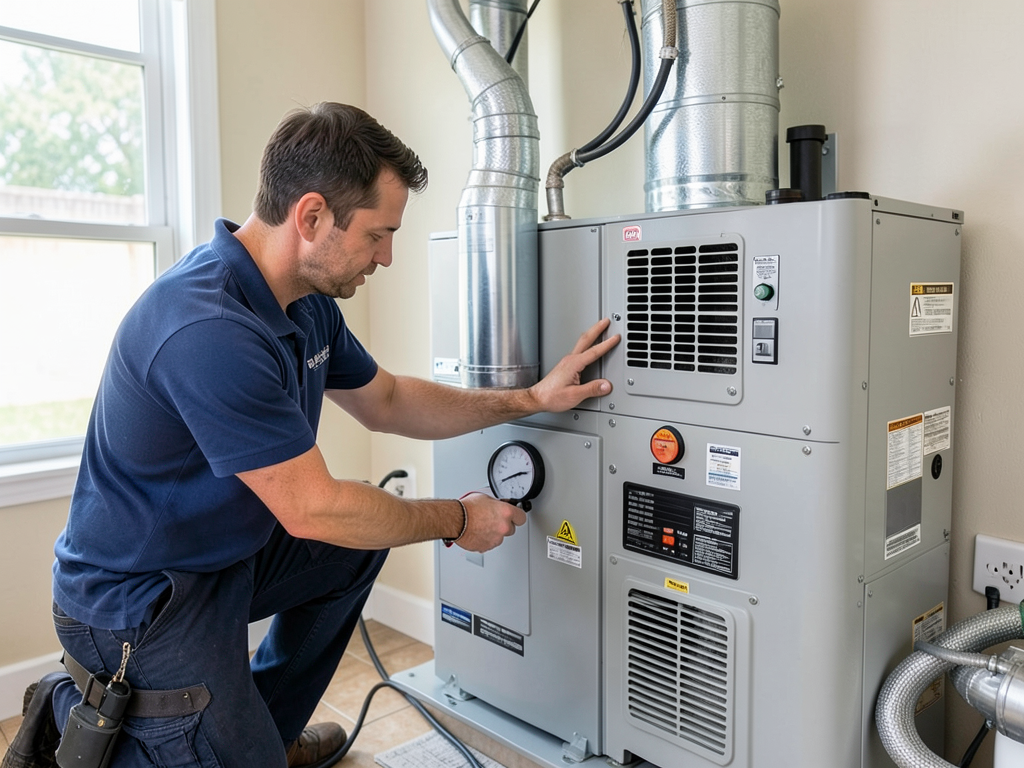
Using manifold gauges, verify superheat and subcooling values match manufacturer specifications for your system’s SEER2 rating.
- Airflow and Duct Inspection
Measure static pressure across the air handler to identify restrictions. Check duct connections in attics for disconnections common in San Antonio’s expansive clay soil areas.
- Indoor Air Quality Assessment
Test for carbon monoxide levels near the furnace. Check evaporator coil for biological growth that thrives in our humid climate. Fast Furnace Repair Services in Boerne for Those Random Hill Country Cold Snaps.
Common HVAC Issues in Lackland Area Homes
The combination of high humidity and dust from nearby construction sites creates perfect conditions for evaporator coil fouling. When coils become coated with dust and biological growth, system efficiency drops by 20-30%, causing higher utility bills and reduced cooling capacity during peak summer months.
San Antonio’s expansive clay soil causes foundation movement that stresses refrigerant lines and electrical connections. This movement often creates small leaks that gradually reduce system performance over months. The area’s hard water also causes scale buildup in humidifiers and affects heat exchanger efficiency in gas furnaces.
Older homes in the Lackland area frequently have undersized ductwork that cannot deliver adequate airflow to second-story rooms. This creates hot spots that make entire homes uncomfortable despite the AC running constantly.
Energy Efficiency Upgrades for Military Housing
Upgrading to a SEER2-rated system can reduce cooling costs by 30-40% compared to 10-year-old equipment. For military families concerned about utility costs on base or in off-base housing, high-efficiency systems provide immediate savings that offset the investment over time.
Smart thermostats with geofencing capabilities automatically adjust temperatures when families leave for temporary duty assignments or training exercises. These devices can save an additional 10-15% on energy costs while maintaining home protection against humidity damage.
Variable-speed air handlers provide superior humidity control by running at lower speeds for longer periods. This prevents the short-cycling that creates cold, clammy conditions common in San Antonio homes during monsoon season.
Emergency Response for Military Families
When your AC fails during a West Texas heatwave, waiting days for service isn’t an option. Patriot HVAC maintains a military family priority response team that can arrive within 4 hours for emergency calls in the 78236 and 78227 zip codes. Technicians carry common replacement parts to complete most repairs on the first visit. Emergency AC Repair in Alamo Heights for When Your Unit Dies at Midnight.
For families PCSing on weekends or holidays, the company offers after-hours inspections that verify system operation before final walkthroughs. This prevents last-minute surprises that could delay clearance or security deposit returns.
Maintaining Your System Between Professional Service Visits
Monthly air filter changes are critical in the Lackland area where construction dust and pollen loads are higher than in other San Antonio neighborhoods. Use pleated filters with MERV 8-11 ratings for optimal balance between airflow and particle capture.
Keep the area around outdoor units clear of grass clippings, leaves, and debris. Maintain at least 2 feet of clearance on all sides to ensure proper airflow. After heavy storms, check for standing water that could damage electrical components.
Monitor your energy bills for unexpected increases that often indicate system problems. A sudden 20% jump in usage without weather changes suggests your system is working harder than necessary due to maintenance issues.
Understanding Local Building Codes and Permits
All HVAC work in San Antonio requires permits from the City’s Development Services Department. The 2021 International Mechanical Code adopted by San Antonio includes specific requirements for refrigerant handling, combustion air supply, and condensate drainage that protect both property and occupants.
Gas furnace installations must comply with Texas Railroad Commission regulations for fuel gas piping. This includes pressure testing and leak verification that prevents dangerous carbon monoxide situations in homes with attached garages common in the Lackland area.
Electrical work associated with HVAC systems must meet National Electrical Code Article 440 requirements for hermetic refrigerant motor compressors. This ensures proper overcurrent protection and disconnects for all system components.
Cost Factors for HVAC Service in Military Areas
Base access requirements add complexity to service calls, but experienced military housing contractors factor these into standard pricing. The key cost drivers are system age, accessibility, and the extent of repairs needed rather than the military affiliation of the homeowner.
Preventative maintenance agreements provide the best value for military families who may not be present year-round. These programs include seasonal tune-ups, priority scheduling, and discounts on repairs that prevent costly emergency calls.
Energy-efficient upgrades qualify for CPS Energy rebates that can offset 15-20% of installation costs. Military families should inquire about these programs when considering system replacements. CPS Energy rebate programs.
Choosing the Right HVAC Contractor for Military Housing
Look for contractors with specific experience in military housing environments. They should understand base access procedures, VA loan requirements, and the unique scheduling needs of military families. Ask about their response times for emergency calls and their experience with base housing management companies.
Verify that technicians carry proper Texas HVAC licensing and insurance. The TDLR requires all HVAC contractors to maintain minimum liability coverage and workers’ compensation insurance for protection against property damage and on-site injuries.
Check references from other military families in the Lackland area. Contractors who understand the PCS lifestyle will have flexible scheduling options and clear communication about inspection findings and repair recommendations. Finding a Reliable AC Replacement Specialist in New Braunfels.
Frequently Asked Questions
How long does a typical HVAC inspection take for a military family home?
A comprehensive 25-point inspection takes 60-90 minutes for standard single-family homes. Base housing units may require additional time for access verification and documentation requirements.
Do I need a permit for HVAC repairs in military housing?
Off-base military housing requires permits for any work beyond basic filter changes or minor adjustments. On-base housing repairs are handled through Balfour Beatty maintenance channels, but major replacements still require proper documentation.
What SEER rating should I look for when replacing my system?
SEER2 ratings of 16 or higher provide optimal efficiency for San Antonio’s climate. While higher ratings cost more upfront, they typically pay for themselves within 5-7 years through energy savings.
How often should I schedule maintenance for my HVAC system?
Biannual maintenance is recommended for San Antonio’s climate – once in spring before cooling season and once in fall before heating season. Military families with extended absences may benefit from quarterly inspections.
Can HVAC contractors work on weekends for military families?
Many contractors offer weekend and evening appointments specifically for military families. Emergency services are typically available 24/7, though after-hours rates may apply.
[IMAGE_PLACEHOLDER_3>
Take Action Before the Texas Heat Arrives
Your family’s comfort and safety depend on a properly functioning HVAC system, especially during San Antonio’s extreme summers. Don’t wait until your system fails on a 105-degree day when emergency service calls are backed up for days.
Call (726) 259-0059 today to schedule your comprehensive HVAC inspection. Our base-access ready technicians will evaluate your system’s condition, identify potential issues before they become emergencies, and provide clear recommendations for keeping your home comfortable through every Texas season.
For military families moving to or from Lackland AFB, we offer flexible scheduling that works around your PCS timeline. Our team understands the unique requirements of military housing and provides the reliable service you need during these transitions.
Pick up the phone and call (726) 259-0059 now. Your family’s comfort is our mission, and we’re ready to serve those who serve our country.