
Medical Grade Air Filtration for Health Clinics Near the San Antonio Medical Center
Healthcare facilities in the South Texas Medical Center district face unique air quality challenges. High patient volumes, infectious disease control, and strict regulatory standards demand specialized filtration systems that go far beyond standard commercial units. Medical-grade air filtration protects patients, staff, and visitors by removing airborne pathogens, allergens, and volatile organic compounds that can compromise health outcomes. Texas Department of State Health Services healthcare regulations.
The humid subtropical climate of San Antonio creates additional complications. High moisture levels promote mold growth and bacterial proliferation in HVAC systems. Mountain cedar pollen during winter months triggers severe allergic reactions among patients and staff. These environmental factors combined with the constant foot traffic of medical facilities create an urgent need for robust air purification solutions.
Understanding Medical Grade Filtration Standards
Medical facilities must comply with ASHRAE Standard 170, which governs ventilation and air quality in healthcare settings. This standard requires specific filtration levels based on room function. Operating rooms need HEPA H13 or H14 filters that capture 99.97% of particles at 0.3 microns. Isolation rooms require negative pressure systems with dedicated filtration to prevent cross-contamination. ASHRAE Standard 170 for healthcare ventilation.
Beyond ASHRAE 170, medical clinics must consider CDC guidelines for airborne infection control. These guidelines specify filtration requirements for waiting areas, examination rooms, and specialized treatment spaces. The San Antonio-Bexar County Health Department also enforces local ordinances that may exceed state requirements for facilities treating vulnerable populations. CDC guidelines for indoor air quality in healthcare.
Key Filtration Technologies for Medical Settings
HEPA filtration remains the gold standard for medical environments. These high-efficiency particulate air filters trap bacteria, viruses, and other microscopic particles that standard filters miss. For medical clinics near the Medical Center, HEPA systems typically achieve MERV 17-20 ratings, providing hospital-grade protection against airborne threats.
UV-C germicidal irradiation adds another layer of protection. These ultraviolet light systems installed within HVAC ductwork neutralize airborne pathogens as air passes through. UV-C technology proves particularly effective against drug-resistant bacteria and viruses that pose risks in healthcare settings. The combination of HEPA filtration and UV-C treatment creates a comprehensive defense system.
Bipolar ionization represents newer technology gaining traction in medical facilities. These systems release charged ions that attach to airborne particles, causing them to clump together and fall out of the breathing zone. Bipolar ionization also disrupts the protein structures of viruses and bacteria, rendering them inactive. Many San Antonio clinics now incorporate this technology into their air quality strategies.
South Texas Medical Center Environmental Challenges
The 78229 zip code area surrounding the Medical Center experiences unique air quality issues. High humidity levels create ideal conditions for mold and mildew growth in HVAC systems. Without proper filtration and humidity control, these microorganisms circulate throughout medical facilities, potentially triggering respiratory issues in sensitive patients.
Mountain cedar fever affects thousands of San Antonio residents annually. This allergen creates particular challenges for medical waiting rooms where patients with compromised immune systems gather. Medical-grade filtration systems must handle these seasonal spikes in particulate matter while maintaining consistent performance year-round.
Urban pollution from nearby Interstate 10 and Loop 410 introduces additional contaminants into medical facility air systems. Vehicle emissions, industrial particulates, and construction dust require filtration systems capable of handling both biological and chemical pollutants. The proximity to major transportation corridors makes this a critical consideration for Medical Center area clinics.
Compliance and Installation Requirements
Medical facility filtration systems must meet Texas Department of State Health Services requirements for healthcare ventilation. These regulations specify minimum air changes per hour based on room type and patient population. Operating rooms typically require 15-20 air changes per hour, while standard examination rooms need 6-12 changes.
The City of San Antonio building code incorporates ASHRAE 170 standards for new medical construction. Existing facilities undergoing renovation must also comply with current ventilation requirements. This includes proper duct sizing, adequate return air capacity, and strategic placement of filtration units to ensure complete air circulation.
Electrical requirements for medical-grade filtration systems often exceed standard commercial installations. HEPA systems require specific pressure differentials to maintain efficiency. UV-C units need dedicated circuits to prevent interference with sensitive medical equipment. Professional installation ensures all systems integrate properly with existing HVAC infrastructure. Commercial Maintenance Agreements.
Maintenance and Performance Monitoring
Medical filtration systems require rigorous maintenance schedules. HEPA filters need replacement every 6-12 months depending on usage and contamination levels. UV-C bulbs lose effectiveness over time and require annual replacement. Bipolar ionization units need regular cleaning to maintain optimal performance.
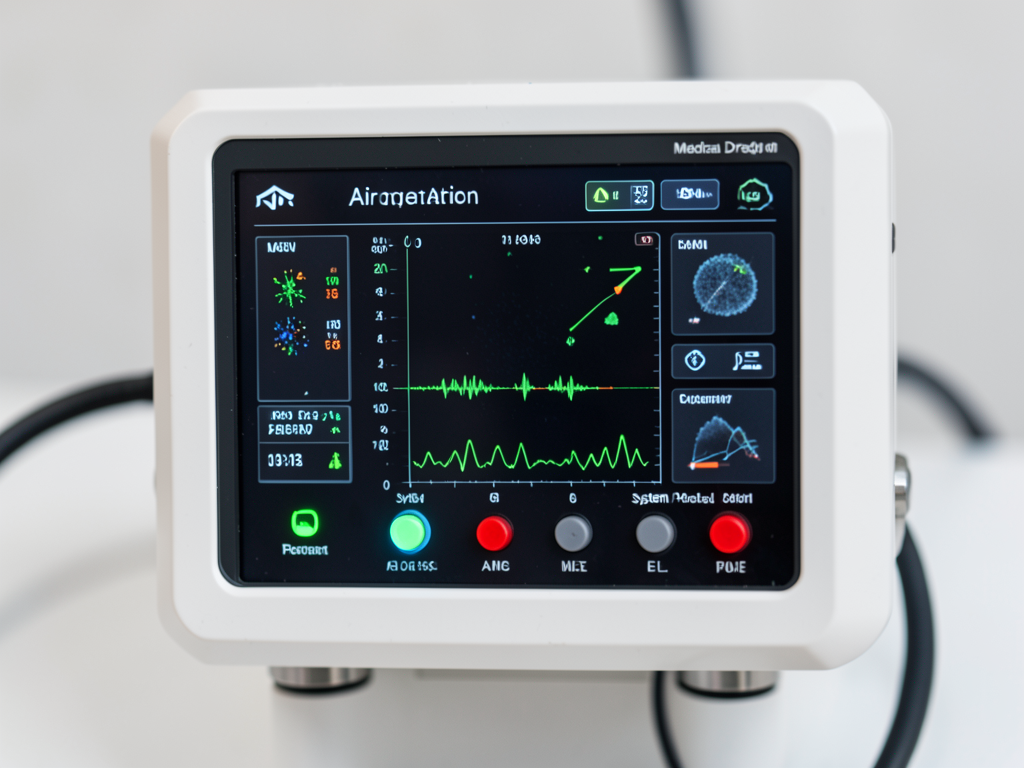
Performance monitoring includes pressure differential measurements across filtration banks. A drop in pressure indicates filter loading and reduced efficiency. Many San Antonio clinics now use real-time monitoring systems that alert facility managers when filters need replacement or when system performance drops below acceptable levels.
Documentation of maintenance and testing proves essential for regulatory compliance. Health departments may request records showing filtration system performance, maintenance schedules, and testing results. Proper documentation protects facilities from potential citations and demonstrates commitment to patient safety.
Cost Considerations and ROI
Medical-grade filtration systems represent significant investments for healthcare facilities. Initial installation costs typically range from $15,000 to $75,000 depending on facility size and required technology. However, these systems often pay for themselves through multiple mechanisms.
Improved air quality reduces staff absenteeism due to respiratory illnesses. Patients experience better outcomes in facilities with superior air handling, potentially reducing liability risks. Energy-efficient systems lower utility costs while maintaining optimal performance. Many clinics report 15-20% reductions in energy consumption after upgrading to modern filtration systems.
Insurance companies increasingly recognize the value of medical-grade air filtration. Some facilities receive premium discounts for implementing advanced IAQ systems. Others benefit from reduced liability coverage costs when they can demonstrate proactive measures to protect patient health. Premium Air Conditioning Installation for The Dominion and Shavano Park Homes.
Implementation Process for Medical Facilities
Successful filtration system implementation follows a structured approach. Initial assessment includes air quality testing to identify specific contaminants and deficiencies in existing systems. This testing reveals whether facilities need HEPA upgrades, UV-C integration, or humidity control improvements.
System design considers facility layout, patient flow patterns, and existing HVAC infrastructure. Medical facilities often require phased implementation to minimize disruption to patient care. Critical areas like operating rooms typically receive priority installation to ensure uninterrupted surgical services.
Staff training represents a crucial final step. Healthcare workers need to understand basic system operation, recognize warning signs of performance issues, and know when to contact maintenance personnel. Proper training ensures filtration systems operate at peak efficiency throughout their service life.
Emergency Response and System Redundancy
Medical facilities must prepare for system failures that could compromise patient safety. Redundant filtration systems provide backup capability during maintenance or unexpected outages. Portable HEPA units offer temporary solutions for critical areas during major system repairs. Stone Oak AC Repair Services That Can Actually Handle the Texas Heat.
Emergency response plans include specific protocols for filtration system failures. These plans identify critical areas requiring immediate attention, outline temporary mitigation strategies, and establish communication channels with HVAC service providers. Many San Antonio clinics maintain 24/7 emergency contacts for rapid response to system issues. Emergency AC Repair in Alamo Heights for When Your Unit Dies at Midnight.
Power outage preparation includes backup power systems for critical filtration equipment. HEPA systems in operating rooms and isolation units often connect to emergency generators to ensure continuous operation during utility failures. This redundancy proves essential for maintaining patient safety during extended outages.
Case Studies from the Medical Center Area
A multi-specialty clinic in the 78229 area recently upgraded its filtration system after experiencing persistent mold issues. The facility installed HEPA H14 units with integrated UV-C technology in all patient care areas. Post-installation testing showed 99.99% reduction in airborne mold spores and significant improvements in patient satisfaction scores.
A pediatric practice near UT Health San Antonio implemented bipolar ionization technology to address seasonal allergy concerns. The system reduced airborne pollen levels by 85% during peak cedar fever season. Patient complaints about allergy symptoms during office visits decreased by 70% after installation.
A surgical center serving the Medical Center district upgraded its HVAC system to meet new ASHRAE 170 requirements. The facility installed dedicated HEPA units for each operating room with individual control systems. This upgrade allowed the center to expand surgical services and attract new specialty practices requiring advanced air quality standards.
Future Trends in Medical Air Filtration
Smart filtration systems represent the next evolution in medical air quality management. These systems use sensors and artificial intelligence to adjust filtration levels based on real-time air quality measurements. Machine learning algorithms predict maintenance needs before system performance degrades, preventing unexpected failures.
Portable medical-grade filtration units gain popularity for flexible healthcare delivery. These mobile units allow clinics to quickly adapt spaces for infectious disease isolation or emergency surge capacity. Many San Antonio facilities now maintain fleets of portable units for rapid deployment during public health emergencies.
Integration with building management systems enables centralized control of multiple facility systems. Modern filtration units communicate with HVAC, lighting, and security systems to optimize energy use while maintaining air quality standards. This integration reduces operational costs while improving patient care environments.
Selecting the Right Filtration Partner
Healthcare facilities need HVAC partners with specific medical experience. Look for contractors familiar with ASHRAE 170 standards, Texas healthcare regulations, and the unique challenges of San Antonio’s climate. Experience with medical facilities ensures proper system design and installation that meets all regulatory requirements.
Verify contractor credentials including proper licensing, insurance, and specific medical facility experience. Request references from other healthcare clients in the Medical Center area. A qualified partner should demonstrate understanding of medical workflow and ability to minimize disruption during installation.
Ongoing service agreements ensure filtration systems maintain peak performance. Regular maintenance prevents costly repairs and ensures continuous compliance with health regulations. Choose partners offering 24/7 emergency service for critical medical facilities where system failures could impact patient care. Fast Furnace Repair Services in Boerne for Those Random Hill Country Cold Snaps.
Frequently Asked Questions
What MERV rating do medical facilities need?
Medical facilities typically require MERV 13-16 for general areas and MERV 17-20 (HEPA) for critical spaces like operating rooms and isolation units. The specific rating depends on room function and local health regulations.
How often should medical-grade filters be replaced?
HEPA filters in medical settings typically need replacement every 6-12 months, while pre-filters may require monthly changes. High-traffic areas or facilities treating infectious patients may need more frequent replacement schedules.
Are UV-C systems necessary for medical facilities?
While not always required by code, UV-C systems provide additional protection against airborne pathogens and are highly recommended for medical facilities, especially those treating immunocompromised patients or infectious diseases.
How do I know if my current system meets medical standards?
A professional IAQ assessment can evaluate your current system against ASHRAE 170 and local health department requirements. Testing typically includes particle counting, pressure differential measurements, and airflow verification.
What’s the typical payback period for medical-grade filtration?
Most medical facilities see ROI within 2-4 years through reduced energy costs, lower staff absenteeism, and potential insurance premium reductions. Some facilities report immediate benefits through improved patient satisfaction and reduced liability risks.
Medical-grade air filtration represents a critical investment in patient safety and regulatory compliance for San Antonio healthcare facilities. The unique combination of high humidity, seasonal allergens, and strict healthcare standards in the Medical Center area demands specialized solutions that go beyond standard commercial systems.. Read more about Finding a Reliable Commercial HVAC Partner for Retail Spaces Near North Star Mall.
Don’t wait for air quality issues to impact your patients or staff. Call (726) 259-0059 today to schedule a comprehensive IAQ assessment for your medical facility. Our team understands the specific challenges facing San Antonio clinics and can design a system that meets all regulatory requirements while protecting the people who matter most.
Pick up the phone and call (726) 259-0059 before the next allergy season hits. Your patients deserve the cleanest air possible, and your facility needs systems that comply with all current healthcare standards. Let’s work together to create a healthier environment for everyone who walks through your doors.