
The Best Air Filtration Strategies for Households with Heavy Shedders in North Central San Antonio
If your home in North Central San Antonio feels like a fur factory year-round, you are not alone. The combination of high humidity, long cooling seasons, and breeds like German Shepherds, Huskies, and Golden Retrievers creates a perfect storm for clogged HVAC filters and poor indoor air quality. This guide breaks down exactly which air filtration strategies work best for heavy-shedding pets in our local climate, including the right MERV ratings, maintenance schedules, and cost-effective solutions to keep your system running efficiently. Commercial Maintenance Agreements.
Why San Antonio Pet Owners Need Specialized HVAC Filters
San Antonio’s humid subtropical climate means your air conditioner runs for eight to nine months a year, constantly pulling air through your system. When you add heavy-shedding pets to the mix, the filter clogs faster than the average household. Pet dander, which is microscopic skin flakes, mixes with the larger hair and fur, creating a dense mat that restricts airflow. In neighborhoods like Castle Hills and Oak Park, where homes often have open floor plans and vaulted ceilings, restricted airflow can cause hot spots and uneven cooling. The local Mountain Cedar season, which runs from December through February, adds another layer of fine particulates that combine with pet allergens to create a year-round air quality challenge. Uneven Heating or Cooling.
Understanding MERV Ratings for Pets
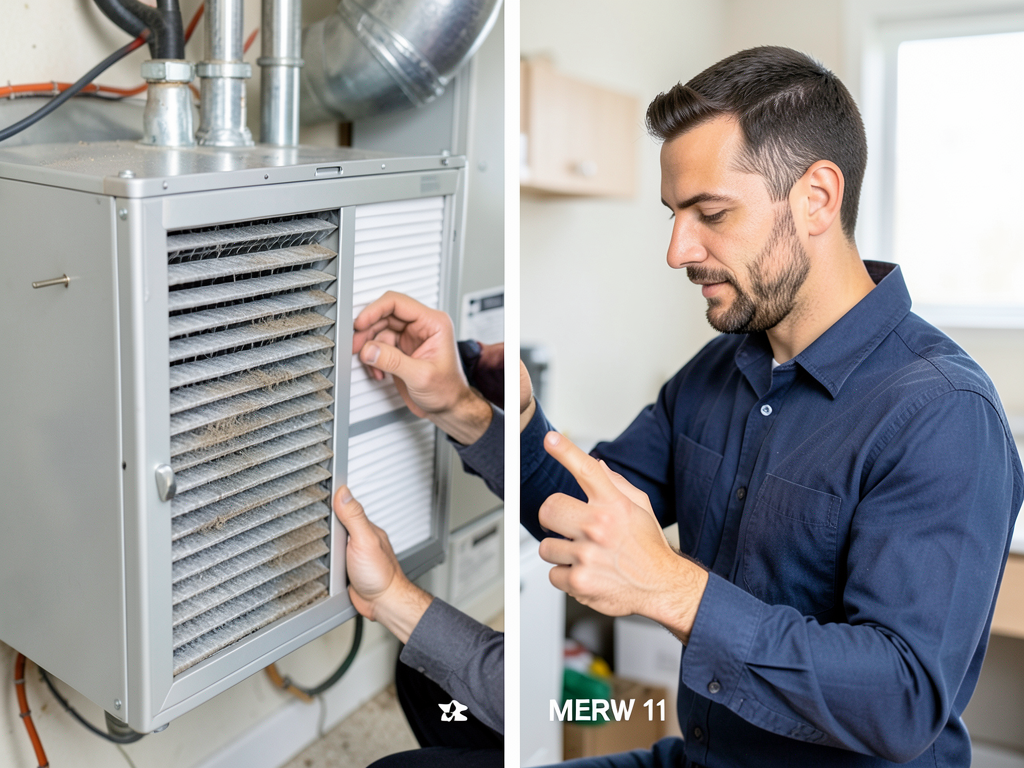
MERV stands for Minimum Efficiency Reporting Value, and it measures how well a filter captures particles between 0.3 and 10 microns. For pet owners, the sweet spot is usually MERV 11. It captures pet dander, dust mites, and most pollen without overly restricting airflow. MERV 8 filters are too porous for heavy shedders, allowing dander to pass through. MERV 13 filters capture more but can strain older blower motors, especially during San Antonio’s 100°F+ summer days when your system is already working hard. A MERV 11 pleated filter provides the best balance of allergen control and system efficiency for multi-pet households in the greater San Antonio area.
Common San Antonio HVAC Issues Caused by Pet Hair
Pet hair does not just sit on your furniture; it travels through your ductwork and accumulates on critical components. The evaporator coil, located inside your air handler, is particularly vulnerable. When pet hair coats the coil fins, it acts like insulation, reducing heat transfer and making your system work harder. This can lead to frozen coils, reduced cooling capacity, and higher energy bills. In older North Central San Antonio homes built in the 1970s and 1980s, this issue is compounded by ductwork that may not be properly sealed, allowing hair and dander to accumulate in hidden areas. The result is reduced airflow, musty odors, and even complete system shutdowns during peak summer months.
Maintenance Schedule: Pets + Texas Heat
For households with one or two moderate shedders, replace your MERV 11 filter every 60 days during the cooling season (March through October). If you have three or more heavy shedders, switch to a 30-day replacement cycle. In San Antonio’s climate, even a slightly clogged filter forces your blower motor to draw more amperage, increasing wear and energy consumption. Mark your calendar for the first of each month during peak season, and keep a six-pack of filters on hand. Homes in zip codes 78213, 78216, and 78232 often require more frequent changes due to the mix of older construction and high pet ownership rates in these areas.
Pleated vs. Fiberglass: Which Works Better for Pet Owners?
Fiberglass filters are inexpensive but capture less than 20% of pet dander and hair. They are designed primarily to protect your HVAC equipment, not improve your air quality. Pleated filters, especially those with a MERV 11 rating, capture up to 85% of airborne particles and last longer. The pleats increase surface area, allowing better airflow even when some pores are blocked by hair. For heavy-shedding breeds, pleated filters are the clear winner. They cost more upfront but save money by extending the life of your blower motor and improving cooling efficiency during San Antonio’s long, hot summers.
HEPA Filtration: Worth the Investment?
True HEPA filters, with a MERV rating of 17-20, capture 99.97% of particles down to 0.3 microns. While excellent for allergen control, they are not practical for standard residential HVAC systems because they restrict airflow too much. However, you can add a standalone HEPA air purifier to your most-used rooms. Models with HEPA and activated carbon filters remove both pet dander and odors, which is especially helpful for multi-pet households. In San Antonio, where outdoor allergens are high year-round, a room-by-room HEPA approach complements your main system without overloading it. EPA guide to air cleaners and filters.
San Antonio’s Humidity and Mold Growth
San Antonio’s average relative humidity ranges from 65% to 80% during summer months. When pet hair and dander mix with this moisture inside your ductwork, it creates an ideal environment for mold growth. Mold spores can trigger allergies and asthma, compounding the issues caused by pet dander. Using a hygrometer to monitor indoor humidity and keeping it below 50% can help. Additionally, scheduling annual duct cleaning and checking for leaks in your ductwork, especially in unconditioned spaces like attics, prevents moisture buildup and keeps your air quality high.
Cost-Benefit Analysis of Washable vs. Disposable Filters
Washable filters seem economical but have drawbacks for heavy-shedding households. They typically have a MERV rating between 4 and 6, meaning they capture very little dander or hair. They also require thorough drying before reinstallation; otherwise, they can harbor mold. Disposable MERV 11 filters cost $15 to $25 each but provide superior filtration and convenience. Over a year, the cost difference is minimal, but the air quality improvement is significant. For multi-pet homes in North Central San Antonio, disposable pleated filters are the better investment.
Where to Buy or Professional Replacement Services
Major home improvement stores in San Antonio carry MERV 11 pleated filters, but for the best selection and pricing, consider ordering online from HVAC supply companies. If you prefer professional service, Patriot HVAC offers filter replacement as part of our maintenance plans. We serve North Central San Antonio, including zip codes 78213, 78216, and 78232, and can recommend the right filter for your specific system and pet situation. Call (726) 259-0059 today to schedule your inspection.
Frequently Asked Questions
How often should I change my HVAC filter if I have multiple pets?
For households with three or more heavy-shedding pets in San Antonio, replace your MERV 11 filter every 30 days during the cooling season. This prevents airflow restriction and keeps your system efficient.
Can pet hair damage my HVAC system?
Yes. Pet hair can clog the evaporator coil and blower motor, reducing efficiency and potentially causing system failure. Regular filter changes and annual maintenance prevent costly repairs. Stone Oak AC Repair Services That Can Actually Handle the Texas Heat.
What is the best MERV rating for homes with pets?
MERV 11 is ideal for pet owners. It captures dander and hair without restricting airflow in most residential systems. Higher ratings like MERV 13 may strain older equipment.
Should I use a HEPA filter in my home?
Standard HVAC systems cannot handle true HEPA filters due to airflow restriction. Use a standalone HEPA air purifier in high-traffic pet areas instead.
Does San Antonio’s humidity affect air quality for pet owners?
Yes. High humidity can cause pet dander and hair to clump and promote mold growth in ducts. Keeping indoor humidity below 50% helps maintain air quality.
Call (726) 259-0059 today to schedule your inspection
Struggling with pet hair and poor air quality? Patriot HVAC specializes in solutions for heavy-shedding households in North Central San Antonio. Call (726) 259-0059 before the next heat wave hits. We will inspect your system, recommend the right filter, and keep your home comfortable all year long. For more information, visit ASHRAE filtration standards.