
Upgrading to a Communicating HVAC System for Maximum Comfort in Your Dominion Home
Living in The Dominion means dealing with San Antonio’s extreme heat and humidity. Standard HVAC systems often struggle to keep your home comfortable while managing energy costs. Communicating HVAC systems represent the next evolution in home comfort technology offering precise temperature control superior humidity management and diagnostic capabilities that traditional systems simply cannot match.
These advanced systems use proprietary communication protocols to allow all components to share real-time data. Instead of basic on-off cycling your system continuously adjusts performance based on actual conditions in your home. For Dominion residents who demand the best communicating systems deliver unmatched comfort while potentially reducing energy consumption by 20-30% compared to older equipment.
Before we explore the benefits let’s understand what makes these systems different from what you might have now.
What Makes a System ‘Communicating’
Traditional HVAC systems use simple 24-volt wiring that only sends basic on/off signals. A communicating system replaces this with a data network where the thermostat air handler furnace and outdoor unit constantly exchange information. This creates a coordinated response rather than isolated components working independently. NATE certification.
The technology relies on variable-speed compressors that can adjust output in small increments rather than just high or low. Your system might run at 40% capacity on a mild day or ramp up to 95% during peak heat. This modulation eliminates the temperature swings common with single-stage equipment.
Communication protocols vary by manufacturer. Carrier uses Infinity Trane employs ComfortLink II and Lennox offers iComfort. Each creates a closed ecosystem where components must match for full functionality. This integration enables features like automatic fault detection and remote diagnostics that technicians can access before even arriving at your home.
Technical Diagram: Internal components of a communicating HVAC system showing data flow between thermostat air handler and outdoor unit.
Benefits for Dominion Homeowners
The Dominion’s luxury homes and large lots create unique HVAC challenges. Communicating systems address these through several key advantages that directly impact your daily comfort and energy bills.
Humidity control stands out as the most significant benefit in San Antonio’s climate. Standard systems often satisfy the thermostat before adequately removing moisture from the air. Communicating systems run longer at lower capacities pulling more humidity while maintaining consistent temperatures. This prevents that sticky feeling even when the thermostat reads your target temperature.
Energy efficiency improves through several mechanisms. Variable-speed operation means the system rarely runs at full power. Most cooling happens at 60-70% capacity using significantly less electricity than traditional cycling. The system also learns your home’s thermal characteristics optimizing start times to reach target temperatures efficiently.
Noise reduction matters in The Dominion’s quiet neighborhoods. Communicating systems typically operate at 50-60 decibels compared to 70+ for older units. The outdoor unit runs at lower speeds most of the time eliminating the loud startup sounds that disturb evening gatherings on your patio.
Diagnostic capabilities prevent minor issues from becoming major repairs. The system monitors refrigerant levels airflow and component performance continuously. When something deviates from normal parameters it alerts you and your service provider immediately. This proactive approach can extend equipment life by 3-5 years. Stone Oak AC Repair Services That Can Actually Handle the Texas Heat.
Comparing System Types
Understanding the differences between system types helps you make informed decisions. Here’s how communicating systems stack up against conventional options:
| Feature | Single-Stage | Two-Stage | Communicating |
|---|---|---|---|
| SEER2 Rating | 14-16 | 17-20 | 21-26+ |
| Humidity Control | Basic | Good | Excellent |
| Noise Level | 70+ dB | 65-70 dB | 50-60 dB |
| Diagnostic Features | None | Basic | Advanced |
| Smart Integration | Limited | Good | Full |
| Energy Savings | 0-10% | 10-20% | 20-30% |
| Typical Lifespan | 12-15 years | 15-18 years | 18-22 years |
| Initial Cost | $4000-7000 | $6000-9000 | $8000-15000 |
The efficiency gains translate directly to utility costs. A communicating system in San Antonio might save $40-60 monthly during peak cooling season compared to a 10-year-old unit. Over a 15-year lifespan these savings often offset the higher initial investment.
Smart Home Integration
Modern communicating systems integrate seamlessly with smart home platforms. The proprietary thermostats offer features beyond basic scheduling. They learn occupancy patterns adjust for weather forecasts and can even factor in utility demand response programs.
Mobile apps provide real-time monitoring and control from anywhere. You can adjust temperatures before returning home receive maintenance alerts and track energy usage patterns. Some systems integrate with voice assistants for hands-free control. Commercial Maintenance Agreements.
Zoning capabilities become more sophisticated with communicating technology. Instead of basic on/off dampers the system modulates airflow to different areas based on occupancy and temperature needs. This prevents overcooling unused spaces while ensuring occupied rooms remain comfortable.
Energy usage tracking helps identify consumption patterns. You might discover your system runs more efficiently when set to 74 degrees rather than 72 or that certain rooms consistently need adjustment. This data empowers you to optimize both comfort and costs.
Smart Thermostat Interface: Example of a communicating system’s control panel showing real-time system status and energy usage.
Local Utility Incentives
CPS Energy offers substantial rebates for high-efficiency equipment in San Antonio. Communicating systems often qualify for the maximum incentives due to their superior performance. Current programs can provide $1000-2500 back on qualifying installations. CPS Energy rebates.
The Smart Thermostat Rewards program pays you to allow brief thermostat adjustments during peak demand periods. Communicating systems integrate perfectly with this program potentially earning $85-100 annually while maintaining your comfort preferences.
Weatherization rebates may apply if your installation includes duct sealing or insulation improvements. These additional measures enhance system performance and can qualify for separate incentives. The combined savings can reduce your out-of-pocket costs by 30-40%.
Federal tax credits for high-efficiency HVAC equipment remain available through 2026. Qualifying systems can earn 30% of the installed cost up to specific limits. These credits apply to both equipment and installation labor.
Local HVAC contractors familiar with Dominion homes understand the permitting requirements and can handle rebate paperwork. This expertise ensures you receive all available incentives while maintaining compliance with local building codes.
Installation Considerations
Proper installation determines whether your communicating system delivers promised performance. The complexity requires technicians with specific training on your chosen brand’s technology. NATE certification and manufacturer training become essential qualifications.
Load calculations must be precise for these systems to function optimally. Oversizing even slightly reduces efficiency and humidity control. Technicians should perform Manual J calculations considering your home’s unique characteristics from high ceilings to large windows common in Dominion properties.
Refrigerant charging requires special attention. Communicating systems use variable-speed compressors that operate differently from traditional units. Incorrect charging affects performance and can damage expensive components. Technicians use digital scales and follow manufacturer-specific procedures.
Ductwork inspection often reveals opportunities for improvement. Leaky ducts waste 20-30% of conditioned air in many homes. Sealing and insulating ducts enhances system performance and may be required for maximum rebates.
Communication wiring differs from standard thermostat wiring. While some systems use existing wires others require additional low-voltage cabling. Professional installation ensures reliable data transmission between components. Finding a Reliable AC Replacement Specialist in New Braunfels.
Maintenance Requirements
Communicating systems simplify maintenance through automated diagnostics. The system tracks run hours filter condition and component performance. It alerts you when service is needed rather than relying on seasonal schedules.
Filter replacement timing becomes more precise. The system monitors pressure drop across filters and notifies you when efficiency drops rather than following arbitrary timelines. This prevents both premature replacement and delayed maintenance.
Professional maintenance remains important despite advanced diagnostics. Annual inspections catch issues the system cannot detect such as electrical connections or mechanical wear. Many manufacturers require professional maintenance to maintain warranty coverage.
Software updates occasionally improve system performance or add features. Your contractor can update firmware during routine maintenance similar to updating your smartphone. These updates often enhance efficiency or fix minor bugs.
Remote monitoring capabilities allow technicians to diagnose problems before visiting your home. They can often determine if you need a minor adjustment or a replacement part reducing diagnostic time and costs.
Cost Considerations
Communicating systems require higher upfront investment than conventional options. A complete system typically costs $8000-15000 installed depending on size and features. While this exceeds basic replacements the total cost of ownership often favors communicating technology.
Energy savings provide immediate returns. In San Antonio’s climate monthly utility reductions of $40-60 during cooling season accumulate to $500-700 annually. These savings increase as energy rates rise over time.
Rebates and tax credits significantly reduce net costs. Combined incentives often return $2000-4000 making the premium over standard high-efficiency systems more manageable. Some homeowners finance installations to spread costs while still benefiting from energy savings. Premium Air Conditioning Installation for The Dominion and Shavano Park Homes.
Increased home value represents an often-overlooked benefit. Energy-efficient upgrades appeal to buyers and may increase resale value. Some appraisers now consider high-efficiency HVAC as a positive factor in home valuations.
Warranty coverage typically extends longer for communicating systems. Manufacturers often provide 10-12 year parts warranties when installed by certified contractors. This protection adds value beyond the basic equipment cost.
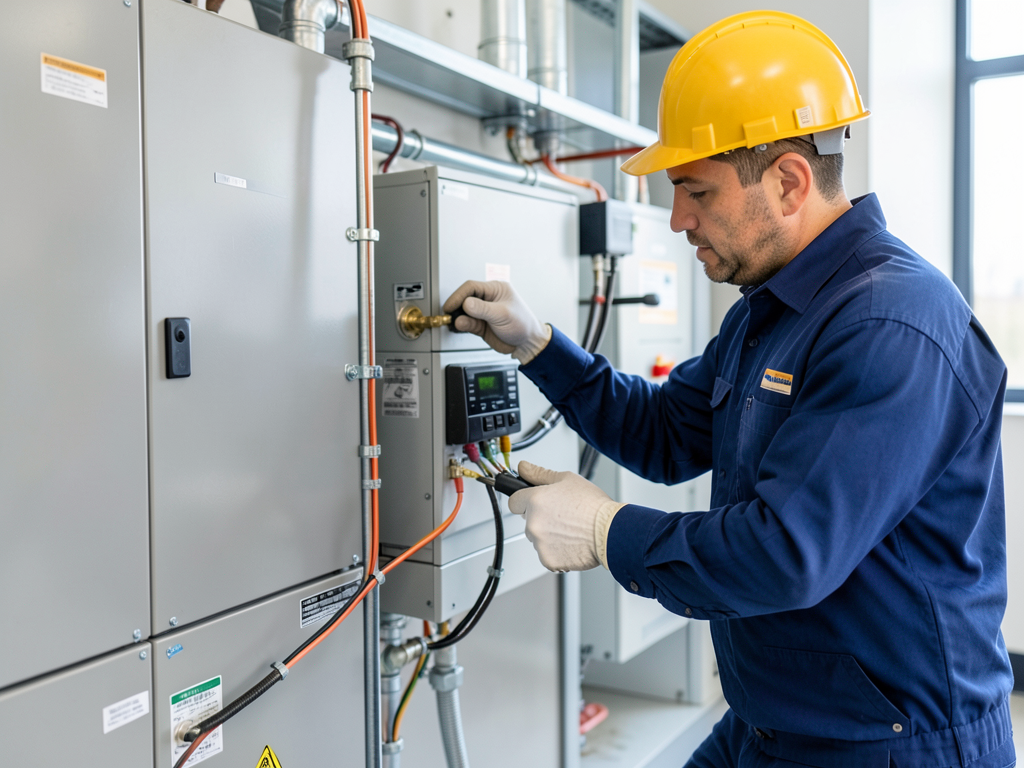
Installation Process: Professional technician installing a communicating HVAC system showing proper equipment handling and connection procedures.
Is It Right for Your Dominion Home?
Communicating systems excel in specific situations. Large homes with multiple stories benefit from precise temperature control and zoning. Homes with luxury finishes or extensive glass areas need the superior humidity management these systems provide.
Consider your ownership timeline. If you plan to stay 5+ years energy savings justify the investment. For shorter ownership periods the premium may not fully recover through utility reductions.
Your comfort expectations matter significantly. Communicating systems eliminate hot and cold spots maintain consistent humidity and operate quietly. If you notice temperature variations or humidity issues now these systems address those directly.
Smart home integration preferences influence the decision. If you enjoy automation and remote control communicating systems offer the most sophisticated options. The learning capabilities adapt to your schedule automatically.
Budget considerations extend beyond initial costs. Factor in energy savings rebates maintenance requirements and expected ownership duration. Many homeowners find the total cost of ownership favorable despite higher upfront prices.
Getting Started
Selecting the right contractor proves crucial for communicating system success. Look for NATE-certified technicians with specific training on your chosen brand. Ask about their experience with luxury homes similar to yours in The Dominion.
Request detailed proposals including load calculations equipment specifications and rebate information. Compare not just prices but the technical approach and warranty offerings. The lowest bid rarely provides the best long-term value.
Schedule consultations during moderate weather when contractors can assess your current system’s performance accurately. They should evaluate ductwork insulation and other factors affecting system sizing.
Discuss your specific comfort concerns and priorities. Whether you struggle with humidity temperature variations or high bills communicating systems can address these issues through targeted features.
Plan for installation timing. Peak seasons bring longer wait times and higher prices. Off-season installations often provide better scheduling flexibility and potential cost savings.
Call (726) 259-0059 today to schedule your consultation. Our NATE-certified technicians understand Dominion homes and can recommend the ideal communicating system for your specific needs. Don’t wait until summer heat makes your current system fail.
Frequently Asked Questions
How long do communicating HVAC systems last?
Properly maintained communicating systems typically last 15-20 years. The advanced diagnostics often extend life by identifying issues before major damage occurs. Regular professional maintenance remains important despite automated monitoring.
Can I add communicating features to my existing system?
Limited upgrades may be possible but full communicating functionality requires compatible components throughout the system. Mixing brands or technology levels reduces benefits significantly. A complete replacement usually provides better performance and efficiency.
Do communicating systems work during power outages?
Like all modern HVAC equipment communicating systems require electricity to operate. They cannot function during outages without backup power. Some smart thermostats offer limited offline functionality for basic scheduling.
Are these systems harder to repair?
Diagnostic capabilities often simplify repairs by identifying problems quickly. However repairs require technicians with specific training on your system’s technology. This specialization may limit available service providers but typically reduces diagnostic time. Emergency AC Repair in Alamo Heights for When Your Unit Dies at Midnight.
Will a communicating system work with my smart home setup?
Most communicating systems integrate with popular smart home platforms through their proprietary apps. Some offer direct integration with systems like Google Home or Amazon Alexa. Your contractor can verify compatibility with your existing setup.
How much can I really save on energy bills?
Savings vary by home characteristics and usage patterns but many Dominion homeowners report 20-30% reductions compared to older systems. The most significant savings occur during peak cooling months when efficiency improvements matter most.