
Your AC unit might be brand new but if your attic is cooking at 150°F your home will never stay cool. In Windcrest older ranch-style homes were built before modern insulation codes and heat pours through the ceiling all day long. The Department of Energy recommends R-38 to R-60 attic insulation for San Antonio’s Climate Zone 2 but many Windcrest homes barely hit R-19. That means your AC runs nonstop just to keep up with the heat pouring in from above. Department of Energy insulation recommendations.
The problem is not your equipment. It is physics. Heat moves from hot to cold. In a San Antonio summer your attic is a giant heat reservoir. Without proper insulation that heat radiates into your living space and forces your AC to work twice as hard. The compressor runs longer wears out faster and your energy bill climbs. In fact homes with under-insulated attics can see AC runtime increase by 30 percent or more according to local building performance data.. Read more about The Best Thermostat Settings for San Antonio Summers to Save Money Without Sweltering.
Why Windcrest Homes Are Especially Vulnerable
Windcrest was developed in the 1960s and 1970s when energy was cheap and insulation was an afterthought. Most homes here have 2×4 trusses with thin fiberglass batts that have settled or been compressed over decades. The expansive Blackland Prairie clay soil common in this area also causes foundation shifting which can create gaps around recessed lights and attic penetrations. Those gaps let attic heat bypass the insulation entirely.
Another factor is the lack of modern radiant barriers. Many Windcrest attics have dark shingle roofs that absorb heat all day. Without a radiant barrier that heat radiates down into the attic and through the ceiling. Combined with poor ventilation the attic becomes a heat trap that no AC can overcome.
Understanding the Science of Heat Transfer
Heat moves in three ways: conduction through solid materials like wood and drywall, convection through moving air, and radiation across open spaces. In your attic radiation is the biggest culprit. The sun heats your roof. The roof radiates that heat to the attic floor. If insulation is thin or missing the heat passes straight through into your home.. Read more about Comparing the Top Three AC Brands for the Brutal Spring Branch Summer Heat.
Convection also plays a role. Hot air in the attic rises and escapes through ridge vents but if your soffit vents are blocked or undersized the air stalls. That stagnant hot air transfers heat to the ceiling below. Proper attic ventilation paired with high R-value insulation cuts that heat transfer dramatically.
Recommended R-Values for San Antonio’s Climate Zone
The International Energy Conservation Code (IECC) sets R-38 as the minimum for attics in Climate Zone 2 which includes San Antonio. For maximum efficiency R-60 is recommended especially in older homes with little or no insulation. That means about 12 to 18 inches of blown-in fiberglass or cellulose depending on the material density. International Energy Conservation Code.
Comparing materials helps you choose. Fiberglass batts are cheap but compress over time. Blown-in cellulose settles less and has a slightly higher R-value per inch. Spray foam offers the highest R-value per inch but costs more. In humid climates like ours cellulose can absorb moisture if not paired with a vapor barrier so local pros often prefer fiberglass or closed-cell spray foam.
| Material | Cost per sq ft | Typical R-value per inch | Best use in Windcrest |
|---|---|---|---|
| Blown-in Fiberglass | $1.50 – $2.50 | 2.2 – 2.7 | Existing attics with joists |
| Blown-in Cellulose | $2.00 – $3.00 | 3.2 – 3.8 | Covering old thin batts |
| Closed-cell Spray Foam | $3.50 – $5.00 | 6.0 – 7.0 | New construction or major remodels |
Radiant Barriers and Attic Ventilation
A radiant barrier is a reflective foil sheet installed under the roof deck. It blocks up to 97 percent of radiant heat from entering the attic. In a Windcrest summer that can lower attic temperatures by 20 to 30 degrees. The barrier works best when paired with good ventilation so the heat that does get in can escape.
Attic ventilation should provide one square foot of net free vent area for every 300 square feet of attic floor. That means soffit vents along the eaves and ridge vents or gable vents near the peak. If your home has only gable vents the airflow is limited. Adding soffit vents creates a continuous air channel that pulls cool air in and pushes hot air out.
Financial Impact: Calculating Your Savings and Rebates
Upgrading attic insulation can cut cooling costs by 15 to 25 percent in a hot climate. For a typical Windcrest home that might mean $300 to $500 in annual savings. The payback period is usually three to five years depending on your energy rates and the scope of the project.. Read more about Why Your Thermostat Location Might Be Making Your Live Oak Energy Bills Skyrocket.
CPS Energy offers rebates through its Save for Tomorrow program. Homeowners can receive up to $0.35 per square foot for attic insulation upgrades that meet R-38 or higher. The rebate covers both material and labor so it significantly reduces your out-of-pocket cost. Some contractors also offer low-interest financing through local credit unions to make the upgrade even more affordable. CPS Energy Save for Tomorrow program.
Signs Your Windcrest Home Has Insufficient Insulation
If your AC runs constantly but certain rooms stay hot your attic is likely the culprit. Other signs include ice dams in winter from heat escaping into the attic, uneven temperatures between rooms, and high energy bills that spike in summer. A quick visual check in the attic can tell you a lot. If you can see the tops of your ceiling joists your insulation is too thin. Uneven Heating or Cooling.
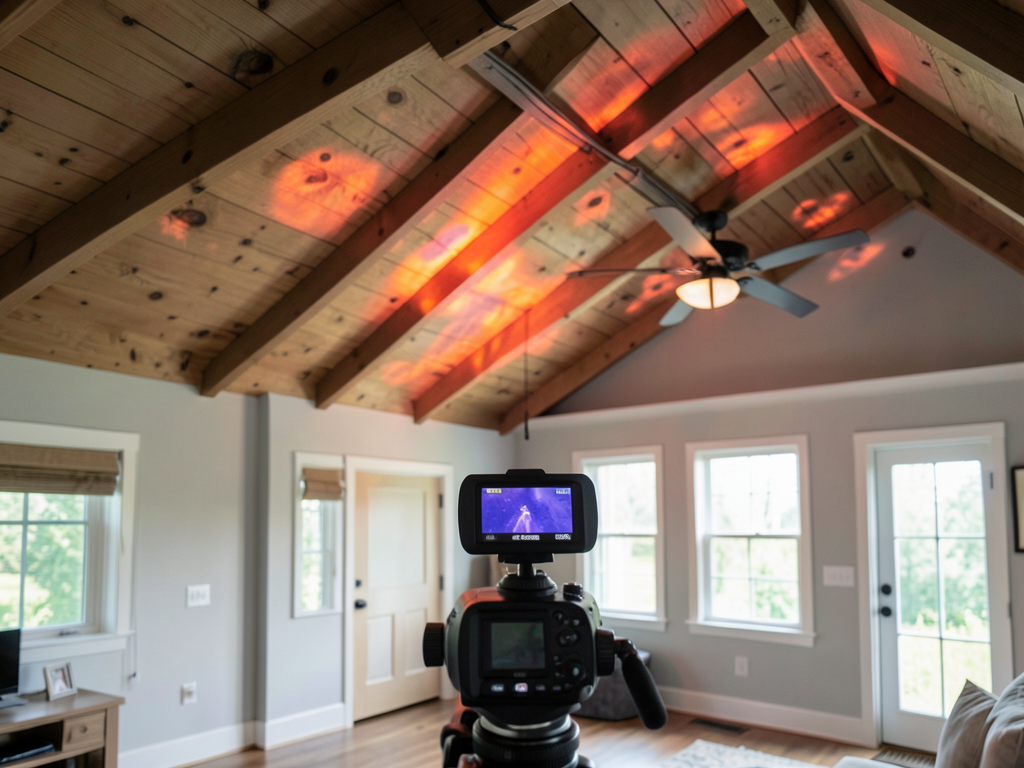
Another test is the screwdriver test. Push a screwdriver through the insulation. If it goes in easily with little resistance your insulation has settled or compressed. A thermal camera scan will show cold spots on your ceiling in winter and hot spots in summer where heat is leaking through.
Air Sealing Before Adding Insulation
Before blowing in new insulation you must seal air leaks. Common leak points in Windcrest homes include recessed lights attic hatches and plumbing vents. These gaps let conditioned air escape into the attic and hot attic air into your home. Use spray foam or caulk to seal around these penetrations.. Read more about Is Your AC Blowing “Cool” But Not “Cold” Air? (Common Causes for San Antonio Units).
Top plates where interior walls meet the attic are another leak source. A quick pass with expanding foam along these seams can stop a surprising amount of heat transfer. Air sealing alone can reduce your heating and cooling load by up to 10 percent making your insulation upgrade even more effective.
Choosing the Right Insulation Contractor
Not all insulation contractors understand the unique needs of Windcrest homes. Look for a company that offers a free energy audit with infrared scanning. They should check your current R-value measure attic ventilation and identify air leaks. Ask if they are familiar with CPS Energy rebate requirements and can handle the paperwork for you.
A reputable contractor will also explain the difference between materials and help you choose the best option for your budget and home style. Avoid anyone who gives you a quote without inspecting your attic first. Every home is different and a one-size-fits-all approach rarely works.
Beyond Insulation: Whole Home Energy Efficiency
Insulation is just one piece of the puzzle. Ductwork in unconditioned attics can lose up to 30 percent of cooled air through leaks. Sealing and insulating ducts can boost your AC efficiency even more. Adding a programmable thermostat and using ceiling fans to circulate air also reduces the load on your AC.
If your home has single-pane windows consider storm windows or window film to block solar heat gain. Landscaping can help too. Planting shade trees on the west and south sides of your home reduces roof and wall heat absorption. These steps work together with attic insulation to keep your home cooler with less AC runtime.
The Bottom Line for Windcrest Homeowners
Your AC is not broken. It is working overtime to overcome a poorly insulated attic. In Windcrest the combination of older construction thin insulation and relentless summer heat makes attic upgrades one of the smartest home investments you can make. With the right materials proper air sealing and CPS Energy rebates you can cut your cooling costs and extend the life of your AC.
Stop replacing AC units when the real problem is heat pouring in from above. Call (726) 259-0059 today to schedule your attic inspection and learn how proper insulation can make your home more comfortable and your AC more efficient. Do not wait until your compressor fails on the hottest day of the year. Take action now and enjoy lower bills and cooler rooms all summer long.
Frequently Asked Questions
How much does attic insulation cost in Windcrest?
Most Windcrest homes need 12 to 18 inches of blown-in insulation. Total cost including labor and materials ranges from $2,000 to $4,000 depending on attic size and material choice. CPS Energy rebates can offset up to $0.35 per square foot.
Can I add insulation over existing batts?
Yes. Blown-in cellulose or fiberglass can be added over old batts to reach R-38 or higher. Just make sure to seal air leaks first and avoid compressing the existing insulation.
How long does an attic insulation upgrade take?
Most residential attic insulation projects take one day. The crew will remove debris seal leaks and blow in new material. Your home will be ready for cooling season within 24 hours.