
Why Rural St Hedwig Homes Need Specialized Filtration for Dust and Pollen
Rural St Hedwig homes face air quality challenges that urban San Antonio residents never experience. Open fields, unpaved roads, and agricultural activity create a constant barrage of dust and pollen that standard HVAC filters simply cannot handle. Your home’s air quality directly impacts your family’s health, comfort, and even your HVAC system’s lifespan.
Living in the 78152 ZIP code means dealing with Texas-sized dust storms that roll across the Blackland Prairie, carrying everything from cotton field debris to mountain cedar pollen from the Hill Country. Standard one-inch filters trap maybe 20% of these particles, leaving the other 80% to circulate through your home and settle on every surface.
The solution isn’t just buying a better filter at the hardware store. Rural St Hedwig homes need whole-home air filtration systems specifically designed for the unique environmental conditions of eastern Bexar County. These systems combine multiple filtration stages, including HEPA technology and activated carbon, to remove particles as small as 0.3 microns – that’s 300 times smaller than a human hair. EPA Indoor Air Quality.
Understanding St Hedwig’s Unique Air Quality Challenges
St Hedwig sits in a perfect storm of air quality issues. The area’s agricultural heritage means constant dust from farming operations, while the proximity to the Texas Hill Country brings seasonal mountain cedar pollen that triggers severe allergies. Add in the humidity from Gulf moisture and you have a recipe for indoor air quality problems that can make your home feel like a dust bowl.
The fine clay particles from Blackland Prairie soil create another challenge. When fields are plowed or construction occurs, these particles become airborne and can travel for miles. They pass right through standard HVAC filters and settle deep in your home’s ductwork.
Agricultural activity in the area also means increased levels of certain chemicals and particulates. Pesticides, fertilizers, and crop dust can all make their way into your home’s air system, especially during planting and harvesting seasons. Without proper filtration, these contaminants circulate through your living spaces.
Comparing Filtration Options for Rural Homes
| Filtration Type | MERV Rating | Particle Size Captured | Best For |
|---|---|---|---|
| Standard Fiberglass | 4-6 | 10+ microns | Basic dust only |
| Pleated Media | 8-11 | 3-10 microns | Moderate allergens |
| High-Efficiency | 13-16 | 0.3-1 micron | Rural allergens |
| HEPA | 17-20 | 0.3 microns and smaller | Severe allergies |
The key difference between these options lies in their ability to capture ultra-fine particles. Rural St Hedwig homes need at least MERV 13 filtration to effectively handle the dust and pollen loads common in the area. Standard filters simply cannot keep up with the constant influx of agricultural and environmental contaminants.
Common Air Quality Problems in St Hedwig Homes
Residents in the St Hedwig area frequently report specific air quality issues that point to inadequate filtration. Dust accumulation on furniture within 24 hours of cleaning suggests your current system isn’t capturing fine particles. Allergy symptoms that worsen indoors indicate pollen and other allergens are circulating through your HVAC system.
Musty odors that persist despite cleaning often signal mold spores in your ductwork. The high humidity in eastern Bexar County creates perfect conditions for mold growth, especially when combined with dust that provides a food source for mold colonies.
Unusual HVAC system behavior can also indicate air quality problems. If your system seems to run constantly or struggles to maintain temperature, restricted airflow from clogged filters or dirty coils might be the culprit. This is especially common in homes near active agricultural areas where dust loads are highest.
Whole-Home Filtration System Options
Whole-home air filtration systems offer comprehensive protection that portable units simply cannot match. These systems integrate directly with your existing HVAC equipment, filtering all air that passes through your home’s ductwork.
Media air cleaners use thick, pleated filters that provide 5-10 times the surface area of standard filters. This increased surface area means better particle capture and longer service intervals. For St Hedwig homes, media cleaners with MERV 13+ ratings effectively handle the area’s unique dust and pollen challenges.
Electronic air cleaners use electrostatic attraction to capture particles. These systems can trap particles as small as 0.1 microns – smaller than most pollen grains. They work especially well for smoke, cooking odors, and chemical vapors common in rural settings.
UV germicidal lights add another layer of protection by killing bacteria, viruses, and mold spores that pass through your system. While not technically a filter, UV lights are essential for homes in humid areas like St Hedwig where mold growth in ductwork is a constant concern.
Activated carbon filters excel at removing odors, chemicals, and volatile organic compounds. For homes near agricultural operations, these filters can significantly reduce the impact of pesticides and other chemical contaminants that may enter your air supply.
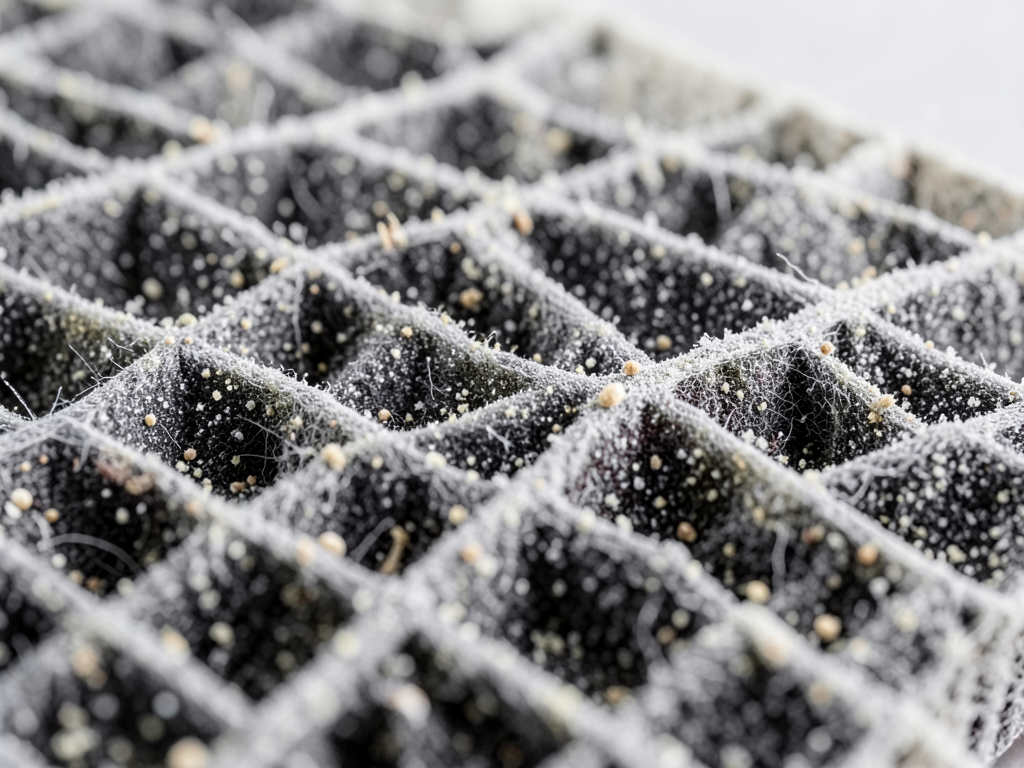
Diagram showing how multi-stage filtration systems capture different particle sizes, from visible dust to microscopic allergens
Installation Considerations for Rural Properties
Installing whole-home filtration in rural St Hedwig properties requires specific considerations that urban installations don’t face. The age and condition of your existing HVAC system plays a major role in determining which filtration options are viable.
Older systems often have limited static pressure capacity, meaning they cannot handle the increased resistance of high-efficiency filters. In these cases, a professional assessment is crucial to determine whether system modifications are needed before upgrading filtration.
Many rural homes in the area were built before modern energy codes required specific duct sealing standards. Leaky ductwork can undermine even the best filtration system by pulling unfiltered air from attics, crawl spaces, or wall cavities. Addressing these issues during installation ensures optimal system performance.
The location of your air handler matters significantly. Homes with attic-mounted units face different installation challenges than those with basement or closet installations. Attic installations may require additional access panels for filter changes and system maintenance. Commercial Maintenance Agreements.
Maintenance Requirements for Rural Filtration Systems
Filtration systems in rural St Hedwig homes require more frequent maintenance than their urban counterparts. The constant dust load means filters clog faster, UV bulbs lose effectiveness sooner, and electronic cells need more frequent cleaning.
Standard filter replacement intervals of 90 days often need to be shortened to 30-60 days in rural settings. Visual inspection is the best guide – if your filter looks dirty before the scheduled replacement time, change it early. Waiting until a filter is completely clogged reduces system efficiency and can damage your HVAC equipment.
Electronic air cleaner cells should be cleaned every 3-4 months in rural environments. The cleaning process involves removing the cells and washing them with a mild detergent solution. Some homeowners find this task manageable, while others prefer professional maintenance services.
UV germicidal bulbs lose about 15% of their effectiveness each year, even though they continue producing visible light. Annual replacement ensures optimal germicidal performance, especially important in humid areas where mold growth is a constant concern.
Professional maintenance should include checking for duct leaks, measuring system static pressure, and inspecting for mold growth in the air handler and ductwork. These checks are particularly important in rural homes where dust infiltration through leaks is common.
Cost-Benefit Analysis for Rural Homeowners
Investing in specialized filtration for your St Hedwig home involves upfront costs that can seem daunting. However, when you consider the long-term benefits, most homeowners find the investment worthwhile.
Initial installation costs for whole-home systems typically range from $800 to $3,000 depending on the system type and complexity. This investment includes both equipment and professional installation to ensure proper integration with your existing HVAC system.
Operating costs are relatively modest, typically $50-100 per year for electricity plus filter replacement costs. When compared to the cost of portable air cleaners for multiple rooms, whole-home systems often prove more economical over time.
The health benefits can be substantial, especially for family members with allergies or respiratory conditions. Many homeowners report significant reductions in allergy symptoms, fewer respiratory infections, and improved sleep quality after installing proper filtration.
System longevity represents another major benefit. By keeping your HVAC equipment cleaner, quality filtration can extend the life of your system by several years. This translates to thousands of dollars in avoided replacement costs over the life of your home.
Special Considerations for Agricultural Properties
Farm and ranch homes in the St Hedwig area face unique air quality challenges that require specialized filtration approaches. The combination of livestock, crop production, and heavy equipment operation creates air quality issues that standard residential systems cannot handle.
Homes near active fields may need pre-filters to capture the heaviest dust loads before they reach the main filtration system. These washable pre-filters can extend the life of more expensive main filters by capturing the bulk of agricultural dust.
Properties with livestock require additional odor control through activated carbon or specialized chemical filters. The ammonia and other compounds produced by animals can create persistent indoor air quality issues that standard filtration cannot address.
Agricultural chemical storage areas present another concern. Homes with on-site pesticide or fertilizer storage need enhanced chemical filtration to prevent these compounds from entering living spaces through the HVAC system.
DIY vs Professional Installation
While some homeowners attempt DIY filtration upgrades, professional installation offers significant advantages for rural St Hedwig properties. The complexity of integrating advanced filtration with existing HVAC systems often exceeds the capabilities of typical DIY approaches.
Professional installers can assess your system’s static pressure capacity, a critical factor often overlooked by DIYers. Installing a filter that’s too restrictive for your system can reduce airflow, decrease efficiency, and potentially damage your HVAC equipment.
Proper sizing is another crucial consideration. A filter that’s too small won’t provide adequate protection, while one that’s too large may not fit properly or could restrict airflow. Professional installers have the tools and experience to ensure optimal sizing for your specific system.
Integration with existing controls and zoning systems presents another challenge. Modern filtration systems often include features like filter change indicators, pressure switches, and variable speed operation that require proper integration with your HVAC controls.
Seasonal Considerations for St Hedwig
Air quality in St Hedwig varies significantly with the seasons, requiring different filtration strategies throughout the year. Understanding these seasonal patterns helps you optimize your system for maximum effectiveness.
Spring brings the highest pollen counts, particularly from mountain cedar and oak trees. During this season, MERV 13+ filtration becomes essential, and more frequent filter changes may be necessary to handle the increased particle load.
Summer in rural areas means dust from dry fields and increased agricultural activity. Electronic air cleaners often perform best during summer months when capturing fine dust particles is the primary concern.
Fall harvest season creates unique challenges with increased dust, chaff, and agricultural chemical particles in the air. This is often when homes near active farms need their highest level of filtration.
Winter brings different concerns, particularly in homes with gas heating systems. The combination of closed windows and increased indoor activity means any filtration system issues become more noticeable during colder months. Uneven Heating or Cooling.
Choosing the Right System for Your Home
Selecting the appropriate filtration system for your St Hedwig home depends on several factors specific to your property and lifestyle. Understanding these factors helps you make an informed decision that provides optimal protection.
Consider your specific air quality concerns. Do you or family members suffer from allergies? Are you bothered by dust accumulation? Do you notice odors from nearby agricultural operations? Your primary concerns should guide your system selection.
Evaluate your existing HVAC system’s capacity. Older systems may not be able to handle the static pressure of high-efficiency filters without modifications. A professional assessment can determine whether your current equipment can support advanced filtration.
Think about your maintenance preferences. Some systems require more frequent attention than others. If you prefer minimal maintenance, certain options like self-charging electronic air cleaners might be preferable to systems requiring regular washing.
Budget considerations extend beyond initial costs. Factor in ongoing filter replacement expenses, electricity usage, and potential energy savings from improved system efficiency. Sometimes a slightly more expensive system provides better long-term value.
Frequently Asked Questions
How often should I replace filters in my rural St Hedwig home?
Most rural homes need filter changes every 30-60 days, compared to 90 days for typical urban homes. Check your filter monthly and replace when it appears dirty, even if it hasn’t been 30 days yet.
Will high-efficiency filters restrict my HVAC system’s airflow?
High-quality filters are designed to provide excellent filtration without significantly restricting airflow. However, extremely dense HEPA filters may require system modifications for optimal performance. A professional assessment can determine your system’s capacity.
Can I install a whole-home filtration system in my older rural home?
Yes, most older homes can accommodate whole-home filtration systems. However, some modifications may be necessary, especially if your existing system is quite old or if your ductwork has significant leaks.
What’s the difference between MERV and HEPA ratings?
MERV (Minimum Efficiency Reporting Value) is a standard rating system for air filters, while HEPA (High-Efficiency Particulate Air) is a specific type of filter that meets strict efficiency standards. HEPA filters typically have MERV ratings of 17-20.
How much do whole-home filtration systems cost?
Installation costs typically range from $800 to $3,000 depending on the system type, your home’s size, and any necessary modifications to your existing HVAC equipment.
Take Control of Your Home’s Air Quality Today
Living in rural St Hedwig means dealing with air quality challenges that standard HVAC filters simply cannot handle. From agricultural dust to seasonal pollen to the unique humidity patterns of eastern Bexar County, your home faces a constant barrage of airborne contaminants.
Don’t wait until allergy season hits or until you notice excessive dust accumulation to address your home’s air quality. A properly designed and installed whole-home filtration system can dramatically improve your indoor air quality, protect your family’s health, and extend the life of your HVAC equipment.
Professional assessment is the first step toward cleaner, healthier air in your rural St Hedwig home. An experienced technician can evaluate your current system, identify specific air quality concerns, and recommend the most effective filtration solution for your unique situation.
Call (726) 259-0059 today to schedule your air quality assessment. Our team understands the specific challenges facing rural St Hedwig homeowners and can design a filtration system that addresses your exact needs. Don’t let another day go by breathing contaminated air – take control of your home’s air quality now.
Pick up the phone and call (726) 259-0059 before the next dust storm hits. Your family’s health and comfort are worth the investment in proper air filtration. For more information, visit ASHRAE Filtration Standards.