





menu

Carbon Monoxide Leak Detection in San Antonio – Emergency Response in Under 60 Minutes

When you smell gas, hear your CO alarm, or suspect a leak, waiting is not an option. Patriot HVAC San Antonio dispatches certified technicians with professional CO gas detection equipment to your door fast, day or night, to locate the source and stop the danger before it escalates.

Slider Image 1
Slider Image 2
Slider Image 3
Slider Image 4
Slider Image 5
Slider Image 7
Slider Image 8
Slider Image 9
Slider Image 10
Slider Image 11

Carbon Monoxide Is Invisible and Deadly in San Antonio Homes

You cannot see carbon monoxide. You cannot smell it. By the time you feel dizzy, nauseous, or confused, you have already been breathing poison. San Antonio homeowners face unique risks because many properties in older neighborhoods like Alamo Heights, Tobin Hill, and Monte Vista still use aging gas furnaces, water heaters, and space heaters. These systems corrode faster in our humid Gulf Coast climate, and cracked heat exchangers or blocked flue pipes can flood your home with CO in minutes.

If your alarm is sounding, if someone in your house feels suddenly sick, or if you detect a faint burning smell near your HVAC unit, you need urgent carbon monoxide check services immediately. Do not wait for symptoms to worsen. Do not try to diagnose the problem yourself. Emergency carbon monoxide testing requires calibrated digital sensors that measure CO concentration in parts per million, not guesswork. Professional CO leak inspection identifies the exact appliance or ductwork failure that is releasing gas, so we can shut it down before anyone is hospitalized. Carbon monoxide leak testing is not optional when lives are at risk. Every minute counts.

Carbon Monoxide Is Invisible and Deadly in San Antonio Homes
How Patriot HVAC San Antonio Performs Emergency CO Gas Detection Service

How Patriot HVAC San Antonio Performs Emergency CO Gas Detection Service

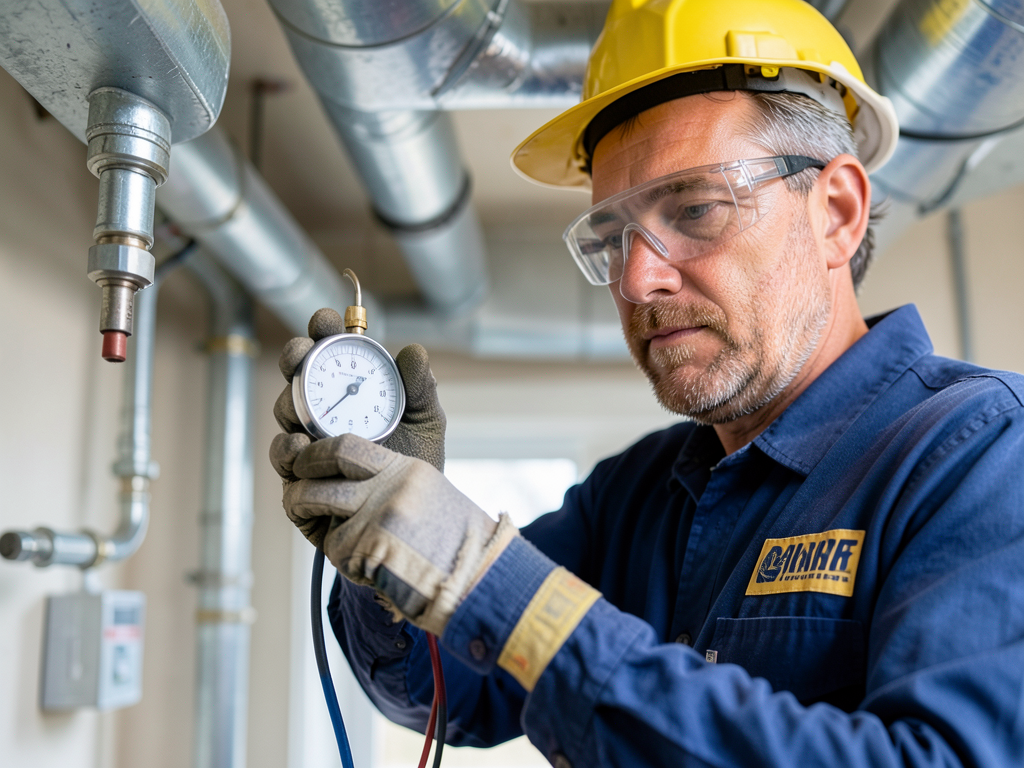
We do not show up with a hardware store detector and hope for the best. Our technicians carry multi-sensor gas analyzers that measure carbon monoxide, combustible gases, and oxygen levels simultaneously. When you call for emergency carbon monoxide testing, we dispatch a truck equipped with infrared cameras, combustion analyzers, and differential manometers to assess draft pressure in your venting system.

First, we evacuate the danger zone and ventilate the structure if CO levels exceed 35 ppm. Then we test every gas-burning appliance in your home: furnace, water heater, dryer, range, and any secondary heating units. We pull the furnace panels and inspect the heat exchanger for micro-cracks using a fiber-optic scope. We test flue draft with a digital gauge to confirm exhaust gases are venting outdoors, not backdrafting into living spaces. We check the integrity of vent connectors and look for rust, soot staining, or corrosion that signals incomplete combustion.

San Antonio's high humidity accelerates metal fatigue in HVAC components, especially in older systems installed before modern code requirements. If we find a compromised heat exchanger or a blocked chimney liner, we document it with photos, explain the failure mode, and provide options for immediate repair or replacement. We do not leave until your home is safe and you understand what caused the leak.

What Happens During Your Emergency CO Leak Inspection

Carbon Monoxide Leak Detection in San Antonio – Emergency Response in Under 60 Minutes
01

Immediate Dispatch and Safety Assessment

The moment you call, we send the closest available technician to your San Antonio address. Upon arrival, we take ambient CO readings in every room using a calibrated detector. If levels exceed safe thresholds, we evacuate occupants and open windows to ventilate. We shut down suspected gas appliances at the supply valve and confirm the space is safe to work in before we begin diagnostics.
02

Appliance-Level CO Testing

We test each gas-burning appliance individually by inserting a combustion analyzer probe into the flue or exhaust stream. This measures CO output, flue temperature, and oxygen content to determine if the appliance is burning cleanly or producing dangerous byproducts. We inspect heat exchangers, burners, and vent connectors for cracks, blockages, or corrosion that allow CO to escape into your home instead of venting outside.
03

Source Identification and Safe Resolution

Once we pinpoint the defective component, we explain the failure, document the findings, and outline your repair or replacement options. If a furnace heat exchanger is cracked, we tag it out and provide quotes for a new system. If a blocked flue caused backdrafting, we clear the obstruction and retest. We do not restore gas service until we confirm zero CO emissions and safe appliance operation.

Why San Antonio Residents Trust Patriot HVAC for Carbon Monoxide Emergencies

When your family's safety is on the line, you need a team that knows San Antonio HVAC systems inside and out. We have responded to CO emergencies in every neighborhood from Terrell Hills to Stone Oak, and we understand how local building practices and climate conditions contribute to system failures. Older homes in downtown San Antonio and the King William Historic District often have converted heating systems or improperly sized vent piping that creates draft problems. Newer construction in the northern suburbs sometimes has builder-grade furnaces that develop heat exchanger cracks within the first decade of use.

We know which furnace brands used by local contractors in the 2000s and 2010s are prone to premature failure. We know how South Texas humidity corrodes galvanized vent piping faster than in dry climates. We know how to navigate San Antonio's mechanical code requirements for replacement systems, and we know which inspectors enforce which sections. That local knowledge saves you time, money, and confusion when you are already stressed.

Our technicians carry the tools and parts to make emergency repairs on the spot when possible. We stock common heat exchanger assemblies, igniter modules, and flame sensors for the furnace models most common in Bexar County. If a full system replacement is required, we can have a new furnace installed and operational within 24 hours. We work with every major homeowner's insurance carrier and can help you file claims if your leak was caused by a covered failure. You are not alone in this. We handle the technical and administrative details so you can focus on keeping your family safe.

What to Expect When You Call Patriot HVAC for Emergency CO Detection

Same-Day Emergency Response

We operate 24 hours a day, 7 days a week, 365 days a year. Carbon monoxide does not take holidays, and neither do we. When you call our emergency line, a real person answers immediately, not a voicemail system. We dispatch a certified technician to your San Antonio address within 60 minutes, often faster during daylight hours. Our trucks are staged throughout Bexar County to minimize response time. If you are in immediate danger, we coordinate with San Antonio Fire Department responders to ensure your family is safe while we locate the source. Speed matters in CO emergencies, and we treat every call as life-threatening until proven otherwise.

Comprehensive Multi-Appliance Testing

We do not just test the obvious suspect. Our professional CO leak inspection covers every gas-burning appliance in your home. Furnaces, water heaters, gas dryers, ranges, fireplaces, and pool heaters all get evaluated. We measure CO output, oxygen levels, and flue draft on each unit. We visually inspect burners, igniters, and flame sensors for soot buildup or corrosion. We use infrared cameras to detect heat patterns that indicate cracked heat exchangers or blocked venting. If your home has a gas log fireplace or a ventless gas heater, we test those too. Many San Antonio homeowners do not realize how many potential CO sources they have until we walk through the house with a detector.

Clear Diagnosis and Transparent Pricing

Once we identify the source of the carbon monoxide leak, we explain the problem in plain language. You get photos of the defective component, a written diagnostic report, and a detailed explanation of the repair or replacement options. We provide upfront pricing before we start any work. No surprises, no hidden fees. If your furnace needs a new heat exchanger and the unit is old enough that replacement makes more sense, we explain the cost-benefit analysis so you can make an informed decision. If a simple repair like a new igniter or flame sensor solves the problem, we make the fix and get you back online. You always know what you are paying for and why.

Post-Repair Safety Verification and Monitoring Guidance

After we repair or replace the defective appliance, we perform a final round of carbon monoxide testing throughout your home to confirm zero residual CO. We check CO alarm functionality and battery condition. If your detectors are expired or non-functional, we recommend replacements and explain proper placement per NFPA standards. We provide written documentation of all test results and repair work for your records and insurance claims. Before we leave, we walk you through warning signs to watch for and explain when to call us back if symptoms recur. We also offer annual HVAC maintenance plans that include combustion analysis and CO testing as part of routine service, so future leaks are caught before they become emergencies.

Frequently Asked Questions

You Have Questions,
We Have Answers

How do you tell if you have a carbon monoxide leak? +

You cannot see or smell carbon monoxide, which makes it dangerous. Watch for physical symptoms like sudden headaches, dizziness, nausea, or confusion affecting multiple people in your home. Your CO detector alarm is the most reliable warning. If it sounds, evacuate immediately and call 911. Other signs include soot buildup around gas appliances, excessive moisture on windows, or a yellow or orange flame on your furnace instead of blue. San Antonio's older homes and aging HVAC systems increase risk. If you suspect a leak, get out fast and get professional testing done before returning.

What's the most common household thing to cause a carbon monoxide leak? +

Your furnace is the most common source of carbon monoxide leaks in San Antonio homes. Cracked heat exchangers, blocked vents, or poor combustion create dangerous CO buildup. San Antonio's fluctuating winter temperatures cause HVAC systems to cycle frequently, stressing components and increasing failure risk. Gas water heaters rank second, especially older units with corroded vents. Portable generators used during power outages also cause fatal poisoning when run in garages or too close to homes. Regular furnace inspections before heating season and proper appliance venting prevent most household CO incidents.

Can you test carbon monoxide with your phone? +

No reliable app can detect carbon monoxide with your phone. Some apps claim to use sensors, but smartphones do not have built-in CO detection hardware. A few Bluetooth-enabled CO detectors send alerts to your phone, but the physical detector does the actual sensing. Do not rely on your phone for CO safety. Install UL-listed carbon monoxide detectors on every level of your San Antonio home, especially near bedrooms. Battery-powered or hardwired units with battery backup work best during our occasional power outages. Your life depends on real detectors, not apps.

Should a carbon monoxide detector be placed high or low? +

Place carbon monoxide detectors at breathing level, not high or low. CO mixes evenly with air, so mounting detectors on walls about five feet high or on ceilings works equally well. Install one outside each sleeping area and on every level of your home. Avoid placing detectors directly above fuel-burning appliances or within 15 feet of kitchens and bathrooms, where humidity and cooking fumes cause false alarms. In San Antonio's single-story ranch homes, focus on bedroom hallways and living areas. For two-story homes, prioritize upstairs sleeping areas where families spend vulnerable nighttime hours.

What are two warning signs of carbon monoxide? +

Sudden flu-like symptoms without fever signal carbon monoxide exposure. Watch for headaches and dizziness that improve when you leave the house but return when you come back. The second warning is your CO detector alarm. Take every alarm seriously, even if you feel fine. Low-level exposure causes symptoms that mimic other illnesses, making CO poisoning easy to miss. In San Antonio, increased furnace use during cold snaps raises risk. If multiple family members feel sick simultaneously or pets act lethargic, evacuate immediately and call 911. Never ignore symptoms or dismiss detector alarms.

How long can you live in a house with a carbon monoxide leak? +

Time depends on concentration levels, but carbon monoxide kills fast at high concentrations. At 400 ppm, you have two to three hours before life-threatening symptoms. At 800 ppm, you lose consciousness in 45 minutes and die within two to three hours. At 1,600 ppm, death occurs in one hour. Even low levels cause permanent brain and heart damage over weeks. If your detector alarms or you experience symptoms, evacuate immediately. Do not try to find the source yourself. San Antonio fire departments respond to CO calls 24/7. Get out, call 911, and wait for professionals to clear your home.

What can falsely set off a carbon monoxide detector? +

High humidity, hairspray, cleaning chemicals, and paint fumes trigger false alarms. San Antonio's summer humidity can cause nuisance alarms in bathrooms and near air conditioner condensation. Detectors near garages pick up car exhaust during startup. Aging detectors past their seven-year lifespan malfunction frequently. Dust buildup on sensors also causes false readings. If your detector alarms, treat it as real until proven otherwise. Ventilate the area and evacuate. Never disable a detector assuming it's false. Replace units older than seven years and keep detectors away from bathrooms, kitchens, and garages.

How long does it take for a stove to be on to cause carbon monoxide poisoning? +

A gas stove alone rarely produces dangerous CO levels in well-ventilated spaces. However, leaving burners running in a closed kitchen for several hours raises CO concentrations. A malfunctioning stove with incomplete combustion creates CO faster. The real danger comes from using stoves or ovens for heating during San Antonio's winter cold snaps. Never use your oven to heat your home. This practice kills people every year. If you smell gas or see yellow flames instead of blue, turn off the stove and call a technician. Proper ventilation and working range hoods reduce risk.

How can I test for CO in my home? +

Install UL-listed carbon monoxide detectors on every level of your home. Digital detectors show real-time CO levels and peak readings. For professional testing, HVAC technicians use electronic analyzers that measure CO in parts per million near appliances and throughout your home. San Antonio homes should get annual furnace inspections before heating season, including combustion analysis and heat exchanger checks. If you suspect a leak, evacuate and call 911. Fire departments test for CO during emergency calls. Never rely on DIY chemical test strips, which are unreliable and waste critical response time.

How do I use my iPhone to detect carbon monoxide at home? +

Your iPhone cannot detect carbon monoxide without external hardware. You need a Bluetooth-enabled CO detector that pairs with monitoring apps. Brands like Nest and First Alert offer smart detectors that send alerts to your phone when CO is detected or batteries run low. The detector itself does the sensing, your phone just receives notifications. This technology helps San Antonio homeowners monitor vacation properties or get alerts when away from home. However, smart detectors still require proper placement, regular testing, and battery maintenance. Install traditional backup detectors too in case Wi-Fi or phone connectivity fails during emergencies.

Why San Antonio's Aging Housing Stock and High Humidity Create Hidden CO Risks

San Antonio's housing market includes thousands of homes built between 1950 and 1990, when furnace heat exchangers were made from thinner-gauge steel and venting standards were less stringent. These older systems corrode faster in our humid Gulf Coast climate, where summer dew points regularly exceed 70 degrees and moisture condenses inside vent piping and flue liners. When a heat exchanger develops a hairline crack, combustion gases leak into the air handler and get distributed through your ductwork into every room. Many San Antonio homeowners never realize their furnace is leaking CO until someone gets sick or an alarm sounds. Professional CO gas detection service is the only reliable way to catch these failures early, before they cause injury or death.

Patriot HVAC San Antonio specializes in emergency carbon monoxide testing for both older and newer construction throughout Bexar County. We know which HVAC contractors installed which furnace brands in which subdivisions, and we know which models have documented failure histories. We work closely with San Antonio's code enforcement officials and fire inspectors to ensure every repair meets current mechanical code standards. When you call us for urgent carbon monoxide check services, you are getting technicians who have responded to hundreds of CO emergencies in neighborhoods just like yours. We understand the local building practices, the climate challenges, and the appliance failures that put San Antonio families at risk. That local expertise is the difference between a fast resolution and a dangerous guessing game.
HVAC Services in The San Antonio Area

Patriot proudly serves San Antonio and surrounding communities with fast, reliable HVAC services. Use the map below to locate our service area and see if we’re available in your neighborhood. Whether you need a quick repair or full installation, we’re just a call away. Our mobile team is equipped and ready to meet you where you are. Count on Patriot for dependable service with a local touch.

Address:
Patriot HVAC San Antonio, 1100 Northwest Loop, San Antonio, TX, 91335

Additional Services We Offer

Our news updates

Latest Articles & News from The Blogs

Why Your AC Vents Are Whistling and How to Stop the Noise for Good That high-pitched whistle coming from your…

Why Your AC Vents Are Whistling and How to Stop the Noise for Good

Why Your AC Vents Are Whistling and How to Stop the Noise for Good That high-pitched whistle coming from your…

Why 72 Degrees Feels Different in San Antonio Than It Does Anywhere Else

Why 72 Degrees Feels Different in San Antonio Than It Does Anywhere Else When you set your thermostat to 72…

What Jefferson Terrace Homeowners Should Know About Older Ductwork and Modern Air Quality

What Jefferson Terrace Homeowners Should Know About Older Ductwork and Modern Air Quality \n\n Jefferson Terrace homes built in the…

Contact Us

If your CO alarm is sounding or you suspect a gas leak, do not wait. Call (726) 259-0059 right now for same-day emergency service. Our technicians are standing by 24 hours a day to protect San Antonio families from carbon monoxide poisoning.