





menu

Short Cycling in San Antonio – Stop the Damage Before Your System Fails

When your AC or furnace turns on and off repeatedly, you're burning money and shortening your equipment's life. Patriot HVAC San Antonio diagnoses the root cause of short cycling and stops the problem before it becomes a catastrophic failure.

Slider Image 1
Slider Image 2
Slider Image 3
Slider Image 4
Slider Image 5
Slider Image 7
Slider Image 8
Slider Image 9
Slider Image 10
Slider Image 11

Why Your HVAC System Won't Stop Turning On and Off

You hear it. The air conditioner kicks on for two minutes, shuts off, then fires up again. Your furnace runs for thirty seconds, clicks off, then repeats the cycle. This is HVAC rapid cycling, and it signals something broken in your system.

San Antonio's extreme heat puts extraordinary stress on cooling equipment. When outdoor temperatures push past 100 degrees for weeks at a time, compressors work overtime. A system that already has a weak component will fail faster under this thermal load. The constant stop-start pattern you are experiencing is not normal operation. It is a symptom of a deeper problem.

Short cycling happens for specific reasons. Your refrigerant charge may be incorrect. The thermostat might be reading false temperatures due to poor placement or electrical drift. The compressor contactor could be failing. Your evaporator coil may be frozen due to restricted airflow. An oversized system will rapid cycle because it satisfies the thermostat setpoint too quickly, never allowing the equipment to reach steady-state operation.

In neighborhoods like Alamo Heights and Terrell Hills, older homes with original ductwork often have undersized return air paths. This creates negative pressure, starves the blower, and triggers the high-pressure safety switch. The system shuts down, resets, then tries again. You get AC turning on and off repeatedly, and your electric bill climbs while comfort drops.

The damage compounds fast. Every startup cycle stresses the compressor. Motor windings heat up. Capacitors degrade. You are shortening the life of a machine that should last 15 years. Address furnace short cycling or air conditioner short cycle issues now, or prepare for a full replacement years ahead of schedule.

Why Your HVAC System Won't Stop Turning On and Off
How We Diagnose and Fix Rapid Cycling Problems

How We Diagnose and Fix Rapid Cycling Problems

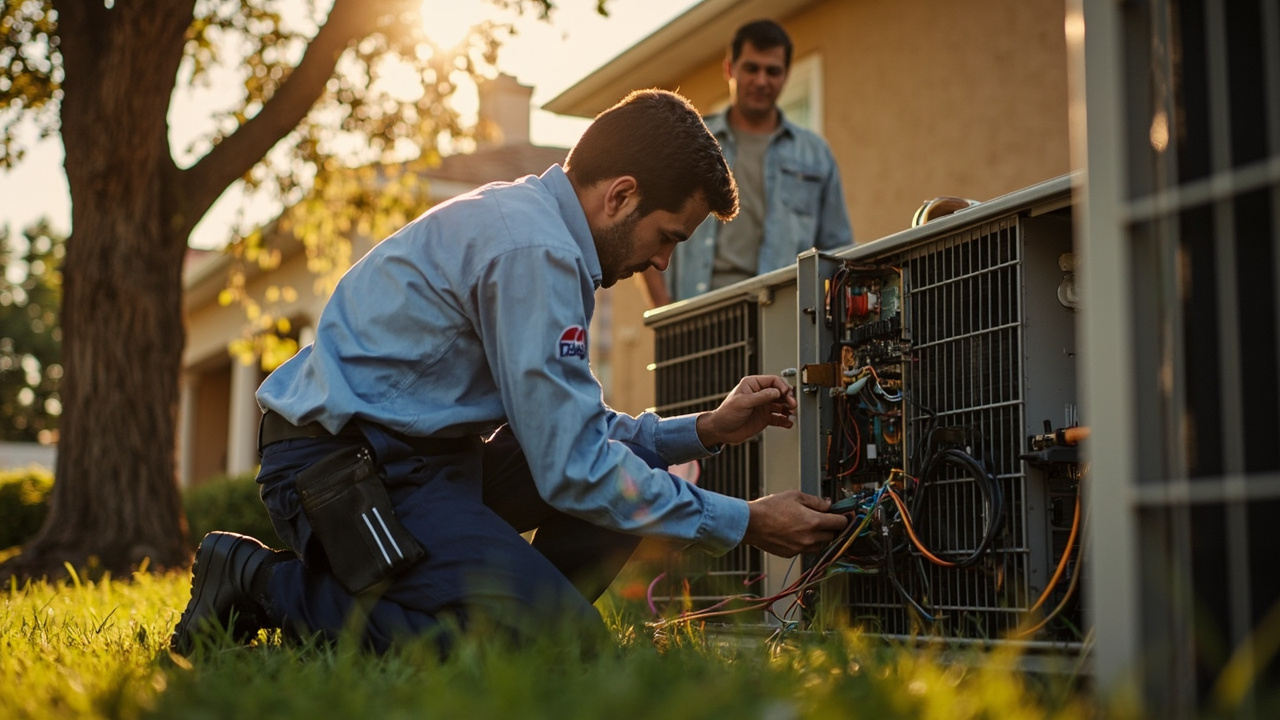
We do not guess. We measure. When you call Patriot HVAC San Antonio for a short cycling problem, we start with a full system analysis using calibrated instruments.

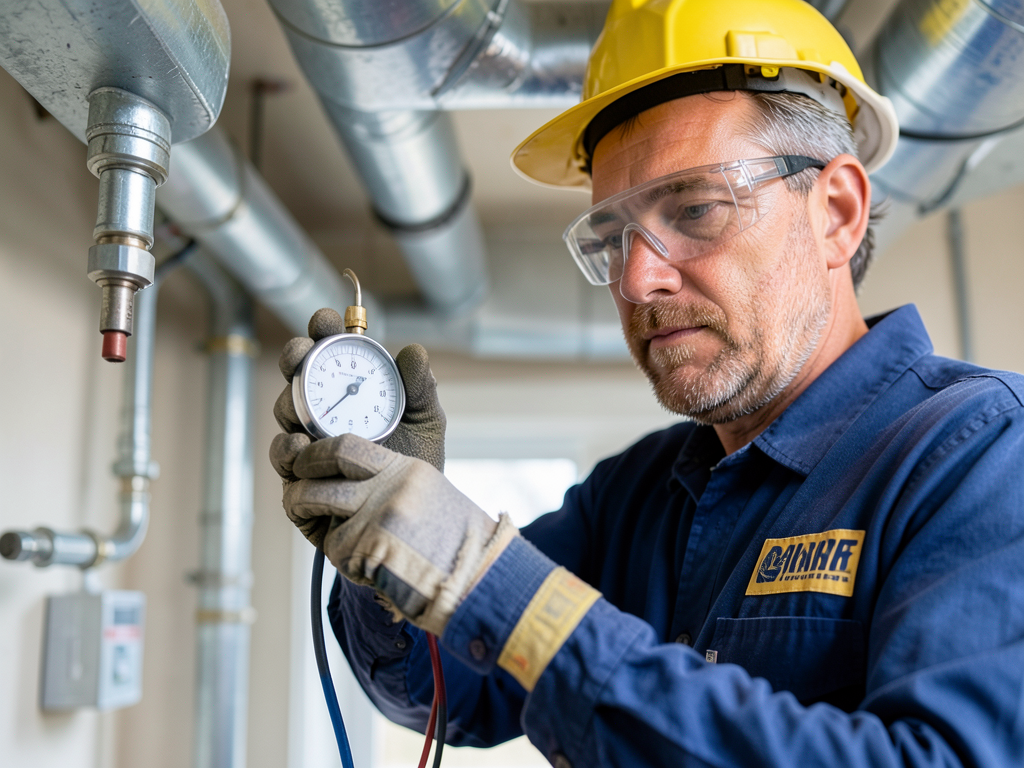
First, we check refrigerant pressures at the service ports. Low refrigerant indicates a leak. High pressures point to airflow restriction or an overcharged system. We use a digital manifold gauge set that shows real-time superheat and subcooling. This tells us if the refrigerant charge matches manufacturer specifications or if the metering device is failing.

Next, we inspect the airflow path. We pull the blower assembly and check the evaporator coil for dirt buildup or ice formation. A coil blocked by dust or biological growth will cause the system to freeze, triggering the safety limit and shutting down the compressor. We measure static pressure in the ductwork to confirm the blower is moving the correct cubic feet per minute. Undersized ducts or crushed flex runs will choke airflow and cause rapid cycling.

We test the thermostat with a millivolt meter to verify accurate temperature sensing and proper cycle timing. A failing thermostat will send erratic signals to the control board, causing the system to kick on and off without logic. We also inspect the contactor, capacitors, and the control board for voltage drops or failed relays.

If the system is oversized, we explain your options. You can install a variable-speed blower or multi-stage compressor to allow longer run times, or you can replace the unit with properly sized equipment. We give you the technical reasoning behind each option so you can make an informed decision. We do not sell you a new system unless the math supports it.

What Happens When You Call Us About Short Cycling

Short Cycling in San Antonio – Stop the Damage Before Your System Fails
01

System Performance Analysis

We arrive with diagnostic tools and run a full operational test. We measure amperage draw on the compressor and blower motor, check refrigerant pressures, and monitor cycle times. We document baseline performance so we can identify the exact failure point causing your system to rapid cycle. This is not a visual inspection. This is a data-driven evaluation.
02

Component Testing and Repair

Once we isolate the cause, we test the suspect component under load. If the contactor is arcing, we replace it. If the capacitor shows low microfarads, we swap it. If the refrigerant charge is off, we recover the old charge, pull a vacuum, and recharge to the nameplate spec. We fix the problem, not the symptom. You get a repair that lasts.
03

Cycle Verification and Calibration

After the repair, we run the system through multiple cycles and verify correct operation. We measure the run time, check that the system reaches setpoint without overshooting, and confirm the compressor is not short cycling. We recalibrate the thermostat if needed and adjust any airflow components. You get documented proof that the system is operating within design parameters.

Why San Antonio Residents Call Patriot HVAC for Short Cycling Repairs

San Antonio is not a forgiving climate for HVAC equipment. The combination of high heat, high humidity, and frequent dust storms creates a harsh operating environment. Your system runs harder here than it would in milder climates, and weak components fail faster.

We understand the specific failure modes that occur in this region. We know that the fine caliche dust in the air clogs evaporator coils faster than standard dirt. We know that the thermal expansion in copper linesets can cause brazed joints to crack over time, leading to slow refrigerant leaks. We know that the voltage sags during peak summer demand can stress compressor start components, leading to premature contactor failure.

This local knowledge matters. A technician from another city might misdiagnose a dirty coil as low refrigerant, or blame a failing capacitor when the real issue is voltage drop from the utility. We have worked on thousands of systems in neighborhoods from Stone Oak to Southtown, and we have seen the patterns. We know what breaks, why it breaks, and how to fix it correctly the first time.

We also understand local building codes and permitting requirements. If your short cycling issue stems from improperly installed ductwork or an oversized replacement unit installed by a previous contractor, we can pull permits and correct the installation to meet current code. This protects your home's resale value and ensures the system performs as designed.

You will not get a sales pitch from us. You will get a technician who can explain the thermodynamic principles behind your system's failure in plain language. We respect your intelligence and your budget. If a repair makes sense, we do it. If replacement is the smarter financial decision, we show you the math.

What to Expect When We Service Your Short Cycling System

Fast Response When You Need It

We dispatch a technician to your location within hours, not days. Short cycling is a progressive failure. The longer your system runs in this mode, the more damage accumulates. We prioritize these calls because we know the urgency. Our trucks carry common repair parts like contactors, capacitors, and thermostats, so most repairs are completed on the first visit. You are not waiting for parts orders or return appointments unless the failure is unusual.

Transparent Diagnostic Process

We show you the readings. You see the pressure gauges, the amp clamp measurements, and the temperature differentials. We explain what each number means and how it relates to your system's malfunction. If we find a failed component, we show you the part and explain why it failed. You are not asked to approve repairs based on trust alone. You approve them based on evidence. This level of transparency eliminates doubt and ensures you understand what you are paying for.

Repairs That Solve the Problem

When we complete a repair, the short cycling stops. We do not apply temporary fixes or patch symptoms. We address the root cause. If your system was rapid cycling due to low refrigerant, we find and repair the leak, then recharge the system. If it was cycling due to a bad thermostat, we replace the thermostat and verify accurate temperature control. You get a system that runs in normal cycles, maintains consistent temperatures, and operates efficiently. The repair is verifiable and measurable.

Follow-Up Support and Maintenance

After we fix the short cycling issue, we provide guidance on maintaining your system to prevent recurrence. We recommend filter change intervals based on your home's dust load and occupancy. We explain when to schedule coil cleaning and what signs indicate developing problems. If the repair involved refrigerant work, we offer a follow-up pressure check to confirm the system is holding charge. We want your system to run correctly for years, not weeks.

Frequently Asked Questions

You Have Questions,
We Have Answers

What is the most common cause of short cycling? +

The most common cause of short cycling is a dirty or clogged air filter. In San Antonio's dusty climate, filters collect debris quickly and restrict airflow, forcing your system to overheat and shut down prematurely. Other frequent culprits include refrigerant leaks, oversized units for your home's square footage, and faulty thermostats. The intense heat and high humidity in San Antonio accelerate wear on refrigerant lines and electrical components, making regular maintenance essential. If your system cycles on and off every few minutes instead of running full 15-minute cycles, you need professional diagnosis to prevent compressor failure.

How do you fix short cycling? +

Fixing short cycling starts with replacing your air filter if it is dirty. Check your thermostat placement. Direct sunlight or heat sources near the thermostat can trick it into false readings. Inspect your outdoor unit for debris blocking airflow. In San Antonio, pollen, cottonwood, and construction dust clog condenser coils rapidly. If these quick fixes do not work, you likely need a licensed technician to check refrigerant levels, test electrical components, or diagnose compressor issues. Oversized systems require professional load calculations and potentially unit replacement. Never ignore short cycling because it destroys compressors and spikes energy bills.

What is the meaning of short cycling? +

Short cycling means your HVAC system turns on and off too frequently, running in cycles shorter than 10 to 15 minutes. A properly functioning system should run complete cycles to reach your set temperature, then stay off for a reasonable period. When it short cycles, the unit never completes a full cooling or heating cycle. This rapid on-off pattern prevents proper dehumidification in San Antonio's humid climate, wastes energy, and causes extreme wear on your compressor. The compressor is the most expensive component in your system, and short cycling will kill it prematurely. Think of it as stop-and-go traffic for your HVAC unit.

How to tell if HVAC is short cycling? +

You can tell your HVAC is short cycling if it turns on, runs for just a few minutes, shuts off, then repeats this pattern constantly. Time the cycles. Healthy systems run 15 to 20 minutes per cycle. If yours runs three to five minutes then shuts off, you have short cycling. Listen for rapid clicking sounds from your thermostat or outdoor unit. Check your energy bills. Short cycling spikes electricity costs because starting the compressor uses enormous energy. In San Antonio, you will also notice poor humidity control and uneven temperatures between rooms when your system short cycles instead of completing full cycles.

Can a thermostat cause short cycling? +

Yes, a faulty thermostat absolutely causes short cycling. If your thermostat is incorrectly calibrated, it reads temperatures inaccurately and signals your system to shut off too early. In San Antonio homes, thermostats located near windows, doors, or heat-producing appliances get false readings from direct sunlight or radiant heat. Old mercury thermostats lose calibration over time. Loose wiring creates intermittent connections that disrupt communication between your thermostat and system. Modern smart thermostats can malfunction due to software glitches or wrong settings. Before replacing major components, have a technician test your thermostat with a calibrated thermometer to rule out this simple fix.

How to tell if a compressor is shorted to ground? +

Testing if a compressor is shorted to ground requires a multimeter and should only be done by licensed technicians. A professional disconnects power, discharges capacitors, and uses the multimeter to test resistance between compressor terminals and the compressor housing. If the meter shows continuity or low resistance to ground, the compressor windings have failed and shorted to the metal casing. This is catastrophic failure. You will often smell burning or see scorch marks on wiring. Shorted compressors trip breakers repeatedly. In San Antonio's extreme heat, compressor failures happen more frequently due to electrical stress and overheating from short cycling or refrigerant issues.

Can a dirty air filter cause short cycling? +

Absolutely. A dirty air filter is one of the top causes of short cycling. When your filter clogs with dust, pet hair, and debris, it chokes airflow across your evaporator coil. Restricted airflow causes the coil to freeze or the system to overheat, triggering safety shutoffs. In San Antonio, filters collect caliche dust, pollen, and oak mold spores rapidly, especially during spring and construction season. You should check your filter monthly and replace it every 30 to 90 days depending on usage. A three dollar filter change can prevent a three thousand dollar compressor replacement. This is the easiest diagnostic step you can do yourself.

What is the $5000 AC rule? +

The five thousand dollar AC rule is an informal guideline suggesting that if your repair cost multiplied by the age of your unit in years exceeds five thousand dollars, you should replace the system instead of repairing it. For example, if your 12 year old unit needs a five hundred dollar repair, that equals six thousand dollars, exceeding the threshold. This rule helps San Antonio homeowners make replacement decisions, but it oversimplifies. Factor in refrigerant type, energy efficiency, and whether your system uses obsolete R-22 refrigerant. A qualified technician should provide a detailed cost analysis comparing repair versus replacement with energy savings projections.

How much does it cost to fix a short cycling furnace? +

Repair costs for furnace short cycling vary widely based on the root cause. Simple fixes like thermostat replacement or flame sensor cleaning cost one hundred to three hundred dollars. Pressure switch or control board replacement runs three hundred to six hundred dollars. If you need a new gas valve or blower motor, expect six hundred to one thousand dollars. Complete heat exchanger failure requires furnace replacement. San Antonio has fewer heating days, so furnace components often fail from disuse rather than overuse. Get a diagnostic from a licensed technician before approving repairs. Proper diagnosis prevents throwing money at the wrong component. Request itemized estimates comparing repair versus replacement.

Why is my AC set to 72 but reads 78? +

When your thermostat is set to 72 but reads 78, your system cannot keep up with the cooling load. In San Antonio summers, this happens when your unit is undersized, low on refrigerant, or failing mechanically. Check your air filter first. A clogged filter restricts airflow and kills cooling capacity. Verify your outdoor condenser is not buried in debris or damaged by hail. Your ductwork may have massive leaks dumping cold air into your attic. If your system is over 15 years old, declining efficiency is normal. Refrigerant leaks reduce capacity silently. A load calculation determines if your equipment matches your home's actual cooling needs.

How San Antonio Heat Accelerates Short Cycling Failures

San Antonio sits in a transition zone between humid subtropical and semi-arid climates. Summer temperatures regularly exceed 100 degrees, and the heat index climbs higher due to Gulf moisture. This forces air conditioners to run at maximum capacity for extended periods. Compressors that operate near their thermal limits will fail faster when components like capacitors or contactors begin to degrade. A weak capacitor that might last another season in a cooler city will cause short cycling within weeks here. The thermal stress is relentless, and marginal components fail quickly.

Local HVAC contractors who understand these conditions can differentiate between a system that needs minor repairs and one that is on the edge of catastrophic failure. Patriot HVAC San Antonio has diagnosed short cycling issues in homes across every neighborhood in this city. We know which brands hold up better under sustained high-temperature operation. We know which installation practices lead to premature failures. This experience allows us to give you accurate assessments and realistic expectations. You get advice that reflects the actual operating conditions in San Antonio, not generic guidance from a manual.

HVAC Services in The San Antonio Area

Patriot proudly serves San Antonio and surrounding communities with fast, reliable HVAC services. Use the map below to locate our service area and see if we’re available in your neighborhood. Whether you need a quick repair or full installation, we’re just a call away. Our mobile team is equipped and ready to meet you where you are. Count on Patriot for dependable service with a local touch.

Address:
Patriot HVAC San Antonio, 1100 Northwest Loop, San Antonio, TX, 91335

Additional Services We Offer

Our news updates

Latest Articles & News from The Blogs

Why Your AC Vents Are Whistling and How to Stop the Noise for Good That high-pitched whistle coming from your…

Why Your AC Vents Are Whistling and How to Stop the Noise for Good

Why Your AC Vents Are Whistling and How to Stop the Noise for Good That high-pitched whistle coming from your…

Why 72 Degrees Feels Different in San Antonio Than It Does Anywhere Else

Why 72 Degrees Feels Different in San Antonio Than It Does Anywhere Else When you set your thermostat to 72…

What Jefferson Terrace Homeowners Should Know About Older Ductwork and Modern Air Quality

What Jefferson Terrace Homeowners Should Know About Older Ductwork and Modern Air Quality \n\n Jefferson Terrace homes built in the…

Contact Us

Your HVAC system is damaging itself with every short cycle. Call Patriot HVAC San Antonio now at (726) 259-0059. We will diagnose the problem, explain the fix, and restore normal operation before the damage becomes irreversible.