
Surviving a CPS Energy Peak Demand Event Without Turning Your House into an Oven
When CPS Energy announces a Peak Demand Event in San Antonio you know the battle is about to begin. The grid strains under the weight of thousands of air conditioners running at full blast and your wallet feels the heat too. But you do not have to choose between comfort and your bank account. With the right strategies you can keep your home cool during those critical hours without breaking the bank. CPS Energy official site.
Peak Demand Events typically hit between 2 PM and 7 PM on the hottest summer days. That is when electricity prices spike and the risk of rolling blackouts increases. The good news is that a few smart moves before and during these hours can make all the difference. You can stay comfortable and avoid the shock of a sky-high bill.
Understanding CPS Energy Peak Demand and Why It Matters
CPS Energy charges higher rates during Peak Demand Hours to encourage conservation when the grid is under stress. These hours usually run from 2 PM to 7 PM Monday through Friday during the summer months. The utility uses a tiered pricing system where electricity during these hours costs significantly more than off-peak times.. Read more about What to Do When Your China Grove HVAC System Takes a Hit from a Power Surge.
The reason is simple. When everyone cranks their AC at the same time the grid must work harder to meet demand. This can lead to equipment strain higher operational costs and in extreme cases rolling blackouts. By shifting some of your cooling needs to earlier or later in the day you help stabilize the grid and lower your own costs.
The Pre-Cooling Strategy: Your Secret Weapon Against Peak Demand
Pre-cooling is one of the most effective ways to survive a Peak Demand Event without sacrificing comfort. The idea is to cool your home in the hours before the peak window so your AC does not have to work as hard when rates are highest.
Start by lowering your thermostat by a few degrees in the late morning around 11 AM to 12 PM. This cools your home and everything inside it including walls furniture and flooring. These materials absorb the cold and act like a thermal battery releasing cool air slowly over time.
Once the peak window hits at 2 PM raise your thermostat by a few degrees. Your home will stay comfortable for hours thanks to the pre-cooling effect. Ceiling fans can also help circulate the cool air making the space feel even cooler without running the AC as much.
Optimizing Your HVAC System for Peak Efficiency
Your HVAC system needs to be in top shape to handle the demands of a San Antonio summer. A well-maintained unit uses less energy and cools more effectively which is critical during Peak Demand Events.. Read more about Managing Your San Antonio Short Term Rental HVAC System from Your Phone.
Start with your air filter. A dirty filter restricts airflow making your system work harder. Use a high-quality filter with a MERV rating between 8 and 11 for the best balance of airflow and particle capture. Check it monthly and replace it when it looks dirty.
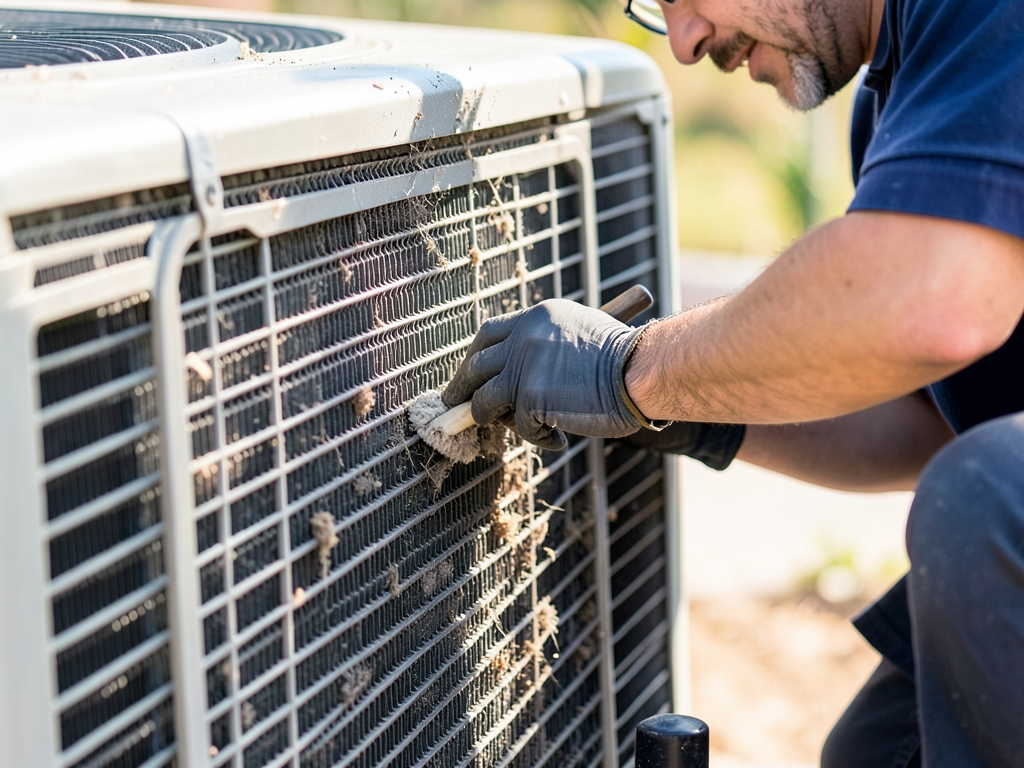
Next inspect your outdoor condenser unit. Clear away any leaves grass or debris that might block airflow. Make sure there is at least two feet of clearance around the unit. Dirty condenser coils can reduce efficiency by up to 30 percent so consider having them professionally cleaned.
Finally schedule a professional tune-up before the heat of summer hits. A technician can check refrigerant levels clean coils and inspect electrical components. This not only improves efficiency but also helps prevent mid-summer breakdowns when you need cooling the most.
Smart Thermostats and CPS Energy Programs
Smart thermostats are a game changer for managing Peak Demand Events. These devices learn your schedule and can automatically adjust temperatures to save energy. Many also integrate with CPS Energy’s demand response programs.
The CPS Energy Power Partner program lets you earn bill credits by allowing the utility to make small adjustments to your thermostat during peak events. These adjustments are usually minor and you can override them if needed. Over the course of a summer these credits can add up to significant savings.
Popular smart thermostats like the Nest Learning Thermostat and ecobee can also be programmed to pre-cool your home and adjust settings automatically during peak hours. Some models even provide energy reports so you can see exactly how much you are saving.
Sealing and Insulating Your Home for Maximum Efficiency
Even the best HVAC system will struggle if your home is leaking cool air. Proper sealing and insulation are essential for keeping the heat out and the cool in.. Read more about Keeping Your Highland Park Workshop or Garage Cool During a Triple Digit Summer.
Start with your attic. In San Antonio the sun beats down on your roof all day heating up the attic space. If your attic is not properly insulated that heat radiates into your living areas making your AC work overtime. Aim for an R-38 insulation value in your attic which is the recommendation for our climate zone. Uneven Heating or Cooling.
Next check for air leaks around windows doors and ductwork. Even small gaps can let in hot humid air. Use weather stripping around doors and caulk around windows. For ductwork consider having a professional seal and insulate any exposed ducts especially those running through unconditioned spaces.
Zoned Cooling: Cooling Only What You Need
If your home has multiple stories or areas that are rarely used consider a zoned cooling system. These systems use dampers in your ductwork to direct cool air only where it is needed.
For example you might keep bedrooms cooler at night but let them warm up a bit during the day when everyone is in the living areas. This targeted approach can reduce energy use by 20 percent or more compared to cooling the entire house at once.
Even if you do not have a zoned system you can create your own zones by closing vents in unused rooms and keeping doors shut. Just be careful not to close too many vents as this can reduce airflow and strain your system.
The Financial Impact of Peak Demand Charges
Understanding how CPS Energy bills for peak demand can help you see the value of these strategies. During the summer months CPS Energy adds a Peak Capacity Charge to your bill based on your highest one-hour electricity usage between 2 PM and 7 PM on weekdays.
This means if you run your AC full blast during a hot afternoon you could be charged a higher rate for the entire month based on that single hour. By shifting some of your cooling to off-peak times you can lower your peak demand and avoid these extra charges.
For example a homeowner who pre-cools and raises their thermostat during peak hours might save 15 to 25 percent on their monthly bill compared to someone who does not adjust their usage. Over a long San Antonio summer those savings add up quickly.
Long-Term Investments for Peak Demand Resilience
While the strategies above can help you survive a single Peak Demand Event some homeowners choose to invest in longer-term solutions. These upgrades can make your home more comfortable year-round and reduce your reliance on the grid during peak times.
One option is to upgrade to a high-efficiency HVAC system with a SEER2 rating of 18 or higher. These units use advanced technology to cool more effectively while using less energy. While the upfront cost is higher the energy savings and potential rebates can make it worthwhile.
Another option is to add solar panels to your home. Solar can offset your electricity use during peak hours and in some cases you can even sell excess power back to the grid. Combined with battery storage you could keep your home cool during a Peak Demand Event even if the grid is strained.
Finally consider upgrading your windows to double or triple-pane models with low-emissivity coatings. These windows reduce heat gain from sunlight keeping your home cooler without running the AC as much.
Common Mistakes to Avoid During Peak Demand Events
Even with the best intentions it is easy to make mistakes that undermine your efforts to save energy during Peak Demand Events. Here are a few common pitfalls to watch out for.
First do not turn your AC off completely during peak hours. While it might seem like a good way to save energy it takes much more energy to cool your home back down than to maintain a steady temperature.
Second avoid using heat-generating appliances like ovens dryers and dishwashers during peak hours. These add heat to your home forcing your AC to work harder. Instead run them in the early morning or late evening.
Finally do not neglect maintenance. A dirty filter or low refrigerant charge can reduce your system’s efficiency by 20 percent or more. Regular maintenance ensures your system is ready when you need it most. Commercial Maintenance Agreements.
Putting It All Together: Your Peak Demand Survival Plan
Surviving a CPS Energy Peak Demand Event without turning your house into an oven is all about preparation and smart management. Start by pre-cooling your home in the late morning then raising your thermostat during the peak window. Use ceiling fans to help circulate cool air and keep your system maintained for maximum efficiency.
Take advantage of CPS Energy programs like Power Partner and consider long-term upgrades like high-efficiency HVAC zoned cooling or solar panels if you want to reduce your reliance on the grid. Avoid common mistakes like turning your AC off completely or using heat-generating appliances during peak hours.
With these strategies you can stay comfortable save money and do your part to keep the San Antonio grid stable even on the hottest summer days.
Frequently Asked Questions
What time of day are CPS Energy peak demand charges in effect?
Peak demand charges typically apply from 2 PM to 7 PM Monday through Friday during the summer months June through September.
How much can I save by pre-cooling my home?
Homeowners who pre-cool and adjust their thermostat during peak hours can save 15 to 25 percent on their monthly energy bills during the summer.
Does using ceiling fans really help reduce AC usage?
Yes ceiling fans can make a room feel 4 to 6 degrees cooler allowing you to raise your thermostat setting while maintaining comfort.
Are smart thermostats worth the investment for peak demand management?
Smart thermostats can pay for themselves in energy savings within one to two years especially when paired with CPS Energy demand response programs.
What is the best MERV rating for air filters in San Antonio?
A MERV rating between 8 and 11 offers the best balance of airflow and particle capture for most San Antonio homes.
How often should I have my HVAC system serviced?
Schedule professional maintenance twice a year once before cooling season and once before heating season to ensure optimal performance.
Can I really make a difference by sealing air leaks?
Yes sealing air leaks can reduce your cooling costs by 10 to 15 percent by preventing hot humid air from entering your home.
What is the recommended attic insulation for San Antonio?
San Antonio homes should have at least R-38 insulation in the attic to meet current energy code requirements.
Are CPS Energy demand response programs voluntary?
Yes programs like Power Partner are completely voluntary and you can opt out at any time if you are not comfortable with the adjustments.
How do I know if my home is a good candidate for zoned cooling?
Homes with multiple stories large square footage or areas that are rarely used typically benefit the most from zoned cooling systems.
What is the biggest mistake people make during peak demand events?
The biggest mistake is turning the AC off completely during peak hours which forces the system to work much harder to recool the home afterward.
Can solar panels help during peak demand events?
Yes solar panels can offset your electricity use during peak hours and in some cases you can even sell excess power back to the grid.
How do I sign up for CPS Energy demand response programs?
You can sign up through your CPS Energy online account or by calling their customer service line to learn about available programs.
What temperature should I set my thermostat to during peak hours?
During peak hours aim for a setting 2 to 4 degrees higher than your normal comfort level to reduce energy use while staying comfortable.
Is it worth upgrading to a high-efficiency HVAC system?
If your current system is over 10 years old or frequently needs repairs upgrading to a high-efficiency model can provide significant energy savings and improved comfort. Stone Oak AC Repair Services That Can Actually Handle the Texas Heat.
Ready to Beat the Heat This Summer
Peak Demand Events do not have to mean choosing between comfort and your budget. With the right strategies and a well-maintained HVAC system you can keep your home cool and your energy bills under control. If you want to make sure your system is ready for whatever summer throws at it call Patriot HVAC today at (726) 259-0059. Our expert technicians can help you prepare your home for peak efficiency and comfort all season long.
Pick up the phone and call (726) 259-0059 before the next heatwave hits. Let Patriot HVAC help you stay cool without breaking the bank. For more information, visit Department of Energy air conditioning guide.