
Dealing with All the Construction Dust in Your Redland Ridge HVAC System
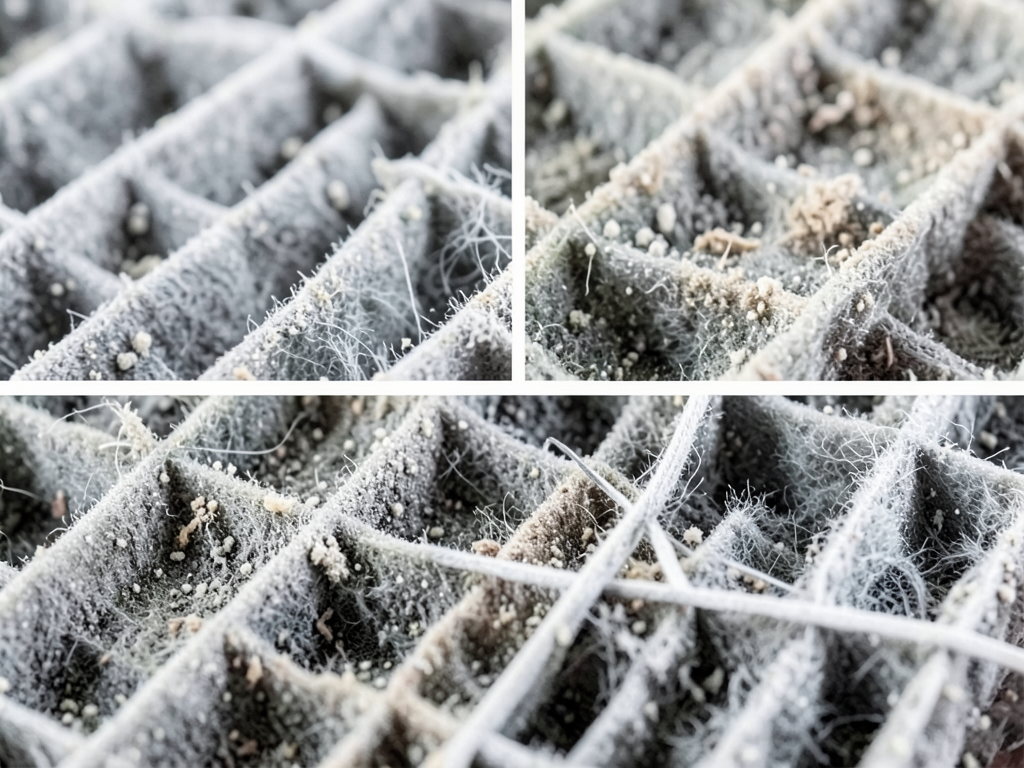
Construction dust is the silent killer of HVAC systems in Redland Ridge. Fine particles from drywall sanding, concrete cutting, and wood framing bypass standard filters and coat your evaporator coil, blower motor, and ductwork. This buildup restricts airflow, forces your system to work harder, and can lead to expensive repairs. The high humidity in San Antonio turns construction dust into a sticky sludge that clings to wet coils, making the problem even worse. EPA guide to air cleaners and filters.
Redland Ridge homeowners are experiencing this firsthand as new developments bring constant construction activity. Your system might be running longer cycles, struggling to cool, or making unusual noises. These are warning signs that construction dust has infiltrated your HVAC system. The good news is you can protect your equipment with the right filters and maintenance schedule. Commercial Maintenance Agreements.
Standard fiberglass filters catch only the largest particles. During construction, you need filters with higher MERV ratings that can trap fine particulates without restricting airflow. But there’s a catch: too high a MERV rating on an older system can actually damage your blower motor. You need the right balance for your specific equipment.
The first 24 hours after construction ends are critical. That’s when the most dust settles throughout your home and system. Waiting even a few days allows dust to work its way deeper into your equipment. Professional cleaning of your evaporator coil and blower assembly can restore lost efficiency and prevent long-term damage.
Call (726) 259-0059 today to schedule your inspection. Our NATE-certified technicians understand the unique challenges of construction dust in Redland Ridge homes and can recommend the right protection for your system.
Why Construction Dust Is Different From Regular Household Dust
Construction dust particles are much smaller than typical household dust. Drywall dust ranges from 0.5 to 10 microns in size, while standard fiberglass filters only catch particles larger than 10 microns. This means fine construction particulates flow right through your filter and coat internal components.
The silica content in construction dust is particularly problematic. When these particles accumulate on your evaporator coil, they create an insulating layer that prevents proper heat transfer. Your system has to run longer to achieve the same cooling effect, driving up energy costs and shortening equipment life.
San Antonio’s humidity compounds the problem. When construction dust contacts the cold, wet surface of your evaporator coil, it forms a cement-like sludge. This buildup can reduce cooling efficiency by up to 30% and create the perfect environment for microbial growth.
Construction dust also contains abrasive materials that can damage blower motor bearings and fan blades. The constant circulation of these particles acts like sandpaper on moving parts, leading to premature failure. Many Redland Ridge homeowners don’t realize their system problems started during the construction boom around their neighborhood.
Pro Tip: During active construction phases, check your filter weekly. If it looks gray or you can’t see through it when holding it to light, it’s time for replacement. Don’t wait the standard 30-90 days.
MERV Ratings Decoded: What You Need During Construction
MERV stands for Minimum Efficiency Reporting Value. This rating system measures how effectively a filter captures particles of different sizes. For construction dust, you need a filter that balances high efficiency with proper airflow.
| MERV Rating | Particle Size Captured | Best For | Airflow Impact |
|---|---|---|---|
| MERV 8 | 3-10 microns | Basic household dust | Minimal |
| MERV 11 | 1-3 microns | Construction dust, pollen | Moderate |
| MERV 13 | 0.3-1 microns | Fine construction dust, smoke | Significant |
MERV 11 filters offer the best protection during construction phases. They capture most construction particulates while maintaining adequate airflow for most residential systems. MERV 13 filters can be too restrictive for older systems, causing the blower motor to work harder and potentially fail.
Look for pleated filters with a MERV 11 rating and a dust-spot efficiency of at least 85%. These filters have more surface area than flat fiberglass options, allowing better airflow while capturing more particles. The pleated design also prevents the filter from collapsing under the weight of heavy dust accumulation.
During peak construction periods, replace your MERV 11 filter every 2-3 weeks instead of the standard 1-3 months. The cost of extra filters is minimal compared to the expense of cleaning a contaminated evaporator coil or replacing a burned-out blower motor.
Warning: Never install a MERV 13 or higher filter without having your system’s static pressure tested first. High-efficiency filters can cause older systems to overheat and fail.
Pleated vs. Fiberglass: The Construction Phase Battle
Fiberglass filters are inexpensive but ineffective against construction dust. Their loose weave allows fine particulates to pass through while only catching larger debris like leaves and insects. During construction, these filters become clogged quickly and provide almost no protection to your system.. Read more about How to Clear a Clogged AC Drain Line Before It Floods Your Kirby Laundry Room.
Pleated filters use synthetic media folded into an accordion pattern. This design increases the surface area by up to 300% compared to flat filters. More surface area means better dust holding capacity and less airflow restriction, even when the filter starts collecting particles.
The depth of the pleats matters too. Standard 1-inch pleated filters work for basic protection, but 2-inch or 4-inch deep-pleat filters are superior for construction phases. The additional depth allows for more dust accumulation before airflow becomes restricted.
Electrostatic pleated filters add another layer of protection. These filters use self-charging fibers that attract and hold particles like a magnet. The electrostatic charge helps capture the smallest construction particulates that would otherwise pass through standard filters.
Consider investing in a 4-inch media filter cabinet if you’re in an area with ongoing construction. These commercial-grade systems can handle months of heavy dust loads without restricting airflow. They’re more expensive upfront but save money by protecting your expensive HVAC components.
Diagnostic Tip: If your system is short cycling (turning on and off frequently) during construction, your filter is likely clogged. Replace it immediately to prevent compressor damage.
San Antonio Specific Considerations
San Antonio’s climate creates unique challenges for HVAC systems dealing with construction dust. Our high humidity levels, often exceeding 70% in summer, cause construction dust to absorb moisture and become sticky. This damp dust adheres to evaporator coils and doesn’t get blown off during normal operation.. Read more about How Often You Should Really Change Your Air Filter if You Have Pets in Your Brooks City Base Home.
The combination of construction dust and humidity creates the perfect environment for microbial growth. Mold and bacteria thrive in the warm, moist environment of a contaminated coil. This not only reduces efficiency but can also affect indoor air quality and create musty odors throughout your home.. Read more about Simple Ways to Improve Indoor Air Quality in Your Near East Side Home Without Buying a New System.
San Antonio’s frequent temperature swings during spring and fall construction seasons add another layer of complexity. Your system may alternate between heating and cooling modes, causing condensation that mixes with construction dust to form a muddy residue in your ductwork. Uneven Heating or Cooling.
The limestone and caliche dust common in San Antonio construction sites is particularly abrasive. These materials contain sharp silica particles that can score blower wheel blades and damage bearing surfaces. The damage is gradual but cumulative, often leading to noisy operation and eventual failure. Stone Oak AC Repair Services That Can Actually Handle the Texas Heat.
Redland Ridge’s proximity to the Edwards Aquifer means higher humidity levels than areas farther from the water table. This increased moisture content in the air makes construction dust management even more critical for local homeowners.
Local Fact: San Antonio’s Building Code Section 13-54-422 requires all construction sites to implement dust control measures, but these regulations don’t protect nearby existing HVAC systems from airborne particulates.
Post-Construction HVAC Checklist
Once construction ends, your HVAC system needs immediate attention. The transition from construction-phase filtration to normal operation requires several critical steps to protect your investment and restore optimal performance.
- First 24-Hour Filter Swap
Replace your construction filter immediately after the last work day. This removes the dust accumulated during the final construction activities.
- Coil Inspection
Check your evaporator coil for visible dust buildup. If you see gray coating on the coil fins, professional cleaning is needed.
- Blower Assembly Check
Listen for unusual noises when your system runs. Grinding or rattling sounds indicate dust in the blower assembly.
- Ductwork Assessment
Look for excessive dust around supply vents. Heavy dust accumulation suggests contamination throughout your duct system.
- Static Pressure Test
Have a technician measure your system’s static pressure to ensure proper airflow after construction.
Professional coil cleaning is often necessary after construction. Technicians use specialized foaming cleaners that break down the cement-like sludge formed when construction dust mixes with condensation. This process can restore up to 30% of lost cooling capacity.
Consider having your ductwork inspected with a video camera. Construction dust can settle in low spots and corners of your duct system, creating ongoing air quality issues. Professional duct cleaning may be recommended if heavy contamination is found.
Install a high-quality air purifier with HEPA filtration for the first month after construction. This helps capture any remaining airborne particulates as they settle throughout your home. Look for units with activated carbon filters to address any construction-related odors.
Monitor your energy bills for the first three months after construction. A sudden increase in cooling costs often indicates your system is still working harder than necessary due to construction dust contamination.
Emergency Sign: If you notice a burning smell when your system runs, turn it off immediately and call for service. This indicates dust has accumulated on electrical components and poses a fire risk.
When to Call a Professional vs. DIY Solutions
Homeowners can handle basic filter changes and visual inspections, but construction dust often requires professional intervention. The decision between DIY and professional service depends on several factors.
DIY is appropriate when you’re comfortable accessing your air handler, have basic tools, and notice only minor dust accumulation. You can replace filters, clean accessible vent covers, and monitor system performance. However, DIY has limitations when it comes to internal components.
Professional service is necessary when you notice reduced cooling capacity, unusual noises, burning smells, or see visible dust on evaporator coils. These symptoms indicate contamination inside components that require specialized cleaning equipment and expertise to address properly.
Consider the age of your system when deciding. Newer systems with warranty coverage should have professional maintenance to avoid voiding coverage. Older systems may benefit from professional deep cleaning to restore efficiency and extend service life.
Professional cleaning involves disassembling the blower assembly, using industrial-strength coil cleaners, and sometimes applying antimicrobial treatments. These services typically cost between $200-500 but can save thousands in premature component replacement.
Cost Comparison: A blower motor replacement in San Antonio averages $800-1,200. Professional coil cleaning costs $250-400. The math favors prevention through professional cleaning after major construction exposure.
Call (726) 259-0059 today to schedule your inspection. Our NATE-certified technicians understand the unique challenges of construction dust in Redland Ridge homes and can recommend the right protection for your system.
Long-Term Protection Strategies
Protecting your HVAC system from construction dust isn’t just about surviving the current project. Implementing long-term strategies can prevent future problems and extend your system’s lifespan significantly.
Install a whole-house air cleaner with MERV 13+ filtration if you live in an area with ongoing development. These systems provide continuous protection against airborne particulates and can remove up to 99% of dust, pollen, and other contaminants.
Consider upgrading to a variable-speed air handler if your system is over 10 years old. These units can maintain airflow even with slightly dirty filters, providing a buffer against construction dust while improving overall efficiency.
Schedule annual professional maintenance that includes coil inspection and cleaning. This prevents the gradual buildup of contaminants that reduces efficiency over time. Many HVAC companies offer maintenance agreements with priority service and discounted rates.
Monitor local construction activity and increase your filter inspection frequency when new projects start nearby. Construction dust can travel hundreds of feet from the source, affecting homes that aren’t even adjacent to building sites.
Invest in smart thermostat technology that monitors system performance. These devices can alert you to changes in runtime, temperature differentials, and airflow that might indicate dust-related problems before they become severe.
Energy Tip: A clean HVAC system uses 15-20% less energy than a contaminated one. The energy savings alone can pay for professional cleaning services within one cooling season.
Frequently Asked Questions
How often should I change my filter during nearby construction?
During active construction, check your filter every two weeks. Replace it when you can’t see light through the filter or when it appears gray and dusty. This might mean changing it every 2-4 weeks instead of the standard 1-3 months.
Can construction dust damage my air conditioner’s compressor?
Yes. Construction dust on the condenser coil (outdoor unit) restricts heat rejection, causing the compressor to run hotter and work harder. This can lead to premature compressor failure, which is one of the most expensive HVAC repairs. Emergency AC Repair in Alamo Heights for When Your Unit Dies at Midnight.
What’s the difference between construction dust and regular household dust?
Construction dust contains finer particles, including silica, gypsum, and wood particles that are much smaller than typical household dust. These fine particles can bypass standard filters and accumulate on internal components, causing more severe problems than regular dust.
How do I know if construction dust has entered my ductwork?
Signs include visible dust around supply vents, musty odors when the system runs, increased allergy symptoms, and reduced airflow from vents. You might also notice your home gets dusty faster than usual after construction ends.
Is it worth upgrading to a whole-house air cleaner?
If you live in an area with frequent construction or have family members with allergies, a whole-house air cleaner is worth the investment. These systems provide continuous protection and can extend your HVAC system’s life by preventing dust accumulation on internal components.
How long does professional coil cleaning take?
Professional evaporator coil cleaning typically takes 1-2 hours. The technician must access the coil, apply cleaning solution, rinse thoroughly, and ensure proper drainage. Condenser coil cleaning (outdoor unit) usually takes 30-60 minutes.
Can I clean the coils myself?
You can clean accessible condenser coils with a garden hose and coil cleaner, but evaporator coils inside the air handler require professional service. These coils are delicate, and improper cleaning can damage the fins or push debris deeper into the system.
What should I do if I notice a burning smell from my HVAC system?
Turn off your system immediately and call for professional service. A burning smell often indicates dust on electrical components or overheating due to restricted airflow. Continuing to run the system could cause electrical failure or fire.
Call (726) 259-0059 today to schedule your inspection. Our NATE-certified technicians understand the unique challenges of construction dust in Redland Ridge homes and can recommend the right protection for your system.

[IMAGE_PLACEHOLDER_3>
Important: This article is for informational purposes only. Always consult with a licensed HVAC professional for specific advice about your system. Construction dust management requirements may vary based on your specific equipment and local conditions.
Call (726) 259-0059 today to schedule your inspection. Our NATE-certified technicians understand the unique challenges of construction dust in Redland Ridge homes and can recommend the right protection for your system. For more information, visit ASHRAE air cleaning standards.