
Dealing with South San Antonio Dust and How It Wears Down Your HVAC System
South San Antonio’s unique combination of construction dust, high humidity, and warm temperatures creates a perfect storm for your HVAC system. The fine dust particles from nearby construction sites and open fields get pulled into your system, coating coils and clogging filters faster than in other parts of the city. When humidity levels rise above 60 percent, which happens frequently near the Mission Del Lago area, that dust becomes a sticky paste that sticks to everything inside your unit. This combination causes your system to work harder, use more energy, and fail years before it should.. Read more about Why San Antonio Hard Water and Heat are a Brutal Combination for Your HVAC System.
Why South San Antonio Homes Battle More Dust Than Other Areas
The South Side of San Antonio faces unique environmental challenges that other neighborhoods do not. The area sits in a low-lying basin where dust from construction zones along South Zarzamora and Roosevelt Avenue settles rather than dispersing. When the wind blows from the southeast, it carries fine particles from the open fields near Palo Alto College directly into residential areas. These particles are smaller than a human hair and pass right through standard filters.
Local soil composition makes things worse. The clay-heavy soil in this area breaks down into ultra-fine dust that becomes airborne easily. When construction crews disturb this soil, as they have been doing extensively near the new developments off Loop 410, the dust cloud lingers for days. Your HVAC system then acts like a vacuum, pulling these particles through every gap in your ductwork.
Common Causes of Excessive Dust in South Texas Homes
Most homeowners blame their pets or open windows for dust problems. While those contribute, the real culprits in South San Antonio are often hidden inside your walls. Leaky ductwork in the attic acts like a dust magnet. When your AC runs, it creates negative pressure that pulls dusty attic air through even tiny gaps around duct connections. This is especially problematic in older homes near Harlandale High School where duct tape seals have dried out over decades.. Read more about How Those Beautiful Oak Trees in Northern Hills Might Be Choking Your AC Unit.
Construction activity nearby creates another major source. The ongoing development near Stinson Airport has stirred up decades of settled dust from former industrial sites. This dust contains fine silica particles that are particularly abrasive to HVAC components. Once these particles enter your system, they act like sandpaper on fan blades and motor bearings.
Indoor air quality also suffers from the area’s high pollen counts. Ashe juniper pollen from the Hill Country mixes with construction dust to create a particularly irritating combination. When this mixture gets inside your HVAC system, it creates a breeding ground for dust mites and other allergens.. Read more about Managing Oak and Pecan Pollen Inside Your Woodlawn Lake Home This Spring.
How Your HVAC System Is Either Helping or Hurting Air Quality
Your HVAC system should be your first line of defense against indoor dust. However, in South San Antonio, many systems actually make the problem worse. Standard one-inch filters capture only about 15 percent of particles in the one to three micron range. The dust that causes the most problems falls right in this size range.
Airflow patterns in your home matter too. When your system runs, it creates pressure differences between rooms. In South San Antonio homes, these pressure differences often pull dusty air from the attic through light fixtures and electrical outlets. The result is a constant cycle of dusty air being pulled in and conditioned air being pushed out.
Humidity control plays a crucial role. When indoor humidity climbs above 55 percent, dust particles absorb moisture and become heavier. This might sound helpful, but it actually makes them stick to surfaces more aggressively. Your HVAC system must work harder to remove this moisture-laden dust, leading to coil freezing and system shutdowns.
Leaky Ductwork: The #1 Culprit in South San Antonio
Leaky ductwork is the single biggest source of dust problems in South San Antonio homes. The issue is so common that local building inspectors have reported finding duct leakage rates averaging 30 percent in homes built before 2010. That means 30 percent of the air your system moves never reaches your living space. Instead, it leaks into the attic, pulling in dust as it escapes. Finding a Reliable AC Replacement Specialist in New Braunfels.
The problem is worse in South San Antonio because of the age of many homes. Neighborhoods like Palo Alto and surrounding areas have many homes from the 1970s and 1980s with duct systems that have never been properly sealed. Over time, the mastic sealant dries out and metal duct connections separate slightly, creating gaps where dust pours in. EPA Indoor Air Quality.
Attic temperatures in South San Antonio regularly exceed 150 degrees Fahrenheit during summer. This extreme heat causes duct materials to expand and contract, creating even more gaps. The dust that enters through these gaps contains everything from fiberglass insulation particles to rodent droppings, creating potential health hazards.
MERV Ratings and Air Filter Efficiency for San Antonio Pollen
Choosing the right filter for South San Antonio requires understanding MERV ratings. MERV stands for Minimum Efficiency Reporting Value and ranges from one to sixteen. Most South San Antonio homes use MERV five or six filters, which capture only the largest particles. These filters let through the fine dust that causes the most problems.
For this area, MERV eleven filters strike the best balance between filtration and airflow. These filters capture 85 percent of particles between one and three microns, which includes most construction dust and pollen. However, they still allow enough airflow to keep your system running efficiently. MERV thirteen filters capture even more but can restrict airflow in older systems.. Read more about The Best Air Filtration Strategies for Households with Heavy Shedders in North Central San Antonio.
Filter replacement frequency matters just as much as the MERV rating. In South San Antonio, construction dust means filters clog in half the time they would in other areas. What works as a three-month replacement interval elsewhere becomes a monthly necessity here. Homeowners who ignore this end up with restricted airflow, frozen coils, and system failures.
Solutions to Eliminate Dust: Beyond the Standard Filter
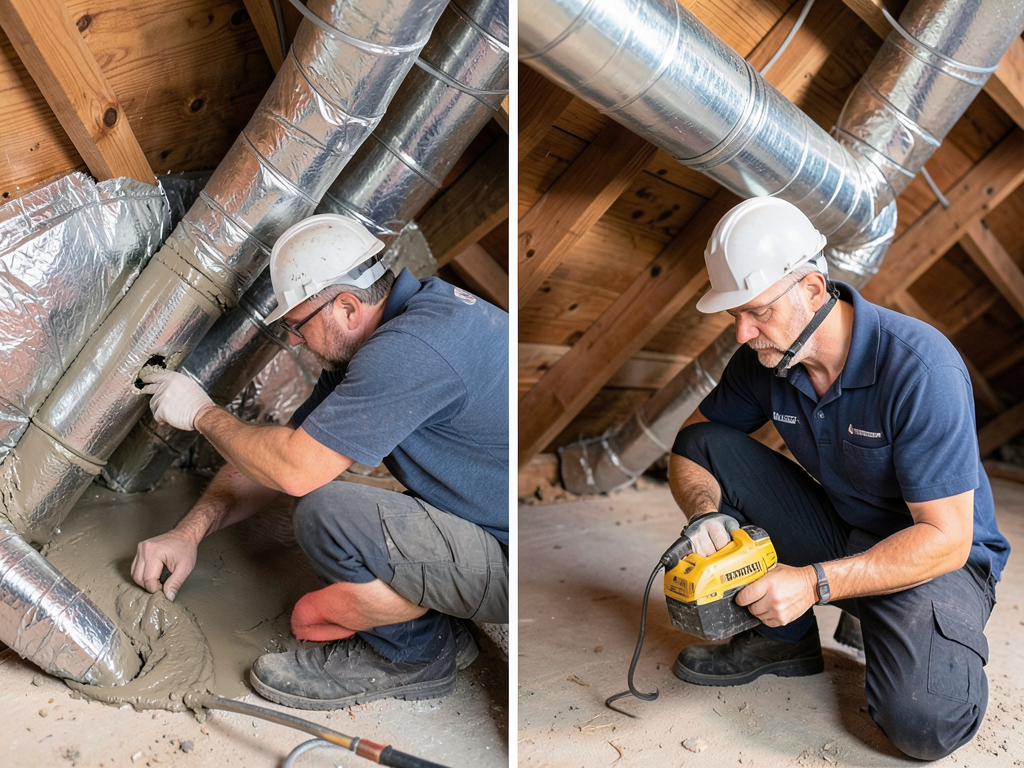
Solving dust problems requires a multi-layered approach. The first step is duct sealing. Professional duct sealing using mastic or Aeroseal technology can reduce leakage by up to 90 percent. This process involves applying a sealant that finds and fills gaps throughout your duct system. The result is less dust infiltration and more conditioned air reaching your rooms.
Air purification systems offer another layer of protection. Whole-house air purifiers with HEPA filtration can capture 99.97 percent of particles down to 0.3 microns. These systems install directly into your existing ductwork and work continuously to clean the air. While more expensive than standard filters, they pay for themselves through reduced system wear and better air quality.
UV light systems installed in your ductwork kill mold, bacteria, and viruses that thrive in the humid South Texas environment. These lights also help break down volatile organic compounds that contribute to odors and poor air quality. When combined with proper filtration, UV systems create a comprehensive air cleaning solution.
Professional HVAC Indoor Air Quality Services in South SA
Professional indoor air quality testing reveals what homeowners cannot see. Using particle counters and humidity sensors, technicians can identify specific pollutants and their sources. In South San Antonio, testing often reveals elevated levels of particulate matter from construction sites and high humidity levels that promote mold growth.
Professional coil cleaning removes the buildup that standard maintenance misses. The evaporator coil in your air handler collects dust over time, creating an insulating layer that reduces efficiency. In South San Antonio’s humid climate, this dust also traps moisture, creating perfect conditions for mold growth. Professional cleaning uses specialized chemicals and techniques to restore coil efficiency. Commercial Maintenance Agreements.
Ventilation system assessment is another crucial service. Many South San Antonio homes have ventilation systems that were never properly balanced. This creates pressure imbalances that pull dusty air from unwanted areas. Professional assessment includes measuring airflow at each vent and adjusting dampers to create balanced, dust-free airflow throughout your home.
Frequently Asked Questions About Local Dust Issues
Why does my house get so dusty even with a clean filter?
The problem is likely leaky ductwork. When your system runs, it creates negative pressure that pulls dusty attic air through gaps in your duct system. This dust bypasses your filter entirely and gets distributed throughout your home. A professional duct inspection can identify these leaks.
How often should I replace my filter in South San Antonio?
Monthly replacement is necessary during peak construction seasons. The fine dust in this area clogs filters much faster than in other regions. Homes near active construction sites may need bi-weekly replacement during certain periods. Consider upgrading to a higher MERV rating to extend replacement intervals.
Can construction dust damage my HVAC system?
Yes. Construction dust contains silica particles that are highly abrasive. These particles wear down fan bearings, clog condensate drains, and coat coils with insulating dust. Over time, this leads to system inefficiency, higher energy bills, and premature component failure. Professional cleaning and filtration can prevent this damage.
What MERV rating do I need for South San Antonio?
MERV eleven provides the best balance for this area. It captures most construction dust and pollen while maintaining adequate airflow. MERV thirteen offers better filtration but may restrict airflow in older systems. Avoid MERV sixteen or HEPA filters unless your system is specifically designed for them.
How can I tell if my ducts are leaking?
Signs include uneven room temperatures, excessive dust accumulation, high energy bills, and whistling sounds from vents when the system runs. A professional duct test using a blower door can measure exactly how much air is leaking from your system. Uneven Heating or Cooling.

Take Control of Your Home’s Air Quality Today
Living with excessive dust is not just annoying; it is damaging your HVAC system and potentially affecting your family’s health. The unique environmental conditions in South San Antonio require specialized solutions that generic HVAC companies do not understand. Patriot HVAC has been serving this area for over 15 years, dealing with the specific challenges that construction dust, high humidity, and local soil composition create.
Our technicians use diagnostic equipment to identify exactly where your dust problems originate. We then provide targeted solutions that address the root cause rather than just treating symptoms. Whether you need duct sealing, advanced filtration, or a complete indoor air quality assessment, we have the local expertise to solve your dust problems permanently.
Call (726) 259-0059 today to schedule your inspection. Do not wait until construction season hits full force and your system is overwhelmed. The longer you wait, the more damage occurs to your HVAC components. Our team is ready to help you breathe easier and protect your investment in home comfort.
Pick up the phone and call (726) 259-0059 before the next construction project starts nearby. Your HVAC system will thank you, and so will your lungs. For more information, visit ASHRAE Technical Resources.