





menu

Emergency Furnace Repair in San Antonio – Technicians Dispatched in Under 60 Minutes

When your furnace quits in the middle of a Texas cold snap, you need immediate help. Our certified technicians arrive fast with fully stocked trucks, ready to restore heat to your home or business.

Slider Image 1
Slider Image 2
Slider Image 3
Slider Image 4
Slider Image 5
Slider Image 7
Slider Image 8
Slider Image 9
Slider Image 10
Slider Image 11

Your Furnace Failed at the Worst Possible Time

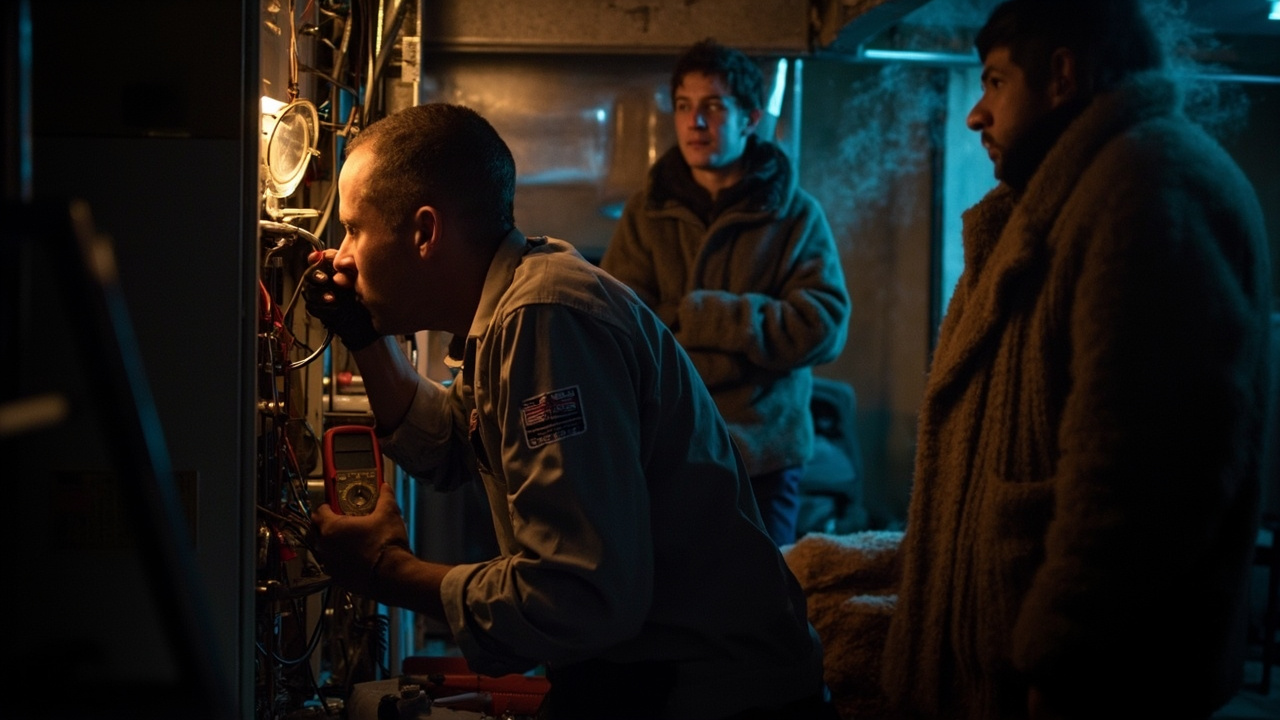
You woke up to a cold house. The thermostat shows 58 degrees and dropping. Your furnace is silent. In San Antonio, winter nights can drop into the 20s, and a failed heating system turns dangerous fast, especially for young children, elderly family members, or anyone with respiratory conditions.

San Antonio's unpredictable weather patterns create unique stress on heating systems. A furnace that runs fine during mild 50-degree days can fail completely when temperatures plummet overnight. The rapid temperature swings common to the Hill Country region force your system to cycle on and off repeatedly, wearing down igniters, heat exchangers, and blower motors faster than in more stable climates.

Most furnace emergencies happen between 10 PM and 6 AM when service options are limited. A cracked heat exchanger leaking carbon monoxide will not wait until business hours. A failed igniter will not fix itself. Frozen pipes in exterior walls start bursting within hours once indoor temperatures drop below 45 degrees.

You need 24 hour furnace repair from a team that answers the phone at 2 AM, not a voicemail. You need urgent heating repair that prioritizes your safety over scheduling convenience. When your furnace quits during a freeze, every hour without heat increases the risk of pipe damage, mold growth from condensation, and genuine health risks for vulnerable household members. Emergency heater repair is not a luxury. It is a necessity when San Antonio temperatures drop and your system fails.

Your Furnace Failed at the Worst Possible Time
How We Restore Heat Fast

How We Restore Heat Fast

When you call for 24/7 furnace service, our dispatch process begins immediately. We do not schedule you for tomorrow morning. A certified technician receives your address, furnace type, and symptom description within minutes. Our trucks carry the high-failure components for every major furnace brand sold in Texas, including Trane, Carrier, Lennox, Goodman, and Rheem.

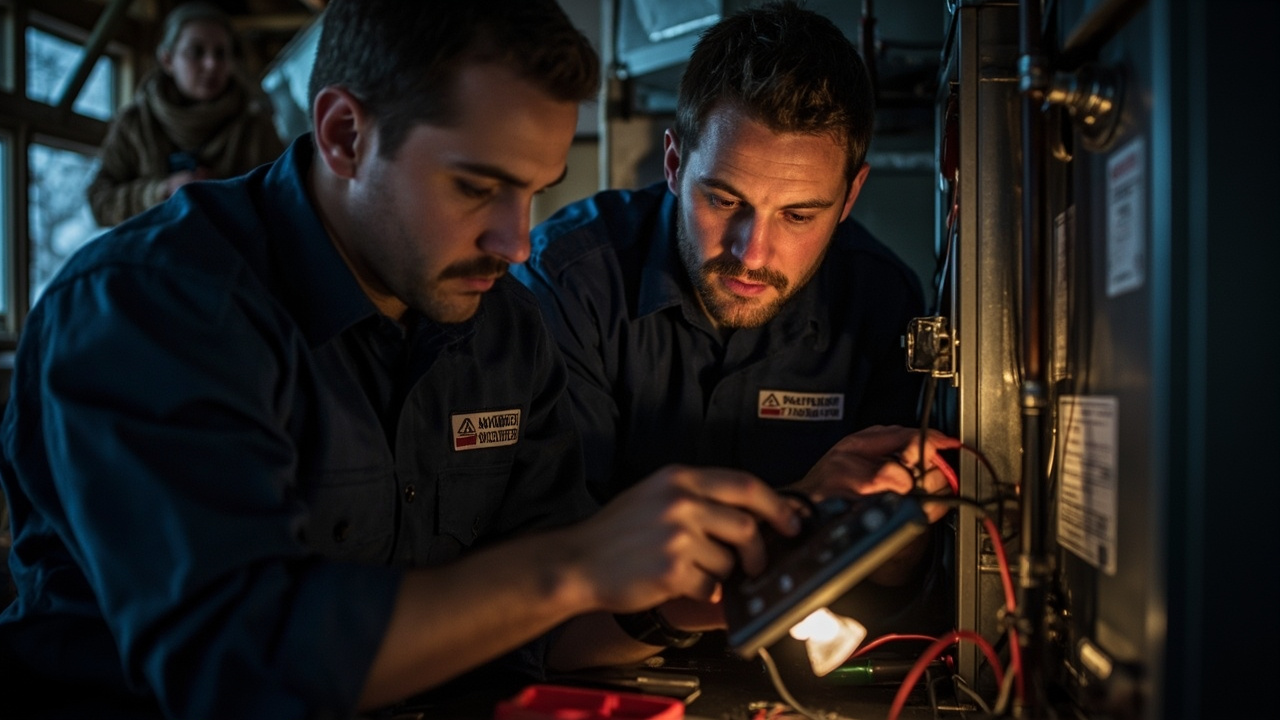
The technician arrives with a full diagnostic toolkit, including combustion analyzers, digital multimeters, and thermal imaging cameras. We start with the three most common emergency failures: igniter assemblies, flame sensors, and pressure switches. These components account for roughly 70 percent of sudden heating failures in forced-air systems.

If your furnace uses a hot surface igniter, we check for the hairline cracks that cause intermittent startup failures. If you have a standing pilot system, we inspect the thermocouple for voltage drop and clean the pilot orifice. For inducer motor failures, we test capacitor values and check for blocked flue pipes that create back pressure.

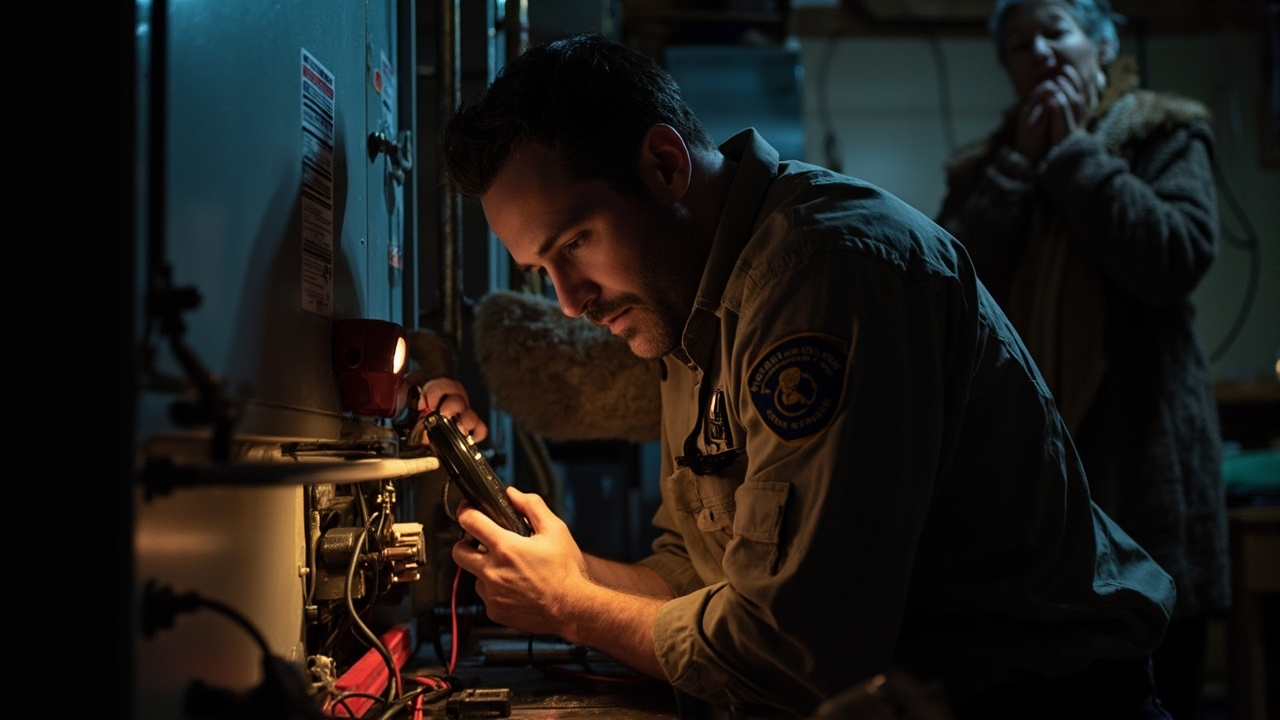
We do not guess. We measure voltage at the transformer, check gas pressure at the manifold, and verify proper flame color and pattern. A yellow or orange flame signals incomplete combustion and potential carbon monoxide production. We shut the system down immediately if we detect unsafe conditions.

Once we identify the failed component, we replace it with OEM or equivalent parts from our truck stock. We test the full heating cycle, verify temperature rise across the heat exchanger, and confirm proper limit switch operation before we leave. Immediate heating system repair means you get heat back the same night, not a quote for next week.

What Happens During Your Emergency Service Call

Emergency Furnace Repair in San Antonio – Technicians Dispatched in Under 60 Minutes
01

Rapid Dispatch and Arrival

Your call triggers immediate technician assignment. We collect your address, furnace age, and the symptoms you noticed. A certified HVAC technician departs within 15 minutes, arriving at your San Antonio home in under an hour in most cases. You receive a text with technician name, photo, and estimated arrival time so you know exactly when help is coming.
02

Diagnostic Testing and Identification

The technician performs systematic testing starting with thermostat communication, then power supply, gas valve operation, ignition sequence, and flame sensor response. We use combustion analysis to check for carbon monoxide and verify proper air-fuel mixture. Most emergency failures get identified within 20 minutes. You receive a clear explanation of what failed, why it failed, and what we need to do to fix it.
03

Component Replacement and Testing

We install the replacement part, reassemble the furnace, and run multiple heating cycles to confirm proper operation. We verify temperature rise, check for gas leaks at all connections, and test safety limit switches. Before leaving, we show you the failed component and explain what to watch for going forward. Your heat is restored, your home warms up, and you sleep through the night safely.

Why San Antonio Residents Call Us First

You do not want a technician learning on your furnace at midnight. Patriot HVAC San Antonio employs certified techs who have diagnosed hundreds of emergency heating failures across every neighborhood from Alamo Heights to Stone Oak to Government Hill. We know the furnace brands common to San Antonio homes, the installation shortcuts used by volume builders in the 1990s and 2000s, and the ductwork problems created by attic installations in older homes near Brackenridge Park.

San Antonio's building patterns create specific heating challenges. Homes built on the limestone bedrock north of Loop 1604 often have undersized ductwork because builders assumed mild winters. Older homes in the King William Historic District have retrofitted central heat with inadequate return air, causing pressure imbalances that trip limit switches. We have seen these problems before, and we fix them correctly the first time.

Our trucks stock parts that fit systems common to this region. We carry igniter assemblies for the Goodman furnaces installed in thousands of homes by production builders. We have pressure switches for the Carrier units popular in custom homes. We keep blower motors sized for the oversized ductwork common in ranch-style homes from the 1970s.

When you call at 11 PM because your furnace quit, you get a human on the phone immediately. No answering service. No callback in the morning. We answer, we dispatch, we arrive, and we fix the problem. That is the standard for urgent heating repair. You do not wait until business hours when temperatures are forecast to drop into the 20s overnight.

What You Get with Emergency Heating Service

Same-Night Response

We do not schedule emergency calls for the next available opening. When you call our 24/7 line, we dispatch a technician immediately. Most arrivals happen within 60 minutes across San Antonio and surrounding areas including Live Oak, Windcrest, and Universal City. You talk to a real person, not a voicemail system. We stay on the line until we confirm a technician is en route. You receive text updates with arrival estimates so you are never left wondering when help will arrive. Emergency service means emergency response, not next-day appointments.

Complete Diagnostic Process

The technician performs full system diagnostics, not just a visual inspection. We test voltage at control boards, measure gas pressure, check draft inducer operation, verify flame sensor current, and analyze combustion gases. We use thermal imaging to identify hot spots in heat exchangers and check for proper airflow across evaporator coils. You receive a clear explanation of what failed and why. We show you the failed component and explain how the replacement fixes the problem. No guessing, no upselling, just accurate diagnosis and effective repair.

Heat Restored Before We Leave

Our trucks carry the parts needed to fix the most common furnace failures on the first visit. We install OEM or equivalent components, test the full heating cycle, and verify proper operation before we consider the job complete. You watch your thermostat climb back to the set temperature. We confirm proper flame characteristics, check all electrical connections, and verify safety controls operate correctly. The repair is complete when your home is warming up and your furnace runs through multiple cycles without error. You do not wait for parts to arrive or schedule a follow-up visit.

Follow-Up and Maintenance Options

After an emergency repair, we discuss what caused the failure and how to prevent future breakdowns. Many emergency calls result from skipped maintenance. A dirty flame sensor or clogged burner assembly causes intermittent failures that turn into full breakdowns at the worst time. We offer maintenance plans that include annual inspections before heating season, priority scheduling, and discounted service calls. Regular maintenance catches small problems before they become midnight emergencies. We follow up after every emergency repair to confirm your system continues running properly and answer any questions about operation or maintenance.

Frequently Asked Questions

You Have Questions,
We Have Answers

How much is an emergency furnace call? +

Emergency furnace calls in San Antonio typically range from diagnostic fees to full repair costs depending on the issue. Most companies charge a trip fee to dispatch a technician after hours, which often applies toward the repair if you proceed. Costs vary based on the problem, parts needed, and time of service. Weekend and late-night calls usually cost more than weekday rates. A cracked heat exchanger or blower motor failure costs more than a simple ignitor replacement. Call for upfront pricing before the technician arrives. Ask if diagnostic fees are waived with repair approval to avoid surprise charges during a stressful situation.

What is considered a furnace emergency? +

A furnace emergency means immediate risk to safety or property. Carbon monoxide leaks, gas odors, or strange burning smells require immediate shutdown and professional help. Complete heat loss during San Antonio's rare hard freezes qualifies as urgent because pipes can burst when temperatures drop below 32 degrees. Electrical sparking, flames outside the burner chamber, or smoke signals a dangerous malfunction. Repeated shutdowns or loud banging noises indicate potential heat exchanger cracks that leak deadly gases. If you smell rotten eggs or hear hissing near the unit, evacuate and call emergency services first, then an HVAC technician.

What to do while waiting for furnace repair? +

Close off unused rooms to concentrate heat in smaller areas. Move your family to one central room and seal gaps under doors with towels. Use space heaters safely, keeping them three feet from flammable materials and never running them unattended. San Antonio winters are mild, but overnight lows can dip into the 20s during cold snaps. Open cabinet doors under sinks to prevent pipe freezing. Layer clothing and use blankets. Avoid using your oven or stove for heat, which creates carbon monoxide risks. Drip faucets if temperatures approach freezing to prevent costly pipe damage before your technician arrives.

What is the $5000 rule? +

The $5000 rule is a replacement guideline for aging furnaces. Multiply the repair cost by the furnace age. If the total exceeds $5000, replacement makes more financial sense than repair. For example, a $400 repair on a 10-year-old furnace equals $4000, so repair it. A $700 repair on an 8-year-old unit equals $5600, suggesting replacement. This rule helps San Antonio homeowners avoid throwing money at failing equipment. Older furnaces run less efficiently, increasing utility bills even when working. If your unit is approaching 15 years old, replacement often delivers better long-term value than emergency repairs.

What qualifies as an HVAC emergency? +

An HVAC emergency involves immediate danger or extreme discomfort. Gas leaks, carbon monoxide detection, electrical failures, or refrigerant leaks qualify as emergencies requiring immediate response. Complete heating loss during San Antonio's January cold fronts when temperatures drop into the 20s creates urgency, especially for homes with infants, elderly residents, or medical conditions. No cooling during 100-degree summer heat can cause heat stroke. Water leaks from HVAC equipment that threaten property damage need urgent attention. Strange odors, sparking, or flames always require emergency service. If the issue poses health risks or could cause secondary damage, call immediately rather than waiting for business hours.

What is the most expensive thing to fix on a furnace? +

Heat exchanger replacement ranks as the costliest furnace repair. This component transfers heat from combustion gases to your home's air. Cracks develop from age, corrosion, or poor maintenance, allowing carbon monoxide to enter your breathing air. Replacement requires extensive labor and expensive parts. Many San Antonio technicians recommend full system replacement instead because heat exchanger failure often indicates the furnace has reached end-of-life. Blower motor assemblies and variable-speed motors also carry high price tags. Control boards and gas valves cost less but still represent significant expenses. Routine maintenance prevents these catastrophic failures by catching problems early.

What counts as emergency repairs? +

Emergency repairs address immediate safety hazards or prevent severe property damage. Furnace repairs qualify as emergencies when gas leaks occur, carbon monoxide detectors alarm, or complete heat loss happens during freezing weather in San Antonio. Electrical issues causing sparks or tripped breakers need urgent attention. Water leaks threatening floors or walls cannot wait. Non-emergency repairs include noisy operation, reduced efficiency, or minor performance issues that do not create danger. If the problem can wait until morning without risking safety or causing secondary damage like frozen pipes, it is not a true emergency. Use judgment based on weather conditions and household vulnerability.

How cold will a house get without heat? +

Without heat, San Antonio homes lose about 1 to 3 degrees per hour depending on insulation quality and outside temperature. During a typical winter night in the 30s, your home might drop from 70 to 50 degrees over eight hours. During rare hard freezes in the 20s, temperatures fall faster. Poor insulation, drafty windows, or concrete slab construction accelerates heat loss. Homes can reach unsafe temperatures within 12 to 24 hours during severe cold. Pipes begin freezing at 32 degrees, but damage often occurs at higher temperatures if pipes run through exterior walls. Act quickly when heat fails during winter cold snaps.

At what temperature should you turn your heat pump to emergency heat? +

Switch your heat pump to emergency heat only when the outdoor unit fails or ices over completely. Emergency heat uses electric resistance strips that cost two to three times more to run than the heat pump compressor. In San Antonio, outdoor temperatures rarely drop low enough to require emergency heat mode. Standard heat pump operation handles most winter conditions here. If your heat pump runs constantly without warming the house or the outdoor unit is covered in ice, switch to emergency mode temporarily. Call for repair immediately because emergency heat should never run long-term. The setting exists for equipment failure, not routine cold weather operation.

How can I heat my house with a broken furnace? +

Use portable electric space heaters in occupied rooms, keeping them away from curtains, furniture, and foot traffic. San Antonio residents can close off unused areas and concentrate in one room to maximize warmth. Layer blankets and wear warm clothing. Run ceiling fans in reverse at low speed to push warm air down from ceilings. Open blinds during sunny days to capture solar heat, then close them at night. Never use gas ovens, stoves, or grills for indoor heating due to carbon monoxide danger. Seal drafts around windows and doors with towels. If temperatures will drop below freezing, drip faucets and open cabinet doors to protect pipes until repair.

Why San Antonio Cold Snaps Create Sudden Furnace Failures

San Antonio experiences rapid temperature drops that stress heating systems differently than gradual seasonal changes in northern climates. A furnace that runs occasionally during mild 55-degree days faces sudden heavy demand when overnight temperatures plunge to 25 degrees. This thermal shock causes igniters to crack, heat exchangers to warp, and inducer motors to fail from sudden high-load operation. The limestone soil common throughout Bexar County transmits cold into slab foundations faster than other soil types, forcing furnaces to run longer cycles and increasing component wear. Many emergency calls happen during the first hard freeze because furnaces that coasted through mild weather cannot handle sustained low temperatures.

Homes in older San Antonio neighborhoods near Southtown and Monte Vista often have heating systems retrofitted into structures built for mild climates. Undersized ductwork, inadequate insulation, and poor return air design create conditions where furnaces run continuously during cold weather, accelerating component failure. Building codes in Bexar County have evolved significantly since the 1980s, but many existing homes operate with heating systems installed before modern efficiency and safety standards. Local HVAC expertise matters because we recognize these installation patterns and know which components fail first in older systems common to San Antonio's historic districts and established neighborhoods.
HVAC Services in The San Antonio Area

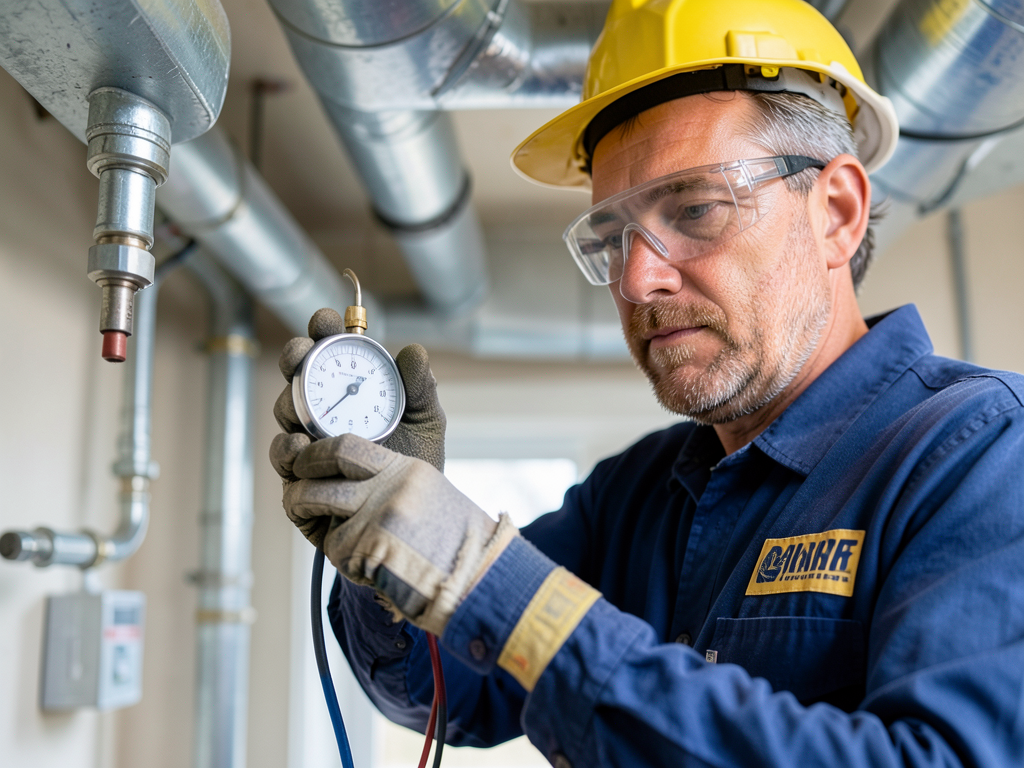
Patriot proudly serves San Antonio and surrounding communities with fast, reliable HVAC services. Use the map below to locate our service area and see if we’re available in your neighborhood. Whether you need a quick repair or full installation, we’re just a call away. Our mobile team is equipped and ready to meet you where you are. Count on Patriot for dependable service with a local touch.

Address:
Patriot HVAC San Antonio, 1100 Northwest Loop, San Antonio, TX, 91335

Additional Services We Offer

Our news updates

Latest Articles & News from The Blogs

Comparing Inverter AC Technology and Standard Compressors for 2026 Energy Savings When your air conditioner kicks on during a San…

Comparing Inverter AC Technology and Standard Compressors for 2026 Energy Savings

Comparing Inverter AC Technology and Standard Compressors for 2026 Energy Savings When your air conditioner kicks on during a San…

Evaluating Modern Thermostat Features That Actually Save Money in San Antonio

Evaluating Modern Thermostat Features That Actually Save Money in San Antonio \n\n San Antonio homeowners face unique cooling challenges during…

Upgrading to a Communicating HVAC System for Maximum Comfort in Your Dominion Home

Upgrading to a Communicating HVAC System for Maximum Comfort in Your Dominion Home Living in The Dominion means dealing with…

Contact Us

Your family should not spend another hour in a cold house. Call (726) 259-0059 now for immediate dispatch. Our technicians are standing by 24 hours a day, ready to restore your heat. Do not wait until morning. Call now.